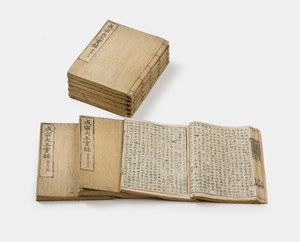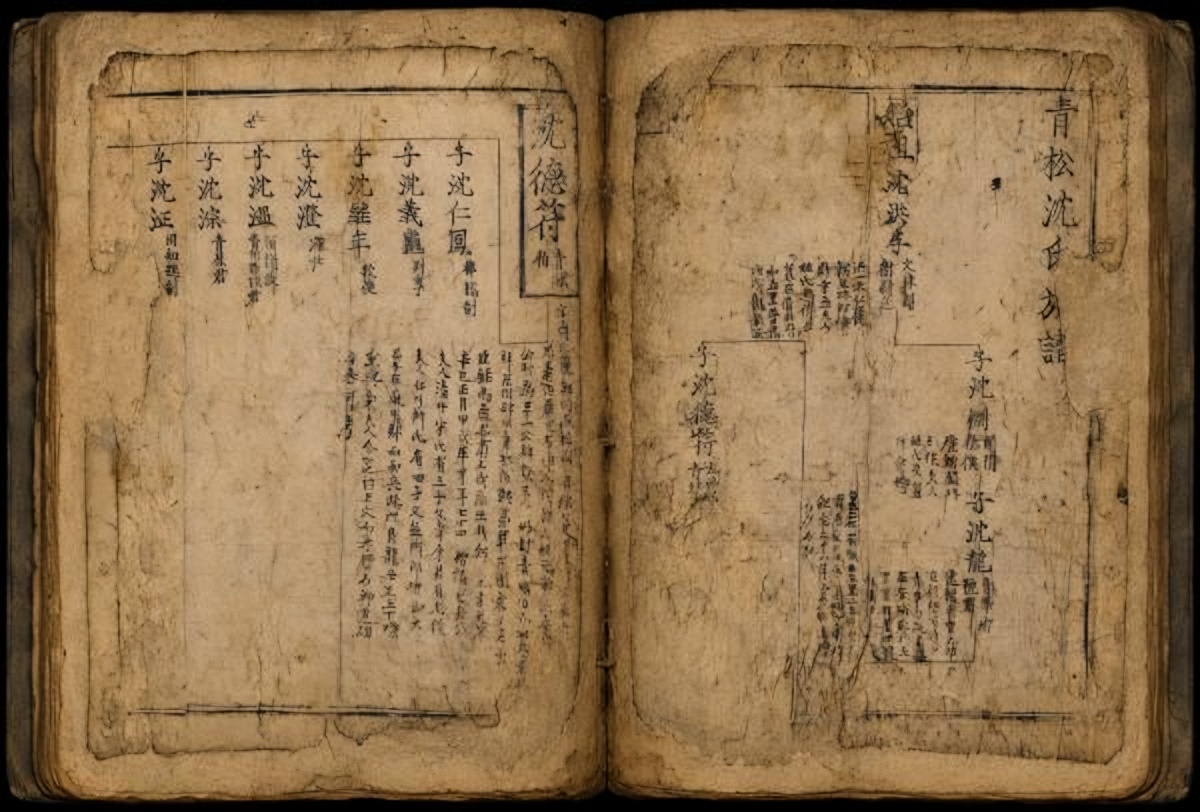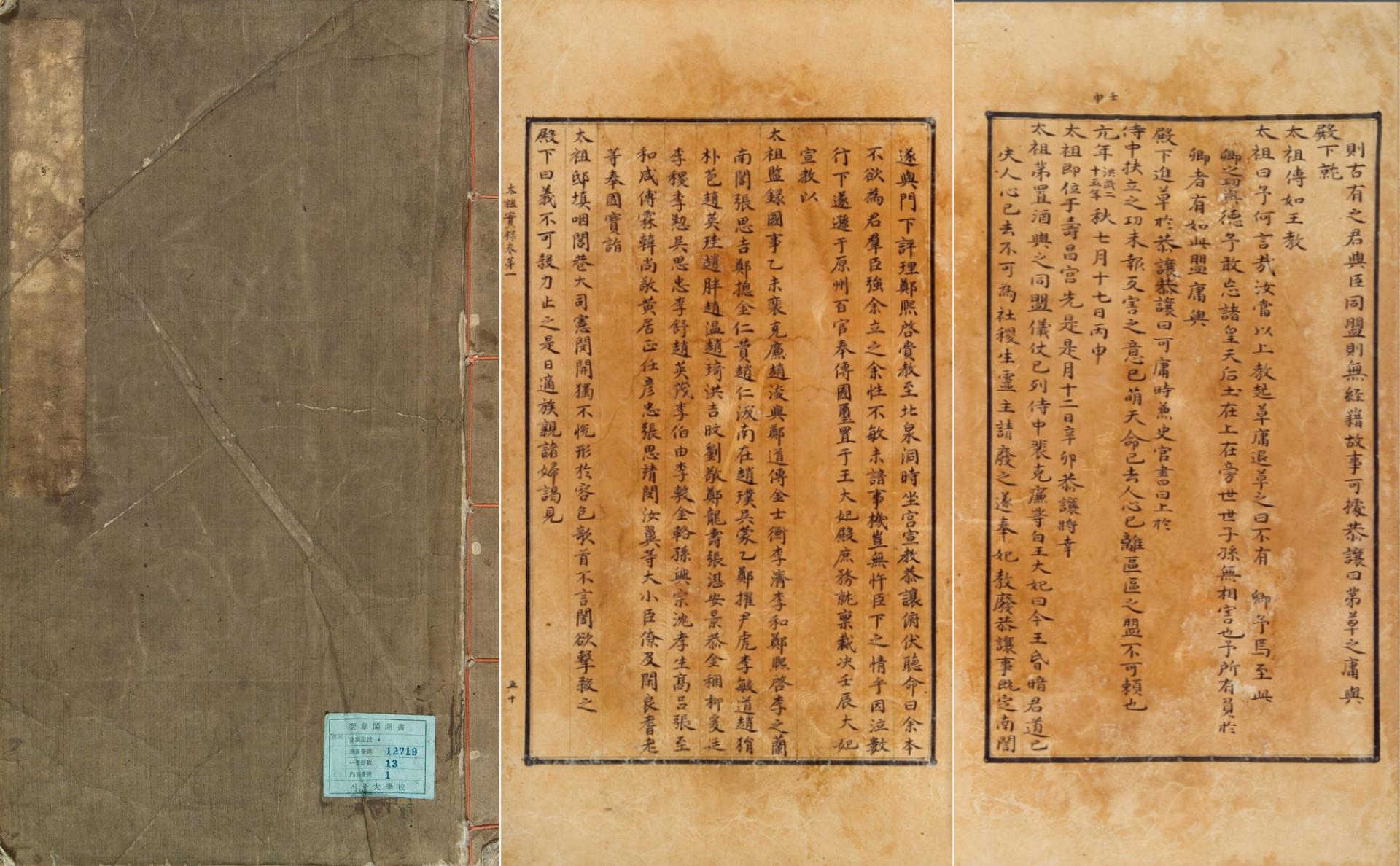
The weathered exterior fabric cover of a volume of the Joseon Wangjo Sillok (Annals of the Joseon Dynasty) and its pages of meticulously preserved text documenting the daily records of the royal court / Courtesy of the National Palace Museum of Korea
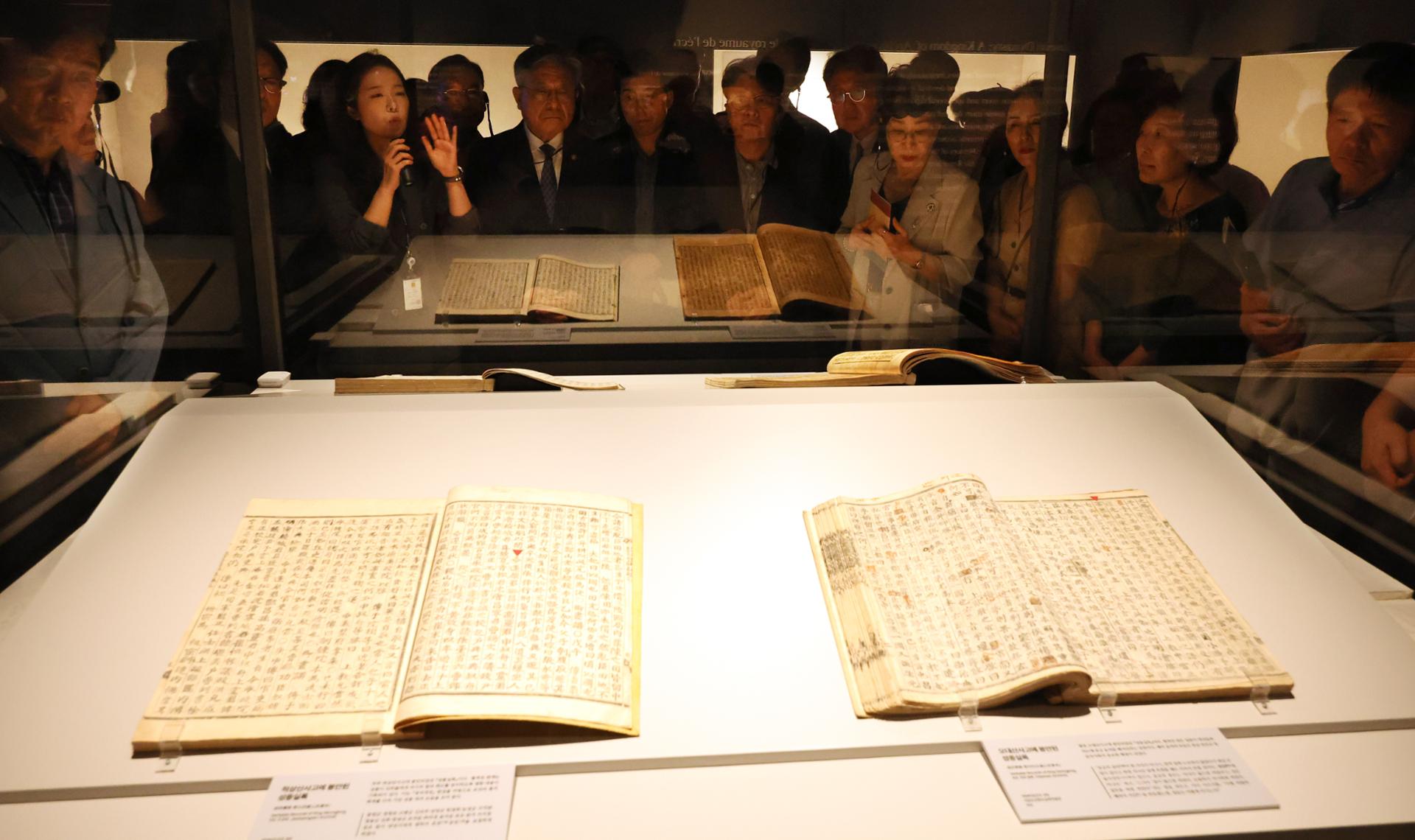
For a dynasty that endured for five centuries, the survival of its memory relied on an almost obsessive commitment to the written word. That legacy goes on display Tuesday in the southern port city of Busan as the National Palace Museum of Korea and the Busan Museum open a landmark exhibition, "The Records and Culture of Joseon: Transmitting to Ten Thousand Generations."
Running through Aug. 30, the exhibition is timed to coincide with Busan’s hosting of the UNESCO World Heritage Committee session later this month. It aims to introduce an international audience to Korea’s most treasured documentary wealth, showcasing items inscribed on the UNESCO Memory of the World register.
At the heart of the collection are the Joseon Wangjo Sillok, the sprawling daily annals of the dynasty. In a museological first, surviving volumes from all four historic repositories — where duplicates were stored away for safekeeping after the devastating late-16th-century Japanese invasions — will be displayed together in a single room. They are flanked by the Uigwe, highly detailed royal protocols featuring intricate illustrations of court rituals, court finery and bureaucratic procedures.