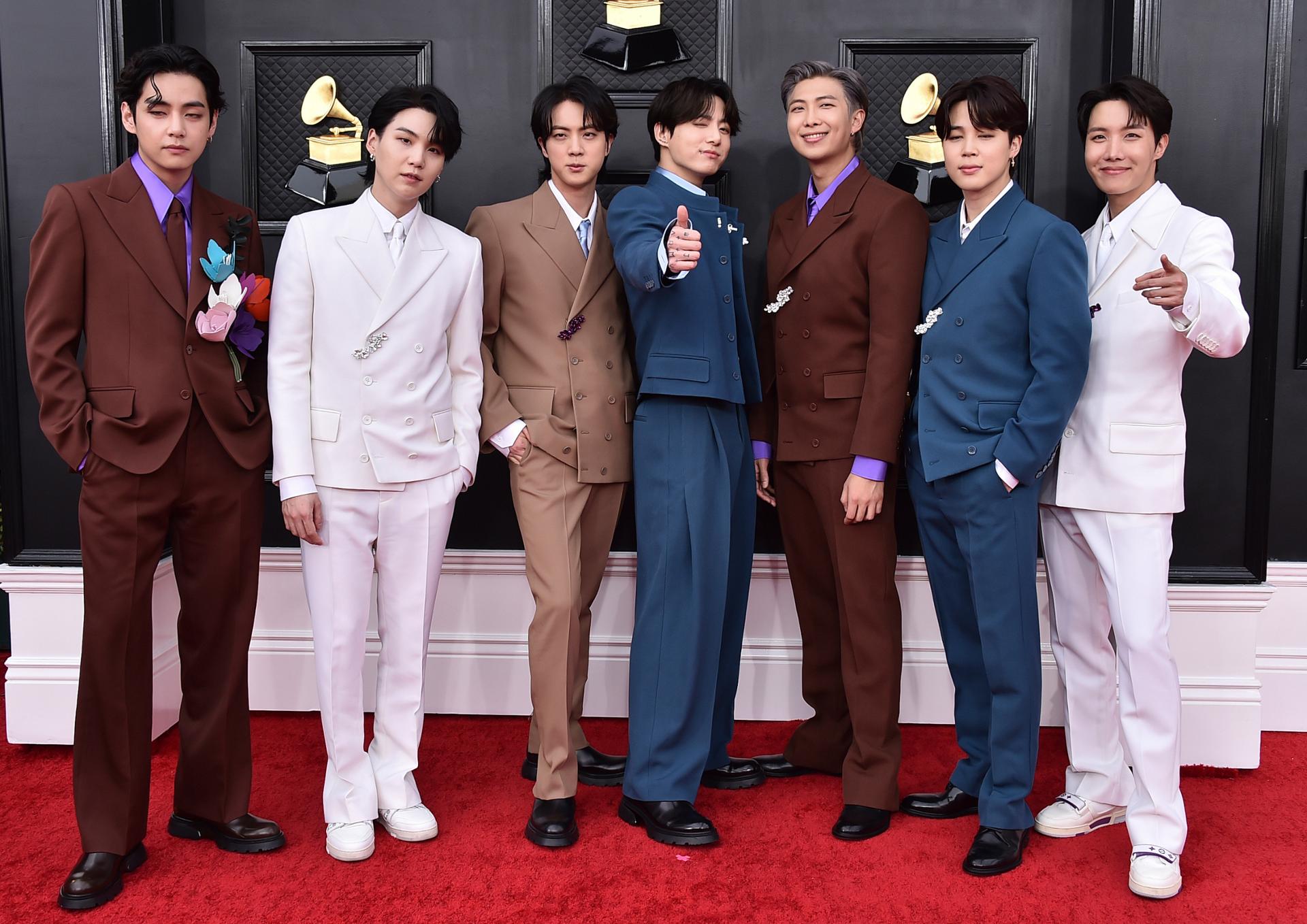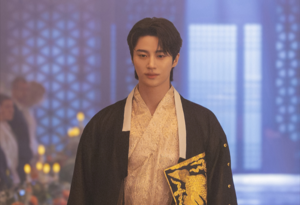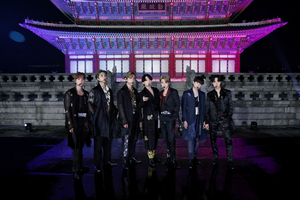
BTS poses in front of Geunjeongjeon at Gyeongbokgung, wearing hanbok-inspired attire ahead of a performance of "Idol" on "The Tonight Show Starring Jimmy Fallon" in 2020. (Big Hit Music) Korea's cultural heritage is finding new life beyond museums and historic sites. As history, folklore and tradition become a key creative engine behind Korean pop culture's global expansion, K-pop, films, dramas and games are bringing the nation's past to audiences around the world. The following stories examine how each industry is making heritage part of its global success.Modern takes on Korean heritage give K-pop a distinct identityWith the K-pop genre now a global phenomenon, artists are increasingly drawing on Korea's history, music and visual traditions, making cultural heritage a defining part of the genre's identity rather than simply a visual motif. BTS poses in front of Gwanghwamun ahead of "BTS The Comeback: Arirang," the group's first full-group live performance since their military hiatus, livestreamed worldwide on Netflix on March 21. (Big Hit Music) BTS has championed this evolution.Long before naming its latest album “Arirang” after the Korean folk song, the septet had consistently incorporated Korean heritage into its work.The group introduced hanbok-inspired styling during their performance of “Idol” on “The Tonight Show Starring Jimmy Fallon” in 2020 and used traditional samulnori percussion rhythms in the track. They also brought other performances to Sungnyemun and Gyeongbokgung, giving a nod to historic landmarks in the country. Agust D (Big Hit Music) In March, BTS also held its first public performance following the members' military service at Gwanghwamun Square, becoming the first K-pop artist to host an exclusive live performance in the space.The exploration has also extended to solo projects, with Suga, under his solo moniker Agust D, reimagining royal military procession music in "Daechwita" through Joseon-era imagery. In Blackpink's music video for "Go," the "hoemun" ornamental pattern, a traditional geometric pattern of lines that continue to loop without a clear end, symbolizes continuity and eternity. (YG Entertainment) Blackpink has followed a similar trajectory.The music video for “Go” layers traditional Korean motifs throughout its futuristic visuals, incorporating decorative patterns historically found on royal garments and ceramics, celadon-inspired imagery, Hangeul typography and the taegeuk symbol.Earlier music videos such as “Pink Venom” and “How You Like That” similarly incorporated Korean elements, including traditional music instruments and hanbok-inspired styling. Jennie wears a 15-meter veil embroidered with verses from Cheonggu Yeongeon, a traditional Korean song collection during her solo performance of "Zen" at the 2025 Melon Music Awards. (Melon) Jennie also referenced Korean heritage in her solo performance of "Zen" at the 2025 Melon Music Awards, where she wore a 15-meter veil embroidered with verses from Cheonggu Yeongeon, a traditional Korean song collection, and a costume inspired by the Three-story Stone Pagoda at Bulguksa.The embrace of Korean heritage extends beyond BTS and Blackpink.Ateez incorporated traditional Korean props, including flags depicting the Four Guardian Deities, mother-of-pearl-inspired visuals and talchum-inspired choreography during its performance of “The Real” at the Coachella Valley Music and Arts Festival in 2024.Rookie boy group Ampers&One built its April comeback around the symbolism of "gat" (traditional Korean hat), pairing traditional choreography with hanbok-inspired styling. Ateez performs "The Real" during the 2024 Coachella Valley Music and Arts Festival at Empire Polo Club on April 12, 2024 in Indio, California. (Getty Images)
When heritage meets pop culture: K-pop
Korea's cultural heritage is finding new life beyond museums and historic sites. As history, folklore and tradition become a key creative engine behind Korean p
545 words~2 min read