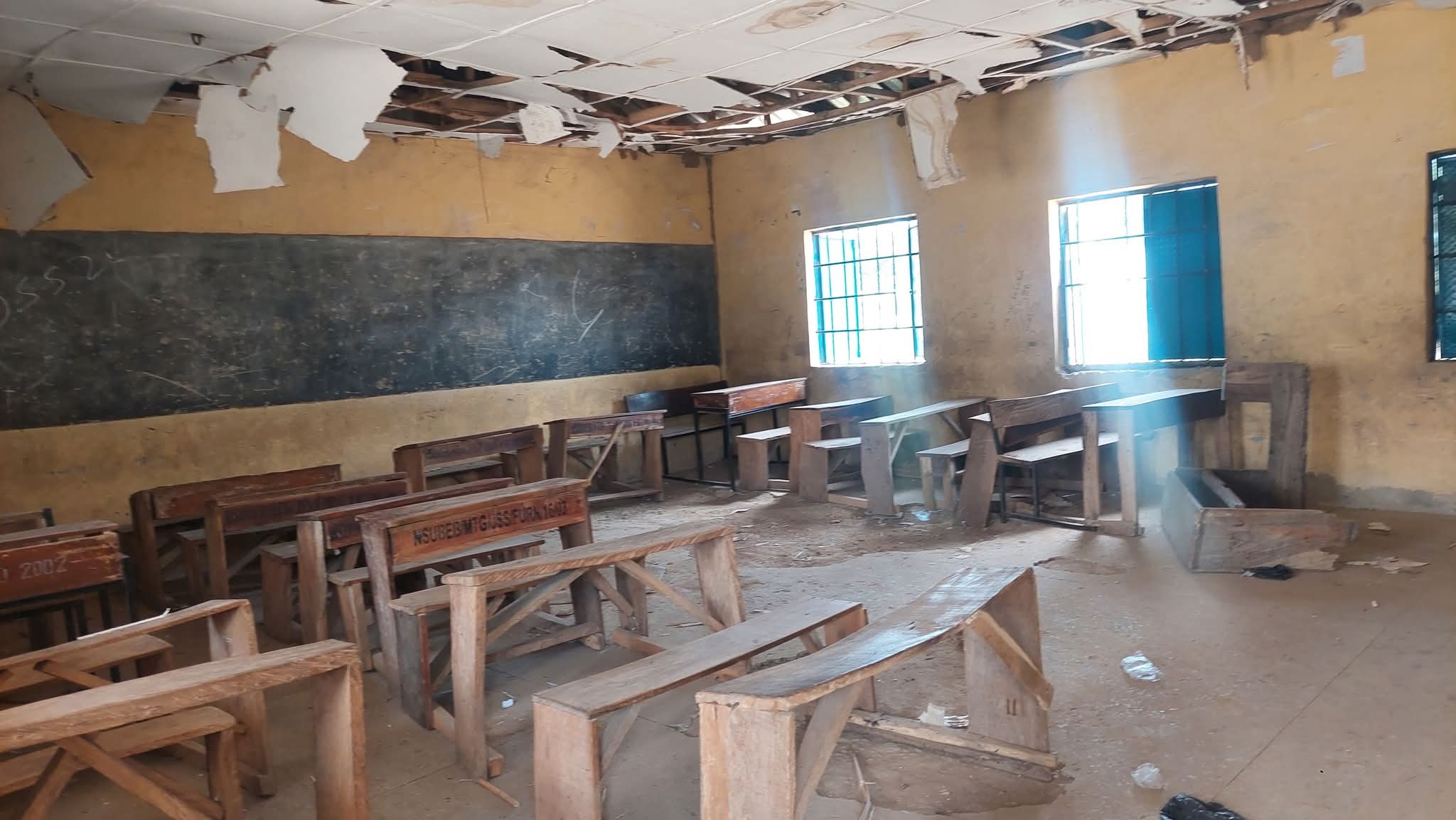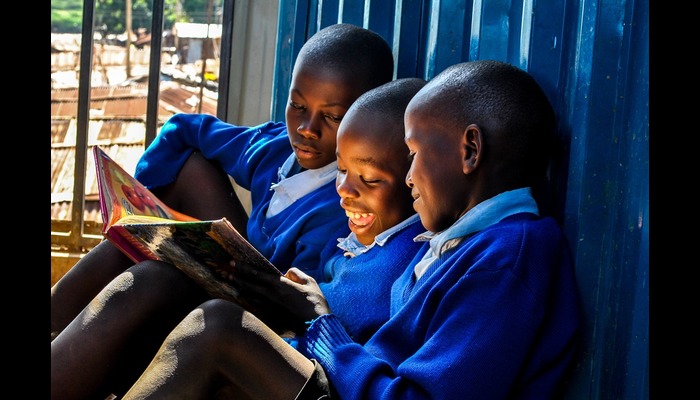
Few questions in emerging economies touch history, identity, and democracy as deeply as access to education. In both Belgium and Nigeria, educational infrastructure sits at the very heart of how we cultivate citizens, build communities, and shape national belonging across generations. Yet, when demand for quality education outstrips supply, governments face a critical crossroads: do they ration opportunity through protectionist policies, or do they expand capacity to build a more competitive workforce?
The debate witnessed this week in Belgium over restricting access to Dutch-language education in Brussels offers a profound, cautionary lesson for African policymakers, particularly in Nigeria. When public policy seeks to guard educational resources for a specific group rather than scaling them up for the collective good, it treats development as a zero-sum game. True economic diplomacy and sustainable growth dictate the opposite: success should invite expansion, not restriction.
The Traps of Rationing Opportunity
In Brussels, a proposal to reserve a greater proportion of school places exclusively for native Dutch-speaking families stems from a defensive reflex to protect cultural institutions. Acknowledging the historical struggle behind that identity is important, but we must ask a more vital public policy question: Is restricting access ever the wisest way to strengthen an educational system?