A while back, I sat in an office pitching for funding to build infrastructure for a mid-premium educational experience. I expected questions about value proposition, results and track record. Instead, the questions were about how long I’d grovelled and begged parents to come to my school.
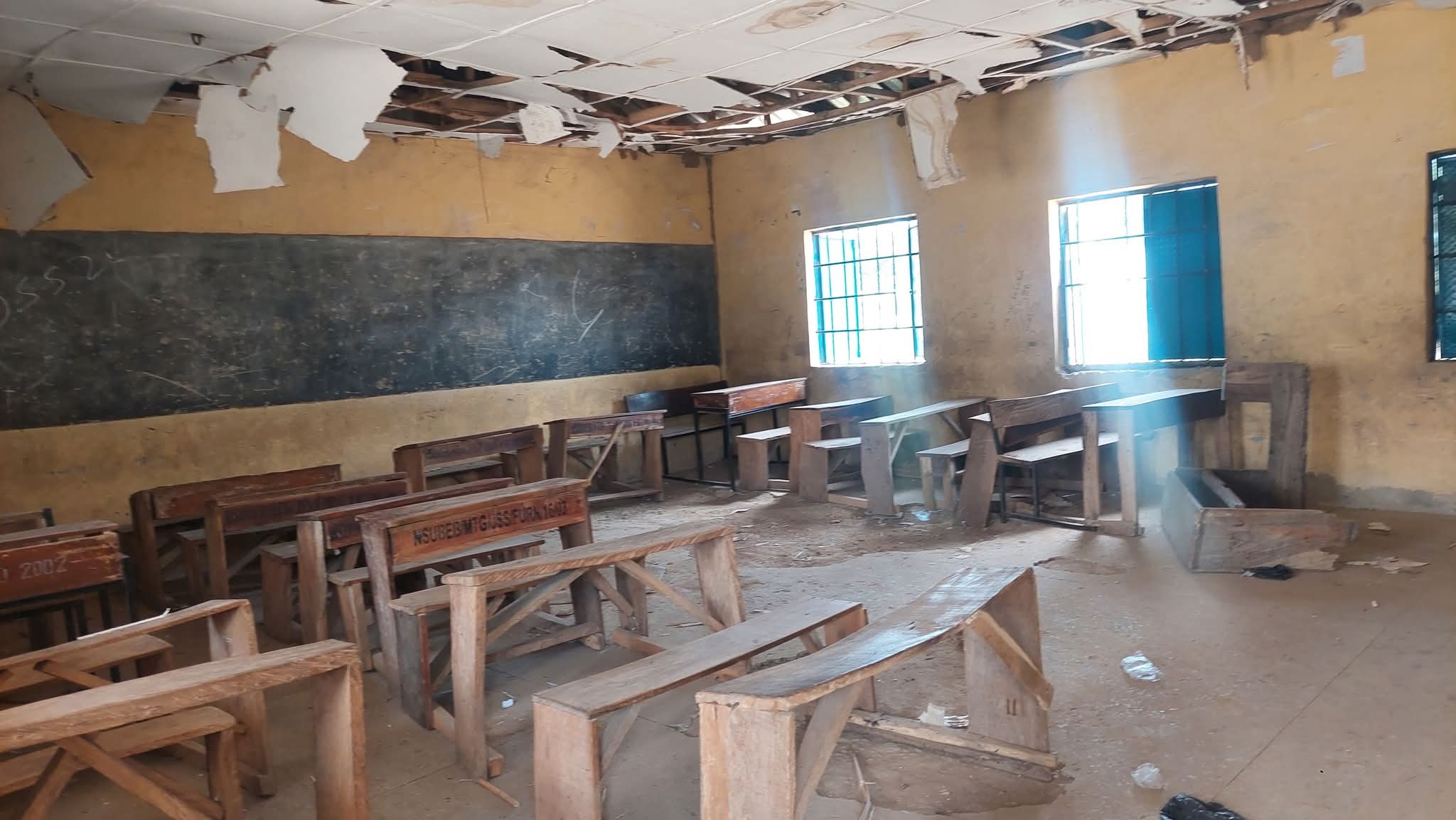
That conversation told me something important: the problem with education in Nigeria isn’t the schools, and it isn’t a lack of enthusiasm to meet global standards. The problem is that society itself isn’t ready to demand — or pay for — the kind of education that gives children a real head start.
Parents and communities aren’t gravitating toward schools with proven track records or the best shot at helping their children excel. Instead, they choose schools based on price point. Then they expect those schools to deliver services well beyond what that price point can sustain. It’s a system that punishes ambition and rewards the cheapest bidder.
The two camps
The real answer lies in the balance between academics and self-expression — not in tilting hard toward either end. On one side, some believe schools should stick to academics only, questioning anything that looks like self-expression until they produce students who are academically sound but poorly equipped for careers outside the traditional professions. On the other end, some schools lean so heavily into co-curricular activities that cultural events and presentations become the main event — leaving students with a broad understanding of the world, but weaker academic grades.