Here is exactly how to pay for it and the investment returns. 7.5 times in tax receipts Alone
Part 1 of 3: The Crisis and What a World-Class Response Looks Like
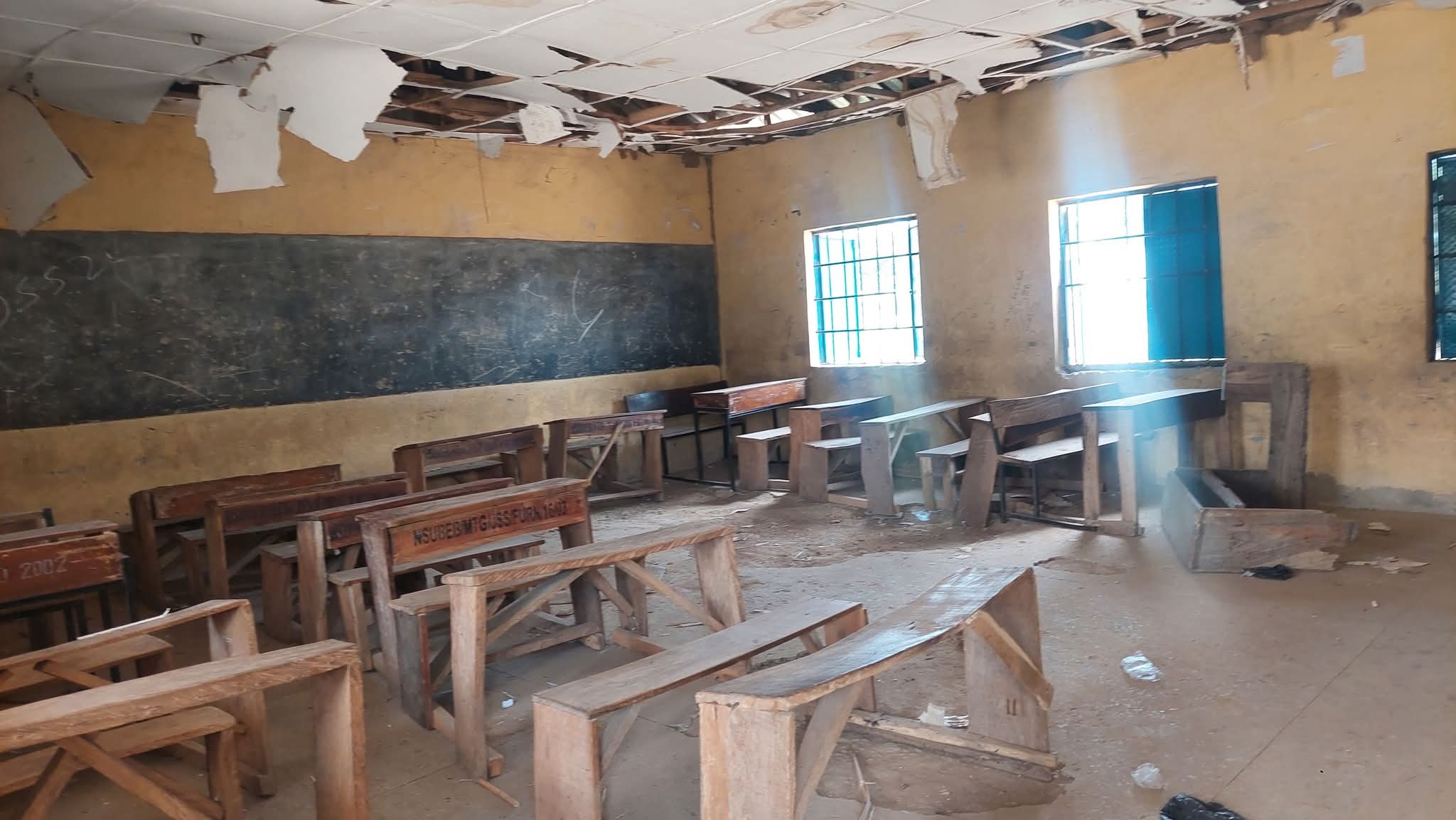
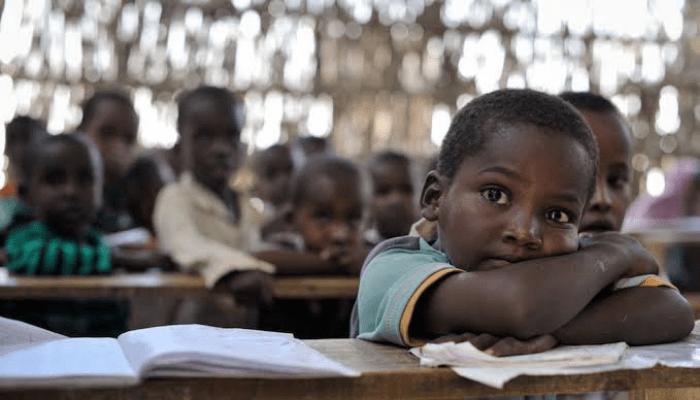
Let me begin with two numbers. The first should trouble every Nigerian: 18.3 million. That is how many children are currently out of school — one in every five out-of-school children on earth, confirmed by UNICEF in 2025, a figure that has not improved in two years. The second should compel every investor, lawmaker, and financier: 7.5 times. That is the return — in incremental tax receipts to the Nigerian state alone, before counting GDP growth, security savings, or health relief — that a ₦154.0 trillion ($112.0 billion) investment in transforming Nigeria’s education system generates over 30 years. Full payback by Year 12 to 14. Net fiscal gain of ₦1,004 trillion ($730.2 billion) over three decades.
“Nigeria’s fiscal position supports the investment. The NRS collected a record ₦28.3 trillion in 2025, 12 percent above target, and has set a ₦40.7 trillion target for 2026 – a 44 percent increase. The 2026 federal budget stands at ₦54.99 trillion ($40.0 billion).”
This is not a moral argument, though it is that too. It is a financial argument: the highest-return public investment available to any African government, backed by World Bank methodology and specific enough to be stress-tested. I call it the Nigeria Education Transformation Initiative – NETI.