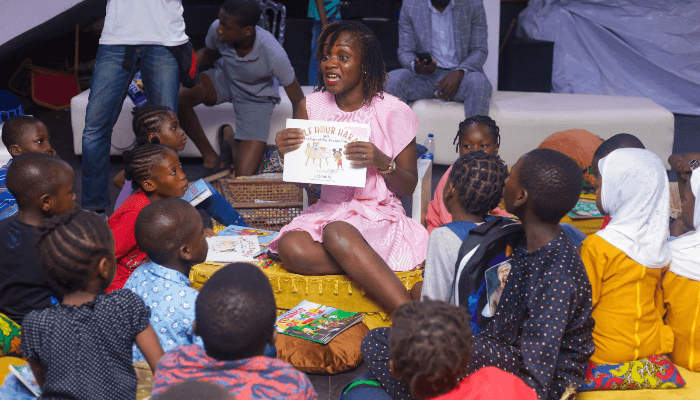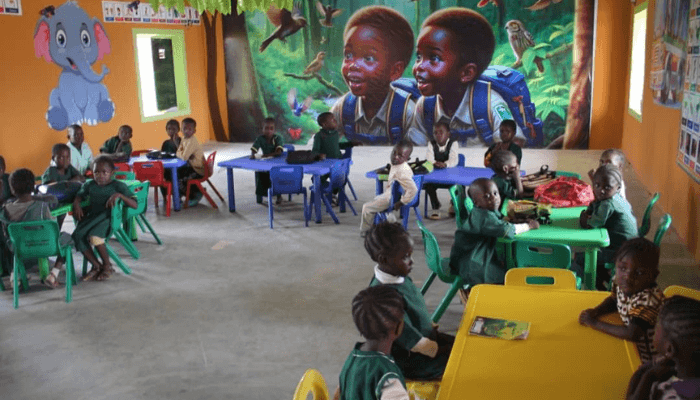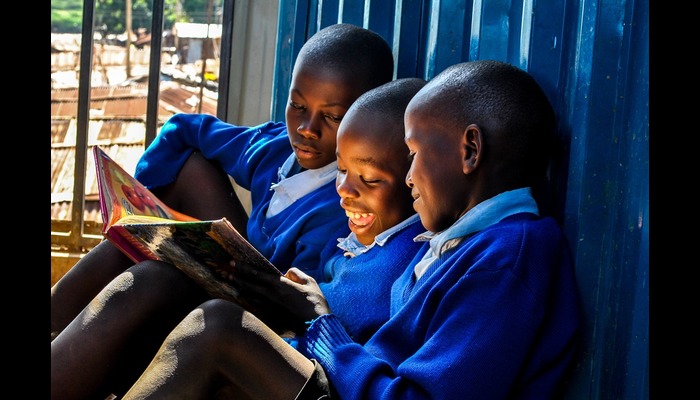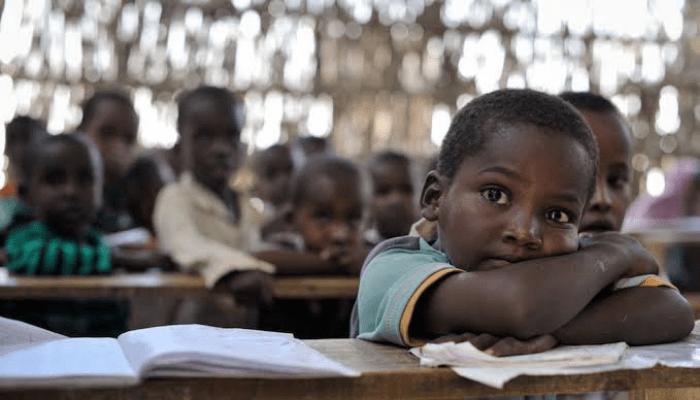
Education is the foundation to skills development and jobs, and the surest way out of poverty, empowering generations to earn an income and drive economic growth, the World Bank Group says.
Developing countries, such as Nigeria have made some progress in getting children into the classroom, but investments remain inadequate and learning is not guaranteed.
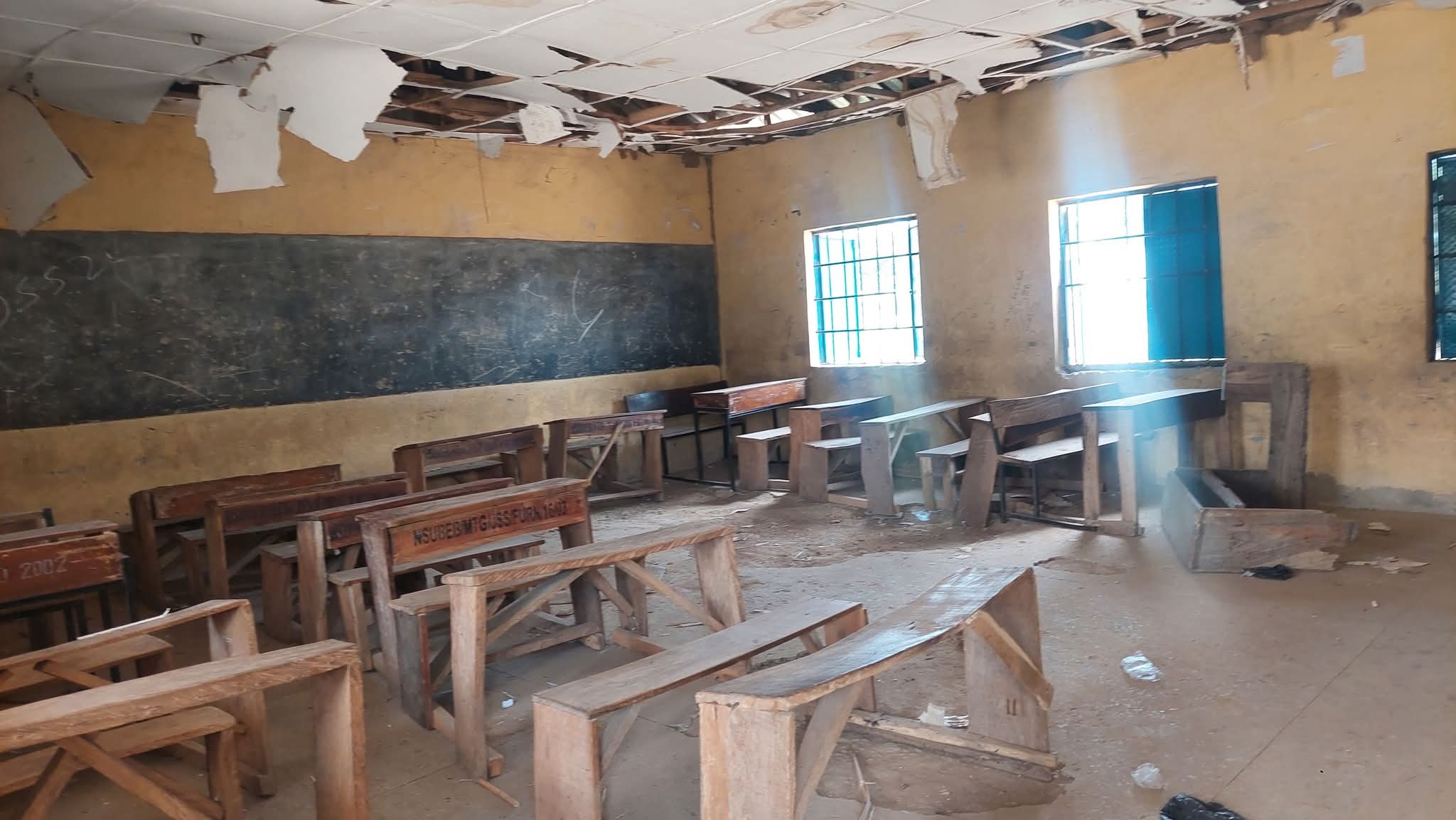
Though the Nigerian government claims to have repositioned basic education under the Renewed Hope Agenda of Bola Tinubu, not as a peripheral social service, but as a central pillar of economic growth and national development; the evidence seems to hide under the skies like a shy new moon.
According to the Federal Ministry of Education in its special report last month, Nigeria has committed over N100 billion in matching grants accessed, with 4,633 new classrooms built, while 6,114 classrooms were renovated, and 257 new schools built.
Other achievements include 506,000 teachers trained, 7.8 million textbooks distributed, 11,280 school perimeter fences, and 333,862 units of school furniture, among others.