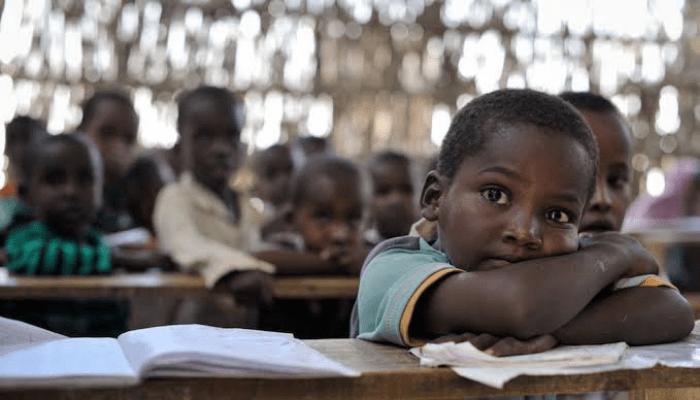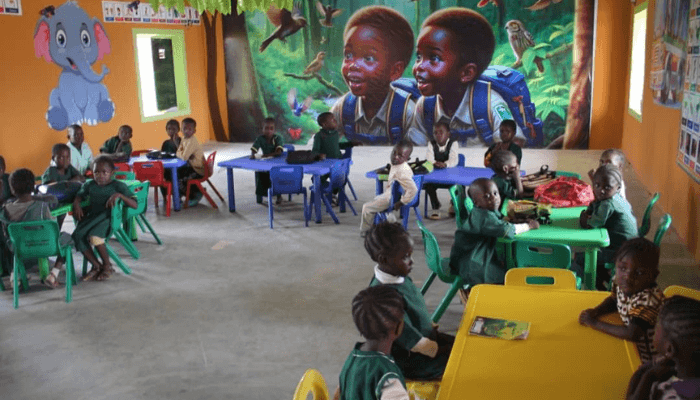
“Education is not measured by school attendance; it is measured by learning.” That may be the most important lesson Nigeria must confront if it hopes to achieve the United Nations Sustainable Development Goal 4 (SDG 4): ensuring inclusive and equitable quality education and promoting lifelong learning opportunities for all by 2030.
For decades, Nigeria has celebrated every increase in school enrolment as evidence of educational progress. Governments commission classrooms, recruit teachers, distribute learning materials and announce new intervention programmes. Yet the country’s greatest education challenge is no longer simply getting children into school; it is ensuring they actually learn.
This distinction is far more than semantics. It will determine whether Nigeria’s rapidly growing youth population becomes the country’s greatest economic asset or its greatest developmental burden.
The World Bank and UNESCO introduced the concept of learning poverty to measure the percentage of children who cannot read and understand a simple text by the age of 10. The indicator combines children who are out of school with those who attend school but still fail to acquire basic reading skills. It was developed because years spent inside classrooms are becoming an increasingly poor measure of actual learning. Across low- and middle-income countries, roughly seven in every ten children experience learning poverty, highlighting a global crisis in foundational education.