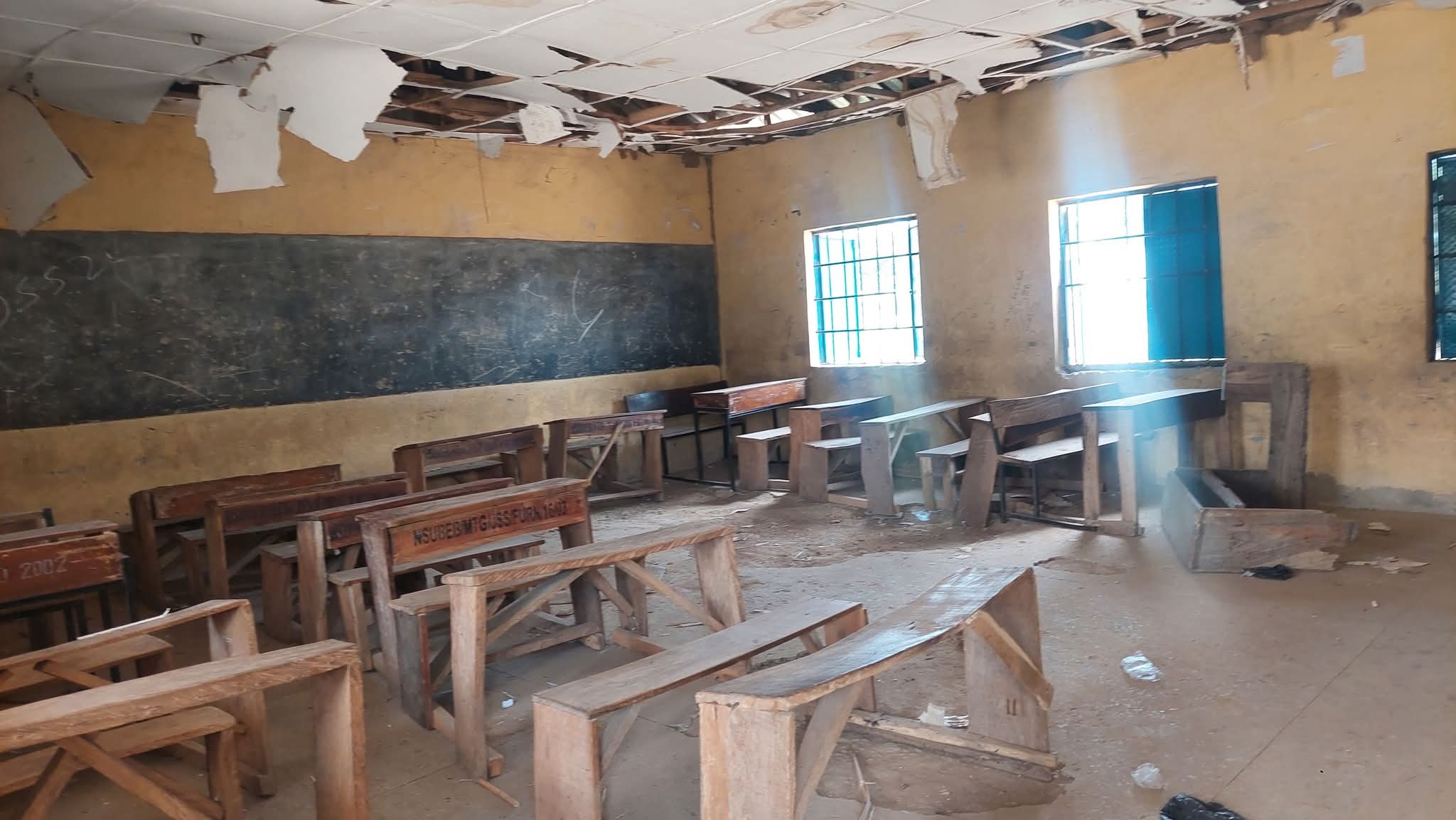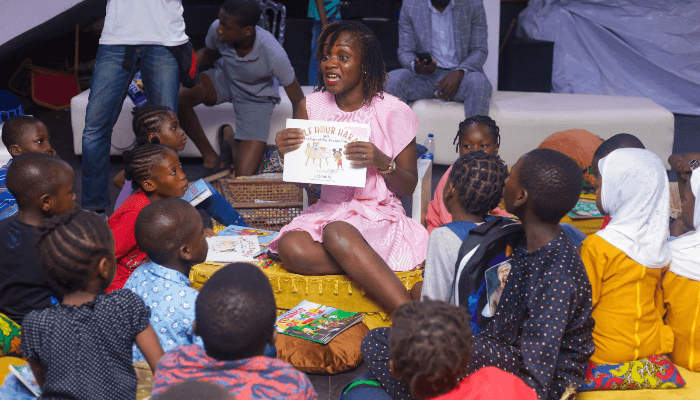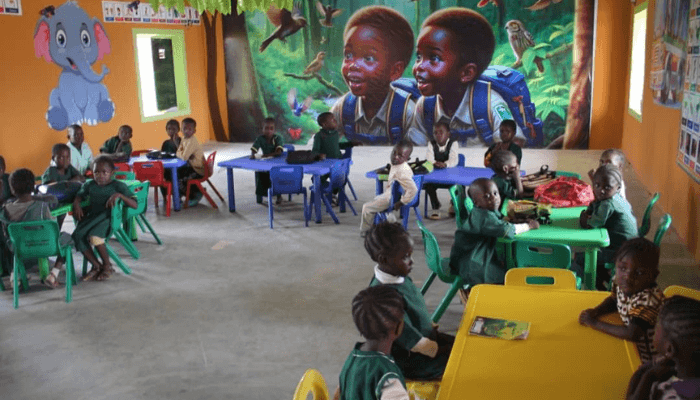
Girls’ education is one of the highest-return public investments any government can make. Yet across many Nigerian states, funding for girl’s educations remain too low to keep girls in school, improve learning outcomes and expand access to education.
Nigeria’s ambition to build a globally competitive economy will remain difficult to achieve if millions of girls continue to be denied quality education. Evidence shows that investing in girls’ education is not only a social imperative but an economic one. The World Bank estimates that countries lose between US$15 trillion and US$30 trillion in lifetime productivity and earnings because girls are unable to complete 12 years of education.
Public budgets determine whether those losses continue or are reversed. Every budget cycle presents governments with difficult choices about where scarce public resources should go. Yet few investments generate returns as profound and enduring as educating girls. Beyond improving individual life outcomes, it strengthens human capital, raises labour productivity, reduces poverty, improves health indicators, promotes gender equality, and drives long-term economic growth.
Unfortunately, public financing for girls’ education has yet to reflect its strategic importance.