Every nation possesses an underlying theory of prosperity. Singapore built industries. South Korea bet on technology. China transformed manufacturing into an economic superpower. Across history, the countries that escaped poverty did so by making deliberate investments in productivity, innovation and infrastructure. Every generation inherited that vision and expanded upon it.
Nigeria, however, appears to have developed something altogether different. We have gradually embraced a new economic philosophy, one where the distance between hardship and prosperity is measured not by the strength of our institutions, but by the space between a frying pan, a charcoal grill and a small patch of land behind the house. It is a philosophy sustained by countless motivational speeches, television interviews and social media sermons, all repeating the same reassuring message. Economic transformation is always just one side hustle away.
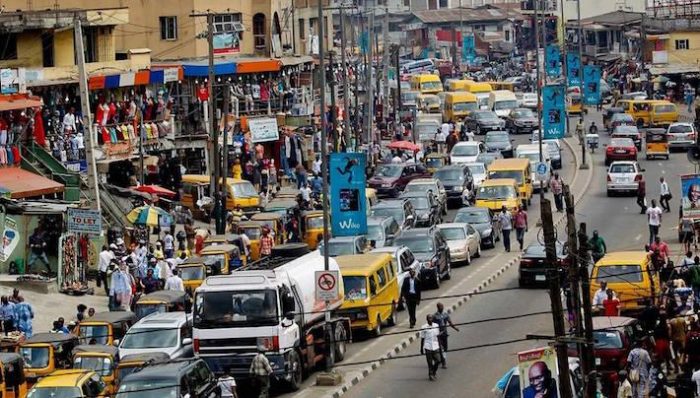
It is a philosophy built on optimism, and optimism has always been one of Nigeria’s greatest resources. Give Nigerians a challenge and they will search for an opportunity. Give them uncertainty and they will find a way to survive. Across markets, workshops and small businesses, millions of citizens have demonstrated an extraordinary ability to create something out of almost nothing.