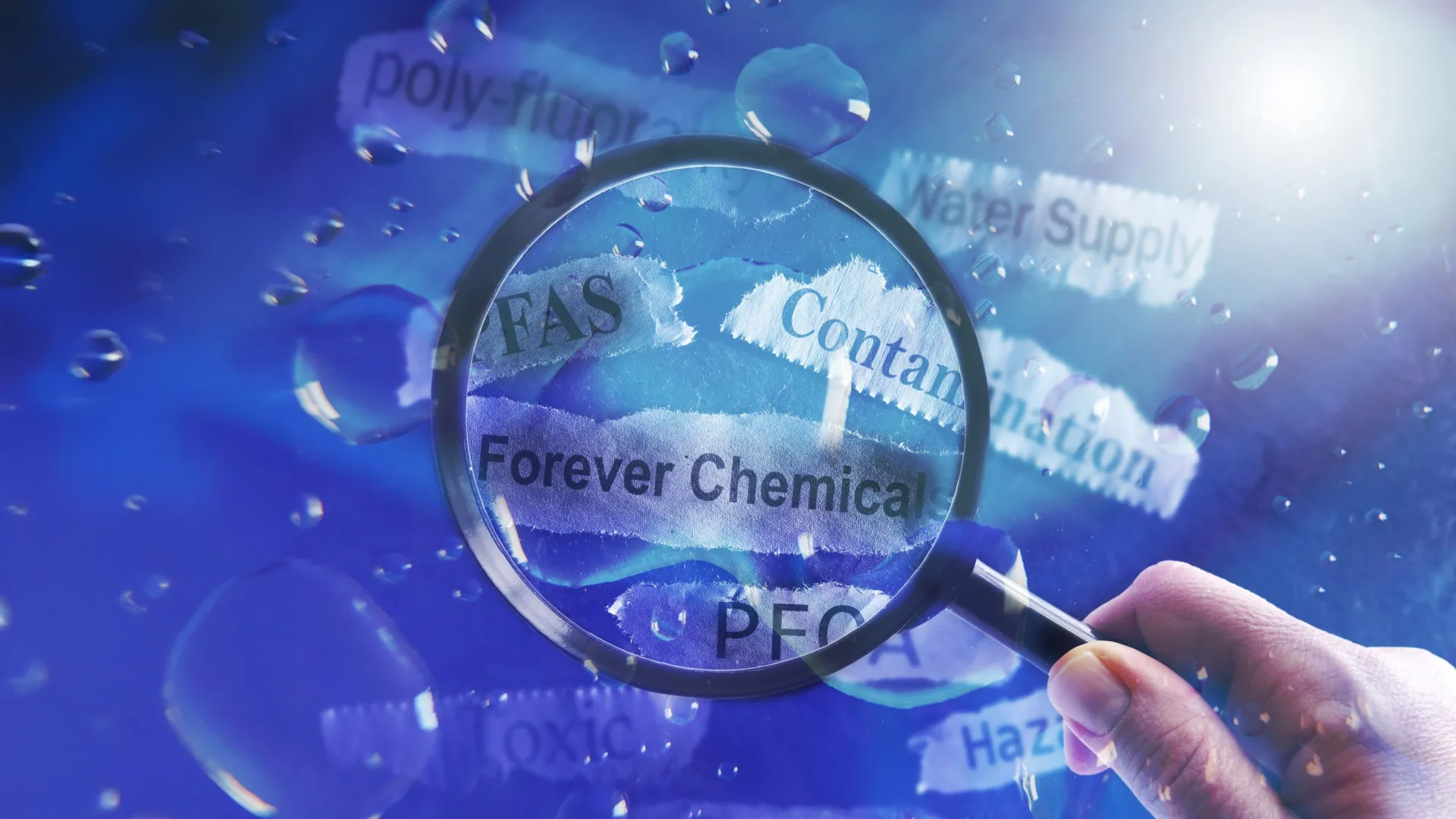
Researchers at the Helmholtz-Zentrum Dresden-Rossendorf (HZDR) are testing two technologies designed to destroy per- and polyfluoroalkyl substances (PFAS), a vast family of industrial chemicals known for resisting natural and conventional breakdown processes.
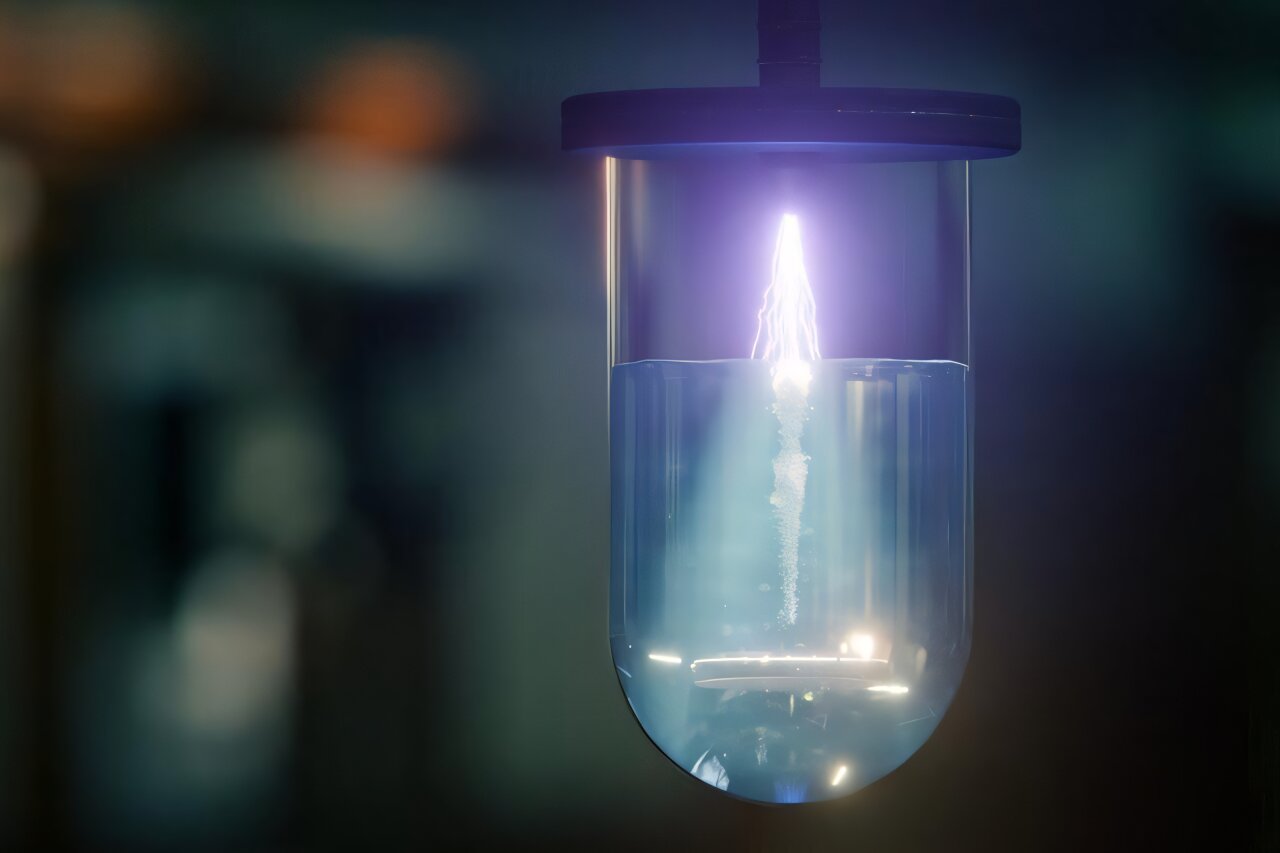
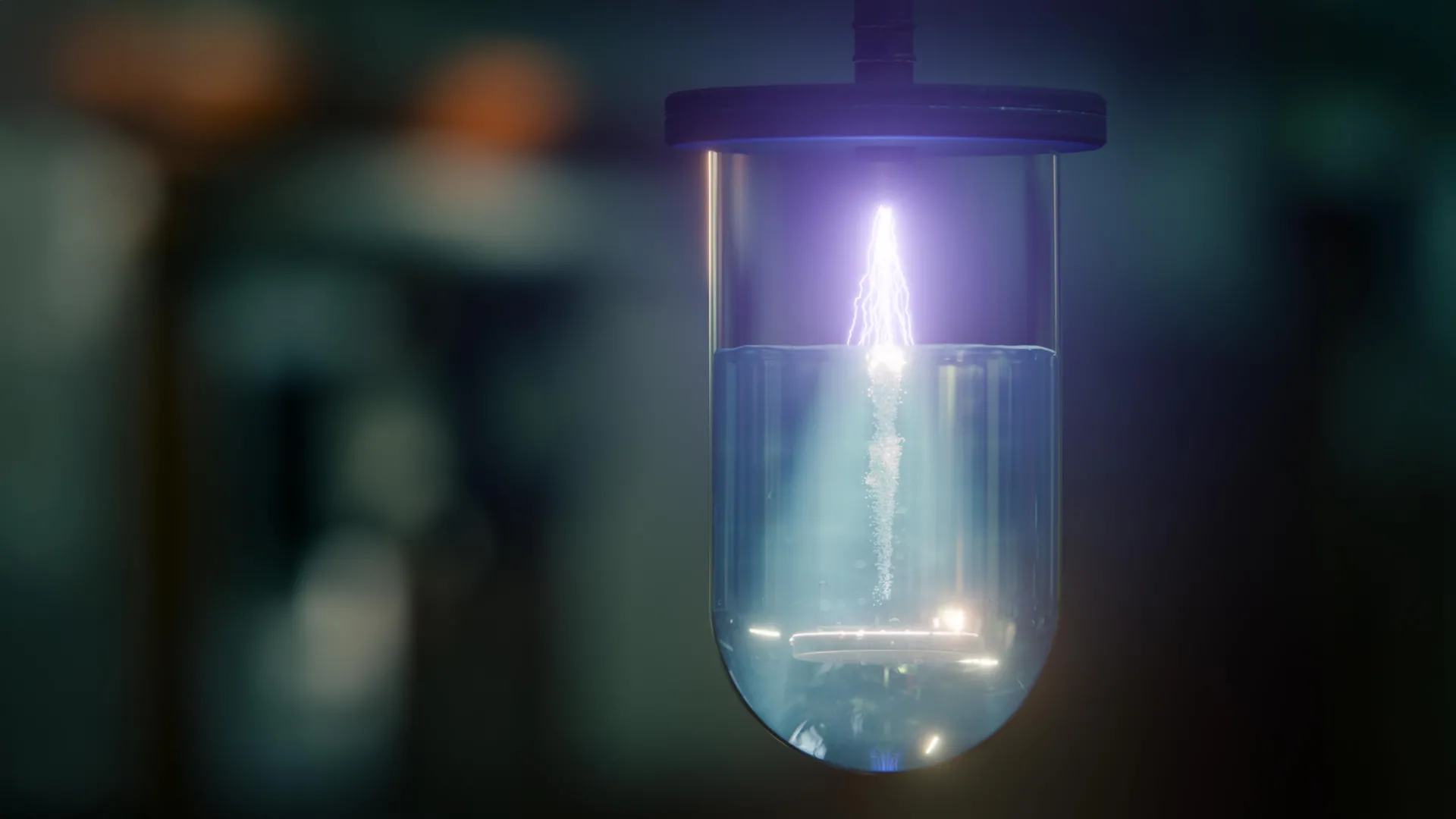
The first approach uses hydrodynamic cavitation, which creates and collapses tiny vapor bubbles in contaminated water. The second combines cold atmospheric plasma with gas dispersion. Analyses performed by specialists at the Helmholtz Centre for Environmental Research (UFZ) confirmed that PFAS molecules were being degraded and that fluoride was released during treatment.
Once the technologies are sufficiently developed for commercial use, they could help industries treat contaminated wastewater before it reaches rivers, lakes, and oceans.
Why PFAS Are So Difficult to Destroy
Some PFAS are suspected of damaging genetic material and raising cancer risk, although the biological effects of many compounds in this group are still poorly understood. More than 10,000 short-chain and long-chain industrial chemicals are classified as PFAS.