view more
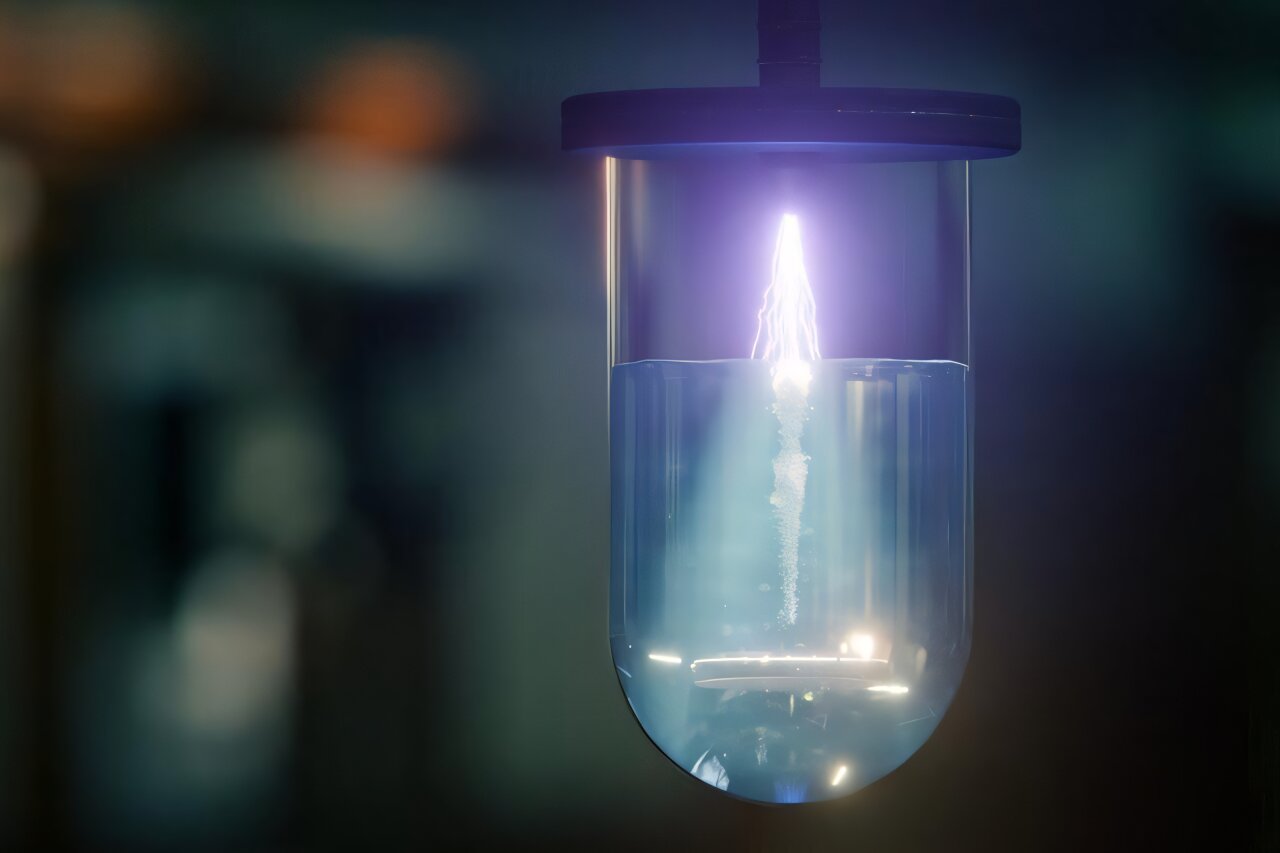
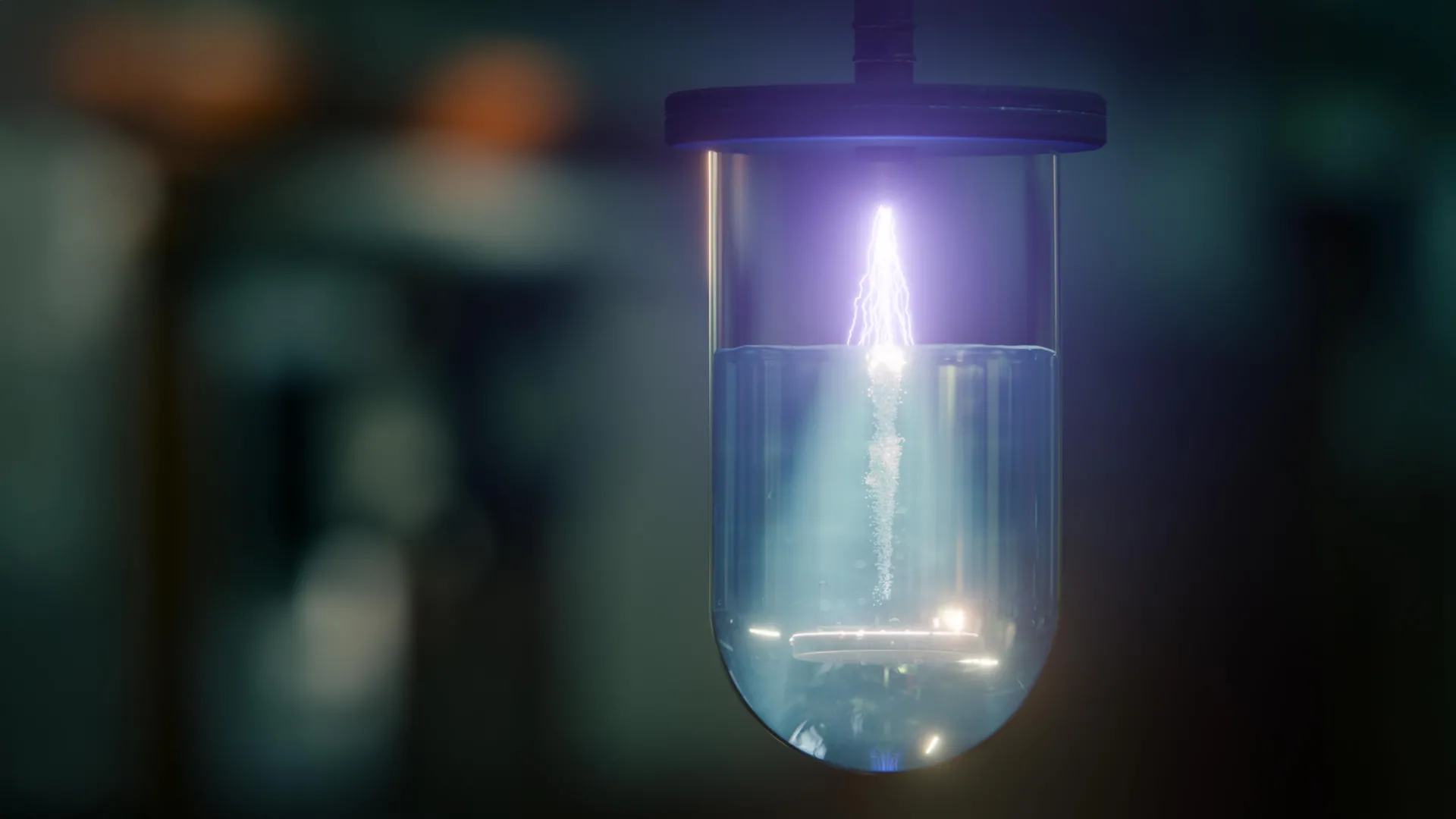
Researchers at the Helmholtz-Zentrum Dresden-Rossendorf (HZDR) have developed two new processes: Using hydrodynamic cavitation and cold atmospheric plasma combined with gas dispersion, they are looking to break down per- and polyfluoroalkyl substances (PFAS), industrial chemicals that are extremely resistant to chemical degradation. To support this effort, experts from the Helmholtz Centre for Environmental Research (UFZ) ran analyses that confirmed the degradation of PFAS and the release of fluoride. Once they reach market maturity, these processes could be used in industry, significantly reducing the release of PFAS into bodies of water (DOI: 10.1038/s41598-026-57490-6; DOI: 10.1016/j.ceja.2026.101046).
While some PFAS are suspected of altering genetic material and increasing the risk of cancer, the biological effects of many others remain unknown. This group of substances comprises more than 10,000 short- and long-chain industrial chemicals which owe their exceptional chemical resistance to their highly stable carbon-fluorine bonds. PFAS enter rivers and oceans via wastewater and are spreading worldwide. High concentrations of PFAS have also recently been detected in the Elbe River – a potential health hazard to plants, animals and humans alike.