HomeAI · summaries
Storia in 2 fonti
New solutions to the PFAS problem
Researchers at the Helmholtz-Zentrum Dresden-Rossendorf (HZDR) have developed two new processes: Using hydrodynamic cavitation and cold atmospheric plasma combined with gas dispersion, they are looking to break down per- and polyfluoroalkyl substances (PFAS), industrial chemicals that are extremely resistant to chemical degradation. To support this effort, experts from the Helmholtz Centre for Environmental Research (UFZ) ran analyses that confirmed the degradation of PFAS and the release of fluoride. Once they reach market maturity, these processes could be used in industry, significantly reducing the release of PFAS into bodies of water (DOI: 10.1038/s41598-026-57490-6; DOI: 10.1016/j.ceja.2026.101046).
Confronto fonti
2 prospettive sulla stessa storiaTimeline cronologica
- ·
eurekalert.org

New solutions to the PFAS problem
Researchers at the Helmholtz-Zentrum Dresden-Rossendorf (HZDR) have developed two new processes: Using hydrodynamic cavitation and cold atmospheric plasma combined with gas…
- ·
phys.org
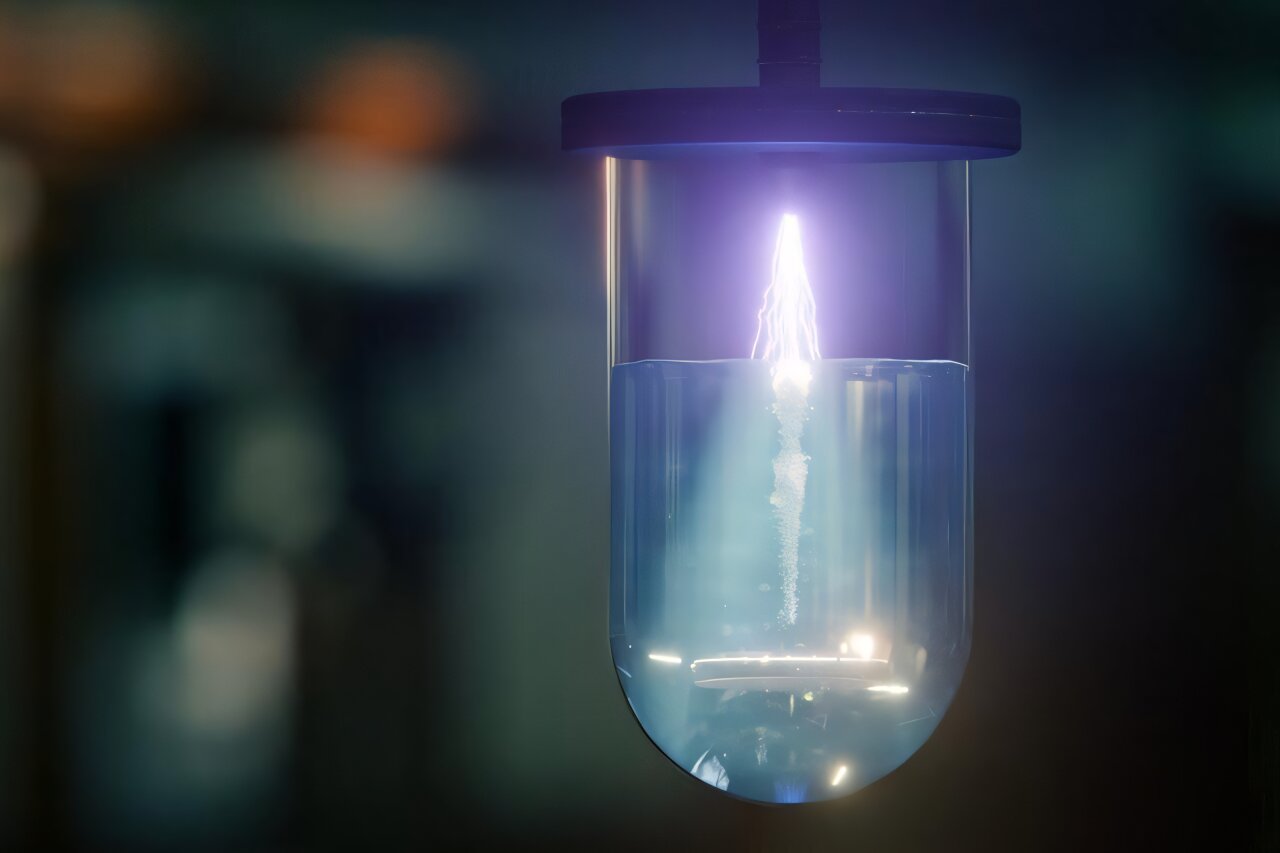
Researchers develop methods for breaking down forever chemicals
Researchers at the Helmholtz-Zentrum Dresden-Rossendorf (HZDR) have developed two processes—hydrodynamic cavitation and cold atmospheric plasma combined with gas dispersion—to…