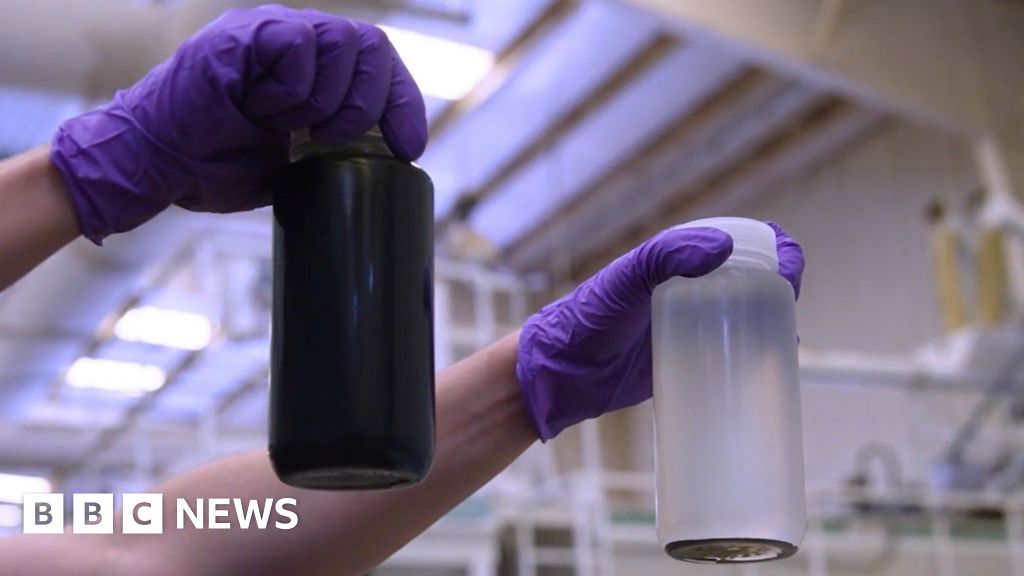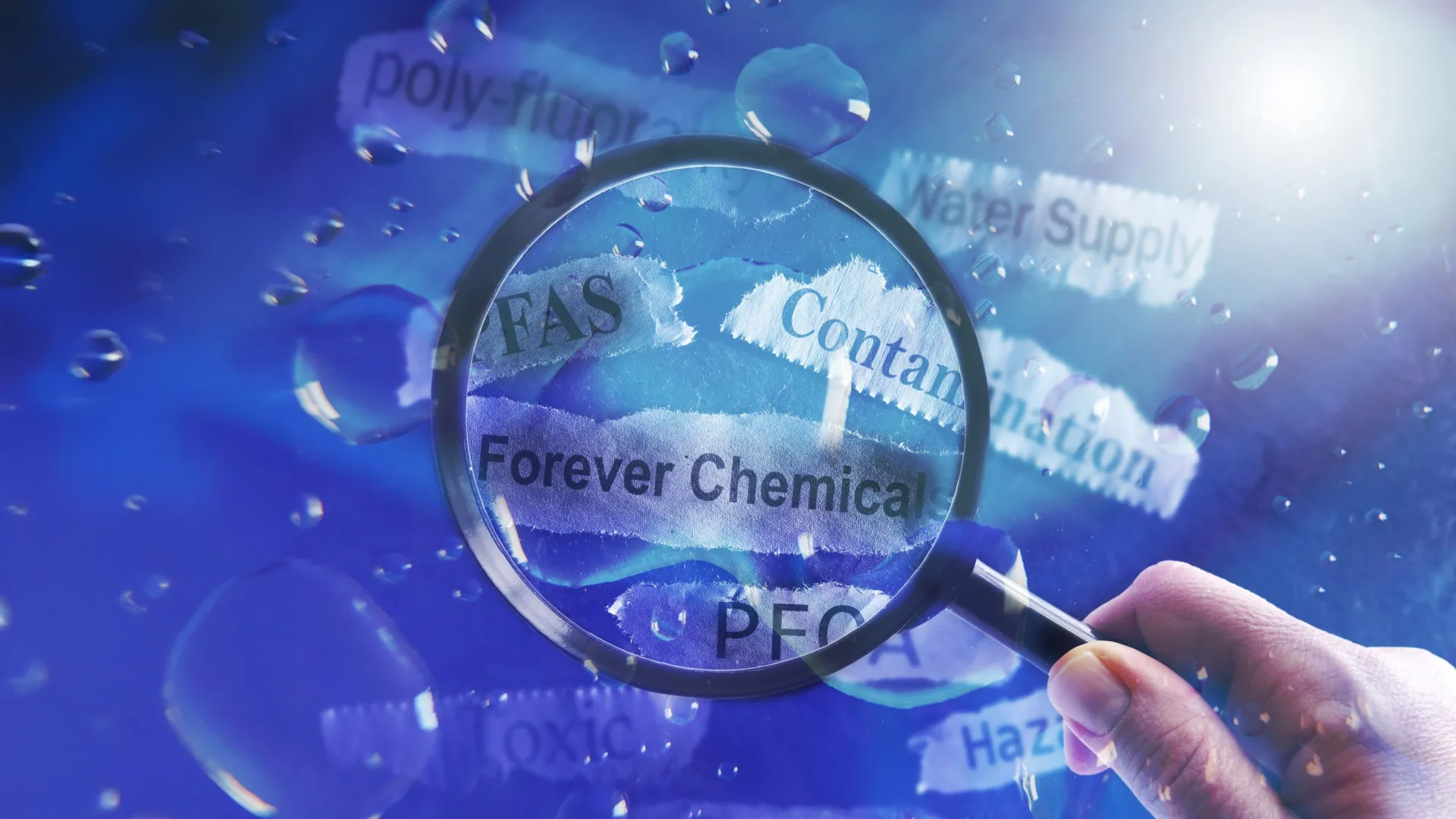
PFAS, widely known as "forever chemicals," are among the most stubborn pollutants scientists face today. Because these compounds are extraordinarily stable, they can remain in water supplies, ecosystems, and even the human body for decades. Their persistence has made PFAS contamination a growing environmental and public health concern around the world.
Now, researchers have uncovered an important clue that could help improve efforts to eliminate these chemicals.
New Clue in the Fight Against PFAS Pollution
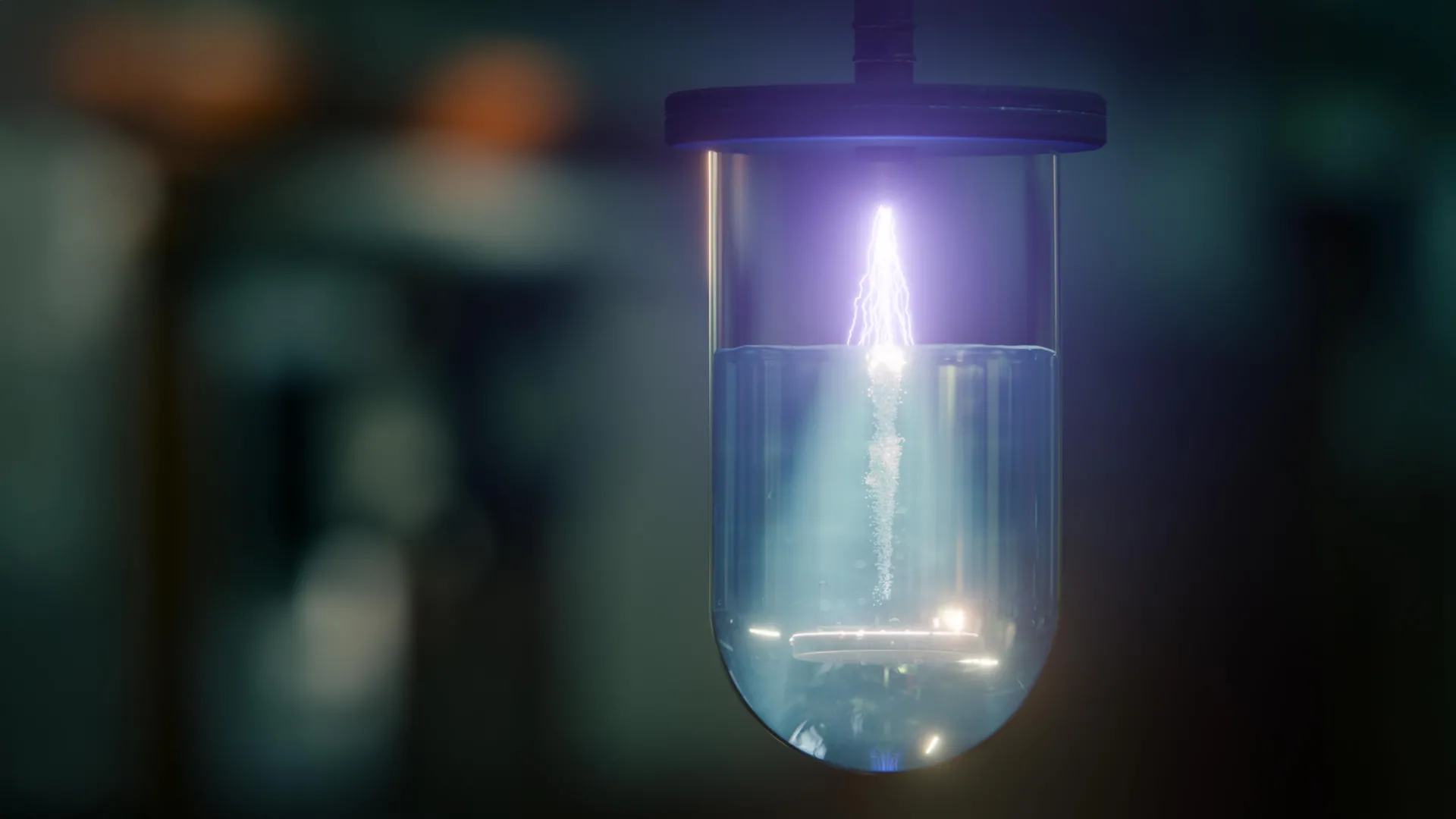
A new study shows that PFAS can be broken down using intense light without the need for added chemicals. More importantly, the researchers identified the key process responsible for the breakdown.
The team found that hydrogen radicals, highly reactive particles generated from water when exposed to ultraviolet (UV) light, play a central role in destroying PFAS molecules.