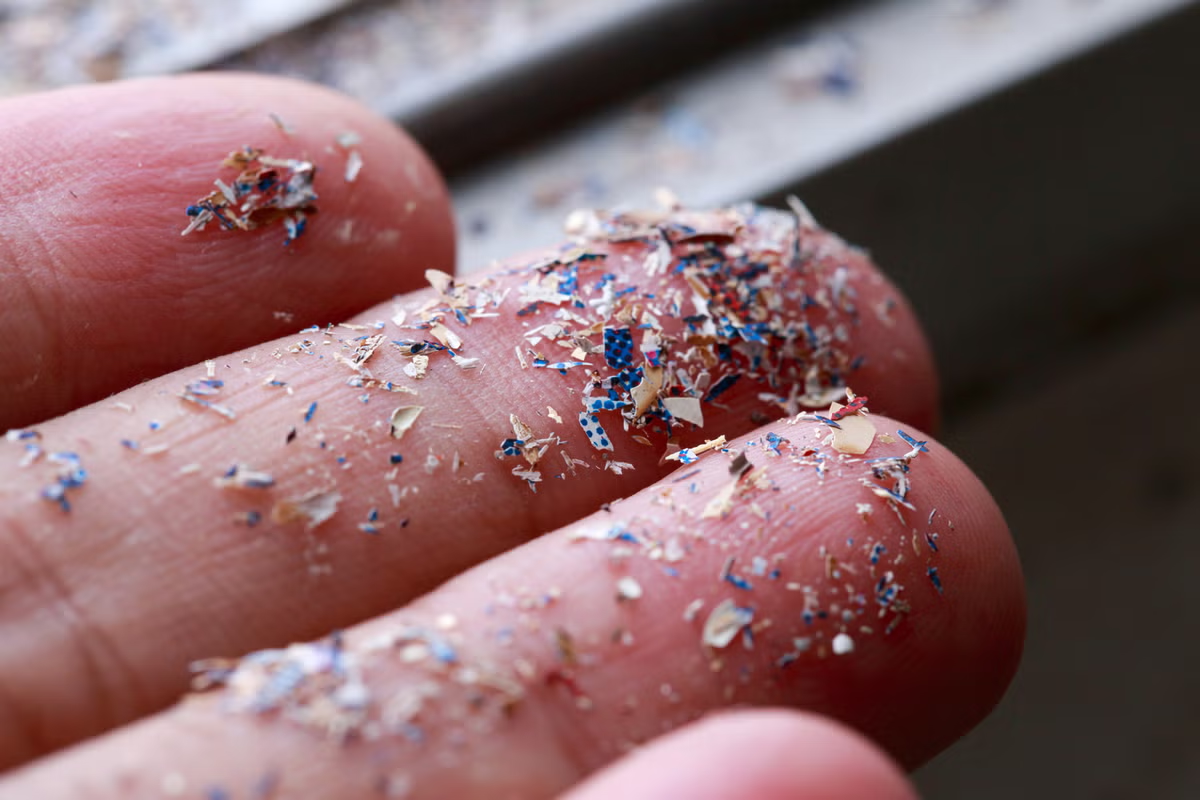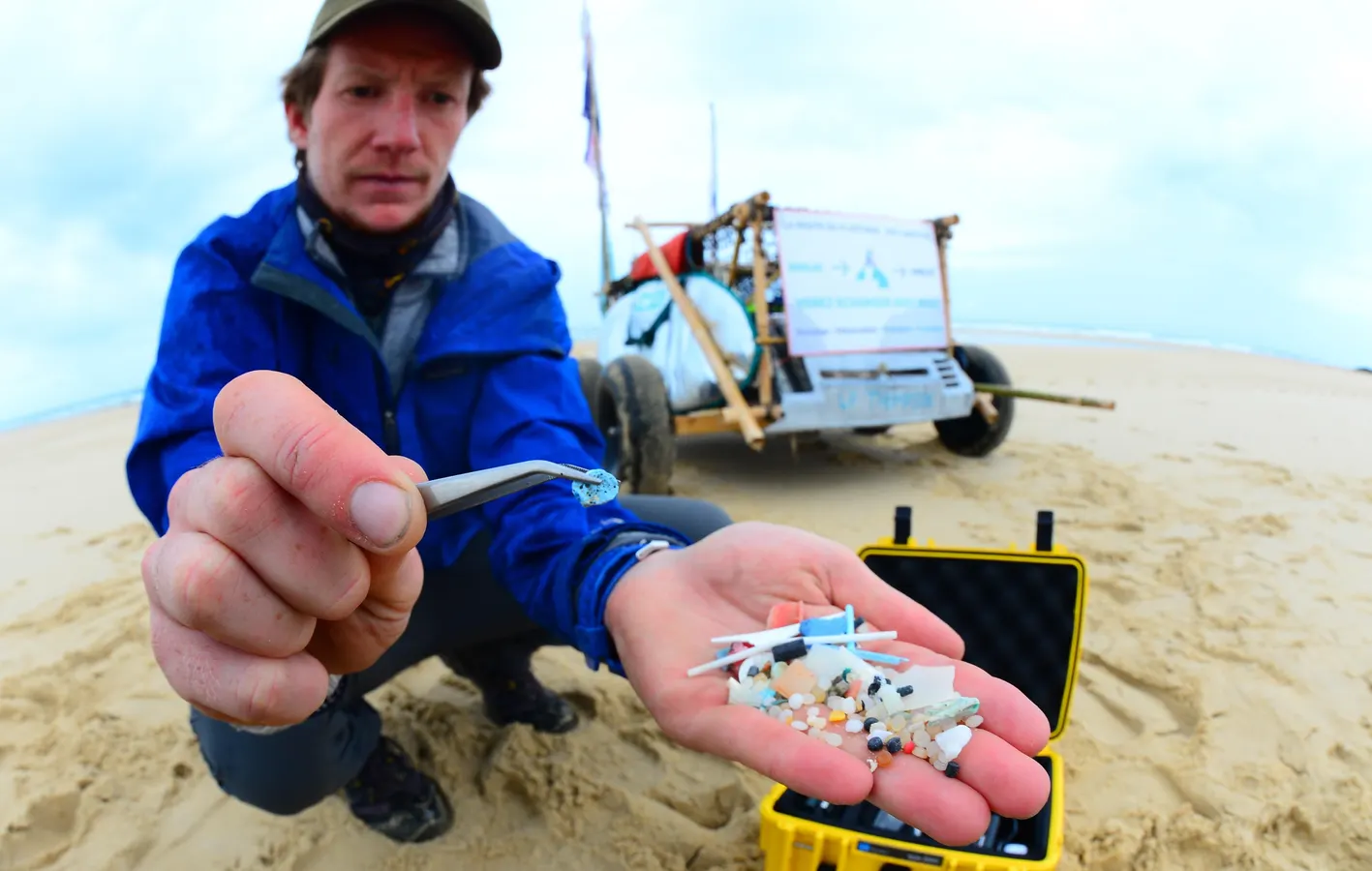
Scientists around the world have been searching food, water and other environmental media for microplastics and for per- and polyfluoroalkyl substances (PFAS). But microfluoroplastics (MFPs), the intersection between these two fields, have received much less attention.
Now researchers have developed new procedures to extract and measure microplastic particles from six different fluoropolymers. The research team detected all six types—four for the first time—in archived spectra of dust, suspended particulate and sediment samples. The MFPs overall comprised roughly 2%–8% of the total microplastics reflected in those spectra. The research is published in the journal Environmental Science & Technology.
Chu Peng at Nankai University and his colleagues realized that scant attention had been paid to MFPs when they set out to measure them and found no reference spectra beyond that of polytetrafluoroethylene (PTFE). Subsequently, they began collaborating with the technical department of Agilent China to prepare a library of reference spectra for six fluoropolymers: PTFE, polyvinylidene fluoride (PVDF), PVDF-hexafluoropropylene copolymer (PVDF-HFP), polytrifluorochloroethylene (PCTFE), ethylene chlorotrifluoroethylene (ECTFE) and fluorinated ethylene propylene (FEP).