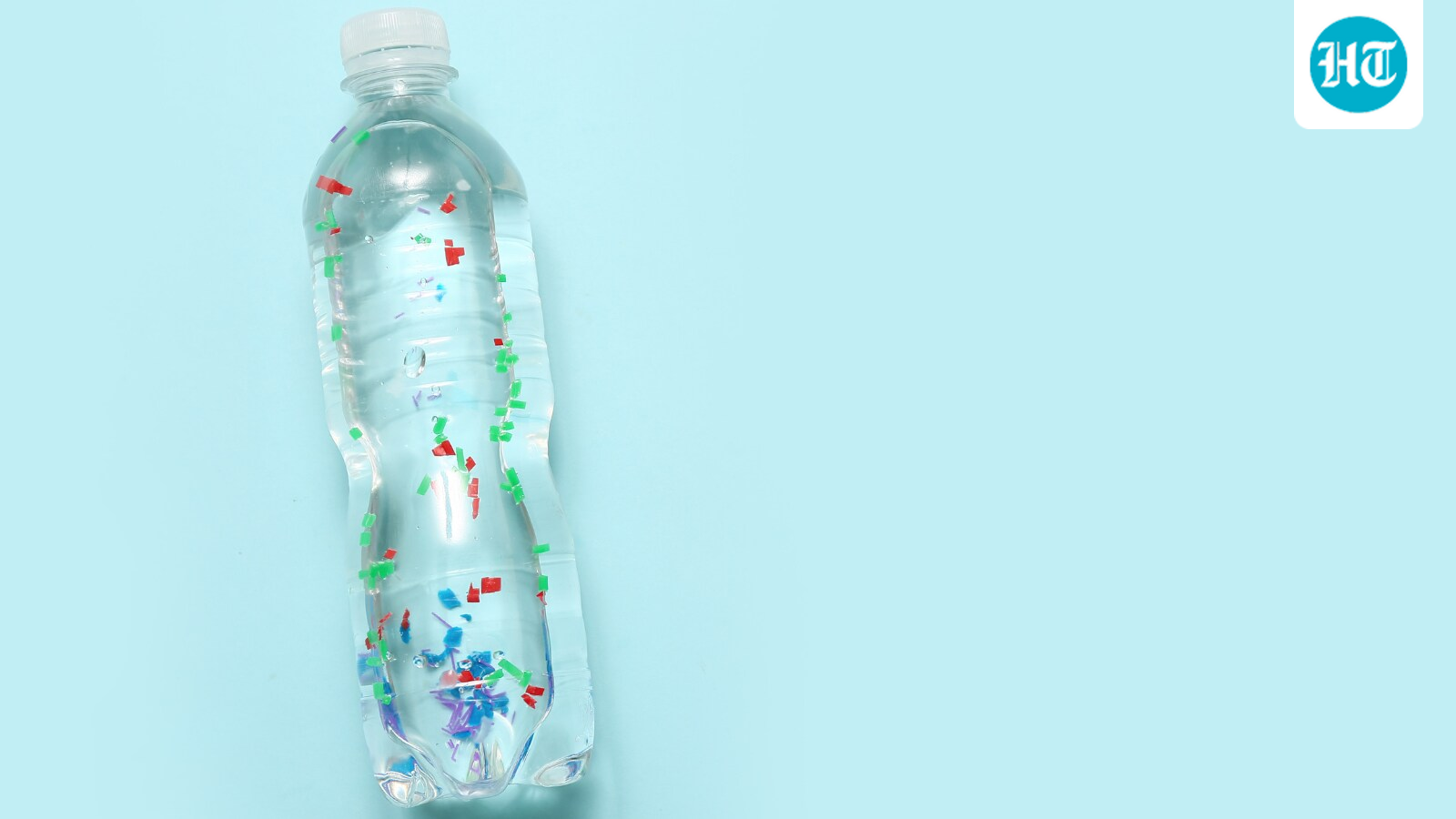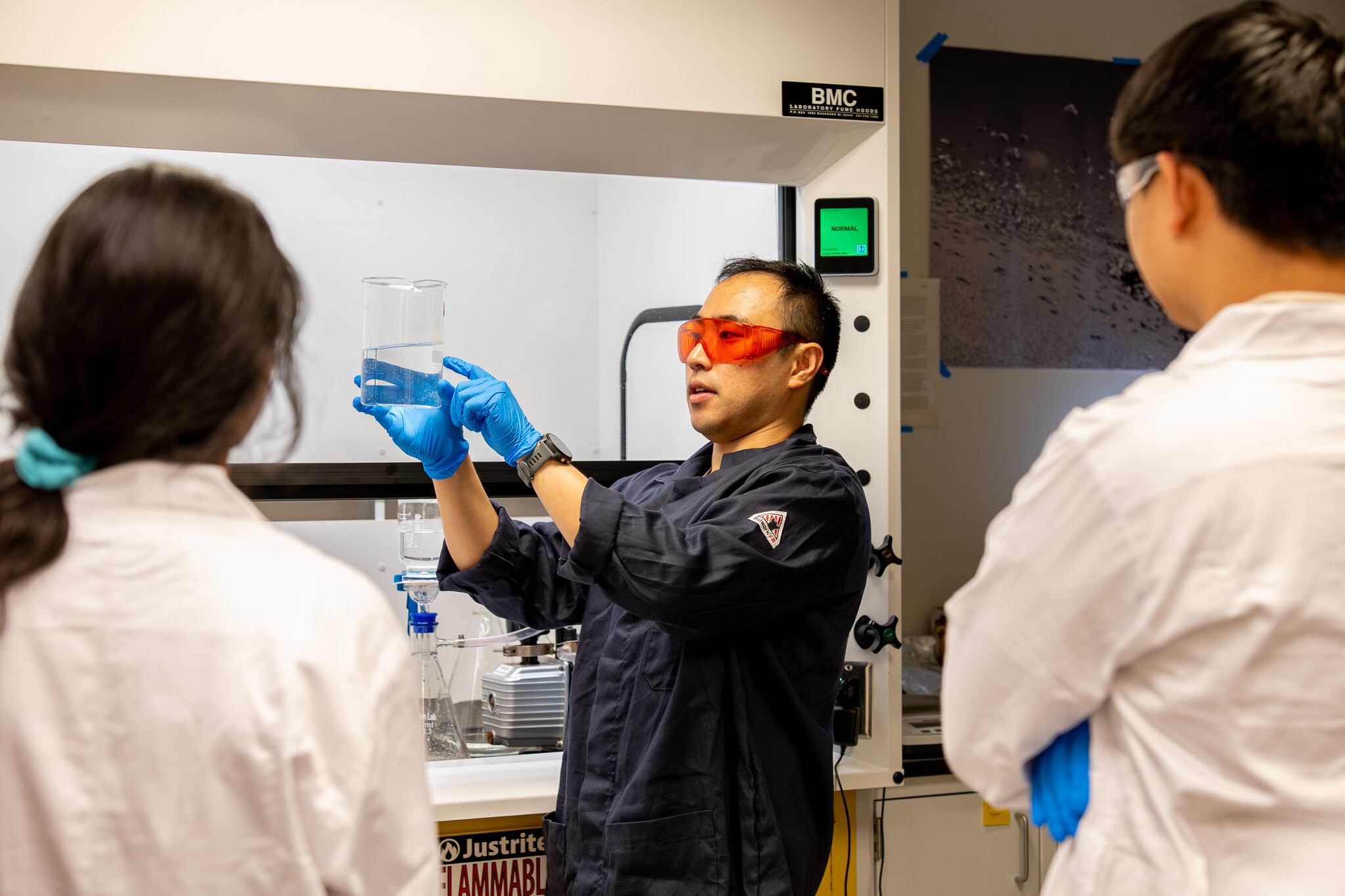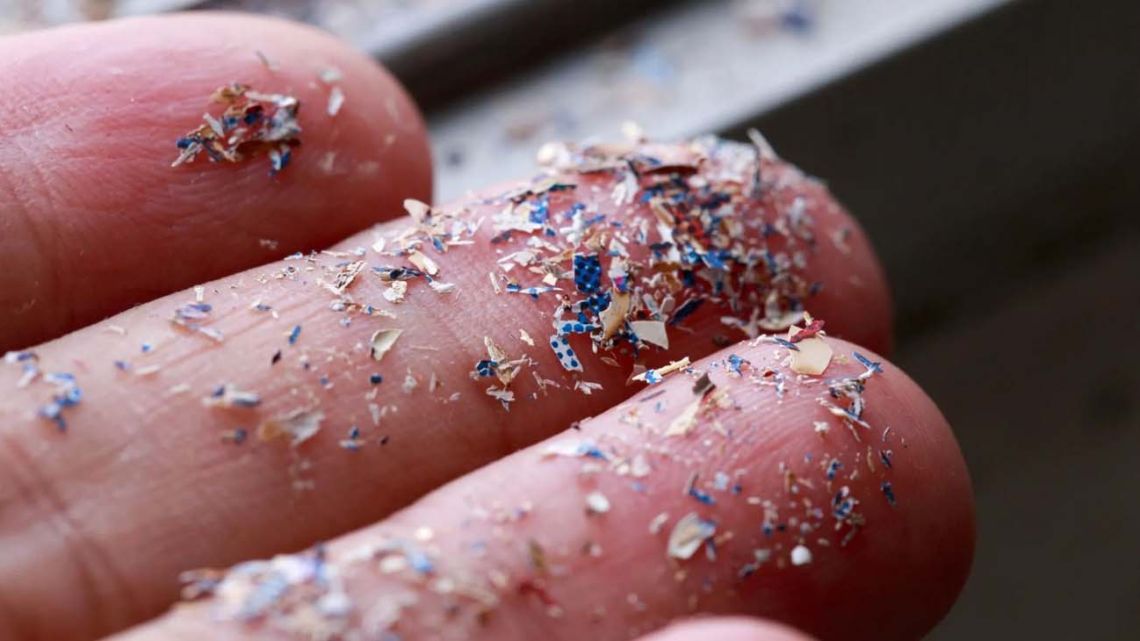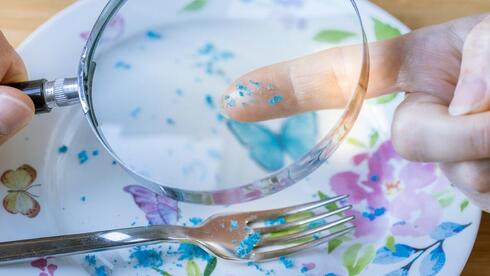
Microplastics are already found throughout the home, from the air we breathe to the food we eat; Dr. Ophir Lavon of Carmel Medical Center explains how to reduce daily exposure without avoiding plastic entirelyWe are used to thinking of microplastics as a problem linked to water bottles or synthetic clothing, but in recent years it has become clear that the picture is much broader: Tiny plastic particles are found almost everywhere in the home — in the air we breathe, in dust that accumulates on the floor, in kitchenware and even in everyday cleaning products.According to recent studies, most of our exposure to microplastics actually occurs indoors, where the concentration of particles in the air may be higher than outside. The bad news is that it is almost impossible to avoid exposure entirely. The good news: There are quite a few simple steps that can help reduce it.GalleryMicroplastics are already found in almost every corner of the home — from the air to the kitchen and even in our food (Photo: Shutterstock)“It is important to understand that the term ‘plastic’ is very broad, and refers to a large group of different materials,” explains Dr. Ophir Lavon, director of the Clinical Pharmacology and Toxicology Unit at Carmel Medical Center, part of Clalit Health Services. “The basis of plastic is a polymer — a material made up of repeating units that originate in the petrochemical industry, meaning oil and fuel. The polymer itself is usually not the most problematic part. The problem begins with the additives.”According to Lavon, “About 50% of a plastic product is made up of additives — substances that give it properties such as flexibility, rigidity or color. Some of these additives may be more toxic, which is why they are the main focus of concern.” He stresses that this is not an “all or nothing” issue. “Plastic also has many advantages, so the goal is not to avoid it completely, but to manage the risks wisely. When you understand where exposure is more significant, you can reduce it effectively.”One of the lesser-known sources of microplastics is a basic cleaning product found in almost every home. A 2024 study published in the journal Environmental Science & Technology found that melamine sponges, commonly known as “magic sponges,” release microplastic fibers during regular use.Dr. Ophir Lavon Photo: Eli Dadon, Carmel Medical CenterTo test this, researchers examined three types of sponges and recreated intensive scrubbing conditions in the lab. Each sponge underwent about 200,000 rubs over roughly 1,000 minutes, at a rate of 100 cycles per minute and over a total distance of about 2.8 kilometers. At the end of the process, the released particles were collected, filtered and examined using microscopic and chemical methods.The findings were clear: During use, the sponges wear down and break apart into tiny fibers measuring 10 to 405 micrometers in length. Each gram of worn material released about 6.5 million microplastic fibers, and in some cases the quantities were similar to, or even higher than, those released by synthetic fabrics.So how does this happen in practice? Although the sponge feels soft to the touch, its internal structure is quite rigid and acts like very fine sandpaper. During cleaning, that network gradually wears down: The internal skeleton bends and breaks under friction, while the material itself also undergoes chemical breakdown, accelerating the formation of particles.The 'magic sponge' also wears down and releases microplastics during cleaning (Photo: Shutterstock)What can be done to reduce this? First and foremost, it is recommended to avoid aggressive scrubbing, especially on rough surfaces that increase wear on the sponge. It is also preferable to choose more durable sponges that do not break apart quickly, reducing how often they need to be replaced. Those who want to go a step further can consider switching to simpler alternatives, such as natural scrubbers or cotton cloths, which may reduce the release of plastic fibers during cleaning.One of the main sources of exposure to microplastics is the air inside the home. Tiny particles are constantly released from clothing, furniture, carpets and curtains — especially from synthetic fabrics that wear down through daily use. These particles disperse into the air and settle into household dust, meaning that in practice we both breathe them in and come into contact with them without noticing.A study published in 2025 in the journal PLOS ONE suggests that a person may inhale tens of thousands to hundreds of thousands of microplastic particles a day, and even millions each year. A large share of this exposure comes from household dust, where tiny plastic fibers accumulate and are stirred up again with every movement — for example, while cleaning or even simply walking around the house.According to Dr. Lavon, this is also the main route by which the particles enter the body. “We are exposed to microplastics not only through direct contact, but mainly through air, food and water,” he explains. “The smaller the particles are, the more dangerous they are, because they can be absorbed into the body and even penetrate cells.”So what can be done to reduce exposure? Regular ventilation of the home is one of the simplest and most effective steps, because it helps dilute the concentration of particles in the air. It is also recommended to vacuum frequently, preferably using a vacuum cleaner with a special HEPA filter that can trap smaller particles. In addition, wherever possible, it is worth reducing the use of carpets and synthetic fabrics, which tend to release more tiny fibers over time.Air conditioning does not necessarily help reduce exposure, either. Studies have found that microplastic particles tend to accumulate on air-conditioning units, and when the air conditioner is operating they may be dispersed back into the room. Moreover, a study published in 2024 found higher concentrations of microplastics in air-conditioned rooms compared with rooms without air conditioning. Therefore, despite the comfort, it is recommended to combine air conditioner use with regular ventilation and frequent cleaning of filters.Synthetic clothing such as polyester and fleece is one of the main sources of microplastic release in the home. With every wash, and even during daily wear, these fabrics emit tiny fibers that are almost invisible to the eye. Some of these fibers are washed away with the water into the sewage system, while others disperse into the air inside the home and join the dust we breathe.A 2019 study published in Scientific Reports, part of the Nature portfolio, found that washing synthetic clothing is one of the main sources of microplastics in the environment, with hundreds of thousands to millions of tiny fibers released in each wash.Synthetic clothing emits tiny fibers with every wash (Photo: Shutterstock)So how can this be reduced? First, it is recommended to wash clothes only when truly necessary, rather than automatically, in order to reduce fabric wear. It is also better to run the machine when it is full, because a higher load reduces friction between garments and therefore lowers the amount of fibers released.When possible, drying clothes outdoors is preferable to using a dryer, which may also increase the release of particles into the air. Finally, those who want to go a step further can consider switching to natural fabrics such as cotton or linen, which break down differently and do not release plastic fibers.This trend does not stop with clothing. “Today we see more and more parents choosing wooden toys instead of plastic ones,” says Dr. Lavon. “It is part of a broader approach aimed at reducing exposure to synthetic materials — especially among children.”Food and beverages are another source of exposure to microplastics, often without us noticing. Tiny particles can transfer into food and drinks from plastic packaging, disposable containers and contact with various surfaces during preparation and storage. In addition, certain products we consume as part of our daily diet, such as chewing gum, which is often based on synthetic polymers, may be another source of exposure.According to studies reviewed on the subject, heat is one of the main factors that increases the release of microplastics. That means everyday actions such as heating food in plastic containers in the microwave or drinking hot beverages from disposable cups may increase exposure.Microplastics can enter the body through air, food and water, and because of their tiny size, they may be absorbed into tissues and affect cells (Photo: Shutterstock)“It is important to understand that this is not black and white,” says Dr. Lavon. “There are different types of plastic, and some are better suited to certain uses, such as heating, but most people have no simple way to distinguish between them. Therefore, the recommendation is to reduce heating food in plastic containers as much as possible, and to prefer glass or stainless steel when possible. In general, to reduce exposure, we first need to reduce the amount of plastic around us — and where there is an alternative, it is better to use glass or metal, which are considered safer.”Along those lines, reducing the use of disposable dishes can help not only environmentally, but also in lowering the amount of particles that enter the body over time. “There is particular importance in reducing the use of disposable plastic,” Dr. Lavon stresses. “The more these products are used, the more they are produced — and with that come environmental damage and exposure for all of us. Switching to reusable alternatives or biodegradable materials is one of the most effective steps we can take.”Even in cases where there is no choice but to use a disposable product, there are better alternatives. “Today there are products made from biodegradable materials, such as dishes made of thick paper or other materials that break down better than plastic,” Lavon says. “In such cases, that is a preferable solution.”Heating food in plastic containers may increase the release of microplastics (Photo: Shutterstock)Finally, he suggests adopting a broader approach to the use of everyday products. “It is worth pausing for a moment and asking ourselves whether we really need each product. A large part of exposure to microplastics stems from habits that are not always necessary, and reducing them can significantly lower exposure over time.”Cleaning products themselves can also be part of the problem. Cloths, wipes and certain types of sponges tend to break down over time and release tiny fibers, meaning that the act of cleaning — which is meant to keep the home clean — may in fact create additional pollution. To reduce this, it is recommended to prefer reusable cloths made of natural fabrics, avoid products that crumble quickly and clean relatively gently, without causing unnecessary wear to materials.So how dangerous is it? As of now, science still does not provide a clear-cut answer. However, studies in recent years have found microplastics in various organs in the body, including the brain, liver and blood vessels. For example, a 2025 study published in Nature Medicine identified microplastic and nanoplastic particles in human tissues, including in the brain and liver.Using disposable dishes increases exposure to plastic particles (Photo: Shutterstock)“Plastic does not really disappear from the environment — it simply breaks down into smaller and smaller particles,” explains Dr. Lavon. “Unlike organic materials that break down into their basic components, this is a process in which the material becomes micro- and nanoparticles. The smaller they are, the more available they are for absorption into the body — and therefore, they may also be more problematic.”However, Dr. Lavon emphasizes that responsibility does not rest solely with the public. “The state has a central role to play — regulation, taxation on disposable plastic and restrictions on use can have a much faster impact than a change in the behavior of a single person,” he says. “Sound environmental policy can significantly reduce exposure for the entire population.”The bottom line is that the direct link between exposure to microplastics and disease is still being studied, but it is already clear that this is a widespread phenomenon affecting our daily lives. Microplastics have long since stopped belonging only to images of polluted oceans — they are part of the routine inside the home, from clothing and dust to kitchenware and the cleaning sponge in the sink, as tiny particles are released around us all the time, often without us noticing.Although it is difficult to avoid exposure entirely, it is possible to reduce it. As in many areas related to health, this is not about one dramatic step, but rather small and simple changes in daily habits — changes that, over time, can make a significant difference.
Microplastics are everywhere at home; here’s how to cut your daily exposure
Microplastics are already found throughout the home, from the air we breathe to the food we eat; Dr. Ophir Lavon of Carmel Medical Center explains how to reduce daily exposure without avoiding plastic entirely
2,079 words~9 min read