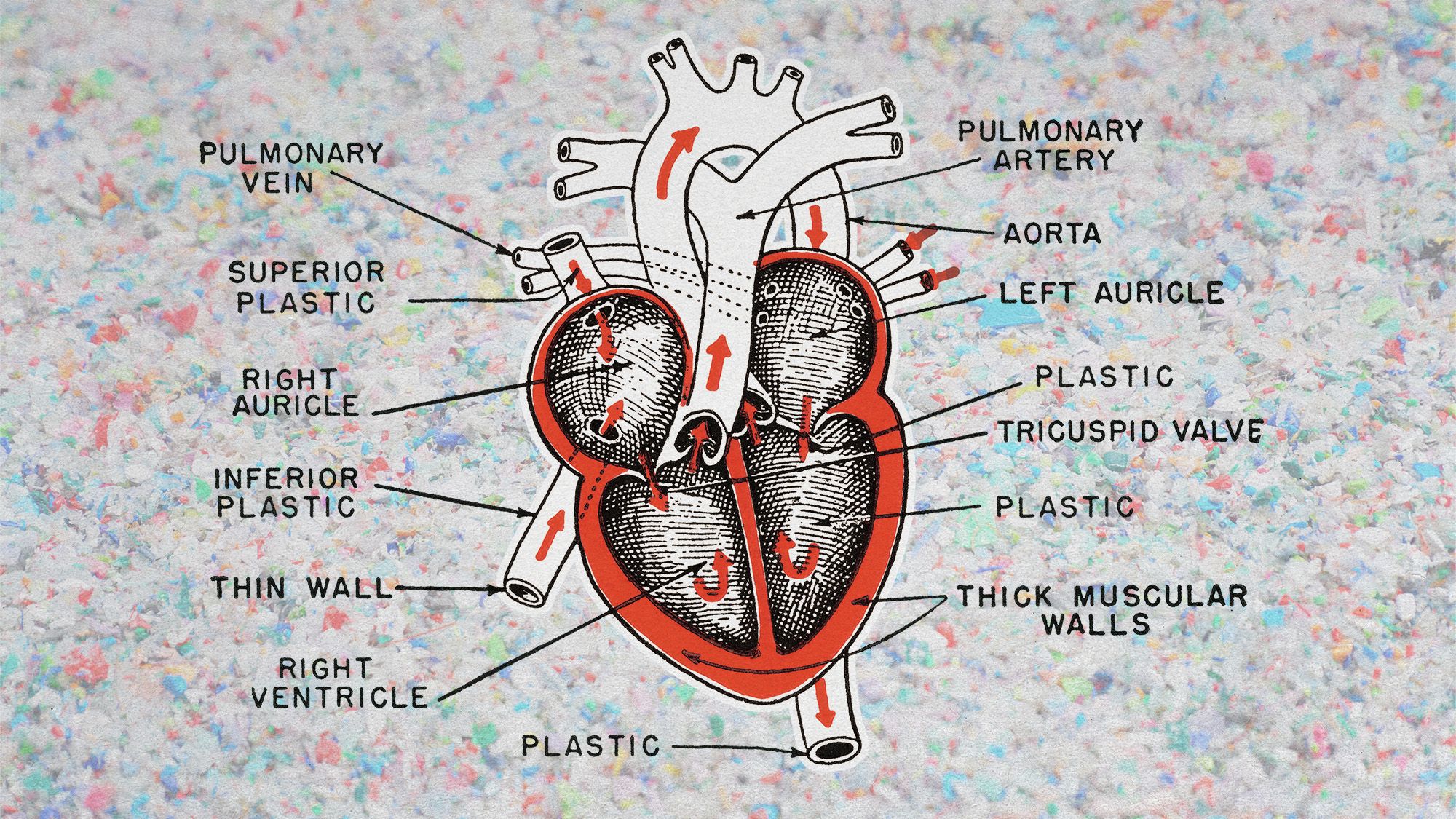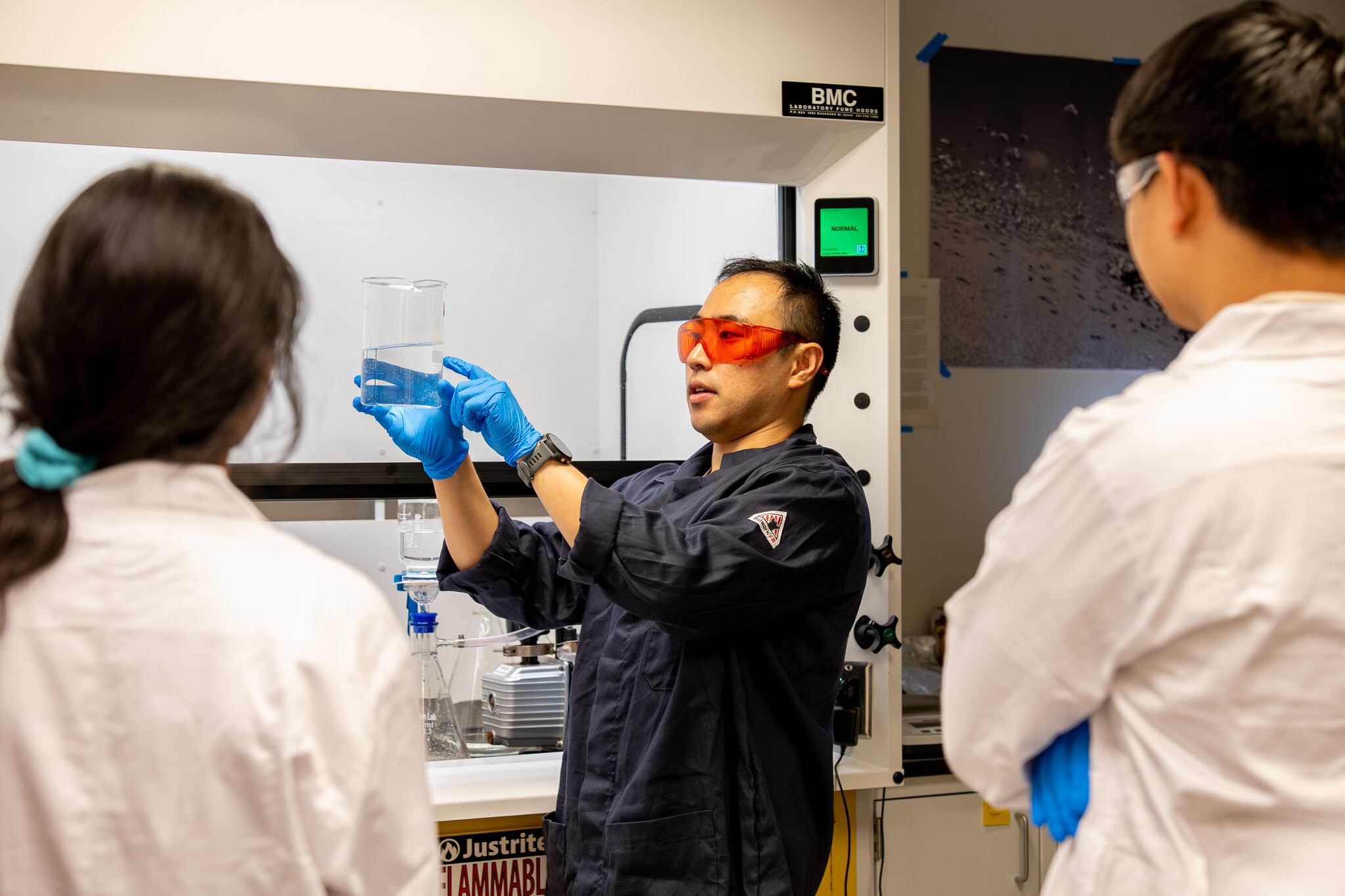
Plastic packaging is part of everyday life, including many of the foods we buy, store, and eat.gettyPlastic is so woven into modern life that most of us barely notice it anymore. It's in our homes and buildings, food packaging and takeout containers, skincare and beauty products, workout clothes and everyday fabrics. We drink from it, store food in it, wear it, cook with it, and carry it around with us.Avoiding plastic entirely isn't particularly realistic. What most of us understand far less about is what happens as plastics break down into microscopic particles that make their way into the food we eat, the water we drink, and even the air around us.Increasingly, scientists are finding evidence that those particles don't necessarily stay outside the body. Microplastics have been detected in human blood, lungs, liver, kidneys, placentas, reproductive tissues, blood vessels, and, more recently, brain tissue. Researchers are also investigating how these particles enter the body, where they travel, whether they accumulate, and how or whether the body eliminates them.What those discoveries mean for our health is still unfolding. Researchers are trying to understand how microplastics interact with human tissues, whether they accumulate over time, how—or whether—the body clears them, and what decades of everyday exposure could mean for the way our bodies function. As conversations around healthy aging increasingly shift from simply living longer to maintaining mobility, cognitive health, and quality of life, environmental exposures are becoming another part of that picture.As researchers learn more about where microplastics are turning up in the body, the questions become increasingly practical: Where are we most exposed, what might that exposure mean for our health as we age, and what can we do to protect ourselves?Where Everyday Microplastic Exposure Comes FromEveryday sources of microplastic exposure can include plastic food containers, packaging, synthetic textiles, and kitchen items such as plastic cutting boards.gettyMicroplastics aren't coming from one obvious source. They're a byproduct of a world built increasingly around plastic. Some are manufactured at microscopic sizes, while others form as larger plastics gradually break down through friction, heat, weathering, and everyday use.From there, exposure becomes surprisingly ordinary. Microplastics and nanoplastics have been detected in food and beverages, while particles can also make their way into water, household dust, and the air we breathe. Synthetic fabrics shed fibers, tires release particles as they wear against roads, and plastic food packaging and containers add other potential routes of exposure. Even the terminology can be confusing. Microplastics are generally described as plastic particles smaller than 5 millimeters, while nanoplastics are dramatically smaller. The distinction matters because their size may influence how they move through the environment—and potentially the body.That's what makes exposure so difficult to avoid. We can skip the plastic water bottle or use a glass food container, but we're still wearing synthetic fibers, breathing indoor and outdoor air, and eating food that has traveled through a plastic-heavy world.Microplastic exposure isn't simply a product problem. It's become part of our environment.What Scientists Are Finding Inside The Human BodyResearchers are using increasingly sophisticated analytical techniques to detect and study microplastics in human tissues and biological samples.gettyAs scientists have gotten better at detecting increasingly small plastic particles, the list of places they're finding them in the human body has grown. Microplastics have now been reported in the brain, heart, stomach, lymph nodes, reproductive tissues, and placenta, as well as in bodily fluids including breast milk, semen, and urine. Researchers are also studying how particles enter the body, move between tissues, accumulate, and—just as importantly—whether and how the body is able to clear them.That last question is particularly interesting because the body doesn't function as a collection of isolated parts. Blood vessels, connective tissue, extracellular fluid, the lymphatic system, organs, and the brain are part of an interconnected biological system. As research into fascia has expanded beyond the idea of simple structural wrapping, so has our understanding of how connective tissue relates to movement, fluid dynamics, and communication throughout the body.How researchers know the particles are there is also evolving. Scientists use sophisticated analytical techniques to identify and characterize tiny plastic particles in human samples, but measuring microplastics—and especially nanoplastics—is technically difficult. Methods aren't yet completely standardized, and avoiding contamination during collection and analysis matters when the very thing being measured is already ubiquitous in the environment.That's why the growing list of findings is significant, but also requires context. Detecting a particle tells researchers where it has traveled. Understanding what happens once it gets there—and whether its size, chemical composition, concentration, or length of residence changes how surrounding tissues function—is the much bigger question.Why Microplastics Are Raising New Questions About Brain HealthResearchers are investigating how micro- and nanoplastics reach the human brain, why they may accumulate there, and what their presence could mean for long-term brain health.gettyPerhaps nowhere are the latest findings generating more attention than in the brain. A 2025 study published in Nature Medicine examined postmortem samples of human brain, liver, and kidney tissue and found micro- and nanoplastics in all three. Concentrations were substantially higher in brain tissue than in the liver or kidneys, a finding that raised new questions about how these particles cross into the brain, why they may accumulate there, and what happens once they do.Brain health is increasingly moving beyond conversations about neurological disease and into the broader world of healthy aging and longevity. As awareness of Alzheimer's disease, dementia, ALS, MS, and other neurological conditions grows, so does interest in protecting cognitive health long before something goes wrong. Sleep, exercise, cardiovascular health, nutrition, hearing, and social connection are already part of that conversation. Regular movement, including something as simple as walking, has become another increasingly accessible way people are thinking about supporting long-term health.Environmental exposure may now be joining that conversation, although the science around microplastics is considerably younger. Researchers are investigating whether these particles can contribute to inflammation, oxidative stress, vascular changes, or other biological effects that could matter to the brain. What they have not established is that microplastics cause Alzheimer's disease, dementia, or other neurological conditions.That distinction matters, particularly as dramatic headlines race ahead of an emerging field of research. The fact that plastic particles can reach the human brain is significant on its own. What their presence ultimately means for brain health is the question scientists are now trying to answer.What We Still Don't Know About Microplastics And HealthAs plastics break down in the environment, researchers are still working to understand how particle size, composition, accumulation, and long-term exposure may affect human health.gettyFor all the attention microplastics are receiving, some of the most basic questions about their effects on human health remain unanswered. Scientists still don't know how much exposure matters, whether particles accumulate indefinitely or can eventually be cleared, or what decades of exposure might mean as we age.Size may matter, too. Nanoplastics are small enough to behave differently from larger microplastics, potentially allowing them to reach places in the body that larger particles cannot. Researchers are also investigating whether the type of plastic matters, along with its chemical composition, shape, concentration, and the length of time particles remain in particular tissues. The science of microplastics and human health is still developing, and even the methods used to detect and measure these particles continue to evolve.Then there's the challenge of separating association from causation. Studies can show that microplastics are present in human tissues, and laboratory research can help scientists investigate how particles interact with cells. But connecting those findings to specific health outcomes in people—particularly after years or decades of exposure—is considerably more complicated.That uncertainty can easily be interpreted in two very different ways: that microplastics are an impending health catastrophe, or that there's nothing to worry about until scientists can prove otherwise. The evidence doesn't support either conclusion yet. What it does support is paying attention as researchers work to understand what lifelong exposure may mean.How To Reduce Microplastic Exposure Without Becoming ObsessiveReducing microplastic exposure doesn't require eliminating plastic altogether. Simple changes, such as choosing glass for food storage when convenient, can help reduce everyday exposure.gettyMicroplastic exposure is nearly impossible to avoid. But reducing it may be possible. Avoid heating food in plastic when possible, use glass or stainless steel for food and beverages when convenient, and reduce household dust through regular cleaning and ventilation. Water filtration may also help reduce some microplastics, although different technologies remove different contaminants.Food is another potential source, but every meal doesn't need to become an exercise in risk management. Just as paying attention to food recalls and basic food safety can reduce certain risks without making us afraid of what we eat, reducing microplastic exposure is largely about making reasonable changes where we can.It's also worth being skeptical of expensive products promising to "detox" microplastics from the body. Research into how the body processes and clears these particles is still developing. Microplastics are one emerging piece of a much larger healthy-aging picture, alongside movement, sleep, nutrition, cardiovascular health, social connection, and the growing focus on recovery.The science around microplastics will continue to evolve. For now, the most useful response isn't fear or an expensive overhaul of everyday life. It's paying attention to the evidence as it develops—and making reasonable changes where we can.
Microplastics Are Part Of Everyday Life. What Does That Mean For Our Health?
What do microplastics mean for our health? Scientists are finding them throughout the human body as research raises new questions about everyday exposure over time.
1,533 words~7 min read