Researchers found a new way to filter and destroy Pfas chemicals at 100 times the rate of current systems
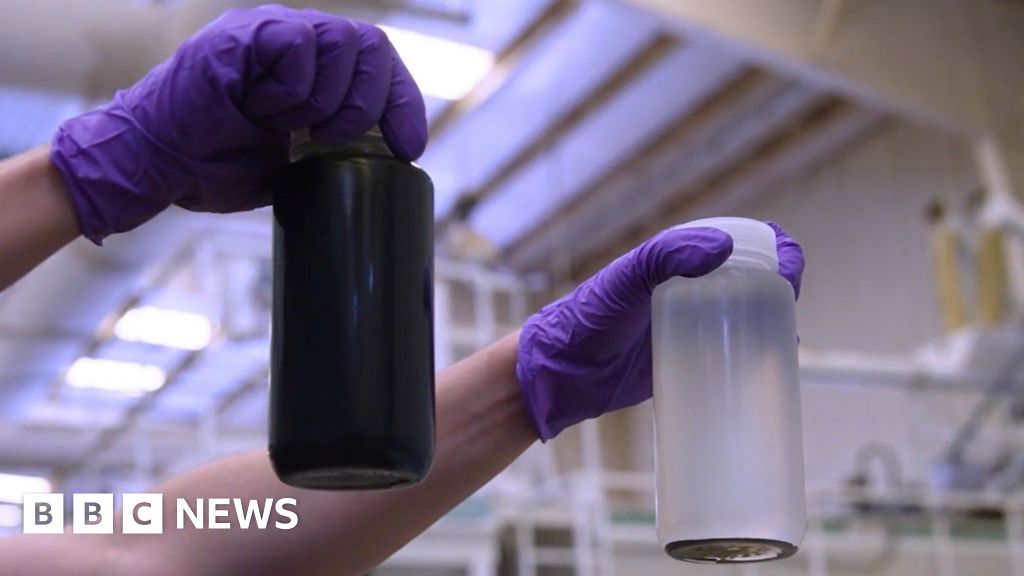
New filtration technology developed by Rice University may absorb some Pfas “forever chemicals” at 100 times the rate than previously possible, which could dramatically improve pollution control and speed remediations.
Researchers also say they have also found a way to destroy Pfas, though both technologies face a steep challenge in being deployed on an industrial scale.
A new peer-reviewed paper details a layered double hydroxide (LDH) material made from copper and aluminum that absorbs long-chain Pfas up to 100 times faster than commonly used filtration systems.
“This material is going to be important for the direction of research on Pfas destruction in general,” said Michael Wong, director of Rice’s Water Institute, a Pfas research center.