Support CleanTechnica's work through a Substack subscription, on Patreon, or on Stripe. Help us produce all of the high-quality, original content we publish week after week despite the challenges of content-scraping AI, antisocial media, inflation, and other hurdles.
India’s latest push toward electric vehicles is being driven by more than industrial policy or climate commitments. It is also a response to one of the country’s most persistent public‑health crises: air pollution.
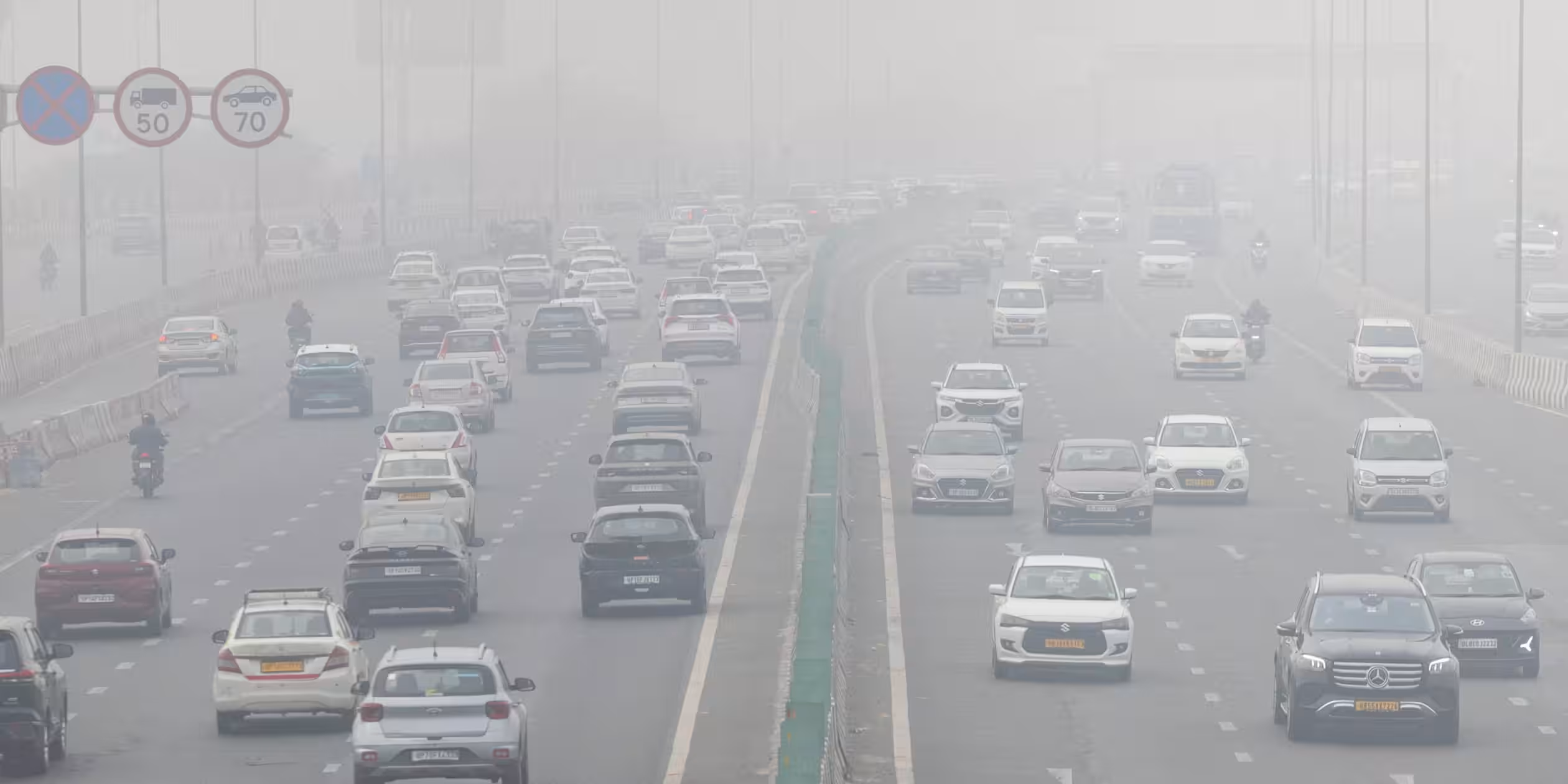
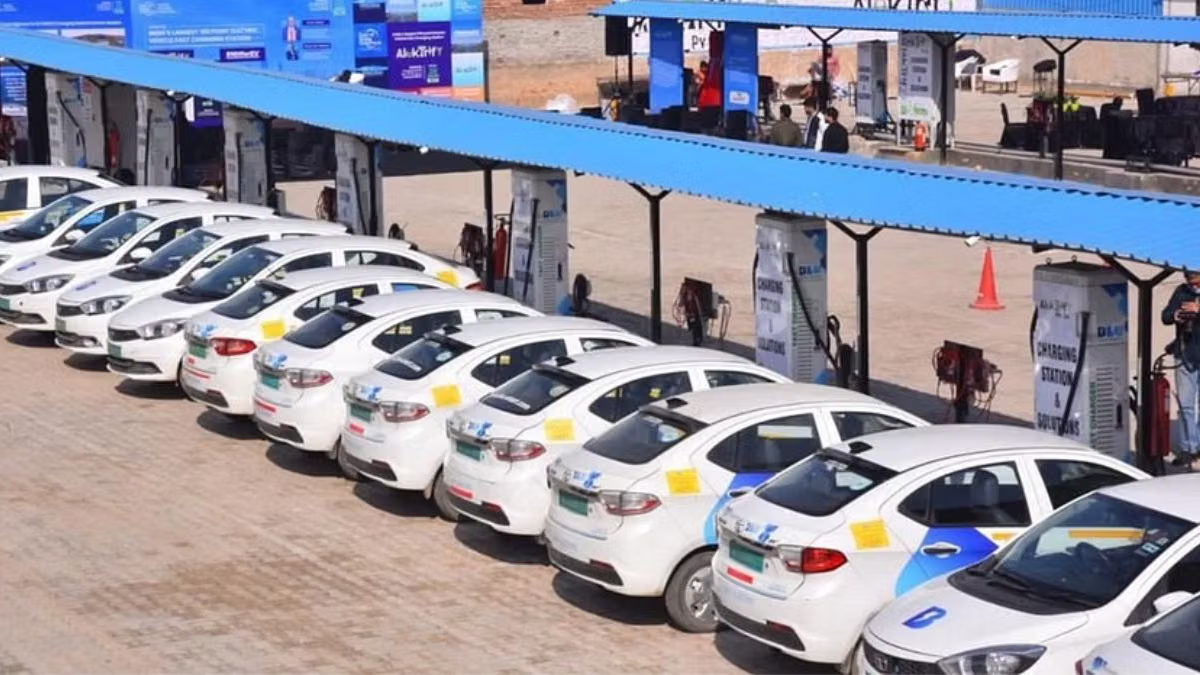
The Delhi government has approved a sweeping new electric‑vehicle policy that offers owners of older vehicles more than US$1,000 to scrap their cars and replace them with battery‑electric models. The incentives aim to curb the severe smog that regularly blankets India’s capital — one of the world’s most polluted cities.
Delhi’s winter smog crisis
Delhi’s pollution problem is particularly acute during the winter months, when cooler temperatures and stagnant air trap pollutants close to the ground. Crop‑residue burning in neighboring states, industrial emissions, construction dust, and exhaust from millions of vehicles combine to push the city’s Air Quality Index into the “very poor” or “severe” category. Reuters noted that these recurring episodes were a major driver behind the city’s latest EV push.