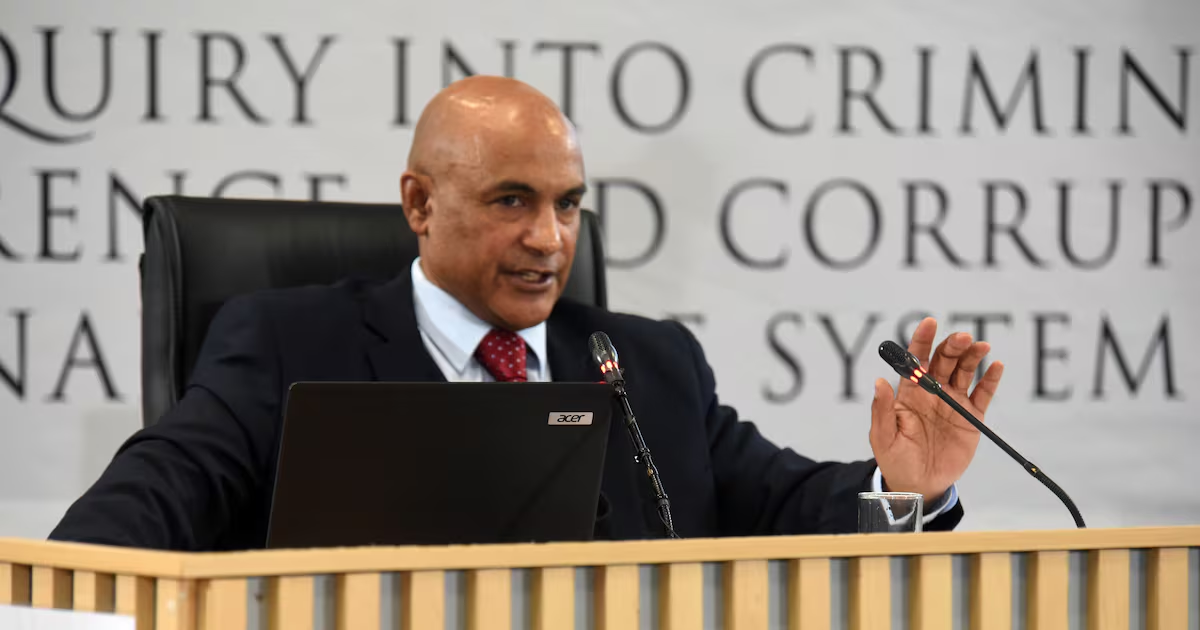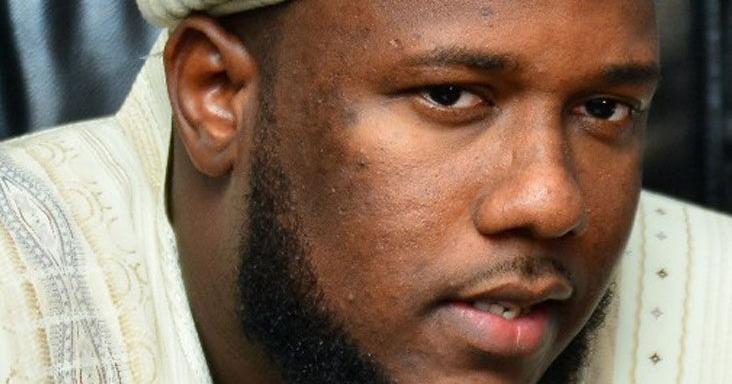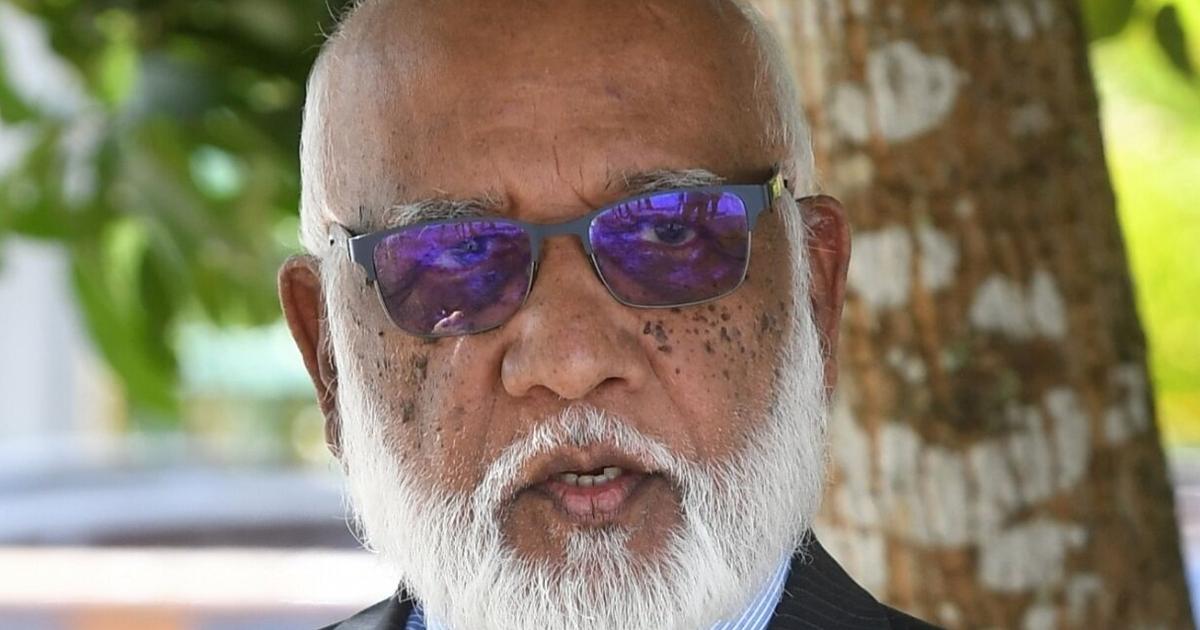
Attorneys representing murder-accused Rajaee Ali and Earl Richards as well as Canadian citizen Christopher “Chris Must List” Hughes have called on the Police Service Commission (PolSC) to determine if the Commissioner of Police should recuse himself from any investigation or review concerning alleged statutory non-compliance involving the country’s intelligence and communications interception framework.
Legal attorney: Criston J Williams
In a letter dated July 16, Quantum Legal attorneys Criston J Williams and Blaine Sobrian also requested the establishment of an independent review mechanism to examine whether mandatory reporting obligations under the Strategic Services Agency (SSA) Act and the Interception of Communications Act had been complied with.The correspondence was addressed to PolSC chairman Dr Wendell Wallace and Director of Public Prosecutions Roger Gaspard, SC.The attorneys stated that their clients had been directly affected by executive actions in which intelligence, national security considerations or information said to have been derived from agencies exercising covert statutory powers had been relied upon by public authorities.They said intelligence had been publicly relied upon in support of the transfer of Ali and Richards from the Maximum Security Prison to Teteron Barracks during the state of emergency and the subsequent issuance of Preventive Detention Orders.In the case of Canadian vlogger Hughes, they said issues concerning national security, organised criminal activity and alleged communications with certain individuals were publicly relied upon in criminal proceedings instituted against him.The attorneys maintained that they were not challenging the use of intelligence gathering or intelligence-led policing, nor were they alleging that any interception of communications involving their clients was unlawful.Instead, they said their concerns centred on whether the institutions entrusted with those powers had complied with the statutory safeguards enacted by Parliament and whether the accountability mechanisms established to regulate them had been allowed to lapse without explanation.According to the letter, annual reports required under Section 13 of the Strategic Services Agency Act and Section 24 of the Interception of Communications Act appeared not to have been laid before Parliament for several years.The attorneys stated that correspondence seeking clarification on compliance with those reporting obligations had been sent to several public officials since 2024, including former ministers of national security, the current Minister of Homeland Security, the Minister of Defence, the Clerk of the House and the Speaker of the House.They said responses received confirmed that annual reports had been prepared and delivered to the minister responsible for national security in at least one instance, but had not been laid before Parliament.The letter argued that the reporting requirements were mandatory statutory safeguards intended to ensure ministerial accountability and parliamentary oversight of intelligence gathering and covert surveillance powers.The attorneys further raised concerns regarding public expenditure connected to the SSA, stating that publicly identified funding linked to the agency between 1995 and 2026 amounted to at least $3.079 billion. They acknowledged that the figure combined actual expenditure, reported expenditure and budget estimates.They also noted that public records did not provide a consolidated, audited and publicly accessible lifetime account of SSA expenditure and questioned whether Parliament had been provided with sufficient information to scrutinise the agency’s activities and spending.The letter referred to statements made by former prime minister Dr Keith Rowley in 2024 regarding an audit of the SSA, which included references to issues involving the agency’s structure, staffing, weapons, ammunition and internal governance.The attorneys said those matters highlighted the importance of statutory reporting and parliamentary oversight mechanisms.They further argued that the Office of the Commissioner of Police formed part of the statutory framework governing the interception of communications and intelligence gathering and that common law principles relating to apparent bias and institutional independence should apply where questions arise concerning compliance with that framework.No allegations againstcommissionerThe attorneys made no allegation of misconduct or bad faith against the police commissioner.However, they submitted that the commissioner should not participate in any investigation, review, assessment or decision-making process concerning the apparent statutory non-compliance identified in the correspondence.They argued that any review should be conducted independently to preserve public confidence in the accountability mechanisms established by Parliament.The attorneys requested that the PSC determine whether the circumstances warranted the commissioner’s recusal and consider recommending or facilitating the establishment of an independent review mechanism comprising suitably qualified and institutionally independent persons.They proposed that such a review examine whether the reporting obligations imposed under both acts had been complied with, whether institutional or legislative reforms were required and whether additional safeguards should be introduced to strengthen public confidence in the statutory accountability framework.The attorneys requested an acknowledgement of receipt of the correspondence within 72 hours and a substantive response by July 27 at noon.Copies of the letter were also sent to Prime Minister Kamla Persad-Bissessar and Police Complaints Authority director David West.