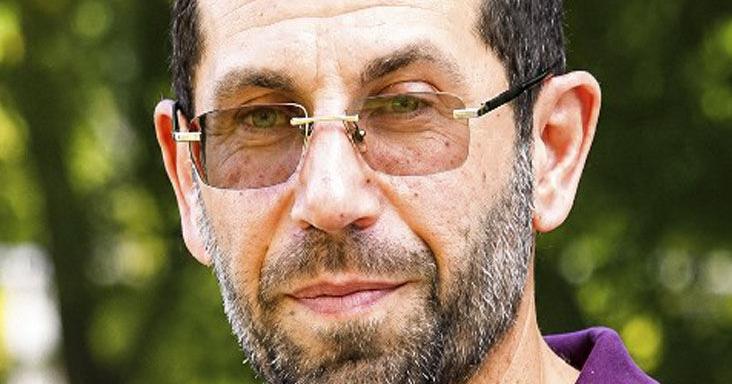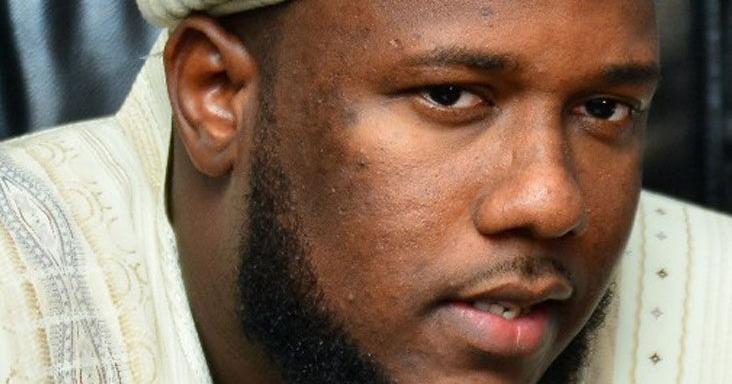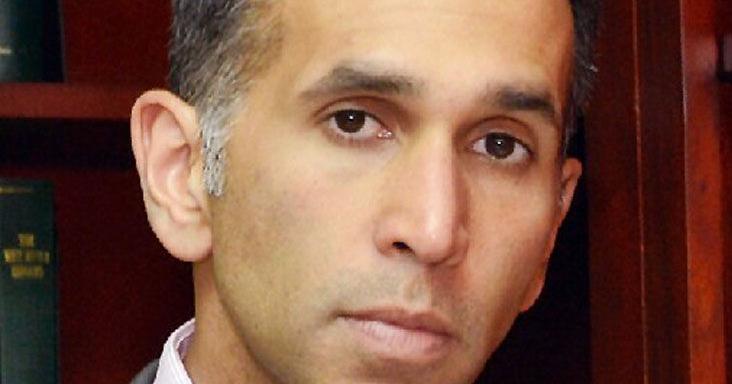
The legal team representing Rajaee Ali and Earl Richards has called on Minister of Homeland Security Roger Alexander to review the continued detention of the two men under preventive detention orders (PDOs), arguing that statutory oversight requirements had not been met.The letter to Alexander was also addressed to Prime Minister Kamla Persad-Bissessar, Minister of Defence Wayne Sturge and Commissioner of Police Allister Guevarro.According to the letter, the Quantum Legal Group had given the minister until tomorrow to respond.Concerns about transparency, accountabilityIn the letter to Alexander dated July 8, attorneys Criston J Williams, Aaron Lewis and Blaine Sobrian of Quantum Legal said the continued detention of their clients raised concerns about transparency, accountability and compliance with legislation governing the use of intelligence.The attorneys stated that Ali and Richards had remained on remand since being charged in 2015 in connection with the murder of senior counsel Dana Seetahal. They noted the men had not been convicted and continued to benefit from the constitutional presumption of innocence.According to the letter, both men had been housed at the Maximum Security Prison before being transferred to Teteron Barracks under military escort on or around July 18, 2025, following the declaration of the state of emergency.The attorneys said the transfer took place without prior notice to their clients’ attorneys or relatives.They added that Government officials had publicly stated that intelligence indicated certain prisoners posed a threat to national security and had alleged that the men were associated with what was described as a “Radical Islamic Criminal Gang”. The attorneys maintained those allegations had not been determined by any court.The letter stated that after the transfer, the men experienced restrictions affecting access to legal counsel, communication with relatives, religious observance, reading materials, personal effects and exercise.It further noted that legal proceedings had been initiated to challenge both the legality of the transfers and the conditions of detention.The attorneys said those proceedings questioned whether Teteron Barracks had been lawfully designated as a prison when the transfers occurred, and whether the removal of first-division remand prisoners complied with the Prisons Act.The attorneys acknowledged that the Government subsequently made the Prisons (No 2) Order, 2025, which designated Teteron Barracks and Staubles Bay as prisons with retrospective effect from July 18, 2025, but argued that the order did not resolve the issues surrounding the legality of the original transfers.They said PDOs were later issued against both men under the Emergency Powers Regulations, resulting in their continued detention. Statutory reporting process The attorneys also questioned what they described as the failure to comply with statutory reporting obligations under the Strategic Services Agency Act and the Interception of Communications Act.They claimed annual reports required under both pieces of legislation had not been laid in Parliament for several years, preventing parliamentary oversight of intelligence activities that were said to have formed the basis for the declaration of the state of emergency and the continued detention of their clients.Intelligence frameworkThe letter referred to publicly available information indicating that approximately 314 applications for interception warrants had been approved by the courts between 2020 and May 2026, while only ten interception warrants had been used.The attorneys said they were making no allegation regarding those figures, but argued that they demonstrated the importance of the statutory reporting process.They stated that the absence of the required reports made it impossible to examine the intelligence framework relied upon by the State or determine whether the statutory safeguards established by Parliament had been observed.The attorneys also referred to the legal principles governing the tort of misfeasance in public office, citing decisions from the House of Lords and the High Court of Trinidad and Tobago. However, they stated that they were not alleging that the tort had been established or that any public official was liable.Instead, they argued that the continued failure to comply with statutory reporting requirements, when considered alongside the ongoing detention of their clients, raised public law issues that required explanation.The attorneys requested that the minister confirm whether the outstanding annual reports under the Strategic Services Agency Act and the Interception of Communications Act had been prepared and explain why they had not been laid before Parliament.They also asked that immediate steps be taken to comply with the reporting requirements, that the basis for the continued detention of Ali and Richards be explained in light of their status as unconvicted persons, and that the necessity and proportionality of the PDOs be reconsidered.
Attorneys for Dana Seetahal murder-accused demand review of PDOs
The legal team representing Rajaee Ali and Earl Richards has called on Minister of Homeland Security Roger Alexander to review the continued detention of the two men under preventive detention
733 words~3 min read