THE Police Service is being asked to launch an independent criminal investigation into the operation of Trinidad and Tobago’s statutory intelligence framework, with concerns over compliance with the Strategic Services Agency (SSA) Act and the Interception of Communications Act being raised.
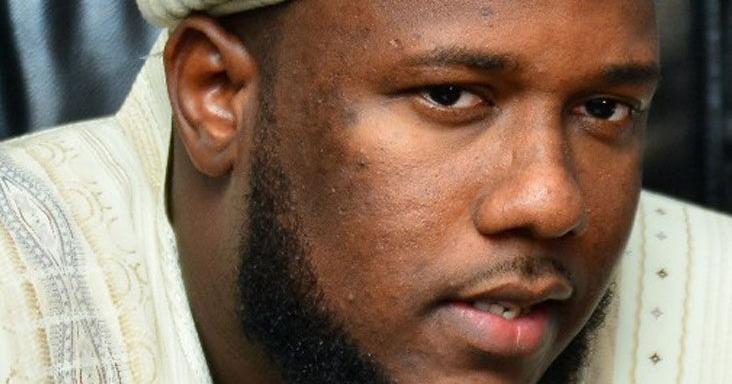
DETAINED: Earl Richards
In a letter dated July 14, attorneys Criston J Williams, Blaine Sobrian and Aaron Lewis of Quantum Legal said they represented Earl Richards, Rajaee Ali and Canadian national and vlogger Christopher Hughes, aka Chris Must List.
CHARGED: Christopher Hughes, aka Chris Must List.
The attorneys said the request was being made in the public interest and sought an investigation into the acquisition, interception, retention, dissemination and use of intelligence gathered by national security agencies and relied upon in executive decision-making.According to the letter, Richards and Ali are currently detained at Teteron Barracks under preventive detention orders (PDOs) issued during the 2025 state of emergency; while Hughes is before the courts on charges arising from online material published while he was in Trinidad and Tobago.The attorneys argued that executive action affecting all three men had been publicly justified by intelligence, national security assessments, surveillance activities or information originating from agencies operating within the country’s national security framework. They stated that recent public disclosures revealed that more than two million telephone calls and electronic data communications were intercepted over a five-year period under warrants issued pursuant to the Interception of Communications Act. While making no allegation that the interceptions themselves were unlawful, they argued that the scale of the interceptions increased the importance of statutory oversight mechanisms.The letter stated that annual reports required under both the Strategic Services Agency Act and the Interception of Communications Act had apparently not been laid before Parliament over several reporting periods, thereby depriving Parliament, the Parliamentary Committee responsible for national security, affected individuals and the public of mechanisms intended to scrutinise the exercise of covert intelligence powers.The attorneys said intelligence had been publicly relied upon in recent years to justify declarations of states of emergency, arrests, PDOs, surveillance activities, transfers of prisoners, criminal investigations and other executive decisions affecting constitutional rights.They argued that the integrity of the statutory intelligence framework was constitutionally significant where intelligence gathered by State agencies informed executive decisions relating to matters such as preventive detention, law enforcement priorities and public safety measures.Issues of proceduralfairness, natural justiceThe attorneys further argued that Parliament had imposed mandatory reporting obligations and procedural safeguards under both acts to ensure accountability and democratic oversight of intelligence operations. It noted that criminal offences exist under the Interception of Communications Act for knowingly making false statements in applications or declarations under the act or intentionally disclosing intercepted communications contrary to its provisions.They further argued that prolonged failures to comply with statutory obligations could frustrate parliamentary oversight and meaningful scrutiny of intelligence used in executive decision-making. They contended that the matters raised also engaged issues of procedural fairness and natural justice, particularly where executive action materially affected an individual’s liberty and constitutional rights.The letter stated that the intended applicants had not been afforded any meaningful opportunity to determine whether intelligence relied upon by the State had been lawfully obtained, retained, disseminated or relied upon. The attorneys therefore requested that the Commissioner direct an independent criminal investigation into the operation of the statutory intelligence framework. Among the issues it asked investigators to examine were whether interception warrants had been sought or executed in relation to Ali, Richards or Hughes, and whether all requirements of the Interception of Communications Act had been complied with.The attorneys also requested an investigation into whether intelligence gathered by the Strategic Services Agency or other intelligence agencies was relied upon in decisions relating to the declaration and continuation of the state of emergency, the transfer of prisoners to Teteron Barracks, the issuance of PDOs, criminal investigations and surveillance activities affecting their clients.They further sought enquiries into whether intelligence obtained through interception warrants had been lawfully disseminated among intelligence agencies, ministers, the National Security Council, the Trinidad and Tobago Police Service or other public authorities.The letter requested that investigators determine whether any public officer knowingly exercised executive authority based on intelligence obtained or managed contrary to statutory safeguards, whether records relating to intelligence activities had been destroyed or withheld, and whether any offences known to law had been committed.Quantum Legal also asked that immediate steps be taken to preserve potentially relevant records, including Strategic Services Agency reports, intelligence assessments, interception warrant applications, judicial authorisations, National Security Council minutes, briefing notes, internal correspondence, intelligence dissemination logs and documents relating to the preparation or non-preparation of statutory annual reports.The attorneys requested acknowledgement of the correspondence within 48 hours and a substantive response by August 11.