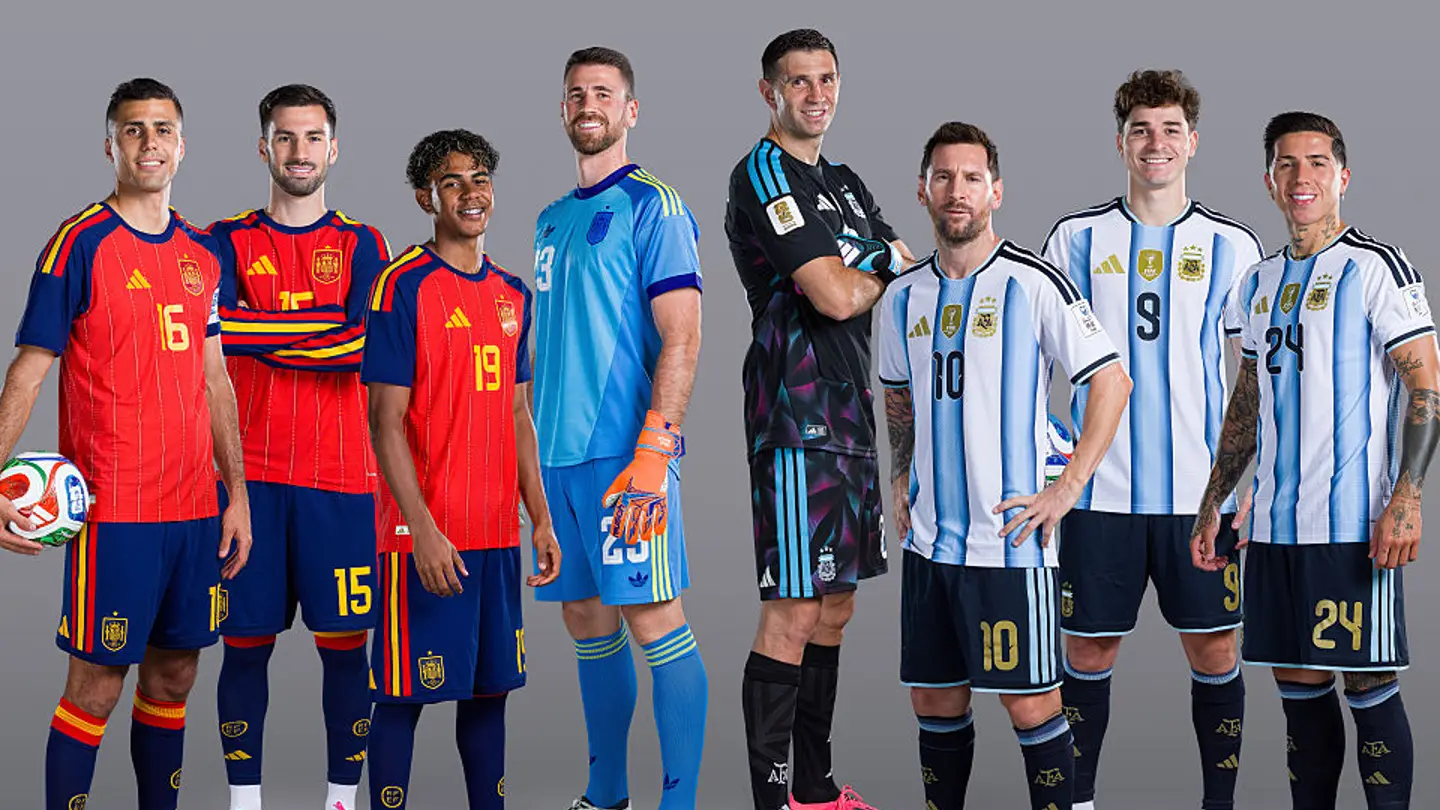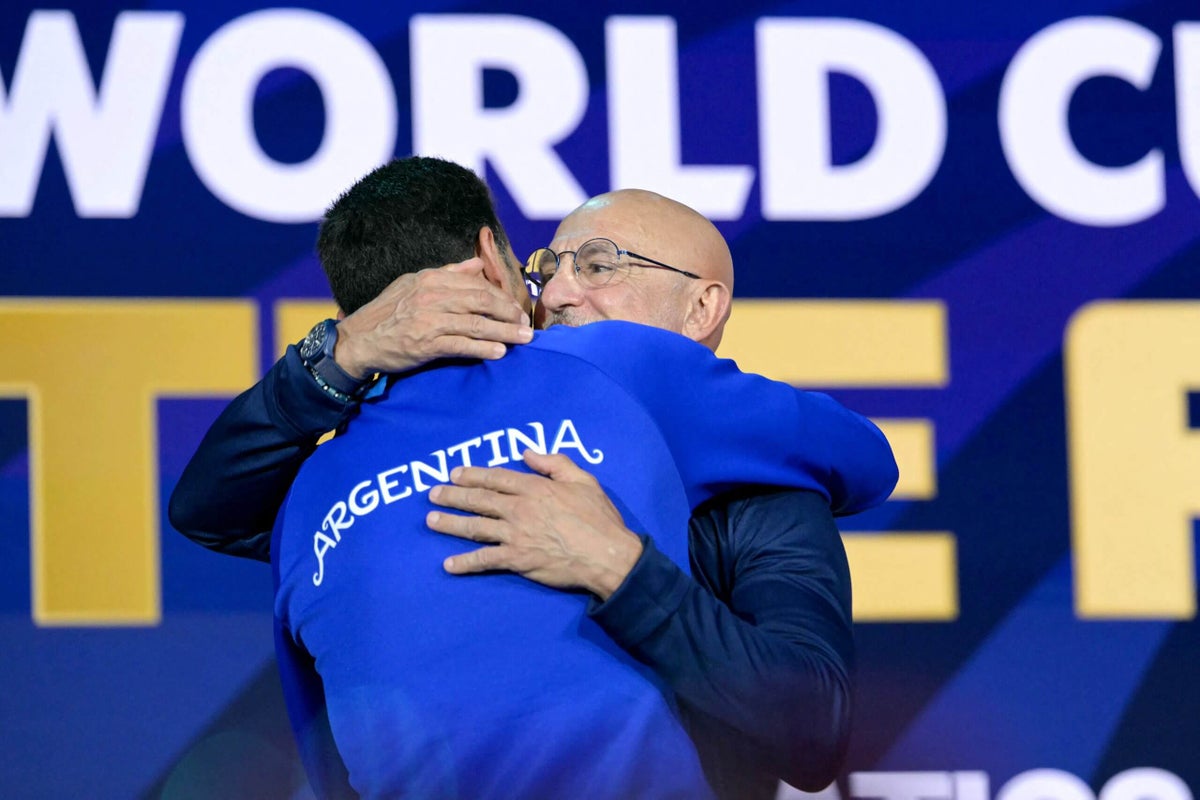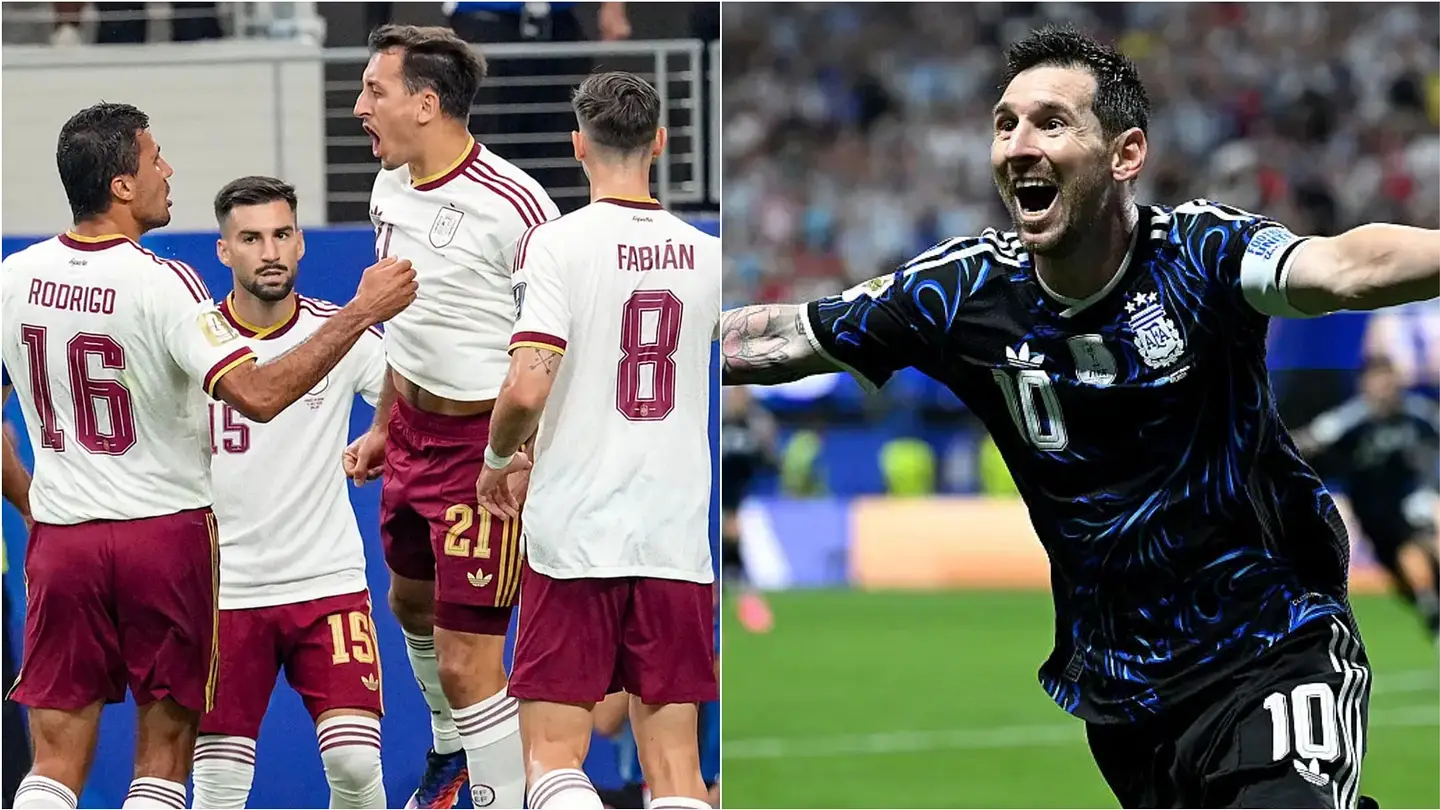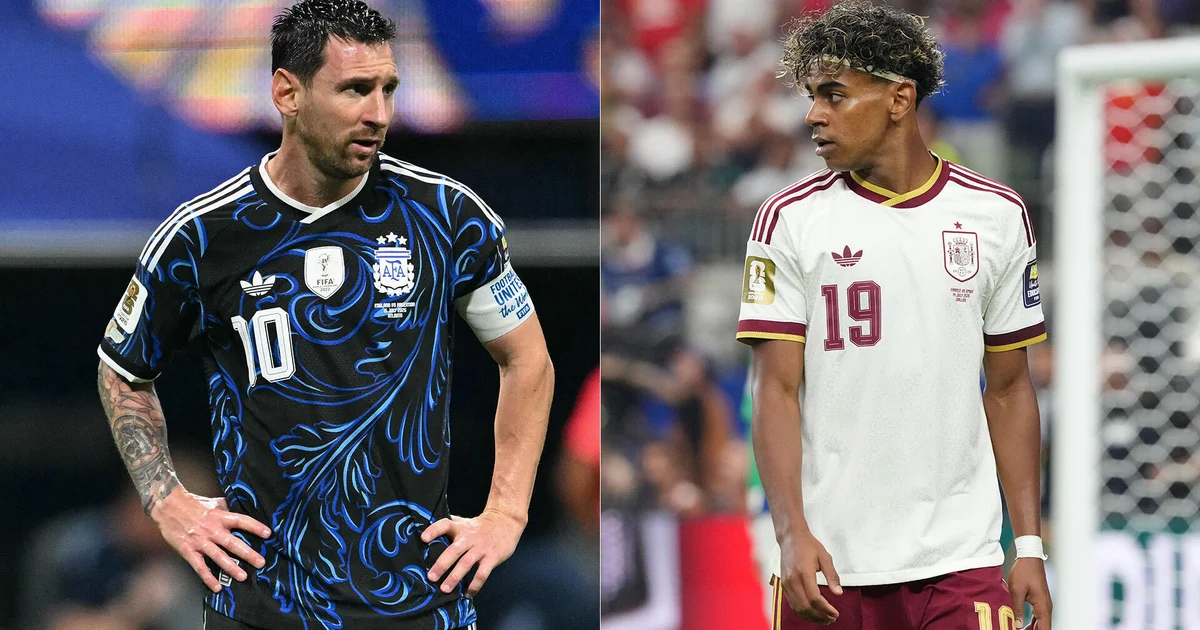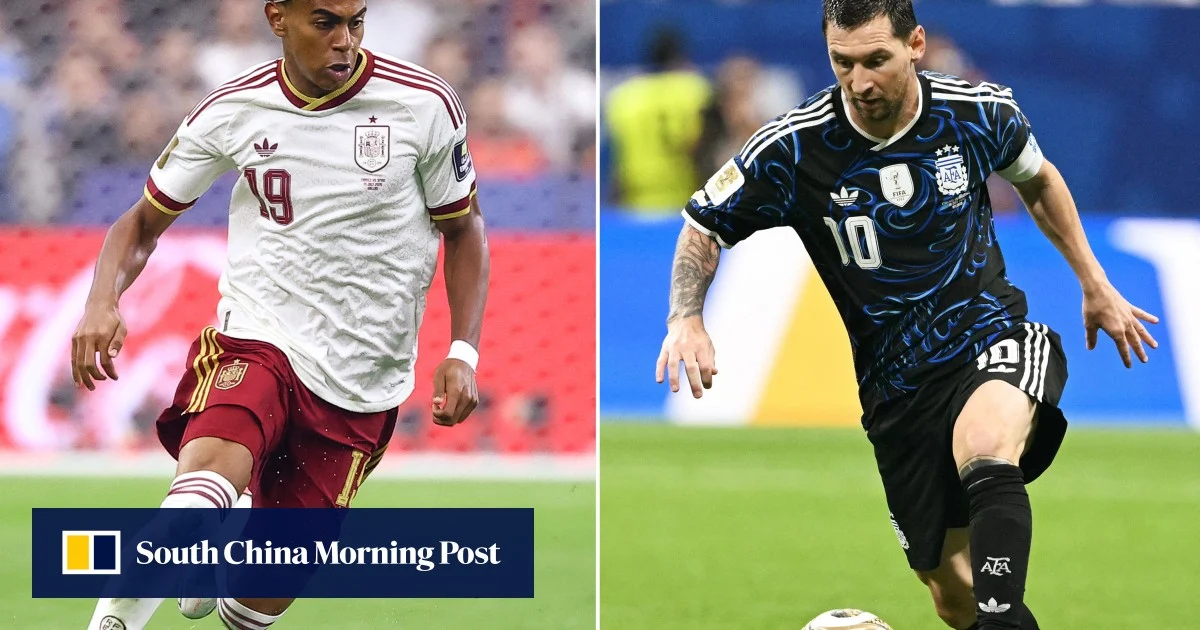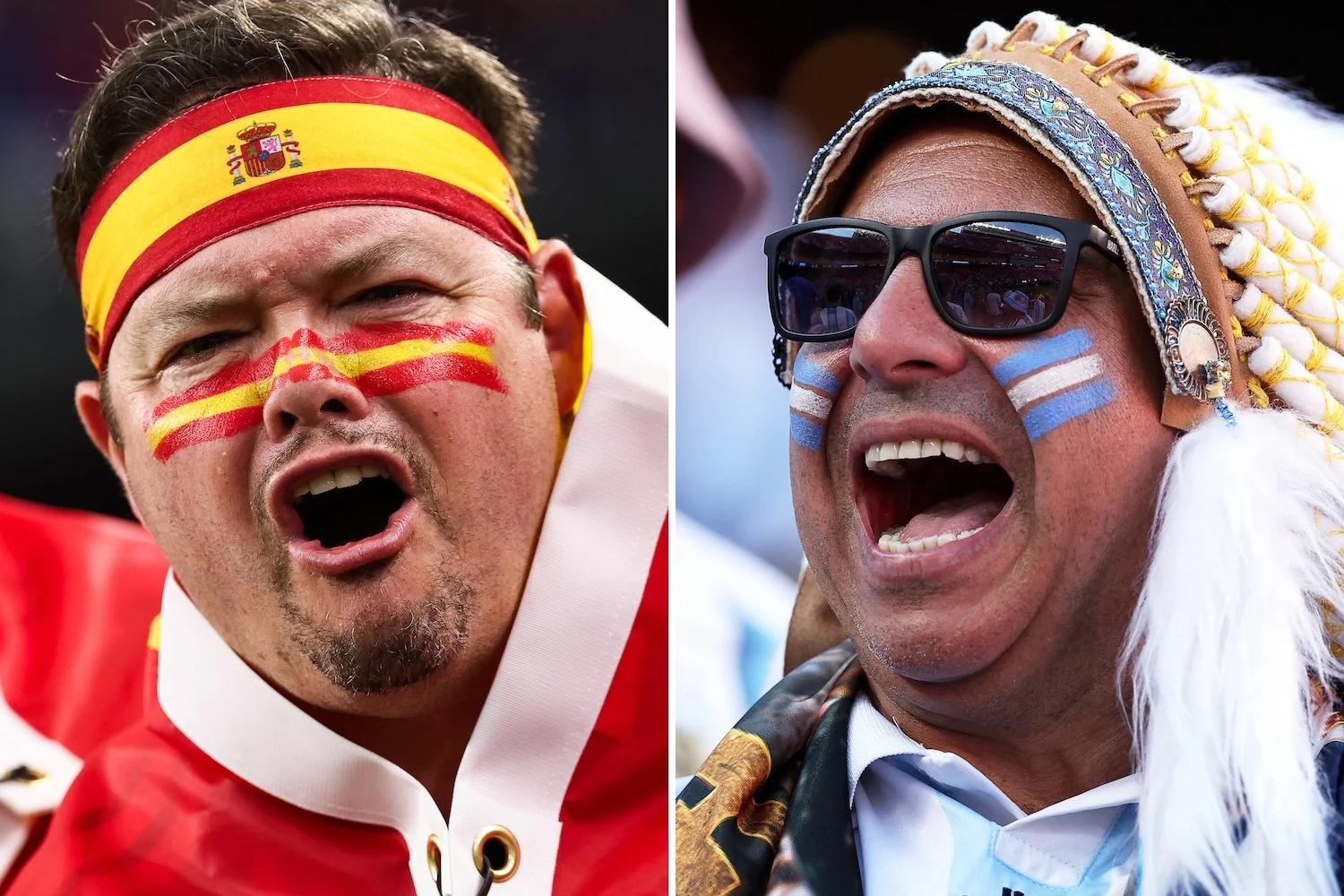
It is tempting to frame the final matchup of the FIFA Men’s World Cup between Spain and Argentina primarily as a battle of rival soccer superpowers. But there is a deeper story that connects these two countries. They share a former colonial relationship and a continuing network of social, economic, and cultural ties. That broader context can help illuminate the events on the field between the two teams.
What role does Spain’s heritage play in Argentina’s national identity? How did both countries emerge as soccer superpowers? And what is their political and economic relationship like today?
Those are just a few of the questions that came up in my recent conversation with FP economics columnist Adam Tooze on the podcast we co-host, Ones and Tooze. What follows is an excerpt, edited for length and clarity. For the full conversation, look for Ones and Tooze wherever you get your podcasts. And check out Adam’s Substack newsletter.
Cameron Abadi: What exactly is Argentinia’s national identity comprised of? And how would we locate that in relation to Spain and its cultural influence?
Adam Tooze: I mean, without Spain, no modern Argentina, first and foremost. So, it’s really the Spanish initial landings and the beginning of conquest in 1516 that set Argentina on its path to its modern form. And in terms of statehood, it’s really the viceroyalty of the Rio de la Plata—which was established in 1776, same time as American independence—which encompasses what will then become Argentina, Uruguay, and Paraguay. That doesn’t last. Internal disputes, Spanish collapse in Europe, a war of independence between 1810 and 1818—and out of all that emerges a former Spanish colony that’s now a republic that’s rapidly expanding into a kind of South American equivalent of the opening of the Western frontier and fueled, as in the north, by a huge influx of migrants, money, and capital from Britain.