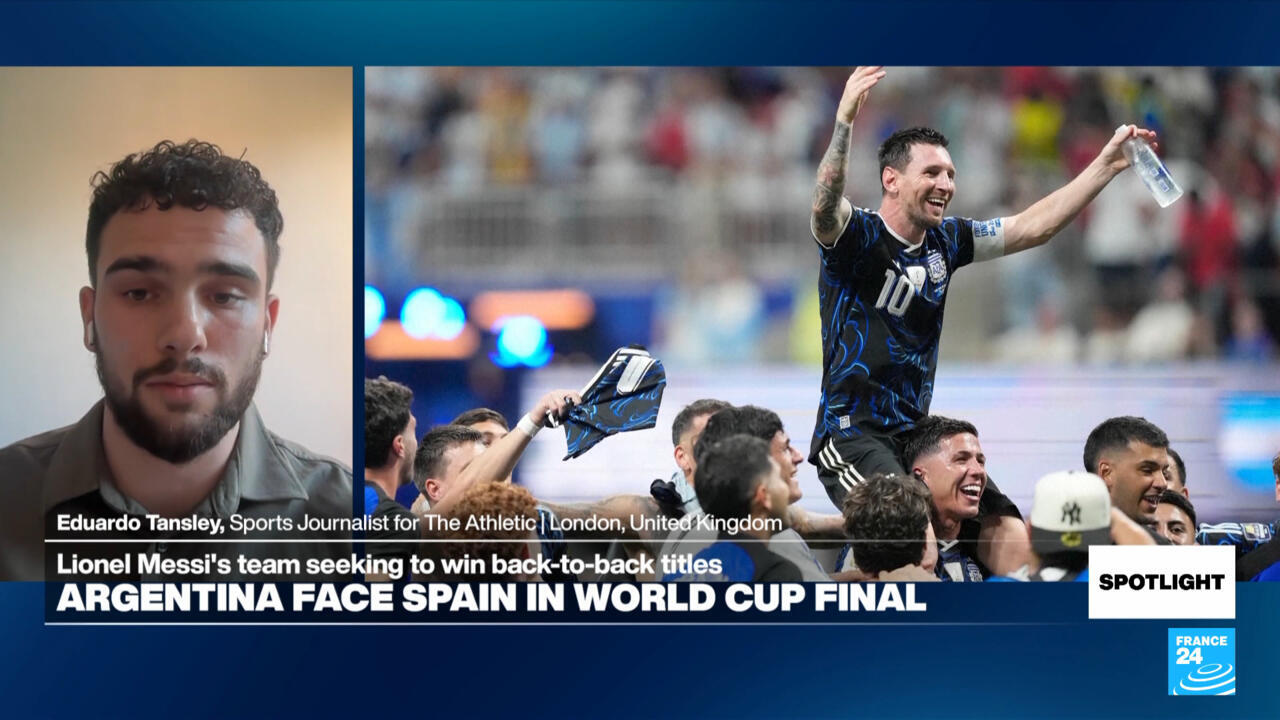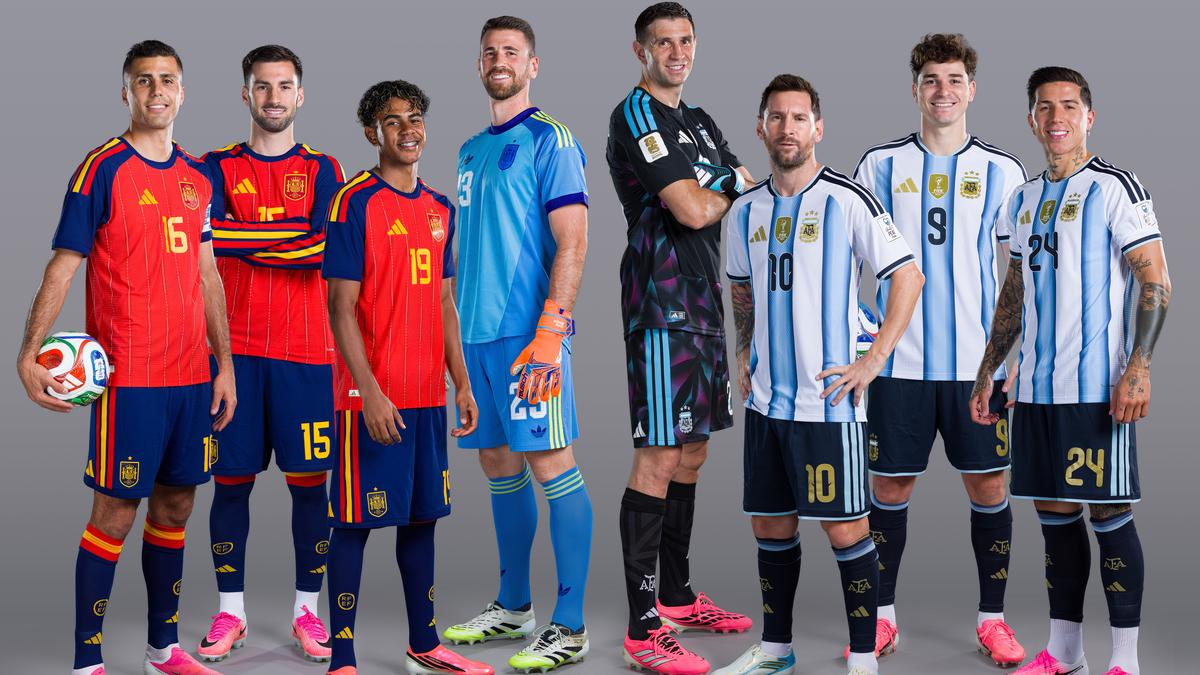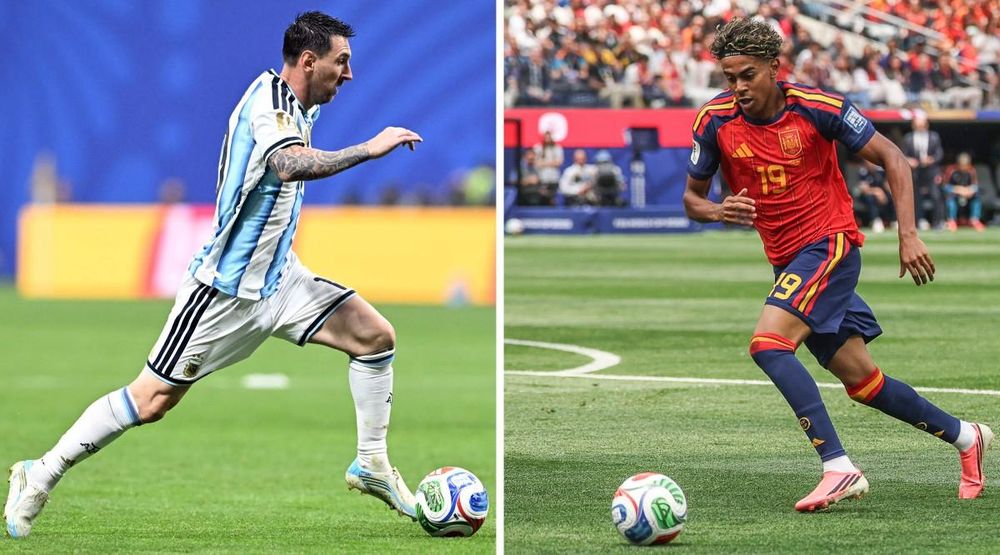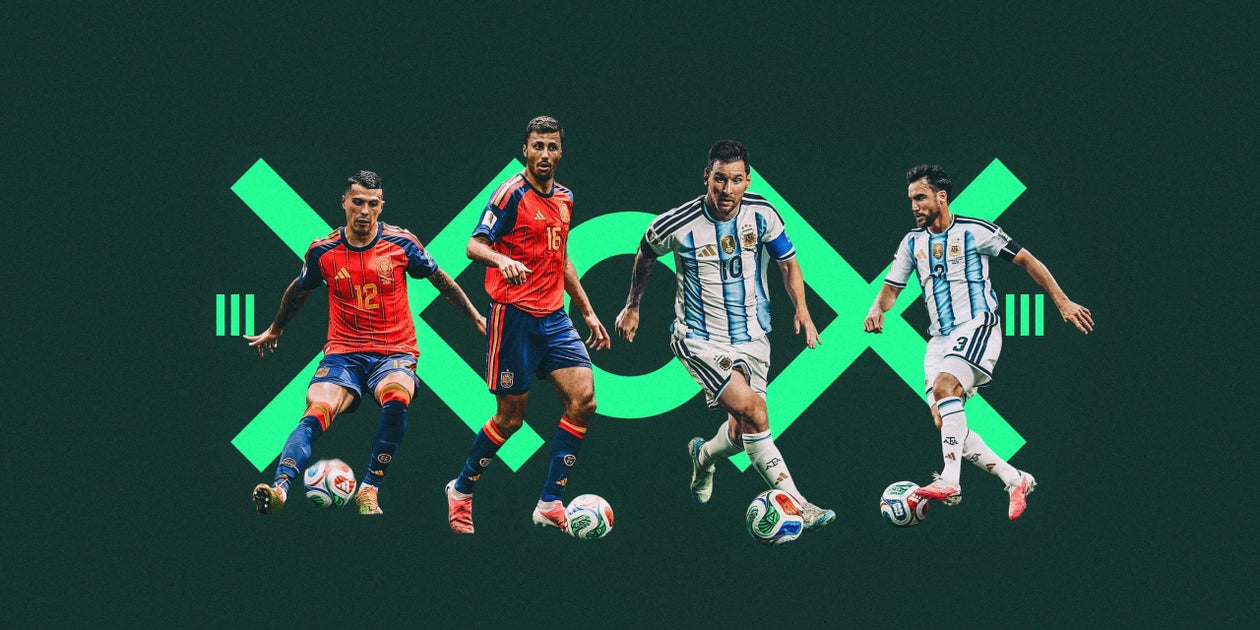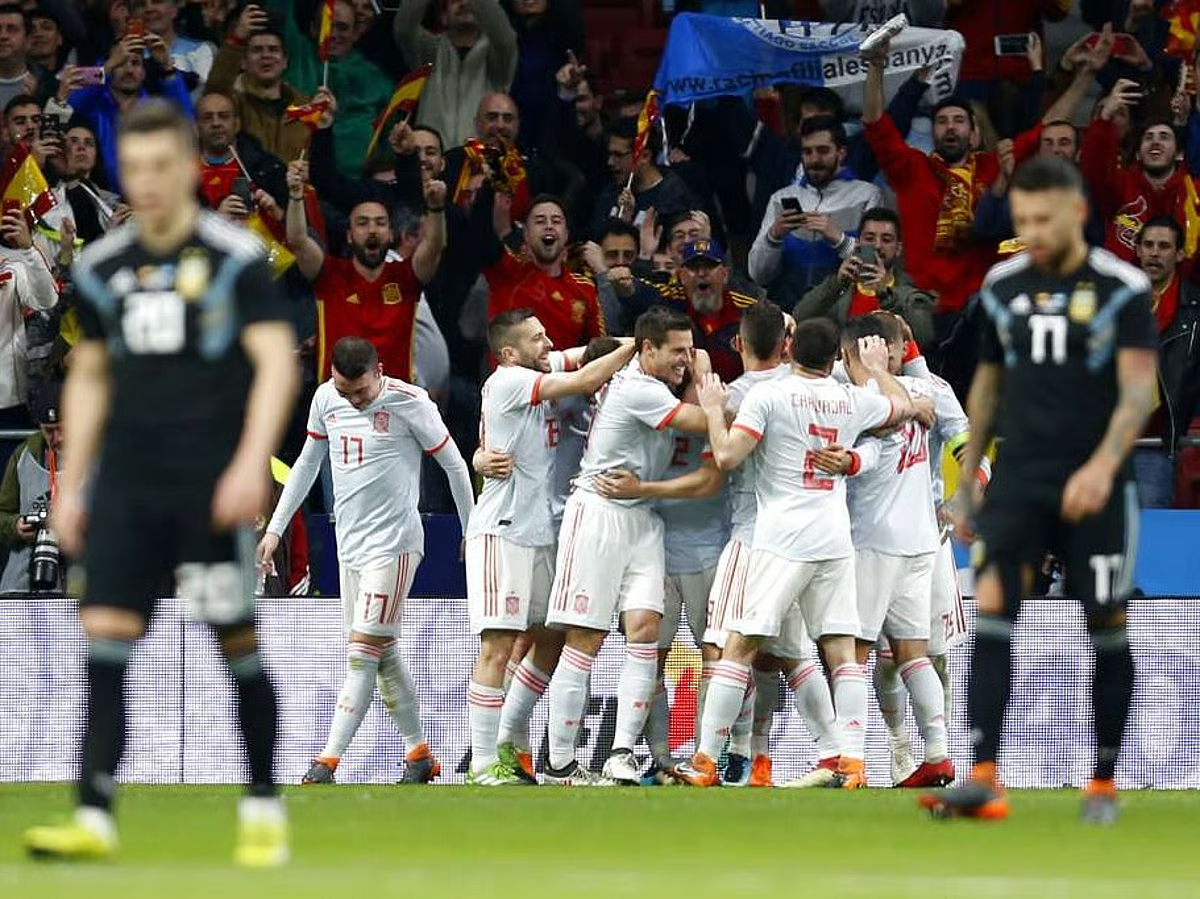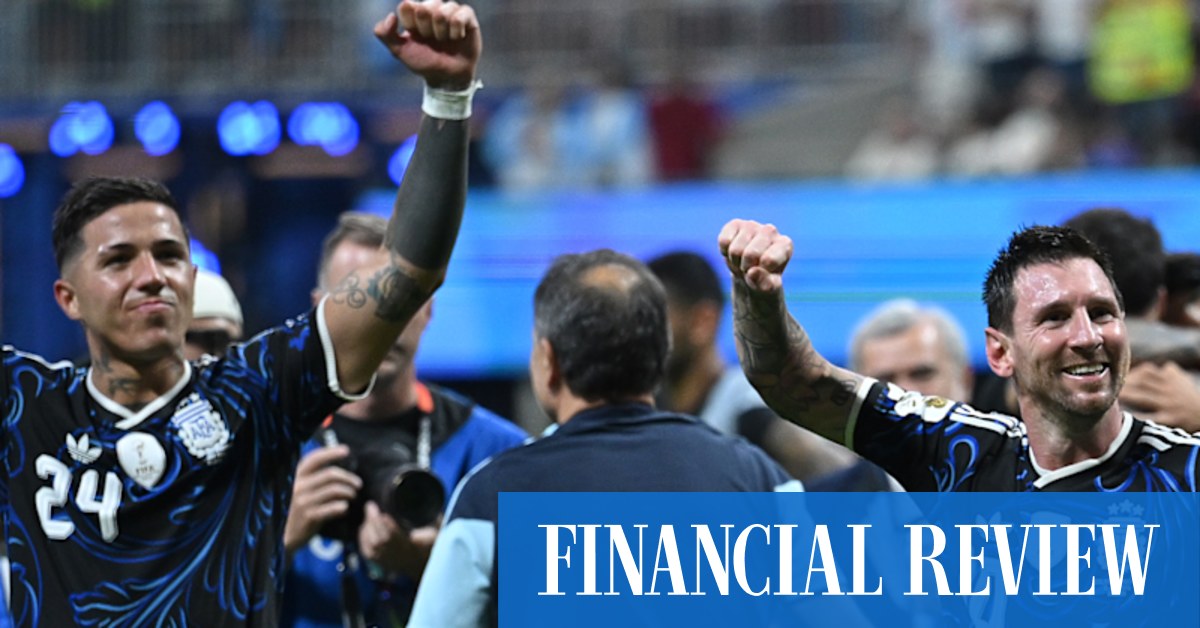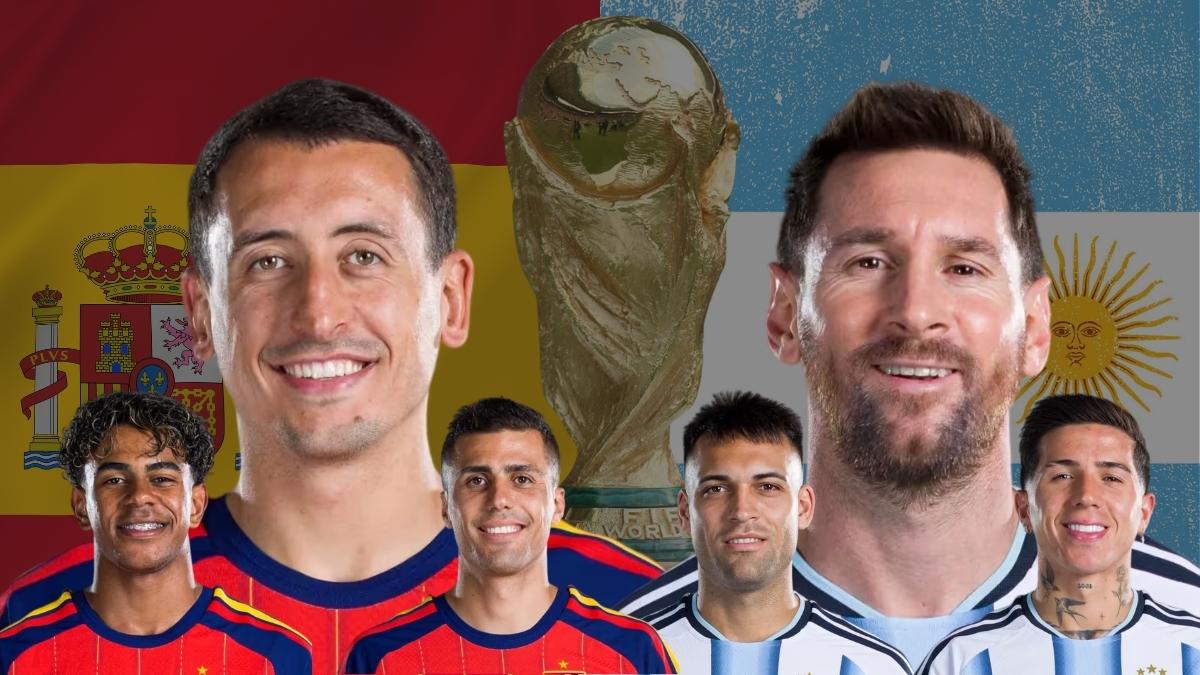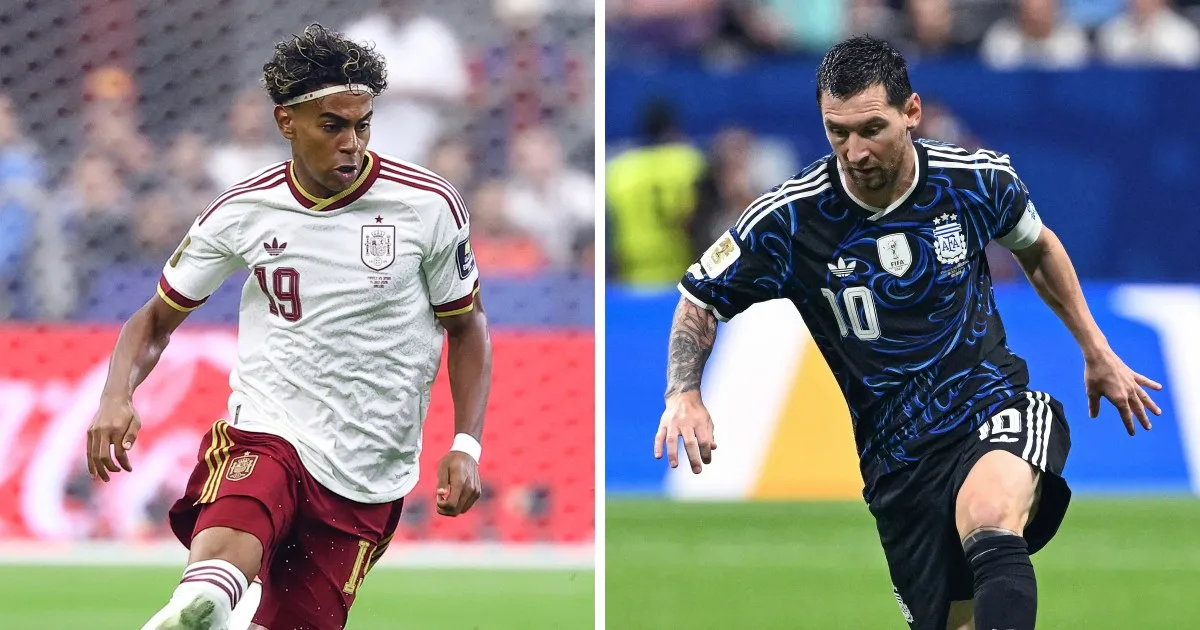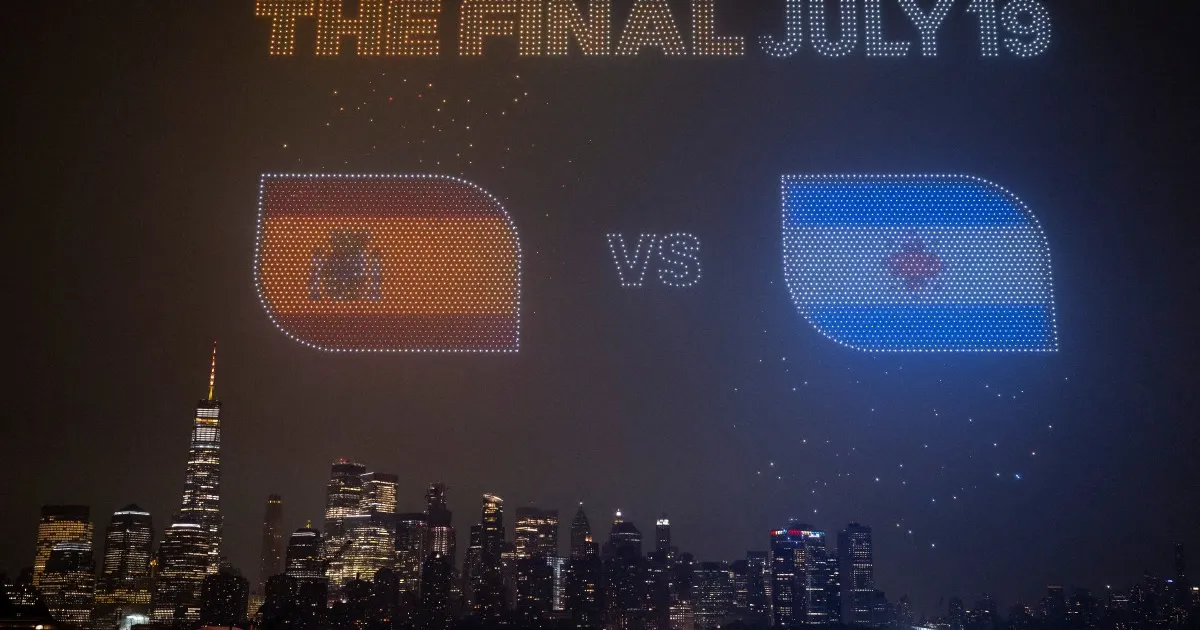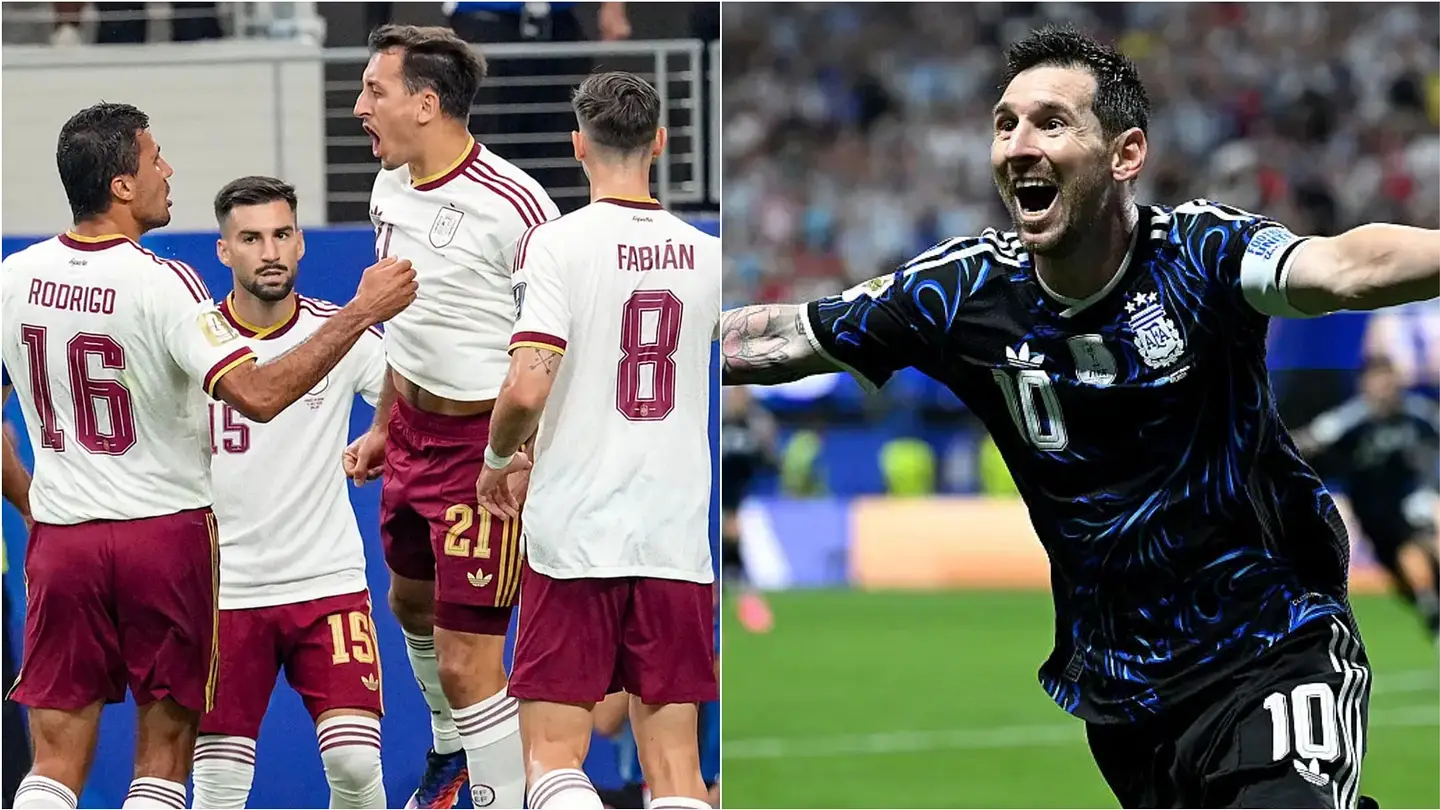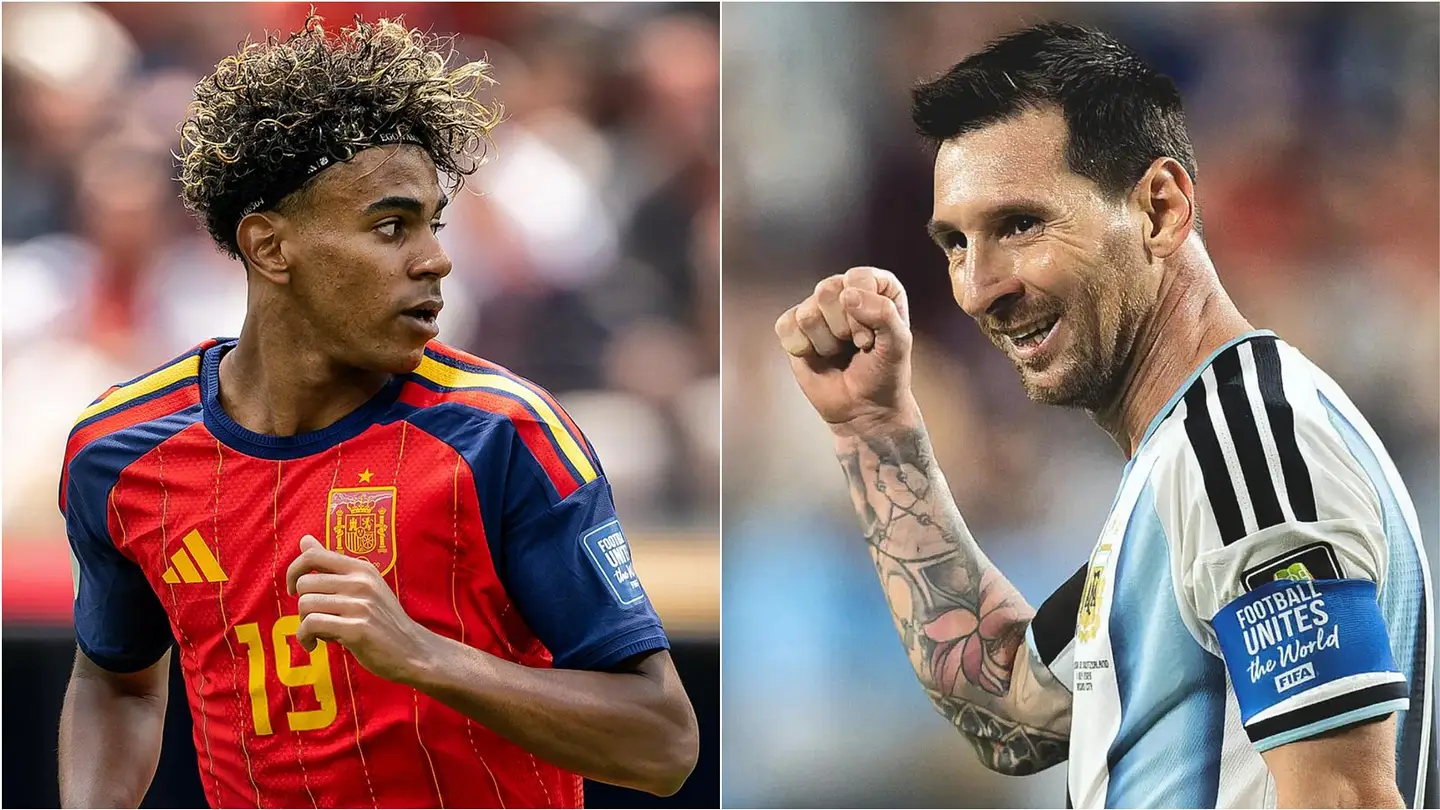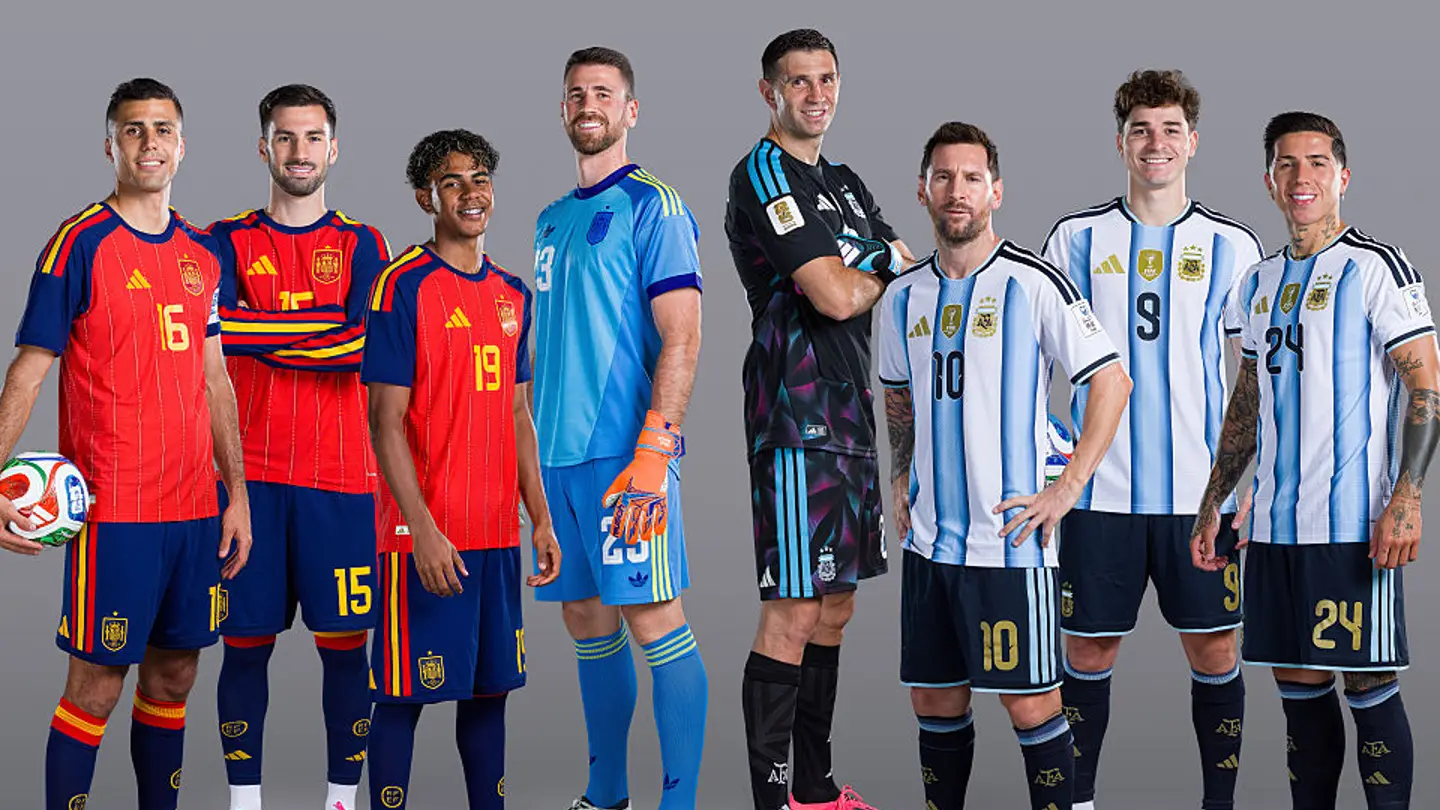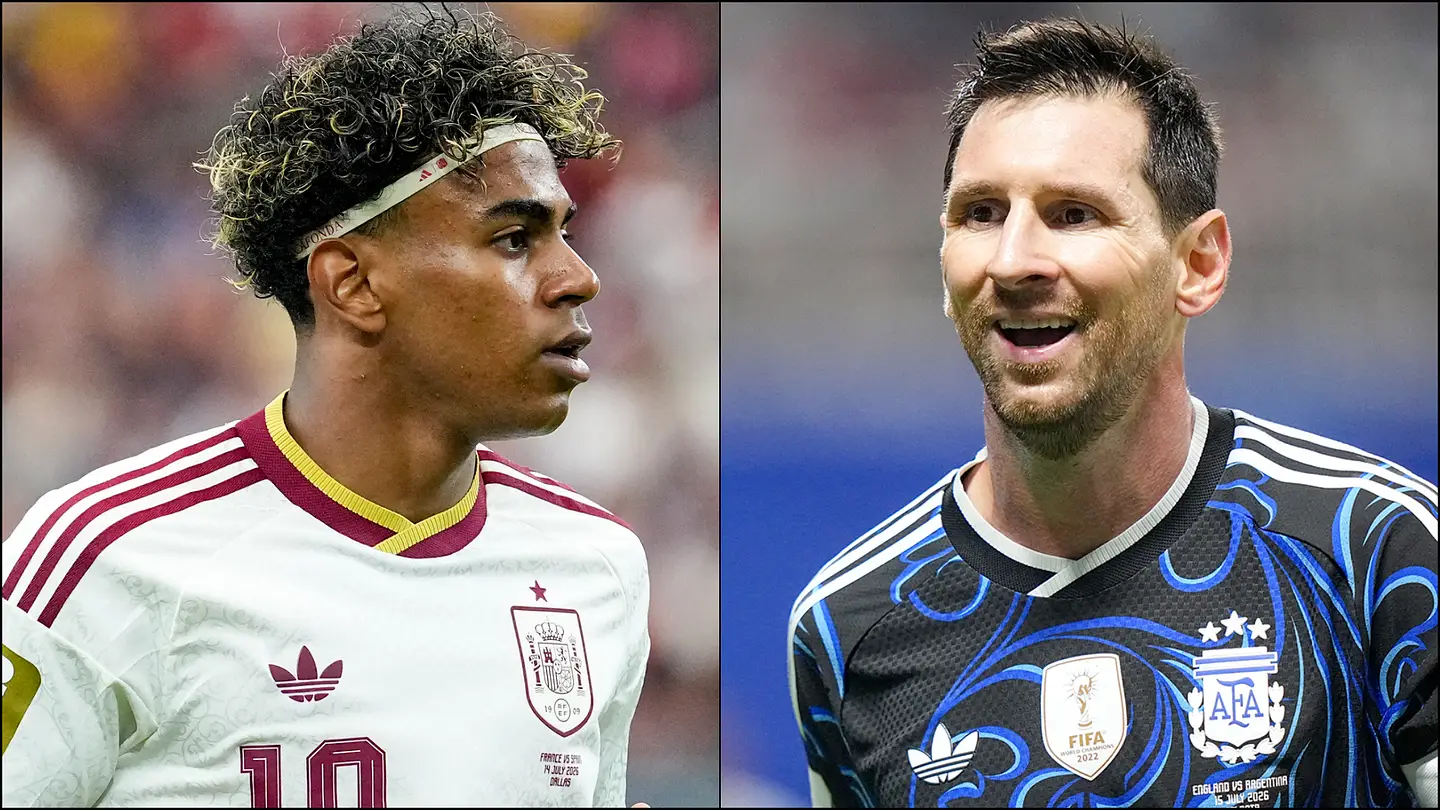
While Lionel Scaloni led Argentina to a second success Copa América title in 2024, he couldn’t help but have one eye on the European equivalent of the continental competition playing out on the other side of the world.“Logically,” Argentina’s manager revealed at the time, “I want Spain to do well.”The husband to a Spanish woman who played for three different La Liga clubs also had Spain boss Luis de la Fuente as his coaching instructor. “He helped us a lot,” Scaloni wistfully reflected about the time he got his highest managerial diploma in 2017. “He’s a great guy.”Both master and apprentice would triumph two summers ago but only one can win the ultimate prize in soccer when Spain and Argentina go head to head in Sunday’s World Cup final.Attacking ThreatLionel Messi stole the show and will play his third career World Cup final. | Erick W. Rasco/Sports IllustratedArgentinaSpainIt’s become a cliché to say that having Lionel Messi in your team is effectively the equivalent of a 1–0 advantage, but that has pretty much proven to be the case this summer. If anything, it’s doing Argentina’s captain a bit of a disservice.Messi has either scored or assisted at least one goal in each of his last 11 World Cup appearances, stretching back to the group stage victory over Poland in 2022 when he had a penalty saved. Only once this summer has Messi only contributed to fewer than two goals while starting a game—and that’s only thanks to the dubious goals panel which deemed Cristian Romero’s header against Cabo Verde to have been an own goal rather than one set up by the 39-year-old.Just on his own, Messi has had a direct hand in 12 goals at the 2026 World Cup, the same tally which Spain’s entire roster has been able to collectively amass.However, while Argentina may boast the most potent individual attacker this summer, Spain’s collective hardly has a blunt edge. No team keeps the ball penned into the final third with as much ruthless zeal as the defending European champion. Getting it out of that cage could be Scaloni’s best hope at a route to goal: Argentina has scored more goals in transition than any other nation this summer. Defensive SolidityAymeric Laporte has reminded the world of his stellar quality. | Erick W. Rasco/Sports IllustratedSpainArgentinaThere was a lot to love about Spain’s nut-and-bolt dismantling of France in the semifinals. For Rodri, the best player on the pitch, his favorite aspect of the display was clear: “I’d say [we were] even better without the ball than with it.”Spain has conceded a combined xG of 2.15 across seven games, allowing just 10 shots on target—nine of which Unai Simón has saved. Despite conceding seven times as many goals as its upcoming opponents, Argentina has been relatively stingy, shipping an xG of 4. There is the risk of the defending world champion getting caught in transition, while the center back pairing of Lisandro Martínez and Cristian Romero is a lot more mercurial than Spain’s pairing. Despite the chasm in seniority, both Aymeric Laporte and Pau Cubarsí play with a level of quiet calm and experience which Argentina’s front-foot duo decidedly and deliberately shun. PossessionSpain was outstanding in Dallas. | Rico Brouwer/Soccrates/Getty ImagesSpainArgentinaThere’s no debate that Spain’s monopoly of the ball is unmatched. However, Argentina isn’t afraid of possession either.Both sides have averaged more than 60% in their matches this summer. England saw so little of the ball in its semifinal defeat, Thomas Tuchel was left to laud the way that caring for possession was part of the “Argentinian DNA.”The only team on the planet that could come close to replicating Spain’s ease in tight spaces is Argentina, who actively clump players into tight culs-de-sac, such is the mutual trust in everyone’s first touch.PressingMarc Cucurella has dominated for Spain this summer. | Erick W. Rasco/Sports IllustratedSpainArgentinaThe way that La Roja suffocates opponents is staggering. No team in the tournament can come close to the frequency with which Spain presses, which is all the more impressive when you consider they barely ever give the ball away and so have far fewer opportunities to hound after it.At the start of the tournament, Brazil boss Carlo Ancelotti predicted: “I think this is going to be a World Cup of intensity—of high intensity.” Spain’s blistering press into the final has vindicated that claim. Ancelotti also added: “Argentina does not play a high-intensity soccer.”It was intriguing to hear Messi blame the nervy nature of Argentina’s victory over Cabo Verde in the round of 32 on a poor pressing scheme. Kylian Mbappé pointed to the same fault when explaining France’s failings against Spain, who is even more adept than Cabo Verde at picking its way around any set of disorganized bodies.Set PiecesLionel Messi (right) and Argentina’s center backs led them past a brilliant Cabo Verde. | Michael Reaves/Getty ImagesArgentinaSpainThe importance of set pieces can never be understated, especially in the modern game. One out of every five goals scored this summer has come from a dead ball situation and no team at the tournament has been more prolific from such avenues than Argentina.Despite coming into the quarterfinals as comfortably the smallest side left in the competition, Scaloni is blessed with a glut of deceptively aerially dominant players. Alexis Mac Allister and Lisandro Martínez both have impressive leaps for their stature, while the ploy of charging towards the near post—actually, any tactic at all—is made that much easier when Messi is the one swinging in the deliveries.However, Spain is yet to concede a set-piece goal. In fact, it has scarcely shipped a chance. That is one of the key bonuses to keeping the ball for so long and winning it back so quickly, rarely does the opposition have a chance to actually win a corner.IntangiblesArgentina is inevitable. | ROBERTO SCHMIDT/AFP/Getty ImagesArgentinaSpainTo boil the beautiful game down to a series of statistics ignores that this is a sport played by those of flesh and blood, heart and soul. The marathon of a 10-month league campaign can shave down the edges of that intangible impact, but those factors take on even greater importance in the space of one match.In terms of battling spirit, Argentina is unrivaled. Scaloni is the biggest proponent of his team’s mythic quality, putting the semifinal comeback over England down to “teamwork, brotherhood, never giving up and fighting until the very end.” “I think this team plays its best when we’re in trouble,” he fairly surmised. Luis de la Fuente’s side hasn’t trailed for a single second this summer, so it’s impossible to say whether it could muster the same sense of feral fervor with its back against the wall. But Spain boasts its own unique sense of mental fortitude: confidence.“Today we faced one of the best national teams in the world,” the Basque boss reflected after Tuesday’s semifinal with France, “but in front of them they had the best team in the world.” Given everything that has played out this summer, it’s hard to argue with that assessment.READ THE LATEST WORLD CUP NEWS, ANALYSIS AND INSIGHT FROM SI FCAdd us as a preferred source on GoogleFollow
Ranking the Two Teams Left in the 2026 World Cup
Spain takes on Argentina in what promises to be an enthralling clash of styles.
1,188 words~5 min read