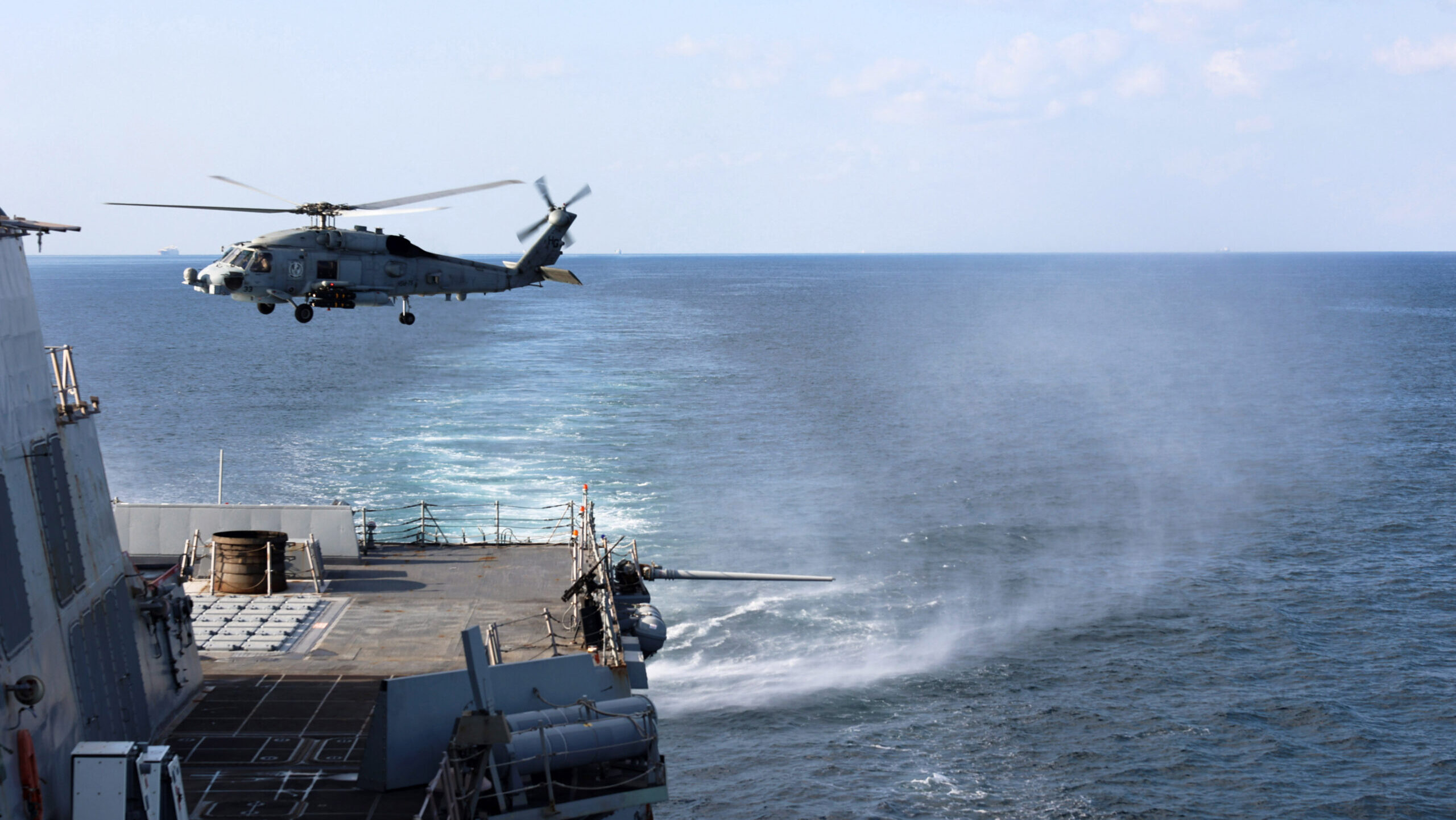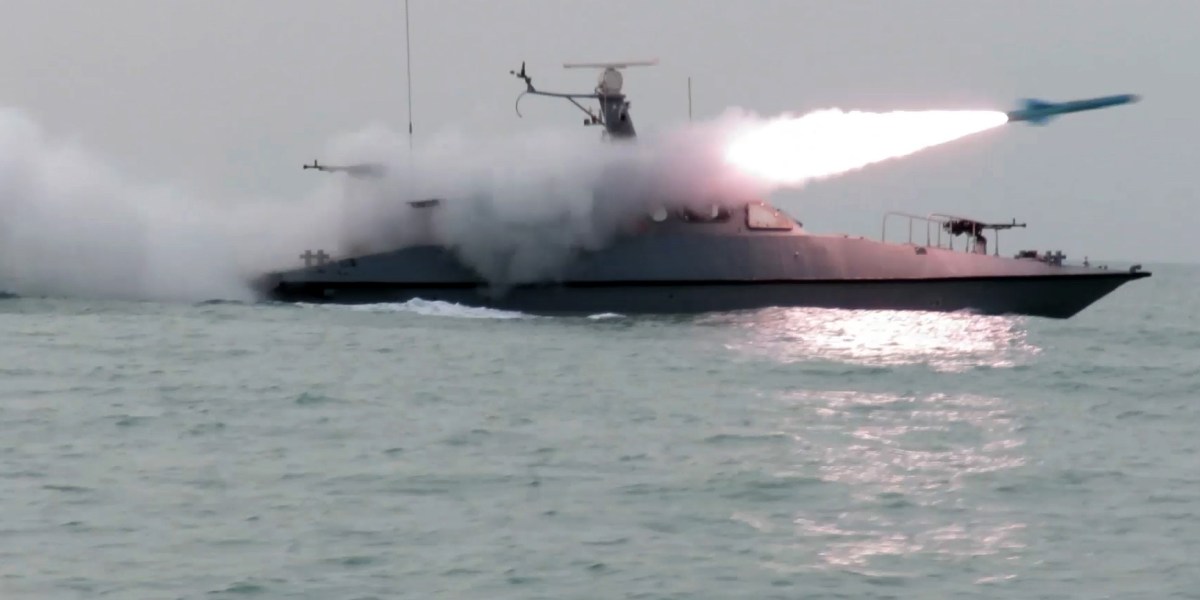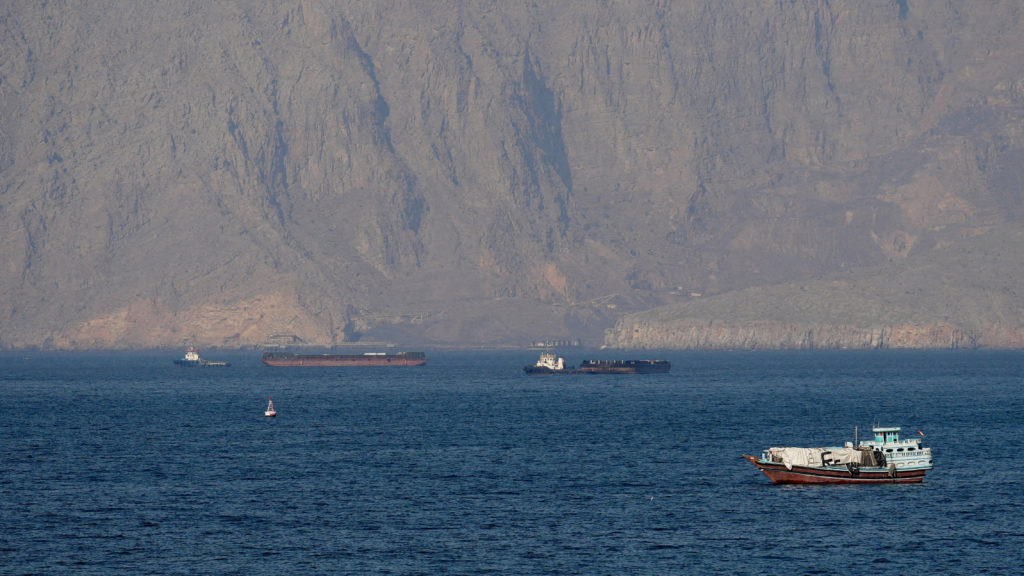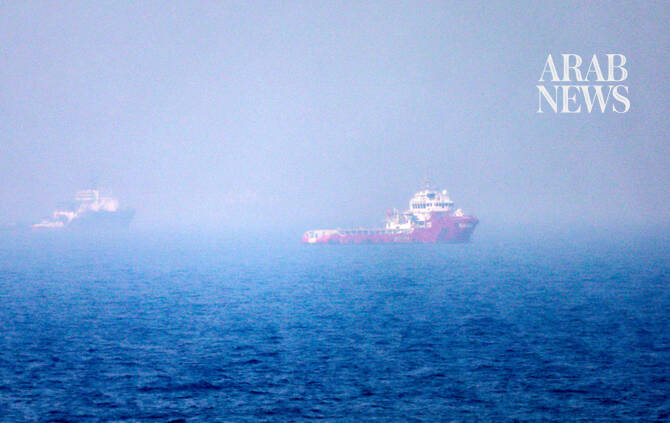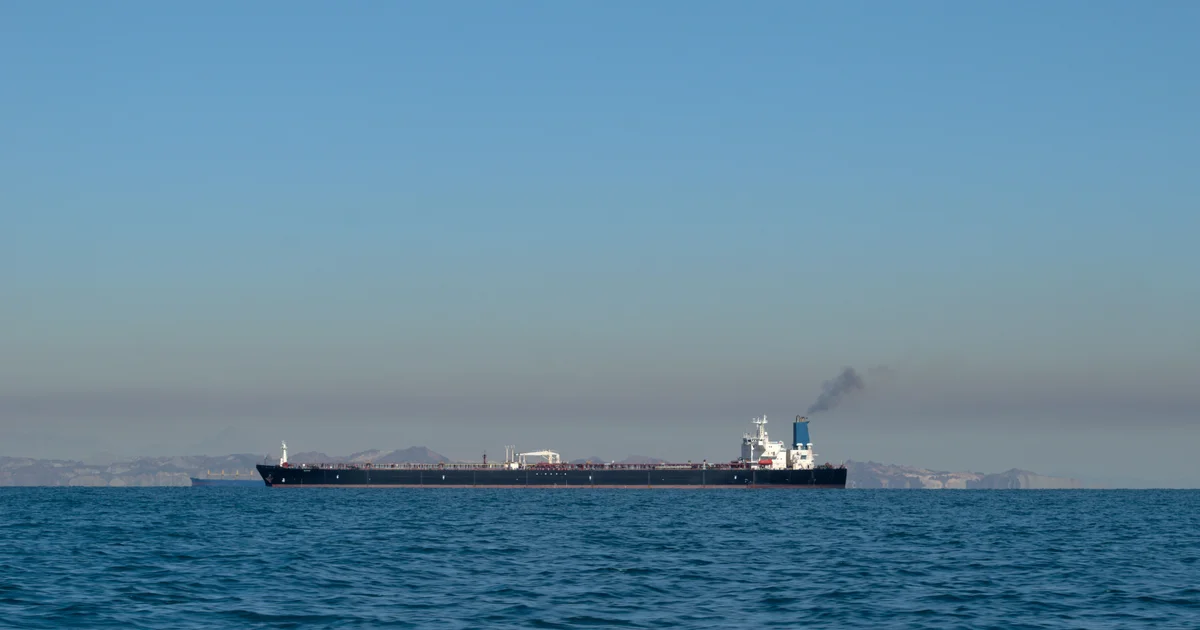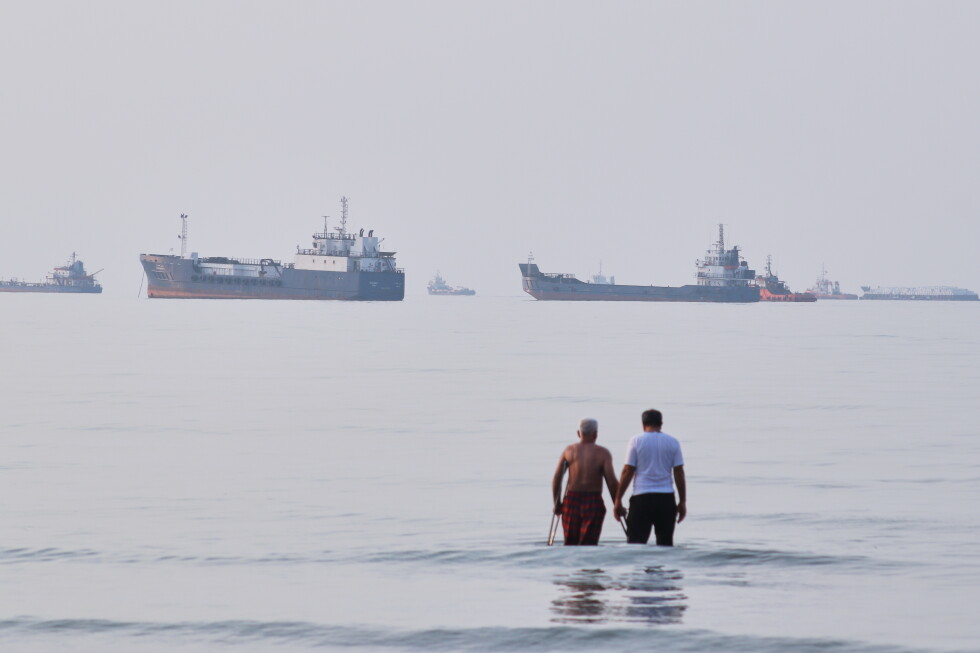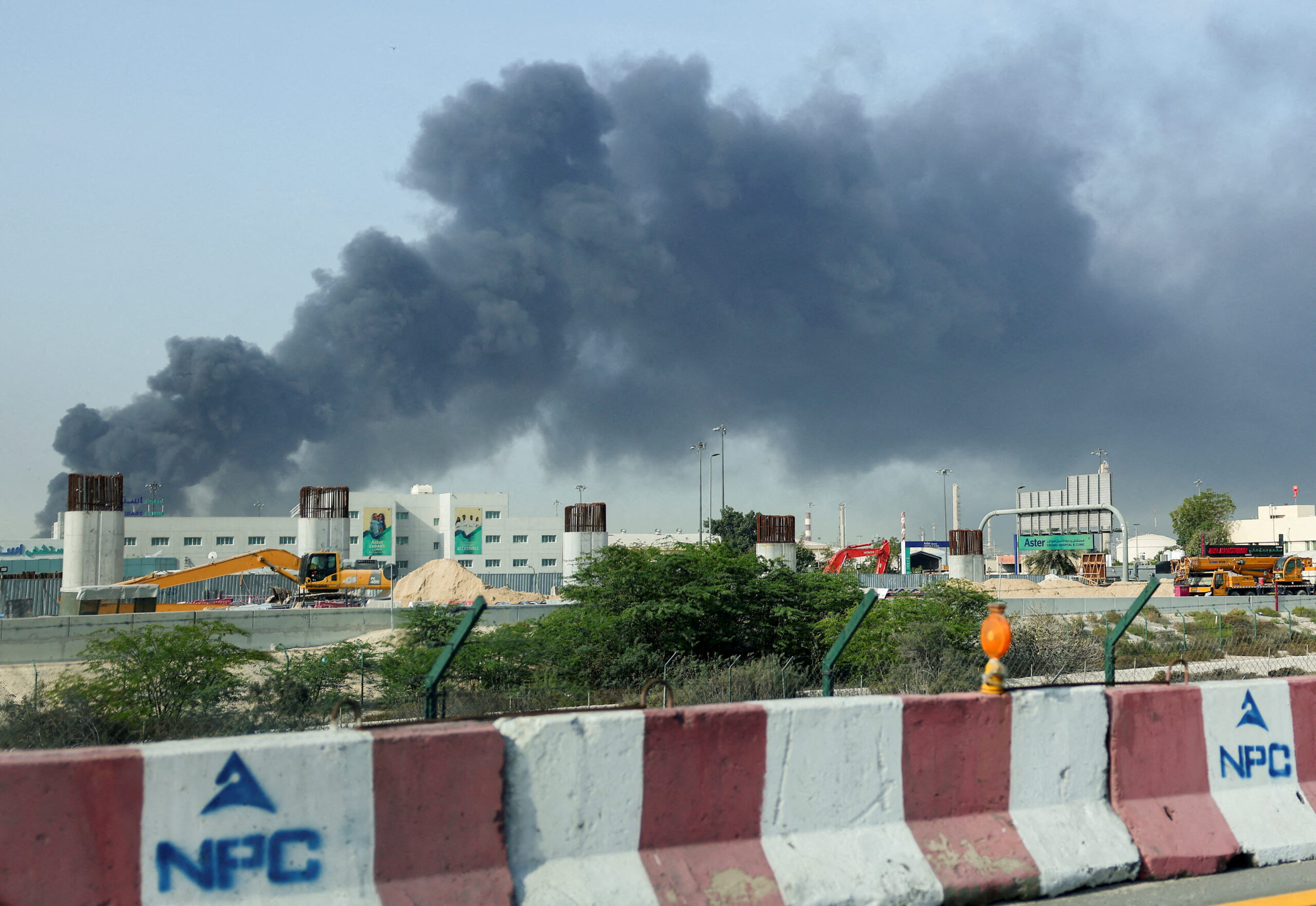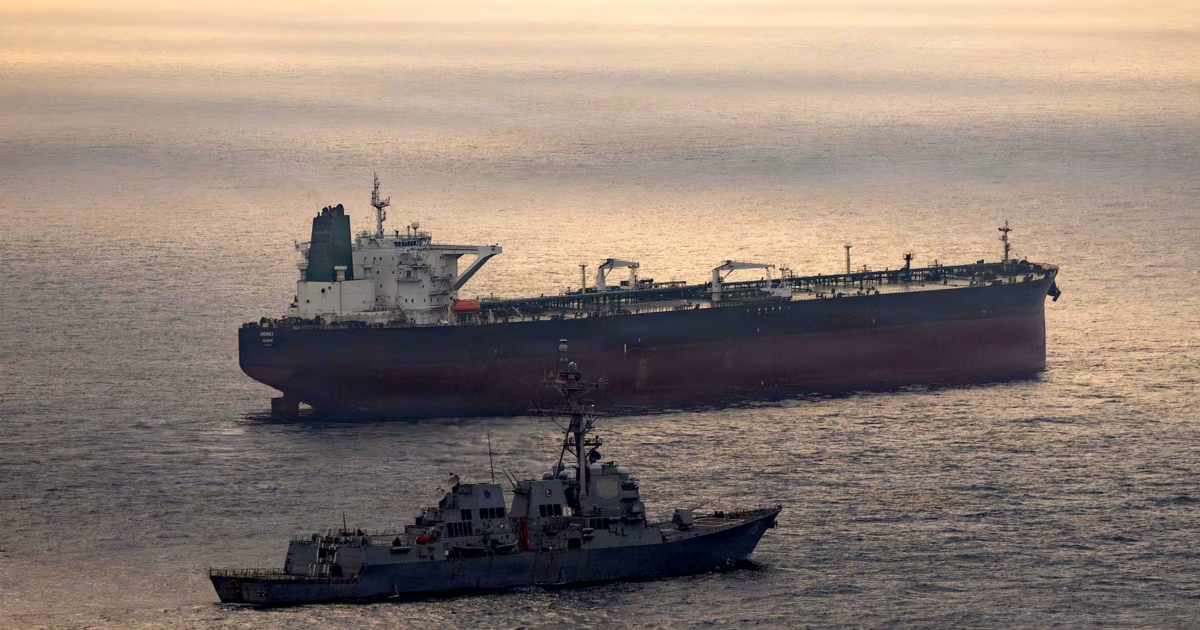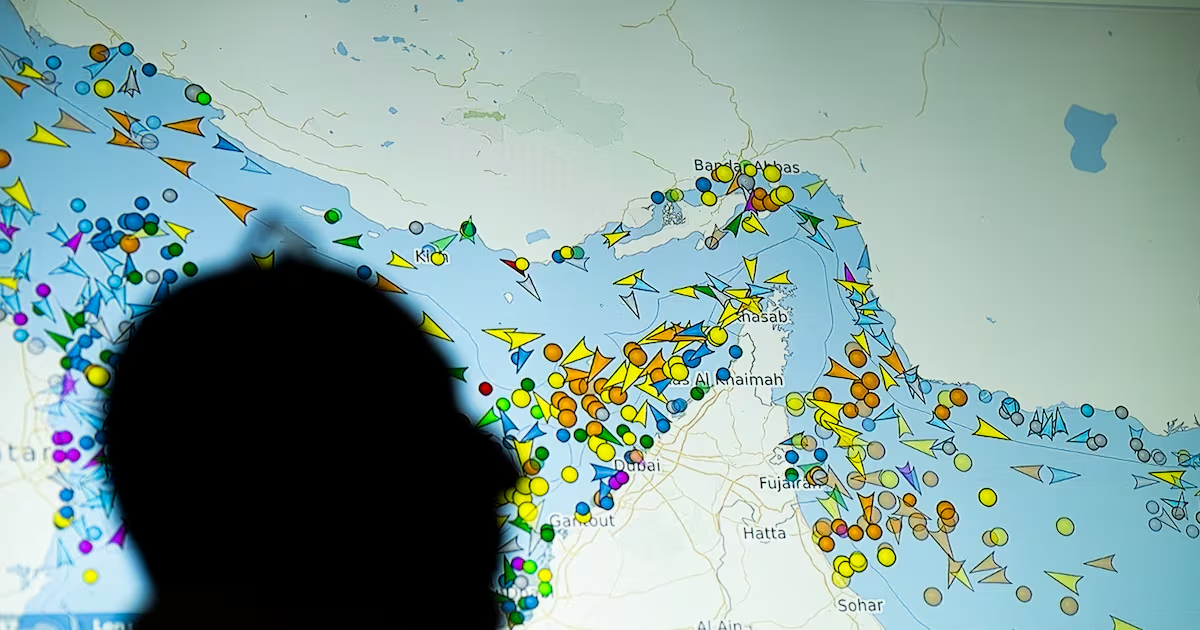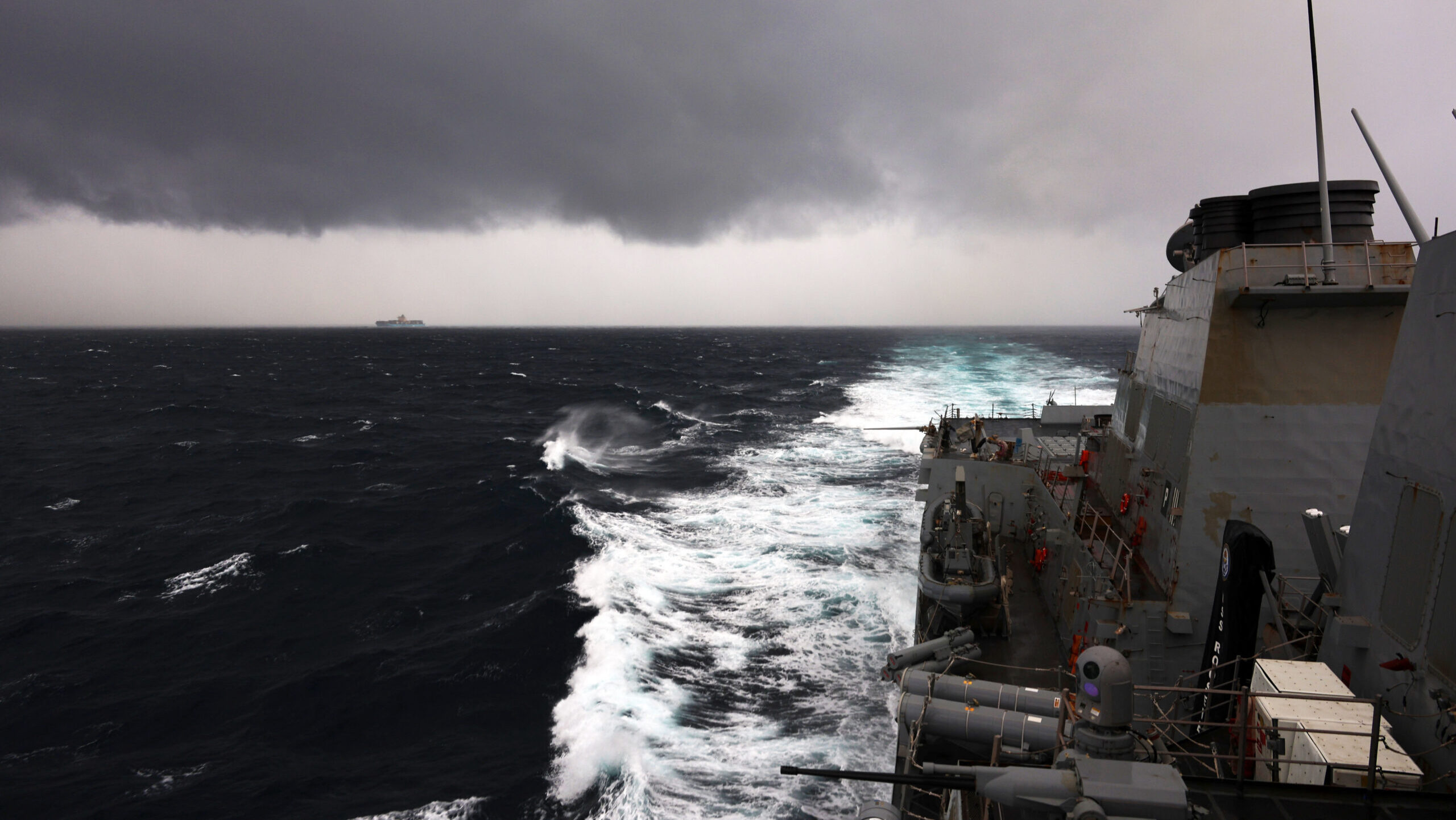
The collapse of negotiations between the US and Iran can be traced to a single point of failure: the inability of the US military to keep the Strait of Hormuz open in the face of Iranian opposition.
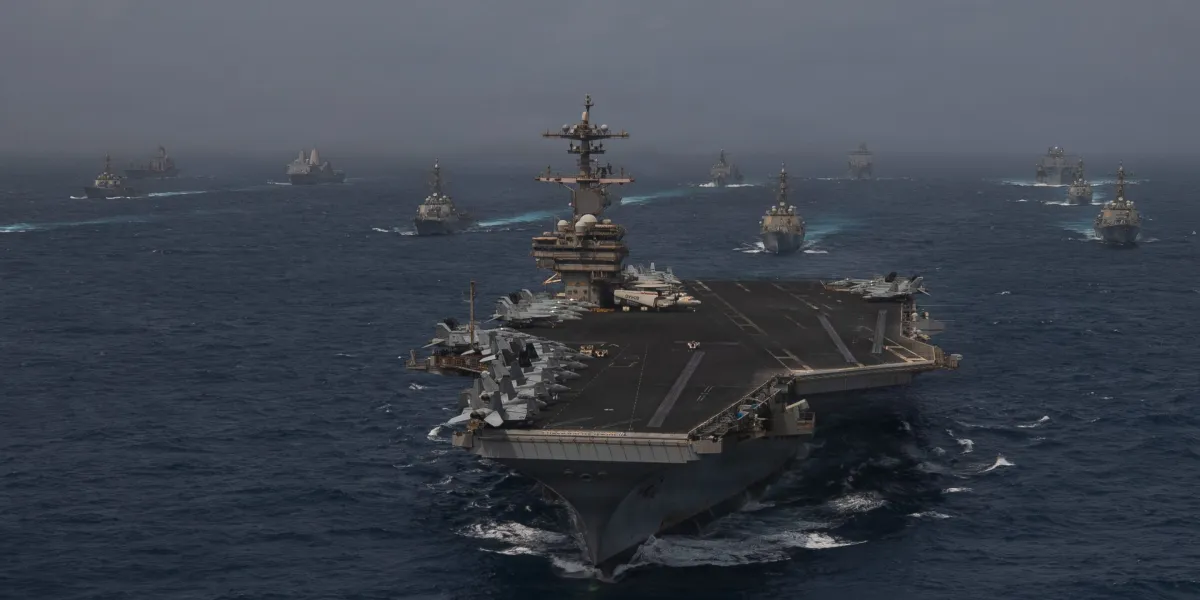
The challenge has been long anticipated. The Navy has been thinking about it for 45 years, ever since it escorted tankers through the Persian Gulf in the 1980s and successfully thwarted Iranian efforts to control traffic. As a junior Marine officer, I participated in amphibious planning exercises to capture islands in the Strait. Yet, when the moment came for the Navy to implement its plans, nothing happened.
So why can’t the world’s most powerful military secure the Strait against a country that has no navy? The answer lies partly at the political level, but partly also in a long-term failure to acquire the capabilities needed for this kind of operation, despite knowing that it was strategically critical and likely to occur.
The stakes are worth restating. If the Strait was secure, oil and natural gas would flow, with prices soon declining and shortages disappearing. The US and world economies would rebound.
The United States could probably live with the rest of the current status quo: It has greatly damaged the Iranian nuclear program, military forces, defense industry and particularly Iran’s ability to manufacture ballistic missiles. Much of Iran’s leadership has been killed, depriving it of experience and some internal cohesion. The 24,000 US and Israeli strikes have undoubtedly done major damage that is not yet visible. With assured passage through the Strait, the US would not need to allow a reconstruction fund, sanctions relief, or return of frozen assets. Time would be on our side.