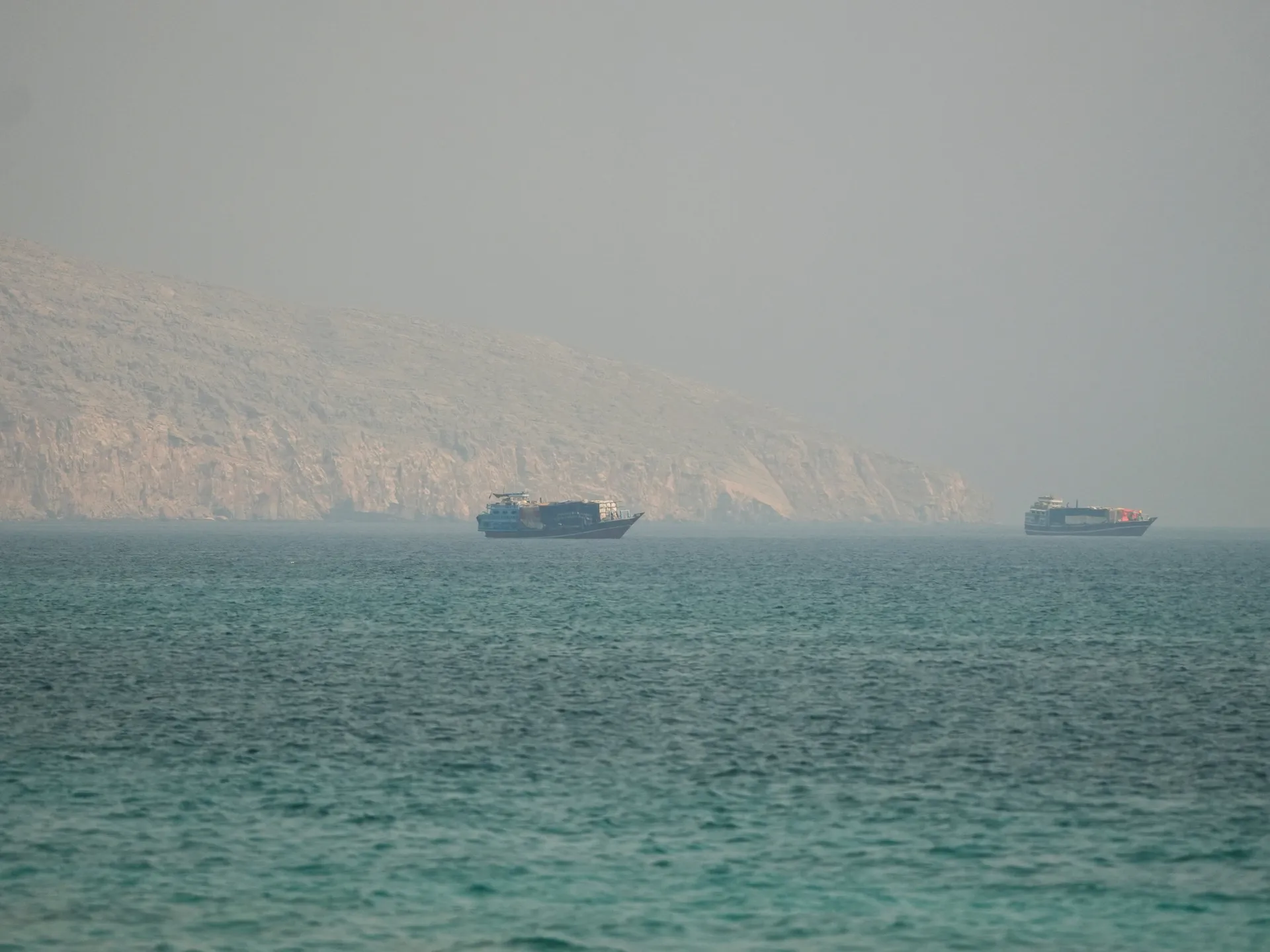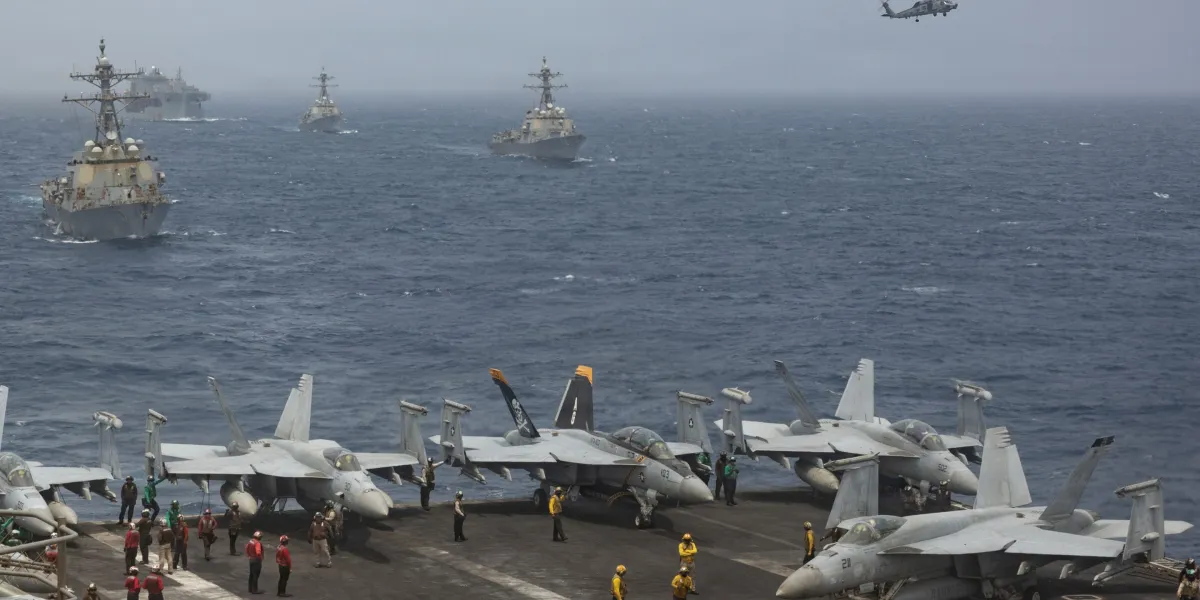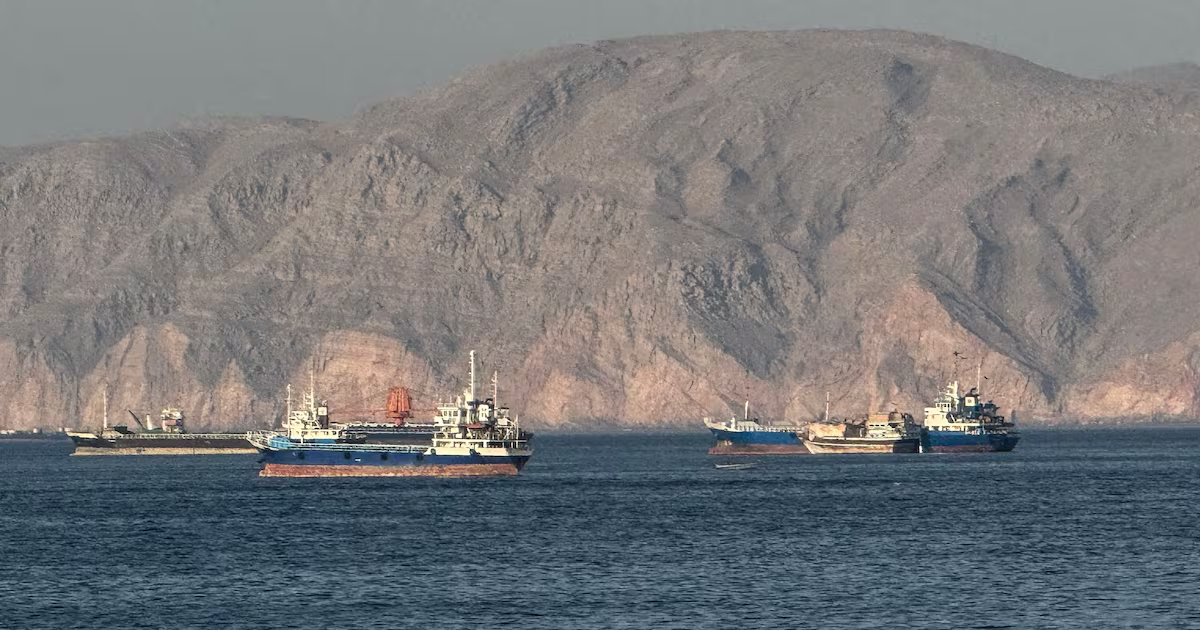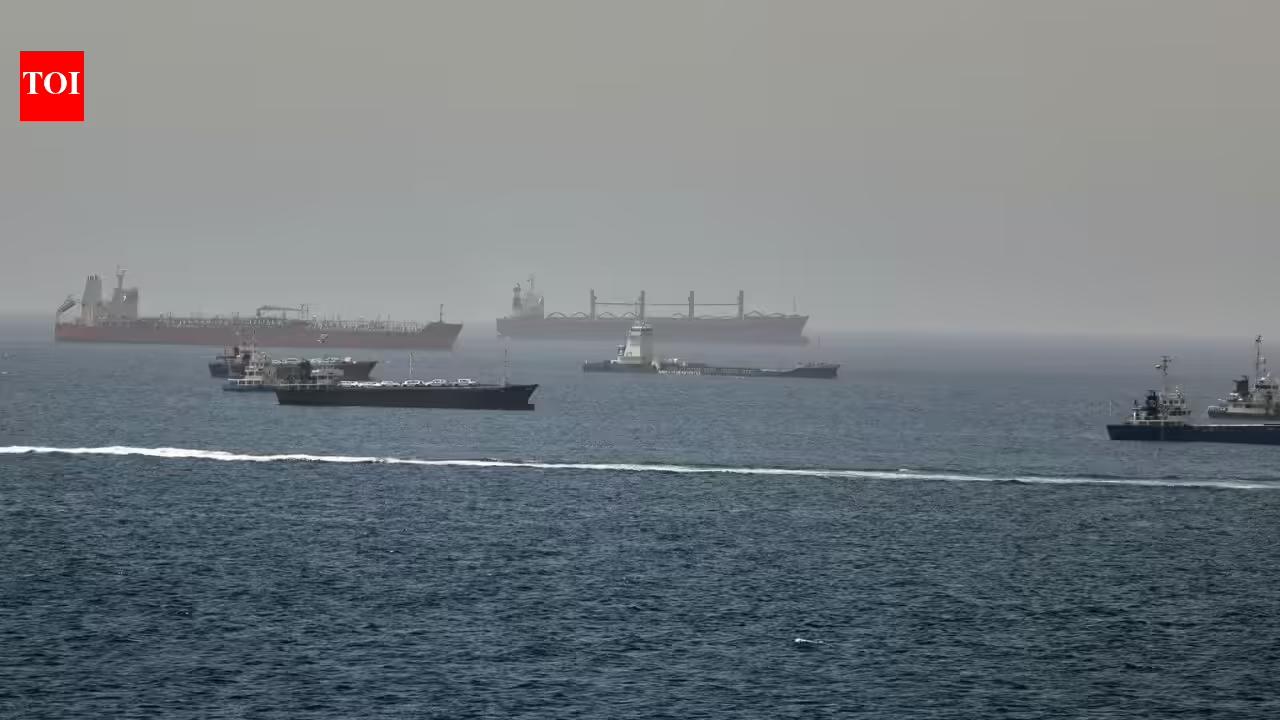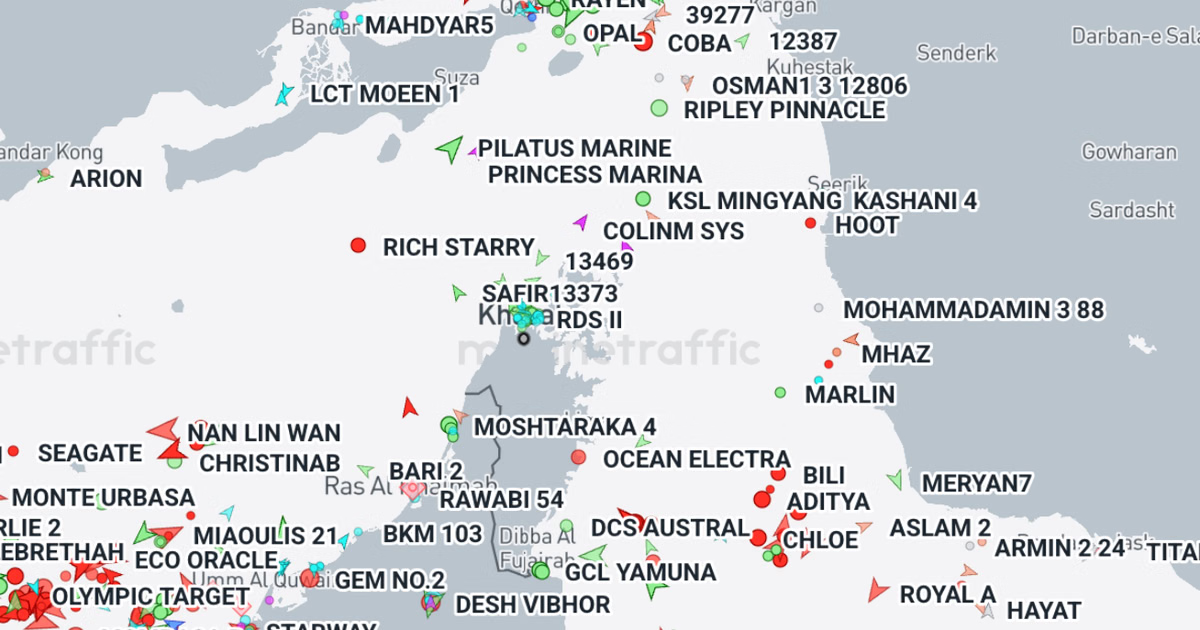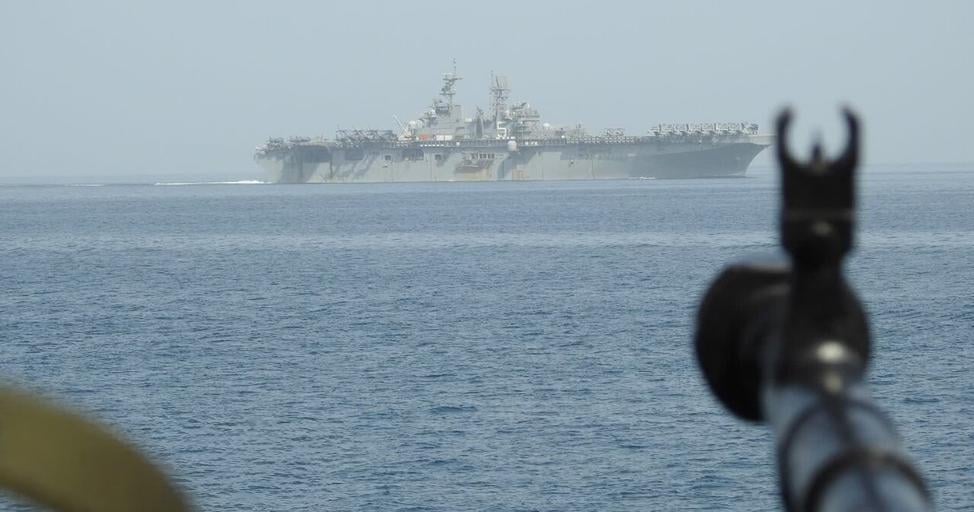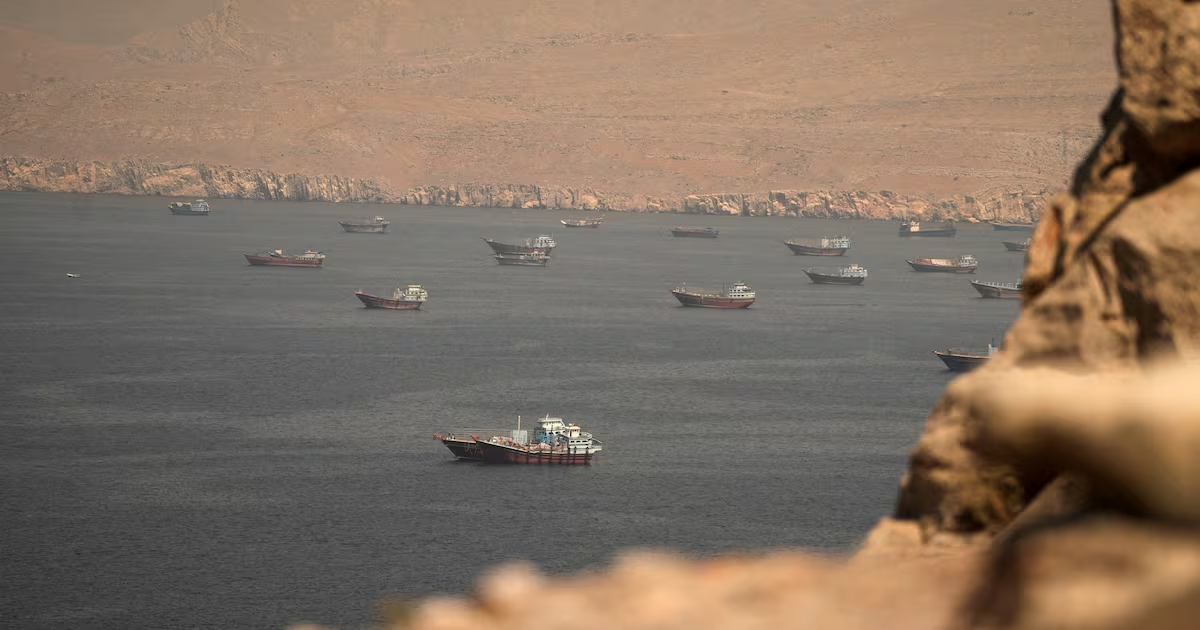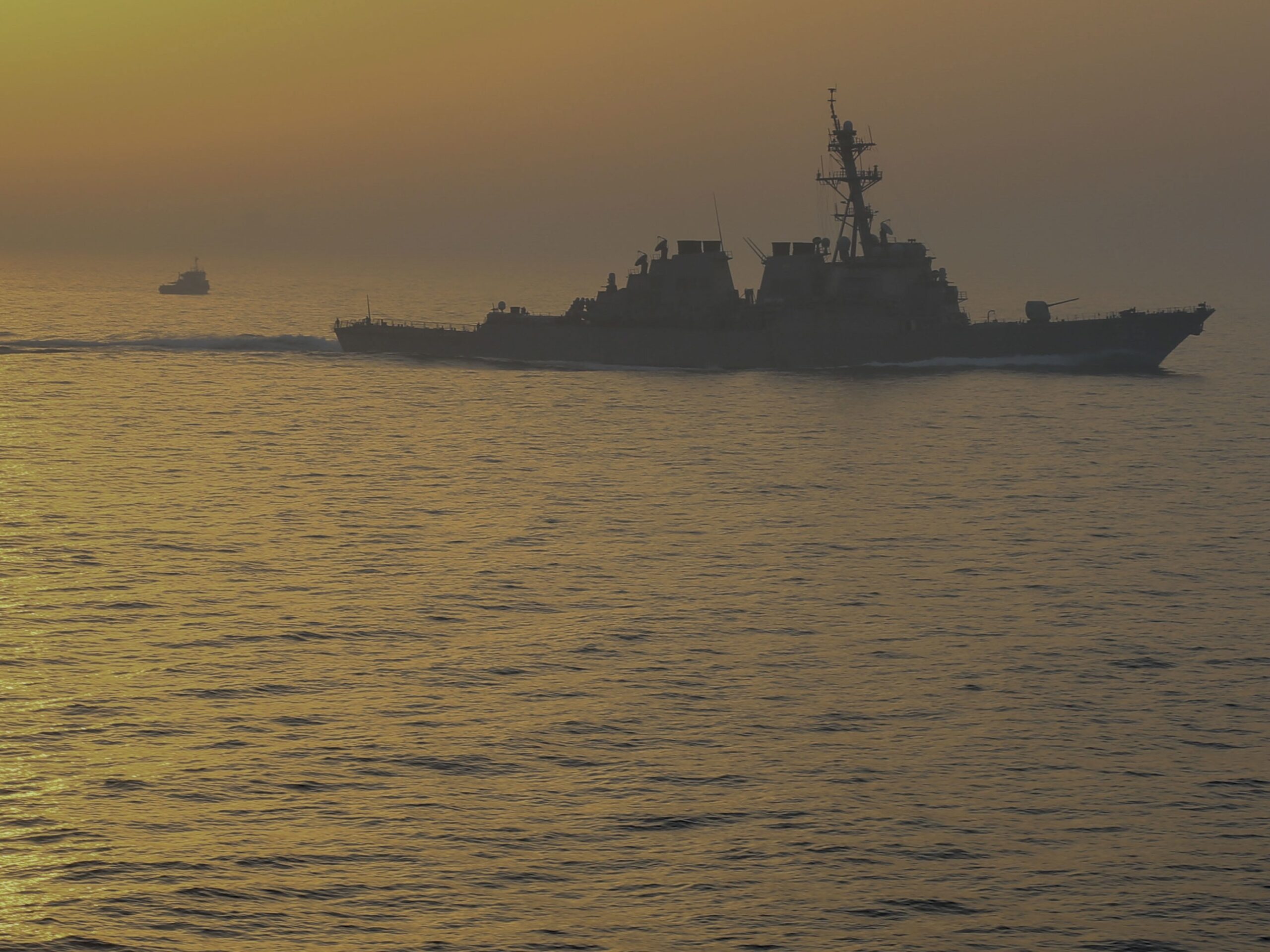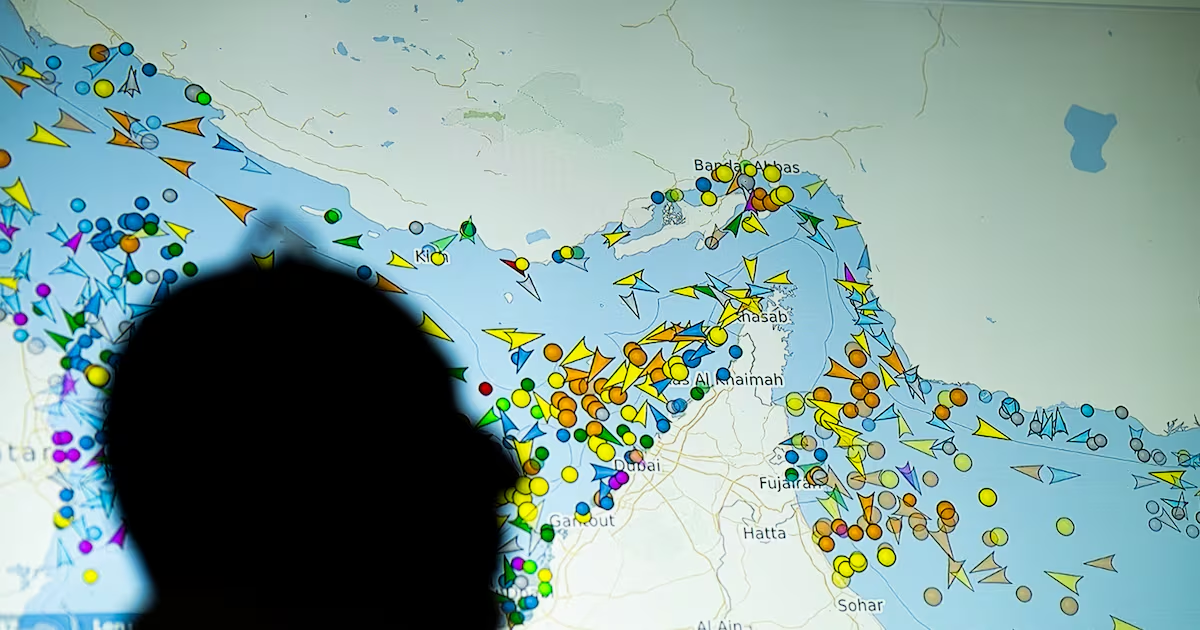
Iran’s July 7 attack on three cargo ships transiting the Strait of Hormuz sparked the latest escalation. AFPInfoInsight and opinion from The National’s editorial leadershipJuly 16, 2026Tomorrow, it will be 30 days since a 14-point framework agreement was signed by the US and Iran to try to end the damaging conflict in the Middle East. Looking at the current situation, it would be fair to say that this process has thus far failed to deliver.Yesterday, Iran’s government said recent US strikes across the south of the country had killed more than 30 civilians. Meanwhile, Tehran’s attacks on civilian shipping in the Gulf, as well as several of its Arab neighbours, have also cost lives. Both show what happens when agreements struck in a zero-trust situation are not backed up by enforcement or strategic patience.Many factors have led the region to this current point. Iran’s July 7 attack on three cargo ships transiting the Strait of Hormuz sparked the latest escalation. This latest example of coercive Iranian behaviour in the Gulf has made confidence building difficult and undermined the agreement with Washington. Such pressure tactics also call into question Tehran’s sincerity about wanting to reach an accommodation.Play02:09Lana Nusseibeh: Strait of Hormuz must be reopenedMeanwhile, Washington’s reactive decision making and rapidly shifting objectives risk perpetuating a dangerous cycle in which reliance on the use of force merely generates new problems rather than solving existing ones.The cycle of escalation also lets Iran off the hook for its rogue behaviours. Lost amid the din of daily air strikes are the kind of critical questions that the US-Iran memorandum was supposed to answer. These include Iran’s nuclear ambitions as well as its drone and ballistic missile programmes. Such thorny problems cannot be addressed effectively while the region is gripped by directionless confrontation and retaliation.There is much for both sides to lose by continuing in this vein. Holding the Strait of Hormuz hostage is not the power play Tehran thinks it is. As neighbouring countries work on alternative trade and energy routes, Iran’s weakened regime is only bedding in mistrust, not only among its rivals but also among those with whom it must share this geography. Similarly, the US is paying a large price in money, manpower and munitions by maintaining an open-ended military mission that lacks a clear endgame.QuoteThe cycle of escalation also lets Iran off the hook for its rogue behavioursThe crisis highlights a hard truth: military power alone cannot resolve this problem. Diplomacy may often be slow and frustrating. It rarely produces easy wins or immediate victories. Nevertheless, there is no other realistic way out. The increasing militarisation of critical waterways cannot lead to a sustainable security arrangement.This truth was reflected in a recent call by UAE Minister of State Lana Nusseibeh for Hormuz to be reopened through diplomatic means. Indeed, the UAE’s approach throughout this crisis has been to recognise that security requires vigilance and dialogue.Right now, the region is watching a pattern of improvised responses and escalation that offers lasting security to no one. The time for crisis management has passed and if the memorandum is to achieve anything, then its next 30 days must witness freedom of navigation return to Hormuz. This is the basis upon which tensions can be reduced and the conditions created for a real peace.Updated: July 16, 2026, 3:00 AM
Why freedom of navigation must return to Hormuz | The National
Improvised responses and directionless escalation offer lasting security to no one
554 words~3 min read