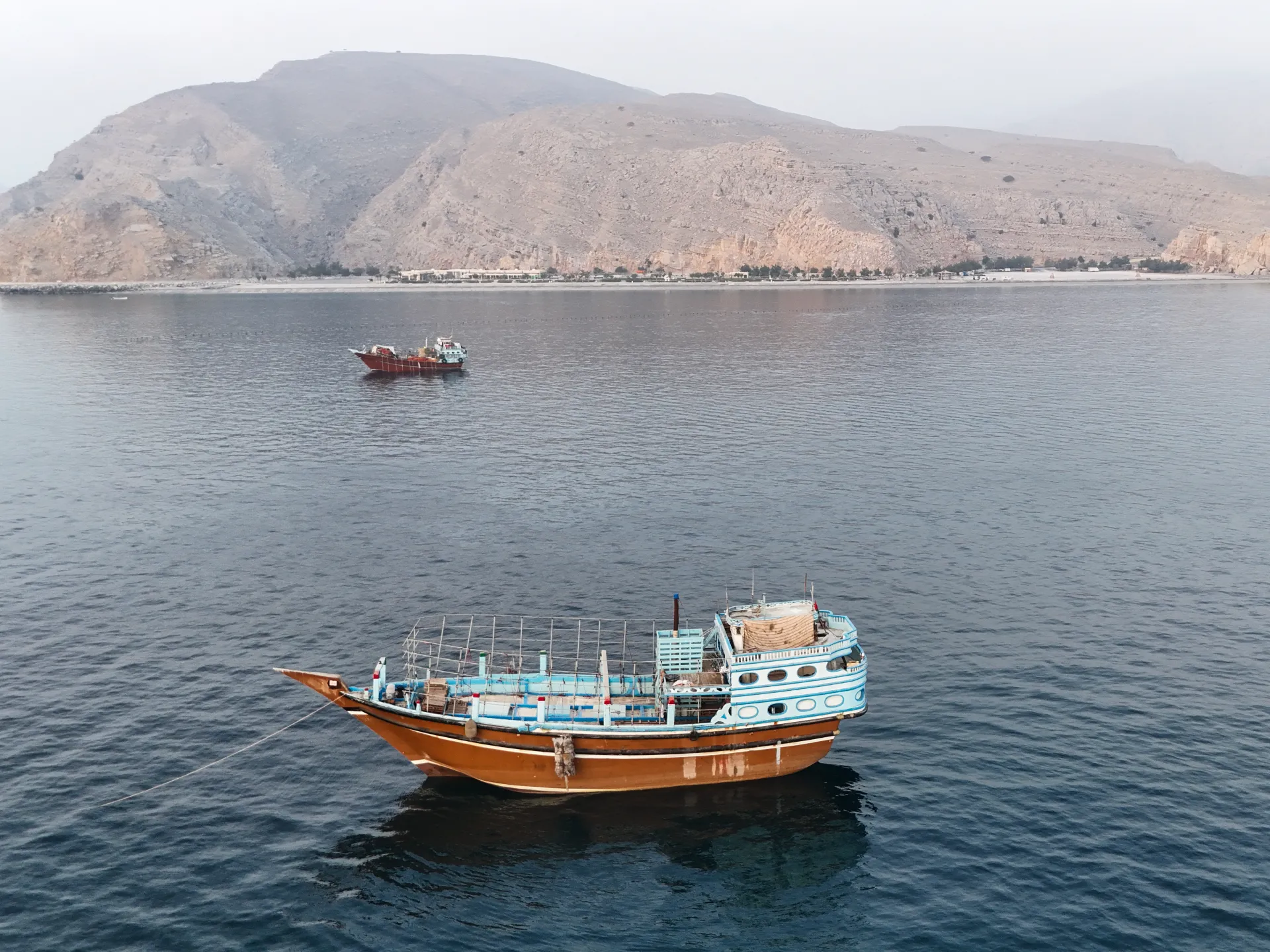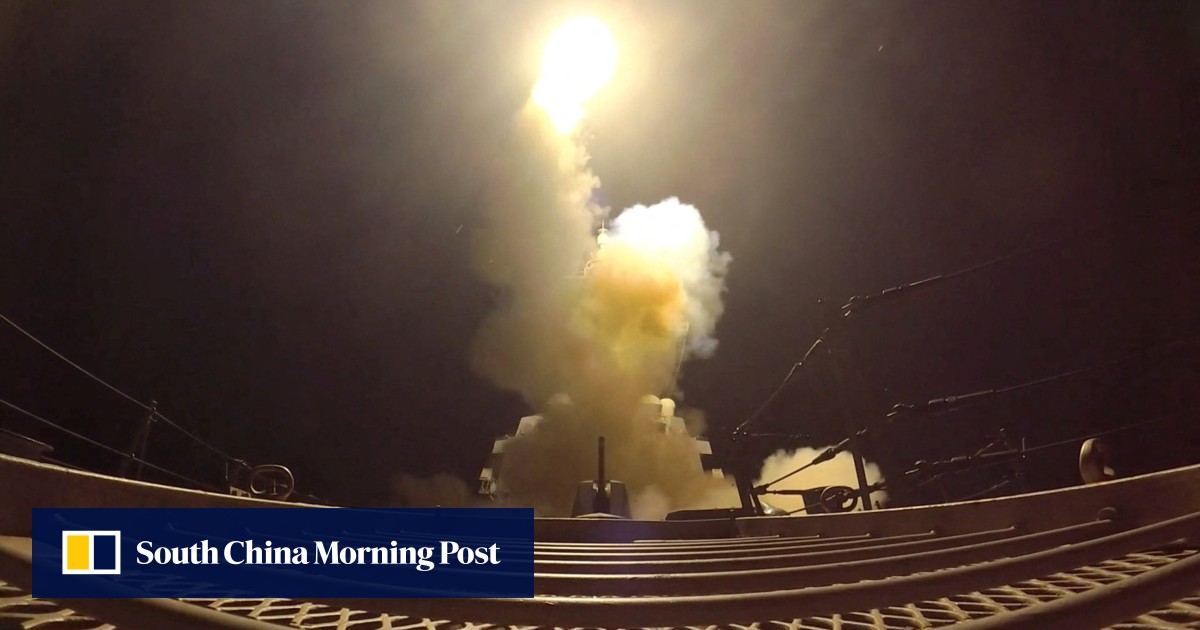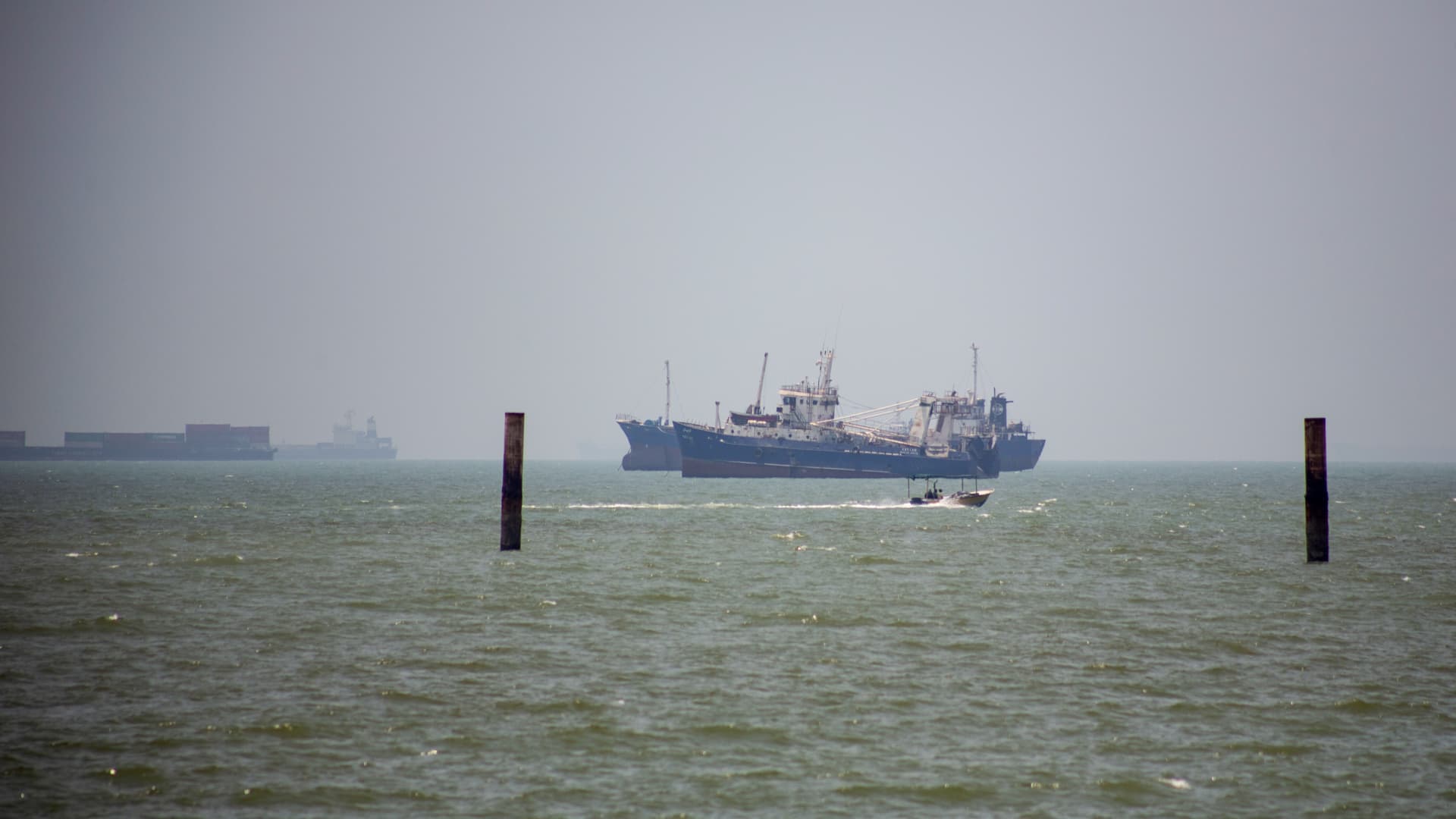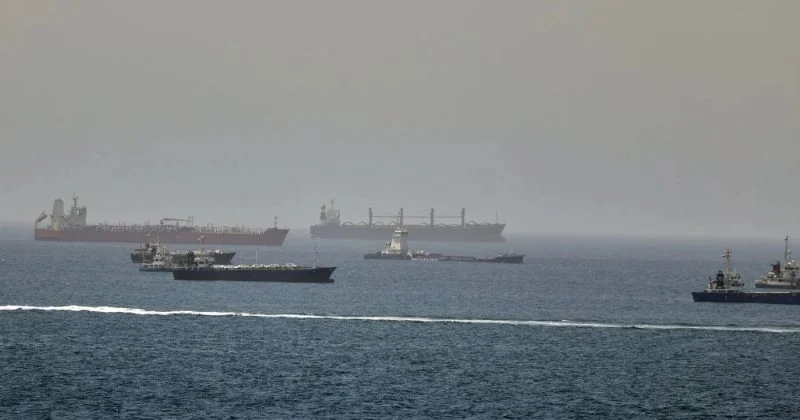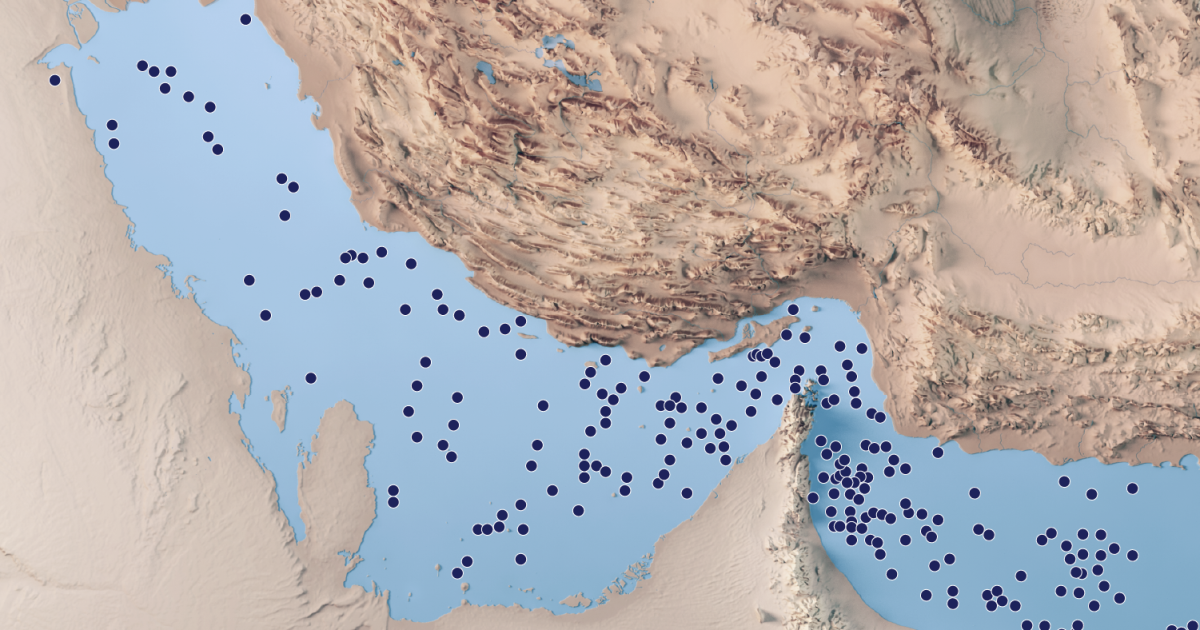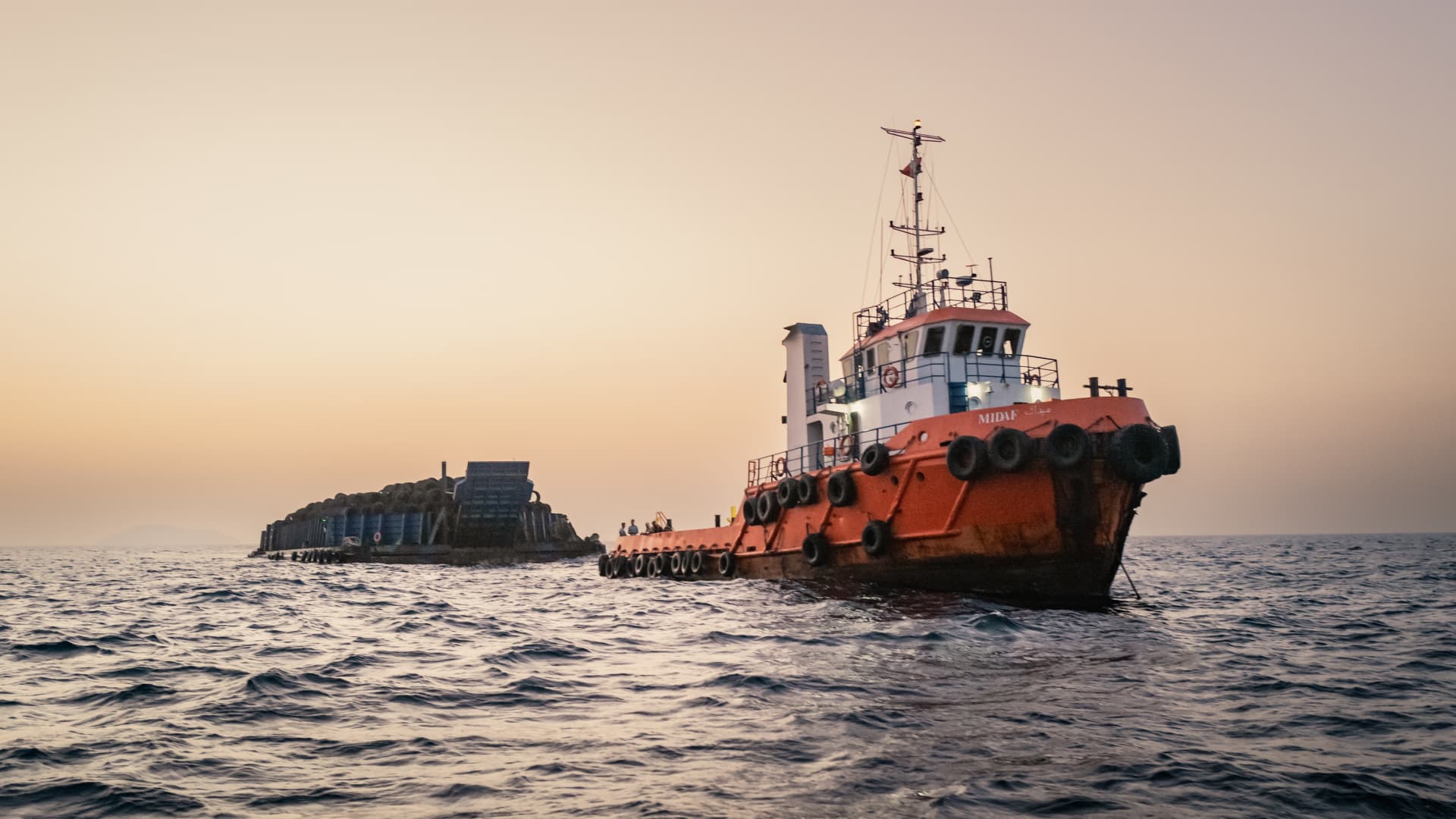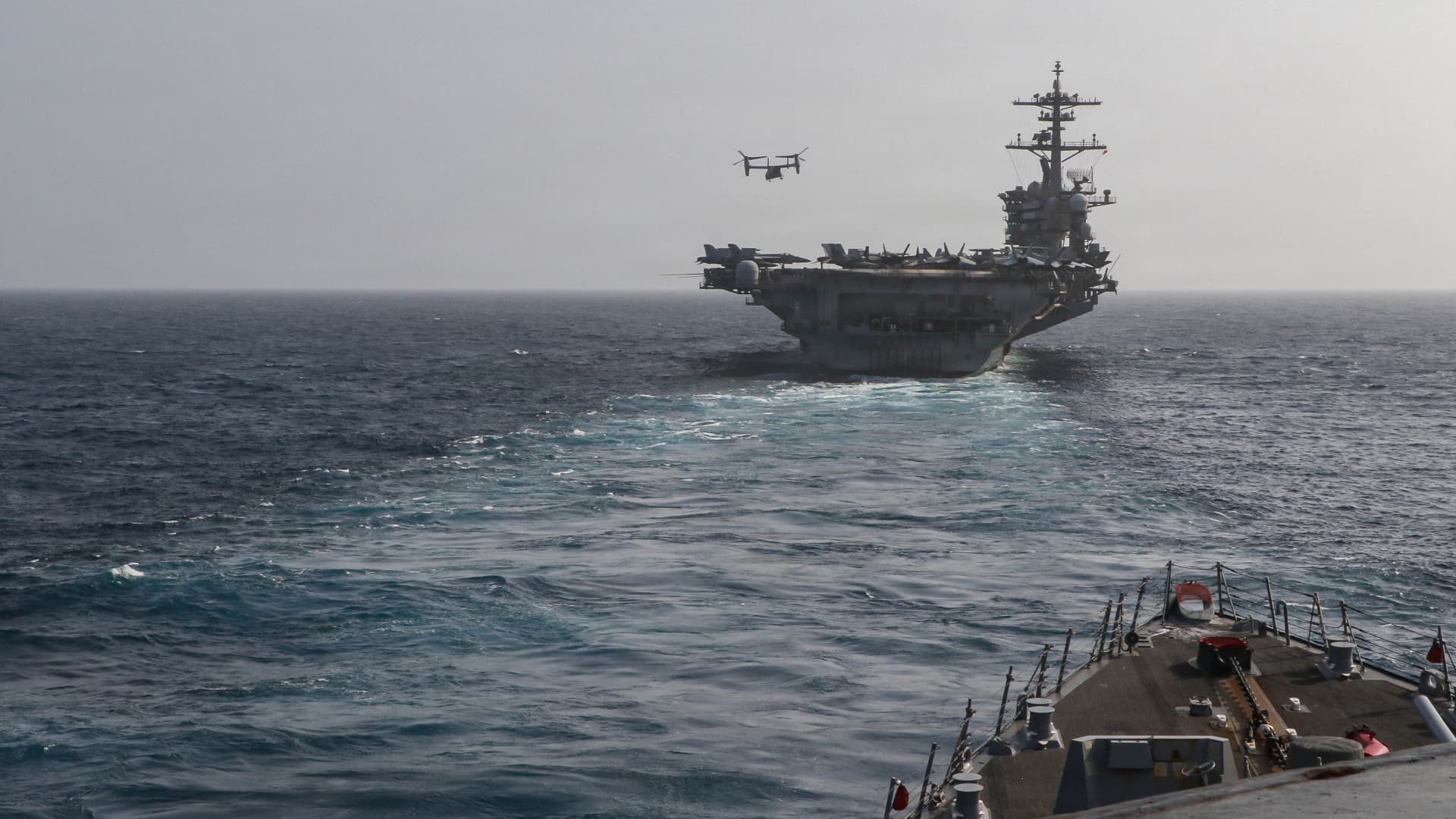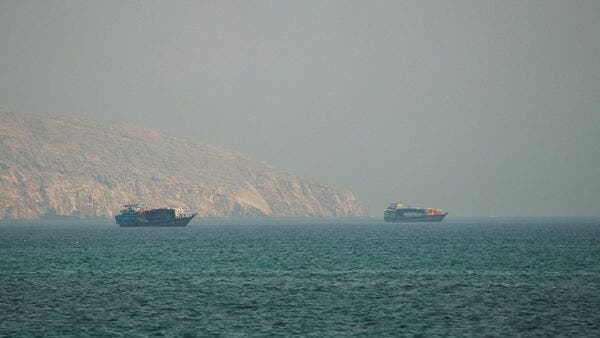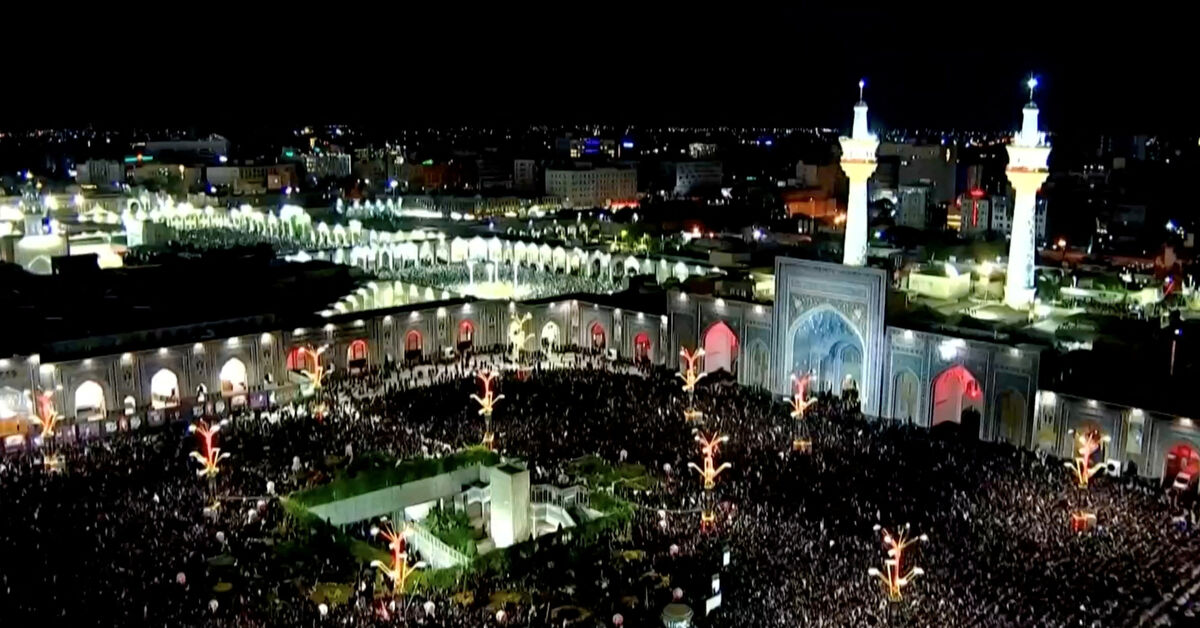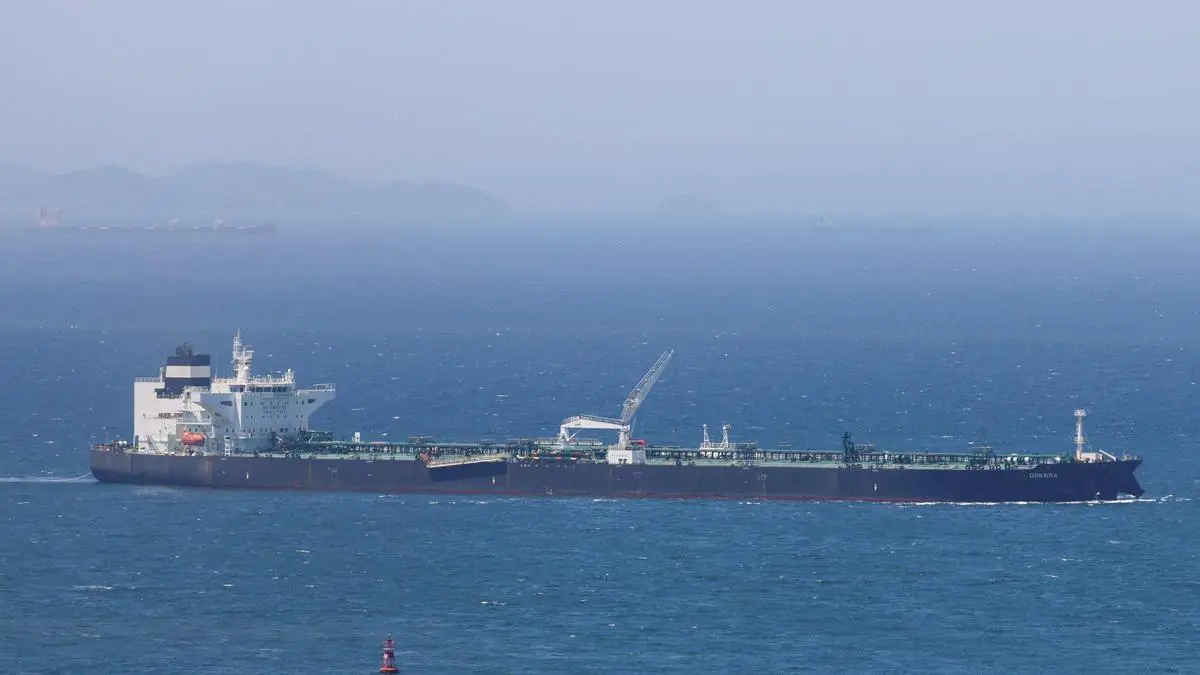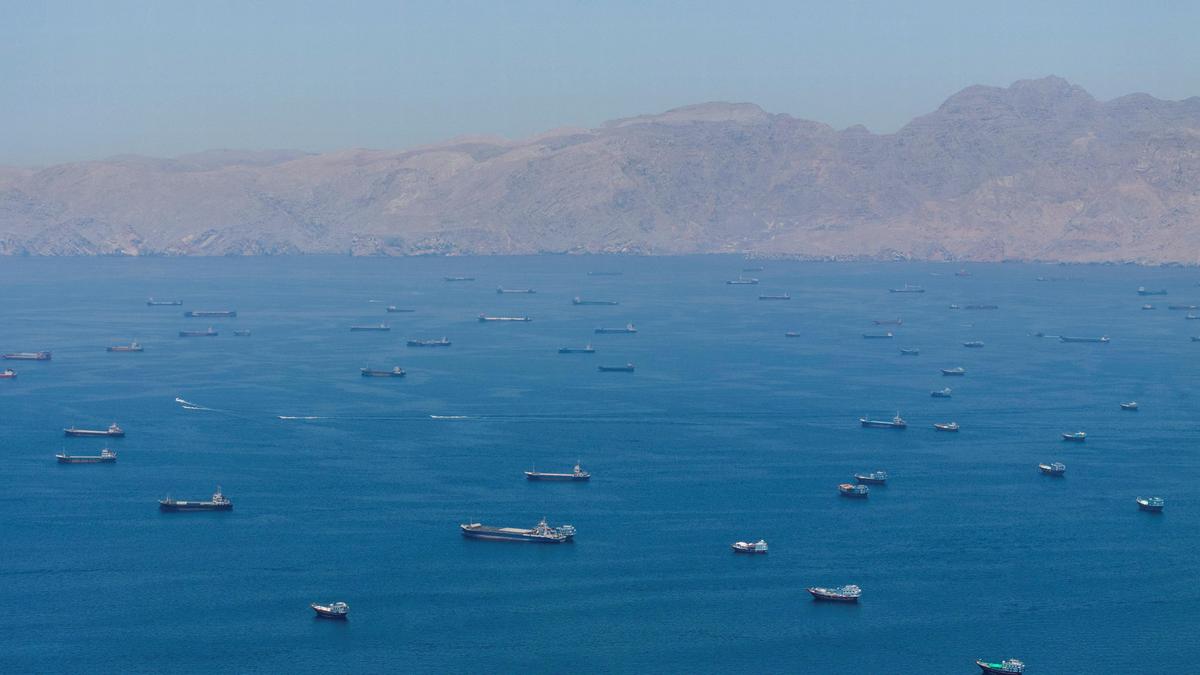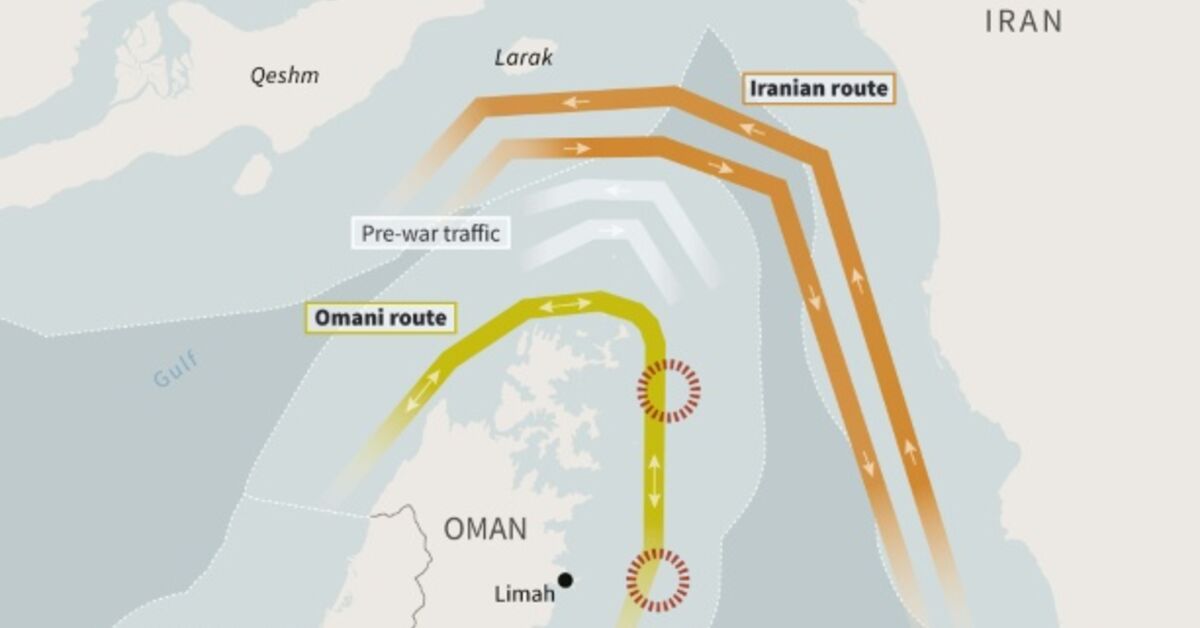
Three vessels were struck in the Strait of Hormuz from Monday into Tuesday, straining peace talks between the United States and Iran shortly after a temporary framework allowed ships to resume movement through the vital passage. One tanker off the coast of Oman caught fire after it was hit, while another was struck by a drone, according to the United Kingdom Maritime Trade Operations center. Both ships sustained damage, though no crew members were injured, the agency said. Iran has not directly claimed responsibility for the attacks, but has implied involvement. The tanker that caught fire had ignored warnings, Iranian state television said on Monday, noting that it was transporting gas from Qatar. If Iran was involved, the attacks could be considered a violation of the ceasefire agreed to in a memorandum of understanding (MOU) between the U.S. and Iran. It stipulates that the strait would reopen, toll free, for 60 days. In response to its signing in June, commercial traffic quickly resumed, going from near zero to over 20 crossings a day, according to the maritime tracking platform Winward.Negotiations to advance the MOU are currently stalled amid a six-day period of mourning for Iran’s late Supreme Leader Ayatollah Ali Khamenei, who was killed in the U.S.-Israeli airstrikes that started the war on Feb. 28.However, Trump said on Monday that Iran would need to “make a deal, or we’re going to finish the job.”Qatar holds Iran “fully legally responsible” for the attack, according to the spokesperson for its foreign ministry, Majed Al-Ansari.He demanded that Tehran “immediately cease all practices that undermine regional security” and “refrain from endangering global energy supplies."Tuesday’s strikes follow a similar event from last month: Iran hit a vessel after the Islamic Revolutionary Guard Corps (IRGC) warned that ships must coordinate with its navy and follow designated routes. The Persian Gulf Seaways Management Organization, which was created by Iran to oversee the strait, said: “The consequences of traveling on unauthorized routes will be the responsibility of the owner, operator, and commander of the vessel.” After the incident in June, the U.S. levied retaliatory attacks on Iran that U.S. Central Command (CENTCOM) described as “a powerful response” that hit “missile and drone storage locations and coastal radar sites.”But the response may not have succeeded as a deterrent. Iran warned last week that any U.S. interference to its regulation of the strait would “be met with a rapid and decisive reaction.”A broader backdrop of uncertaintyFurther complicating any progress with peace talks are recent military actions between Israel and Lebanon. Iranian Foreign Minister Abbas Araghchi said on Tuesday that Iran will not negotiate with the U.S. until those operations cease.“We assure you that we will not resume negotiations as long as the first clause of the memorandum is not implemented and a ceasefire and cessation of hostilities are not achieved," Araghchi said, according to Lebanon’s official news agency. That would also involve Israel’s full retreat from Lebanon. "There will be no final agreement with the Americans except after the Israeli withdrawal from Lebanese territory, and no agreement without the implementation of this withdrawal,” Araghchi said.U.S. and Iranian negotiators met in Doha, Qatar, last week with Qatari and Pakistani mediators for talks focused primarily on the strait—including Iran's plan to charge fees for passing ships. Oman last week delivered a proposal to the U.S. that would involve both it and Iran monetizing traffic through the strait, according to The New York Times. The U.S., however, supports free passage through the strait, which has been the standard for decades. Trump has called fees along the strait "unacceptable."Following those discussions in Qatar, Al-Ansari announced that the next round of negotiations would come “at the earliest possible time” after Khamenei’s burial, which takes place on Friday.
Fresh Attacks in the Strait of Hormuz Raise Stakes for Peace Deal
A cluster of strikes on vessels in the Strait of Hormuz puts a fragile peace framework into jeopardy, as unrestricted passage is a central provision of the newly brokered agreement between the U.S. and Iran.
622 words~3 min read