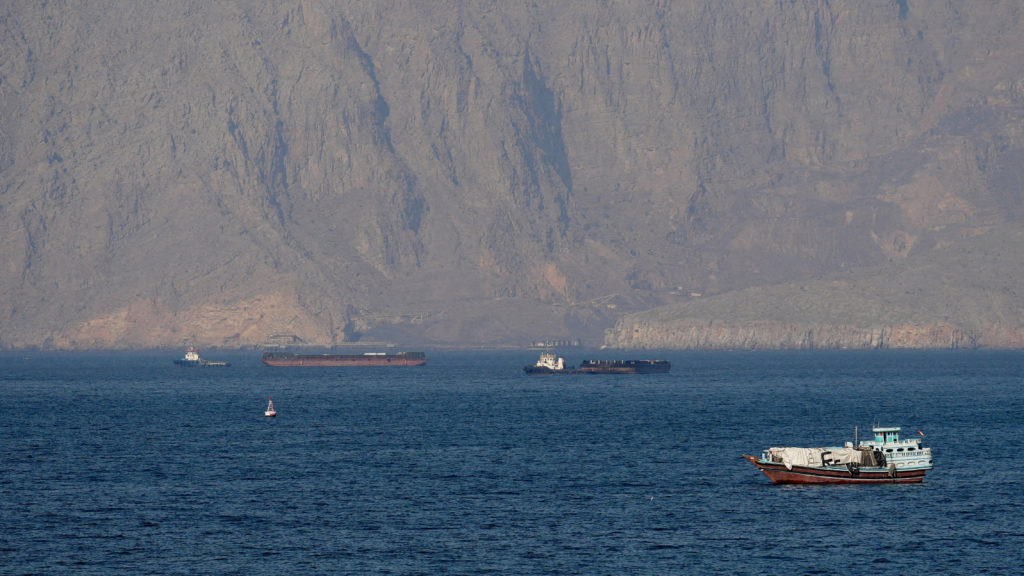
WASHINGTON (AP) — President Donald Trump has been trying to force Iran to fully reopen the Strait of Hormuz for months, turning to everything from airstrikes and naval blockades to negotiations and threats to destroy a "whole civilization."
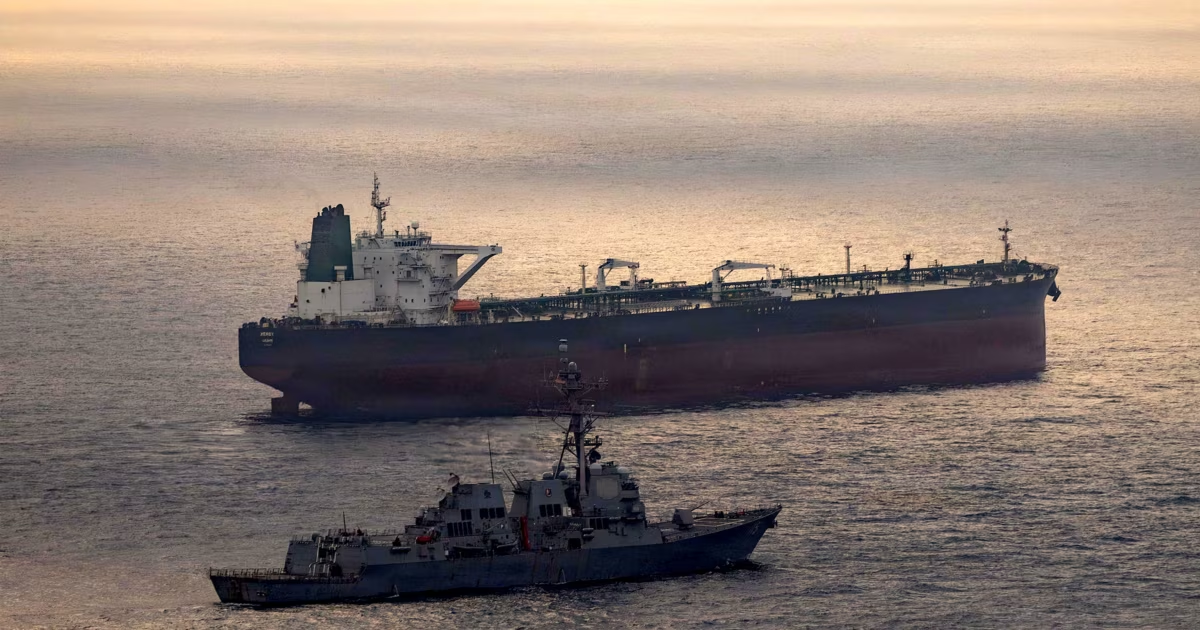
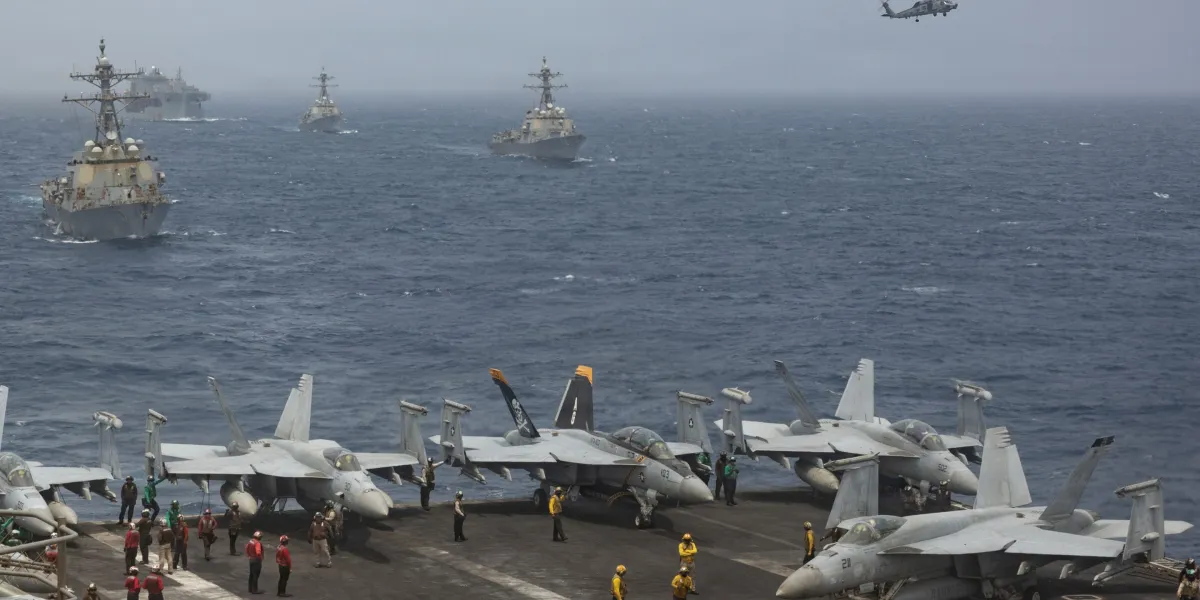
But restoring oil tanker traffic in the vital Middle East shipping corridor to prewar flows likely will require a much bigger armada of U.S. warships if not tens of thousands of American troops on Iranian soil, experts say. Despite on-and-off fighting, Iran can still target vessels in the narrow Persian Gulf waterway with drones and missiles that have been hidden in a country a third of the size of the continental United States.
"Iran has been preparing for this type of asymmetric conflict for decades now," said Jason H. Campbell, a senior fellow at the Middle East Institute and a former Pentagon official. "I think they're starting to demonstrate why no other U.S. president since Reagan has elected to engage at this level of conflict with Iran, because they have that ability to completely disrupt the Strait of Hormuz."
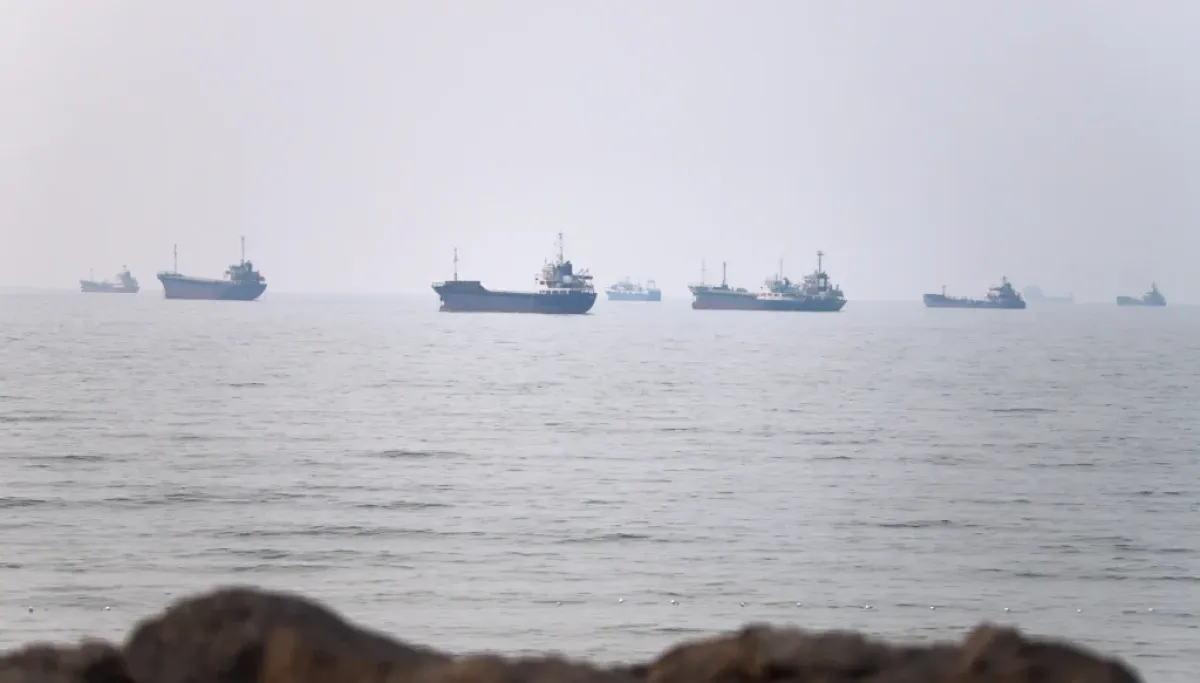
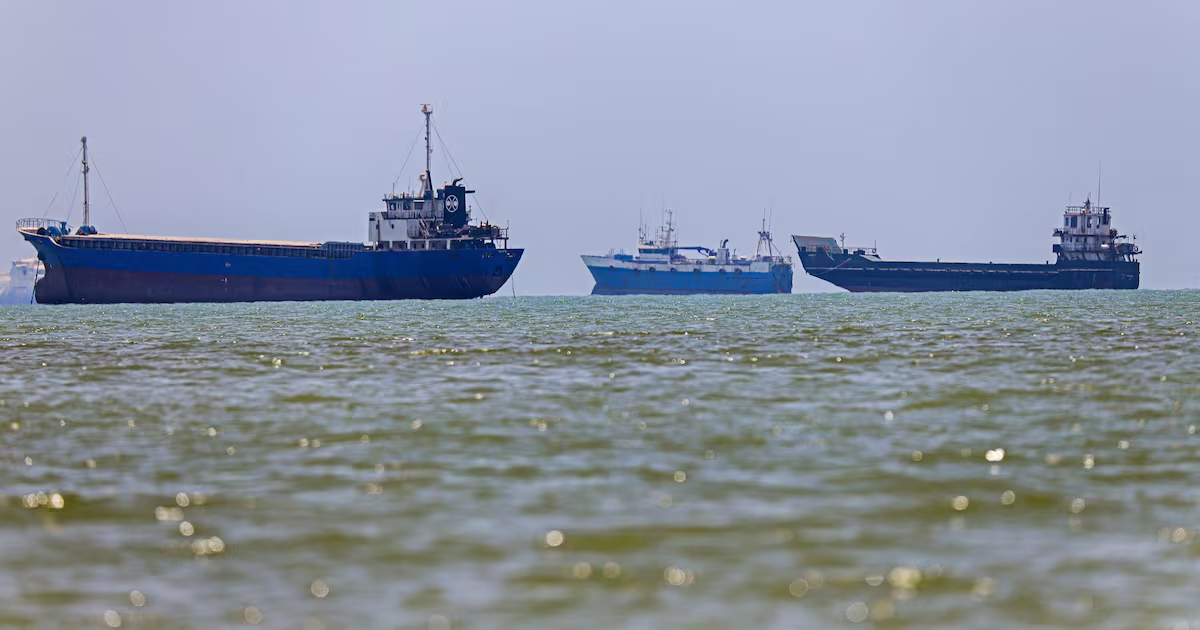
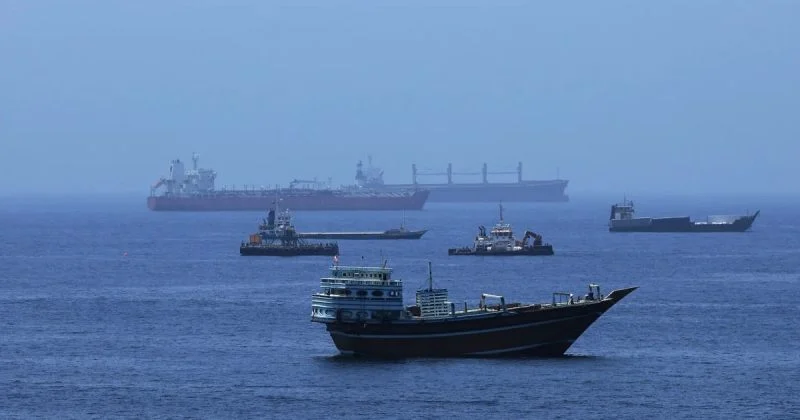
Trump said Monday that the U.S. is reimposing its blockade on Iran's ports and will charge other ships for safe passage through the strait. Iran has insisted it controls the waterway, through which 20% of the world's oil normally flows, while both sides have exchanged fire over the past week in a series of skirmishes that threaten a return to all-out war.