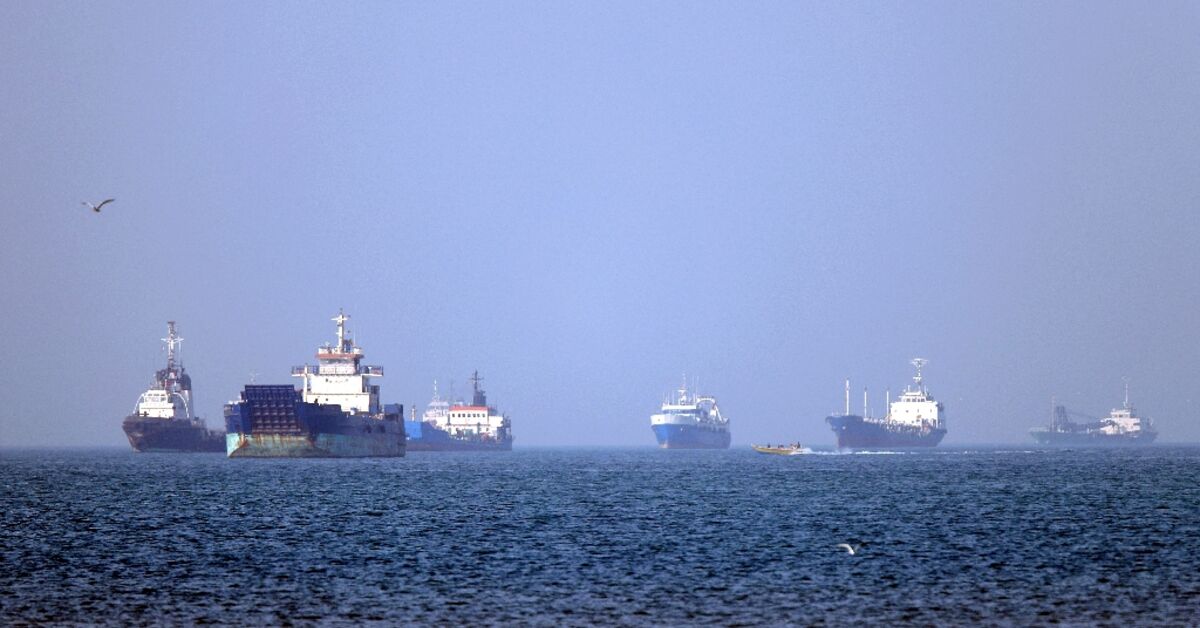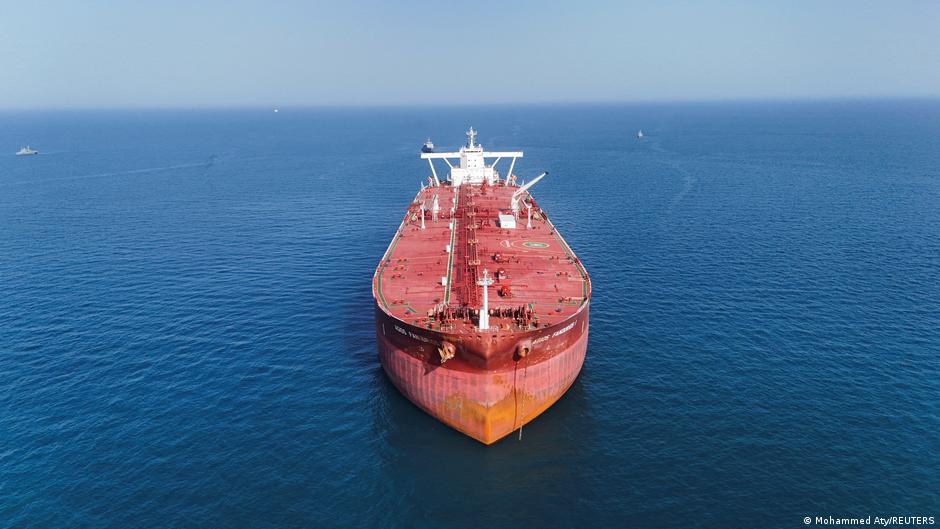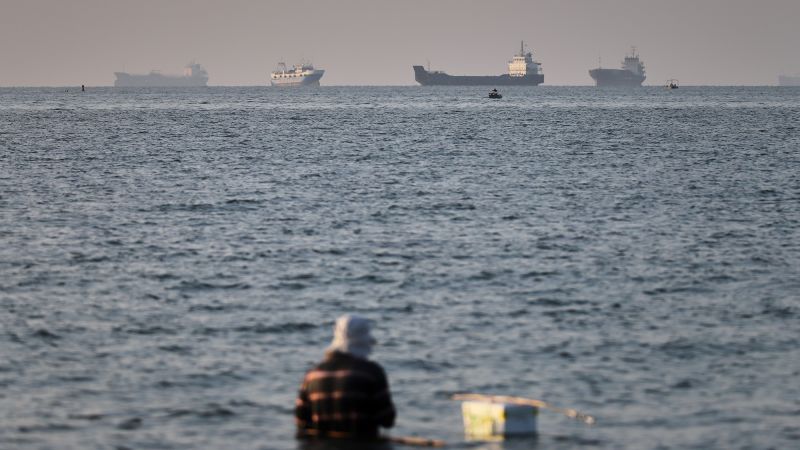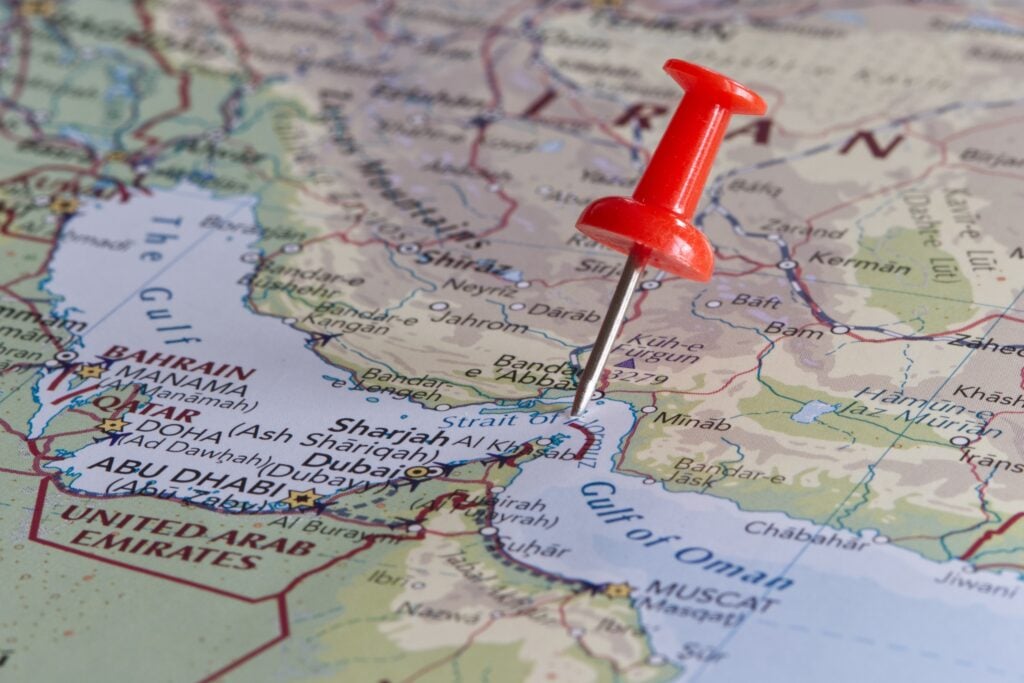
The US government is declaring victory on reopening the Strait of Hormuz to commercial shipping. The strait itself seems to have missed the memo.
A memorandum of understanding signed around June 17 was supposed to restore normal maritime traffic through the narrow waterway that handles a massive share of global oil and liquefied natural gas shipments. President Trump framed the agreement as a breakthrough, complete with a 60-day toll-free window for vessels and cooperation provisions with Oman on future oversight.
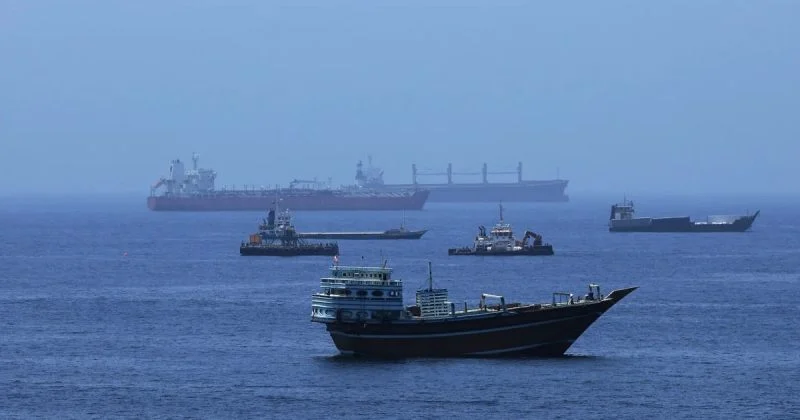
According to data from energy analytics firm Kpler, roughly 70 ships transited the strait over one weekend following the MOU. That sounds decent until you compare it to pre-conflict levels of approximately 125 crossings per day.
The gap between diplomacy and reality
The US temporarily lifted certain sanctions on Iranian oil exports as a sweetener, and the agreement laid out terms for cooperative oversight of the waterway. But differing interpretations of the agreement’s terms surfaced almost immediately, particularly around Iran’s continued regulatory role in the region.