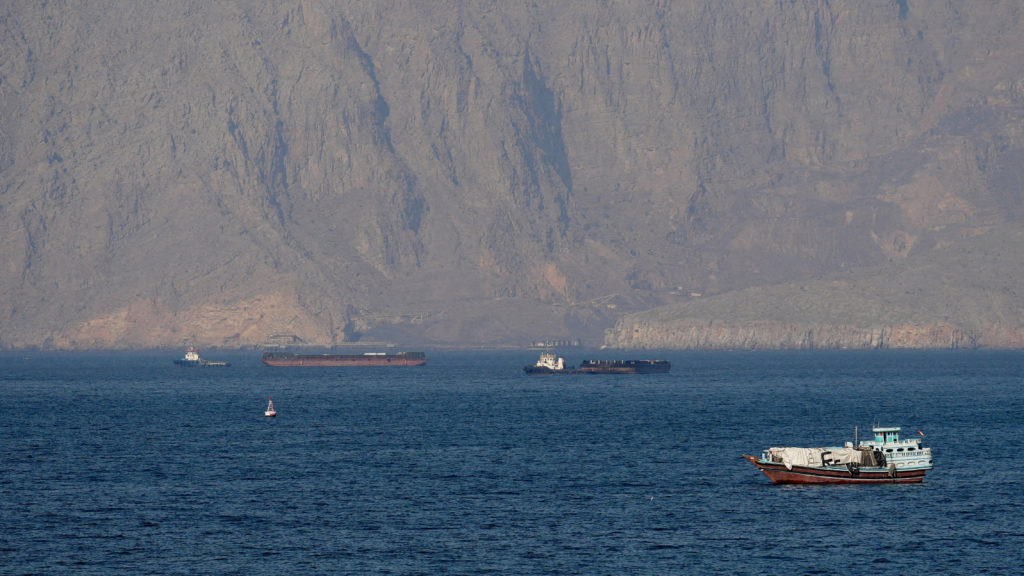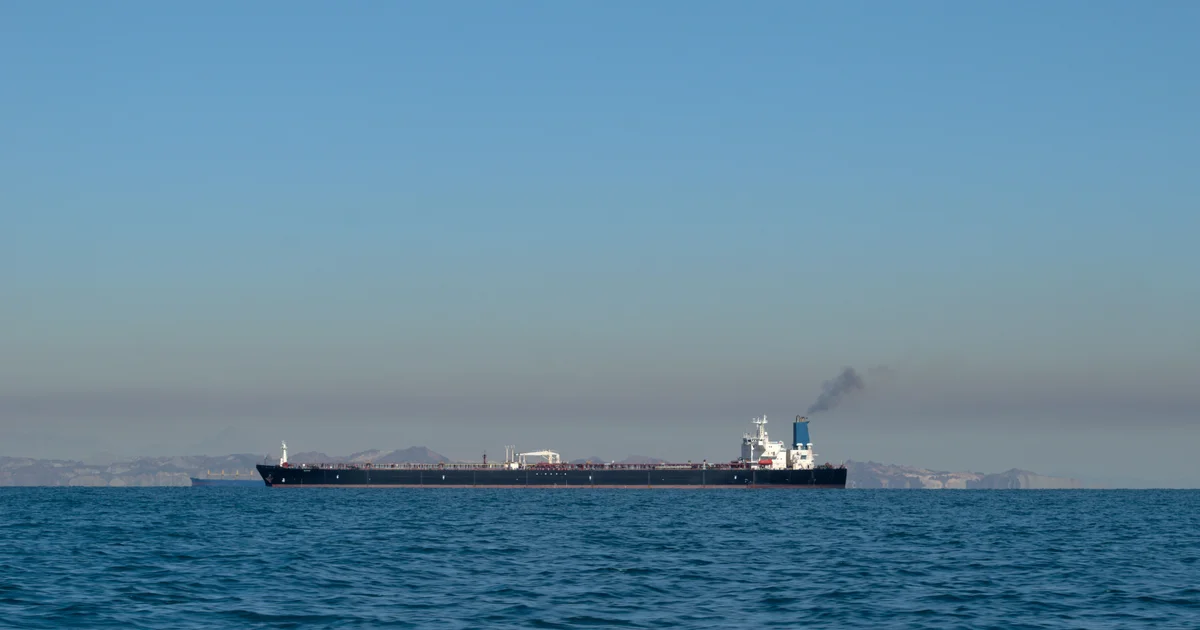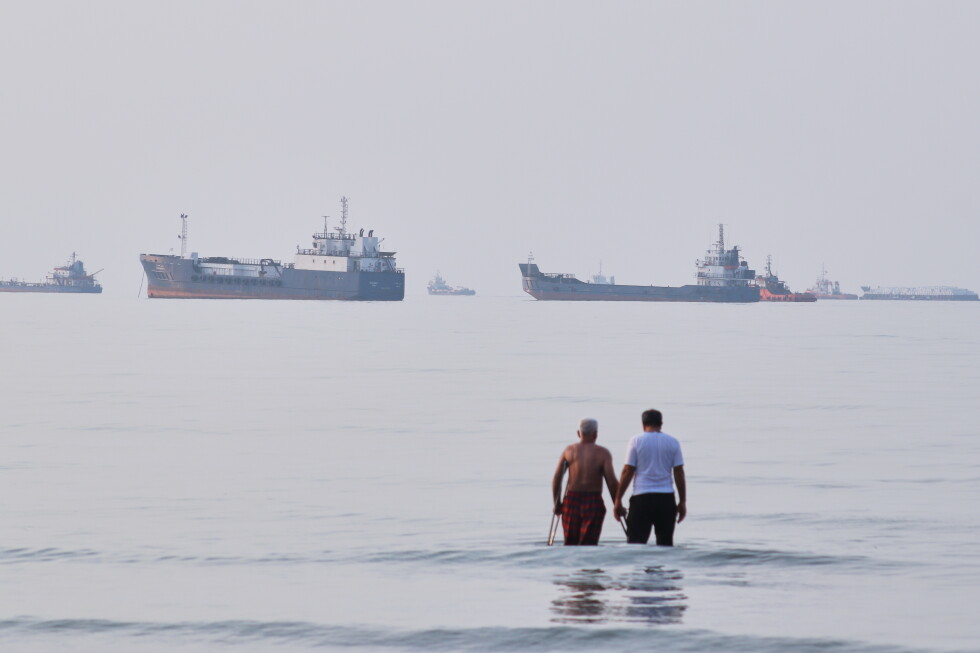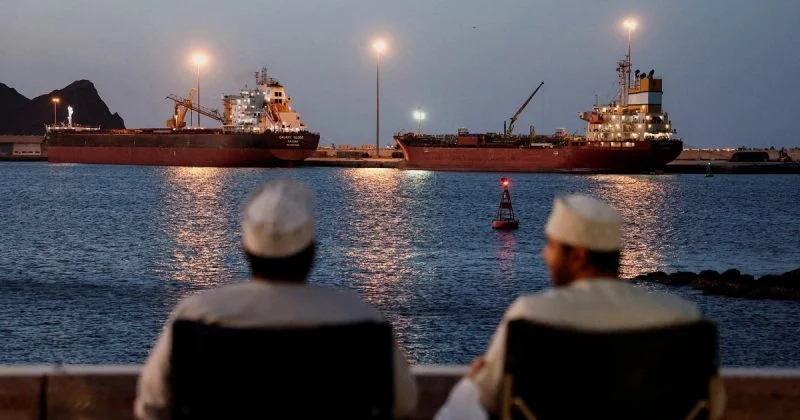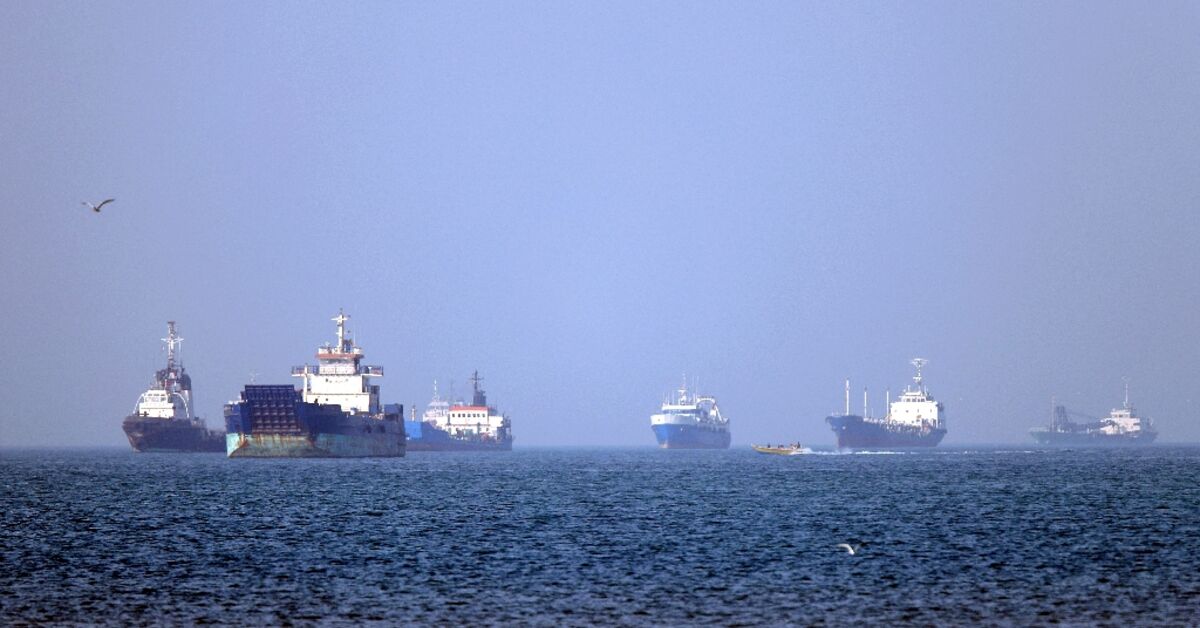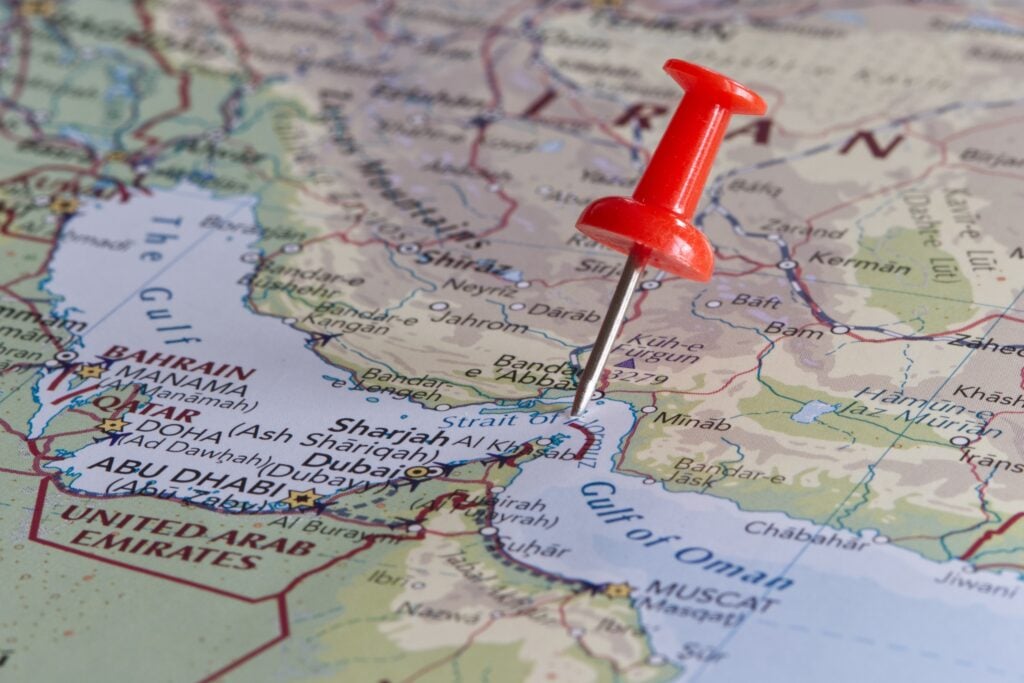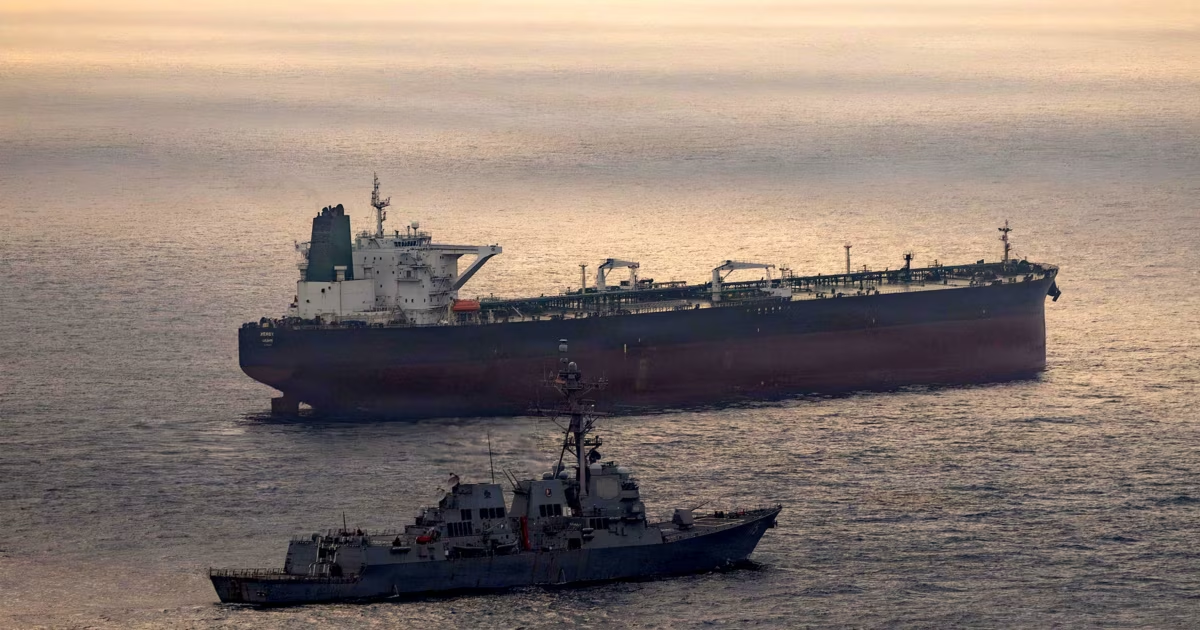
WASHINGTON -- Military operations between the US and Iran have renewed attention on the Strait of Hormuz, the narrow waterway through which roughly one-fifth of the world's seaborne oil trade usually passes.Despite a significant US military presence, shipping companies remain reluctant to transit the strait, highlighting a reality that extends beyond naval power: the greatest challenge may be restoring confidence among commercial operators.RFE/RL spoke with naval strategist and maritime security analyst Joshua Tallis, a research program director at the Center for Naval Analyses, about the evolving military balance, Iran's asymmetric capabilities, freedom of navigation, diplomacy, and what success would actually look like in the Strait of Hormuz.The interview has been edited for length and clarity.RFE/RL: Just to set the stage, how would you characterize the security environment in the Strait of Hormuz today?Joshua Tallis: I'd characterize the current security environment today -- we're talking on July 16 -- as probably pretty similar to what we would have been looking at in May.We've snapped back, after an interregnum with the cease-fire, to a period of fairly significant uncertainty, where we simply don't know how this US administration will resolve the seeming advantage that Iran has in its ability to impose costs on vessels transiting the Strait of Hormuz and its ability to create a larger dampening effect across the broader maritime marketplace, which ultimately governs whether individual shipowners are willing to send vessels through the Strait.RFE/RL: Despite heavy US military activity, commercial shipping remains hesitant to transit the strait. Does that suggest the problem is no longer about controlling the waterway, but about restoring confidence?Tallis: I would break it into two parts. The military dimension matters, but the military dimension is more than naval. Right now, we believe there is potential Iranian mining in the center of the Strait of Hormuz -- along the internationally recognized traffic separation scheme, which under normal circumstances is where most vessel traffic travels in and out of the Persian Gulf and into the Gulf of Oman. Because that central lane is no longer regarded as particularly safe or viable, there are two alternative routes.One goes south through Omani territorial waters, which is the route the US is promoting. The other goes north through Iranian territorial waters, which is the route Iran is promoting -- and the route where Iran is reportedly imposing a tax or toll on vessels transiting through.
Reopening Hormuz Strait Easier Than Restoring Confidence, Naval Analyst Tallis Says
With the US and Iran launching fresh strikes in the Middle East, the Strait of Hormuz is back under the spotlight. Naval strategist Joshua Tallis says restoring commercial confidence -- not military force alone -- will determine when shipping returns to normal.
1,647 words~7 min read