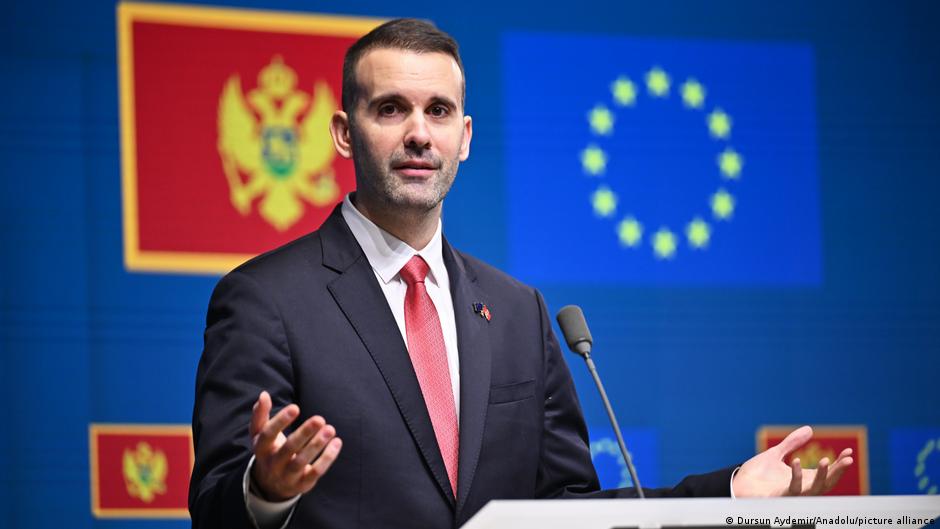
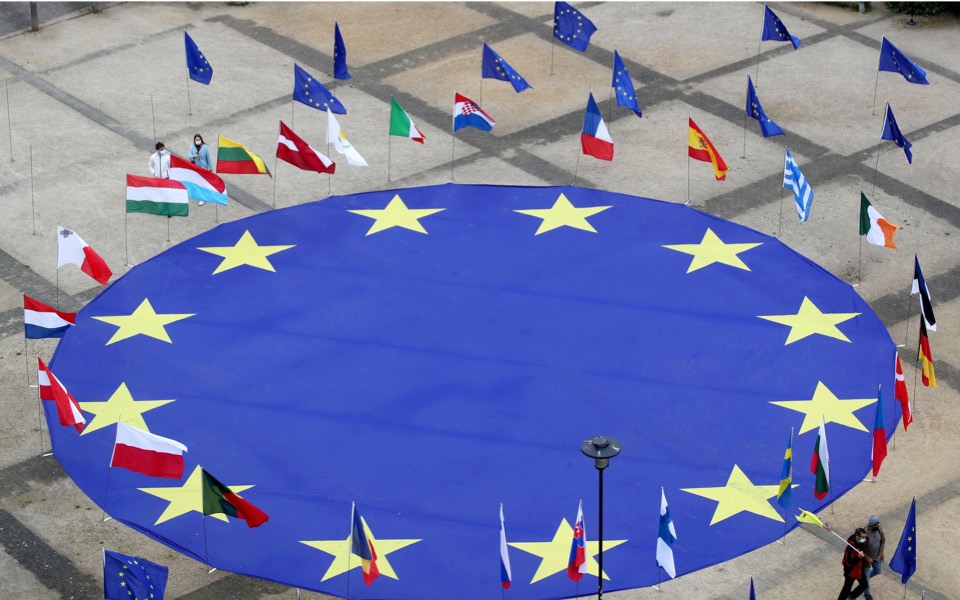
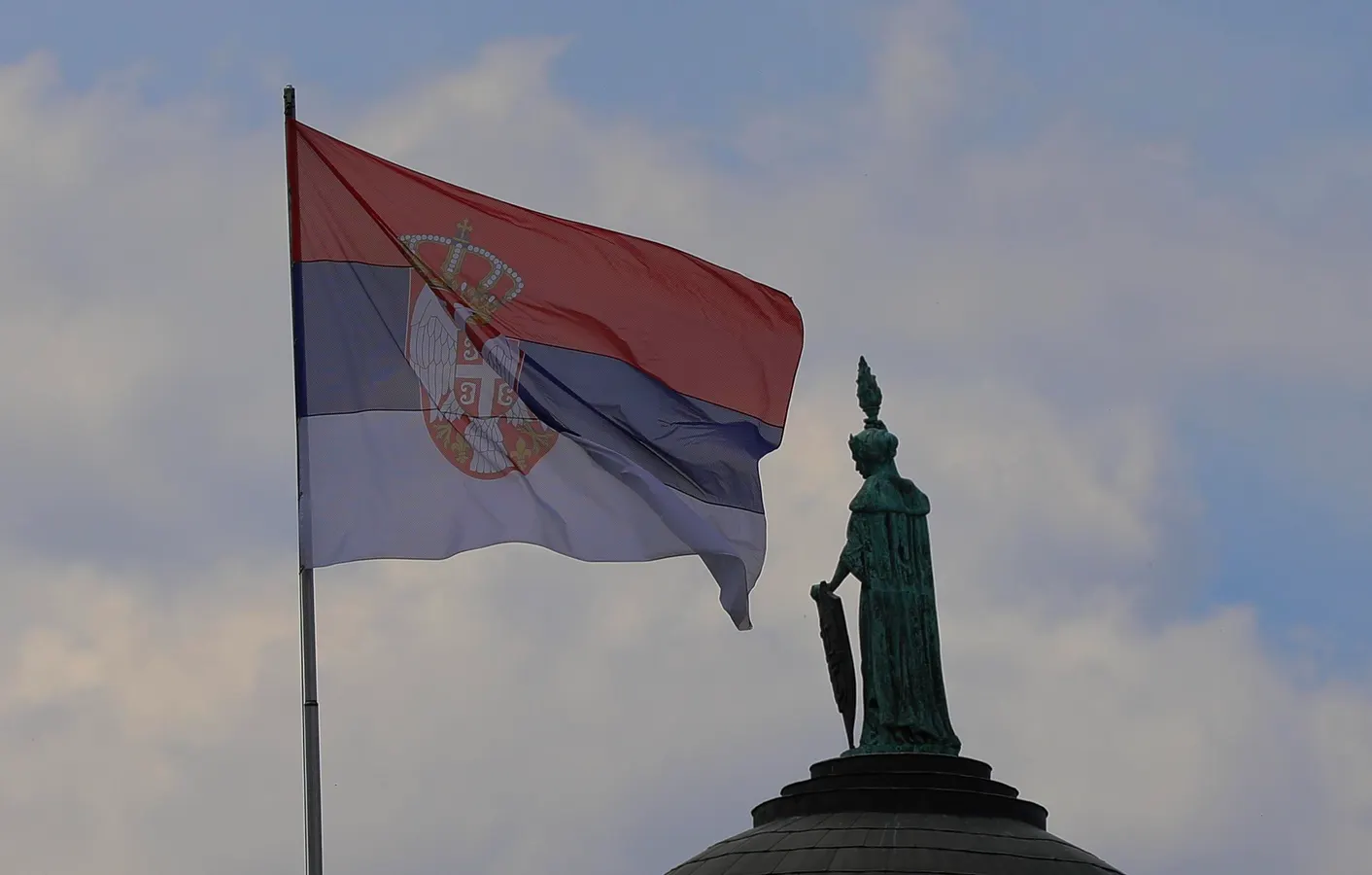
On EU enlargement’s “Super Tuesday,” considered as the biggest day of accession movement in over two decades, Ukraine and Moldova opened new negotiating clusters while Montenegro and Albania closed chapters. Serbia was the only negotiating country left on the sidelines, with eight member states blocking Cluster 3 over rule of law concerns and Belgrade’s non-alignment with EU sanctions on Russia.
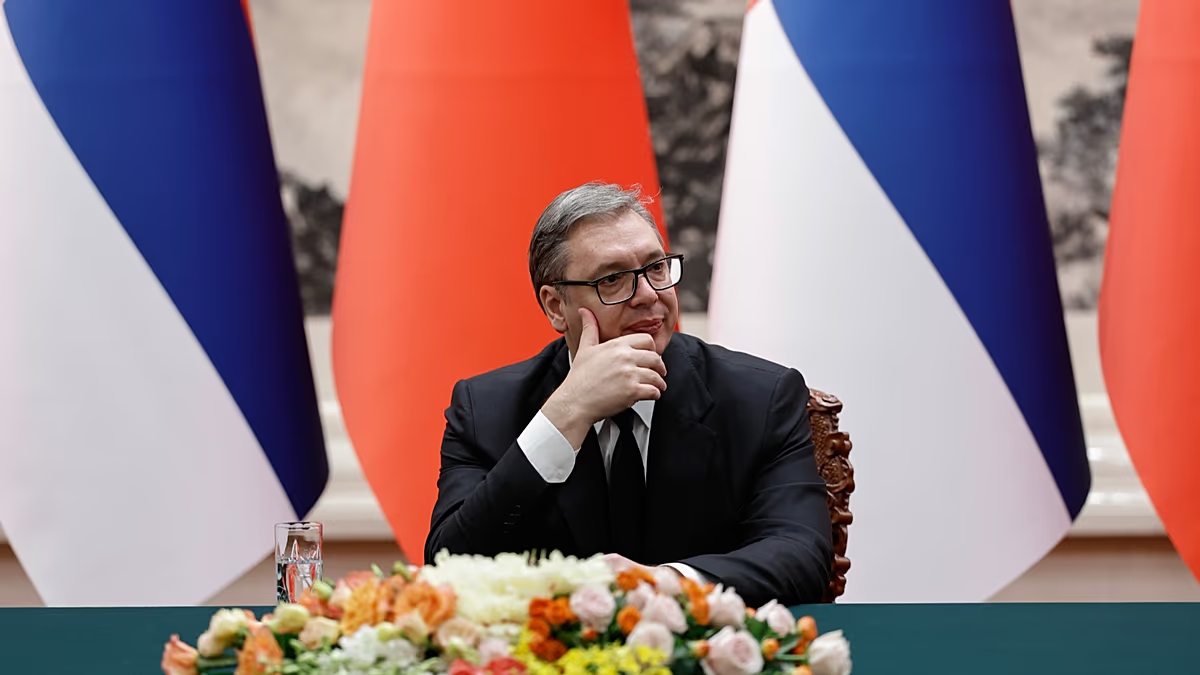
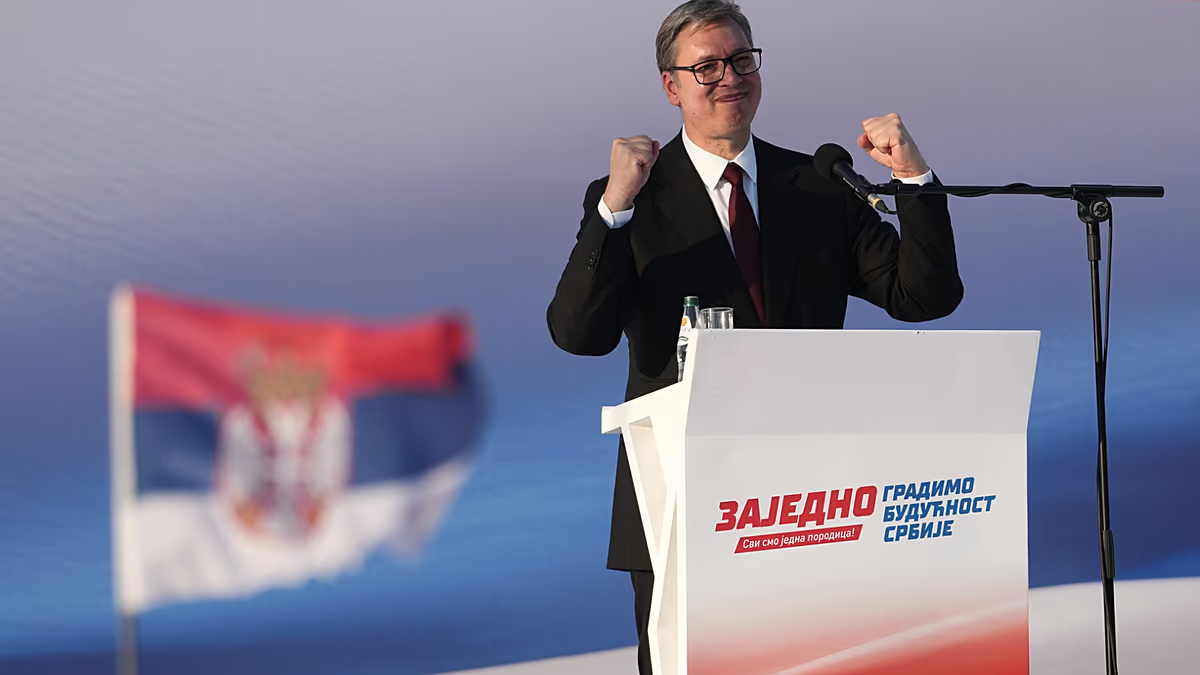
The snub comes at a moment of extraordinary flux in Belgrade: after twenty months of student-led protests, Aleksandar Vučić has announced he will step down as president, expecting to return as prime minister after elections potentially by early December, while urging Brussels to abandon merit-based enlargement and admit the Western Balkans six as a bloc.
In this episode of #BalkansDebrief, Ilva Tare, Resident Senior Fellow at the Europe Center, speaks with Srđan Majstorović, political scientist and Chairman of the European Policy Centre (CEP) Governing Board, about the gap between the Commission and EU capitals, whether Serbia’s reforms are real or cosmetic, Vučić’s political calculation, the students’ electoral list, and what the transatlantic divergence between Washington and Brussels means for democratic reform in Serbia.