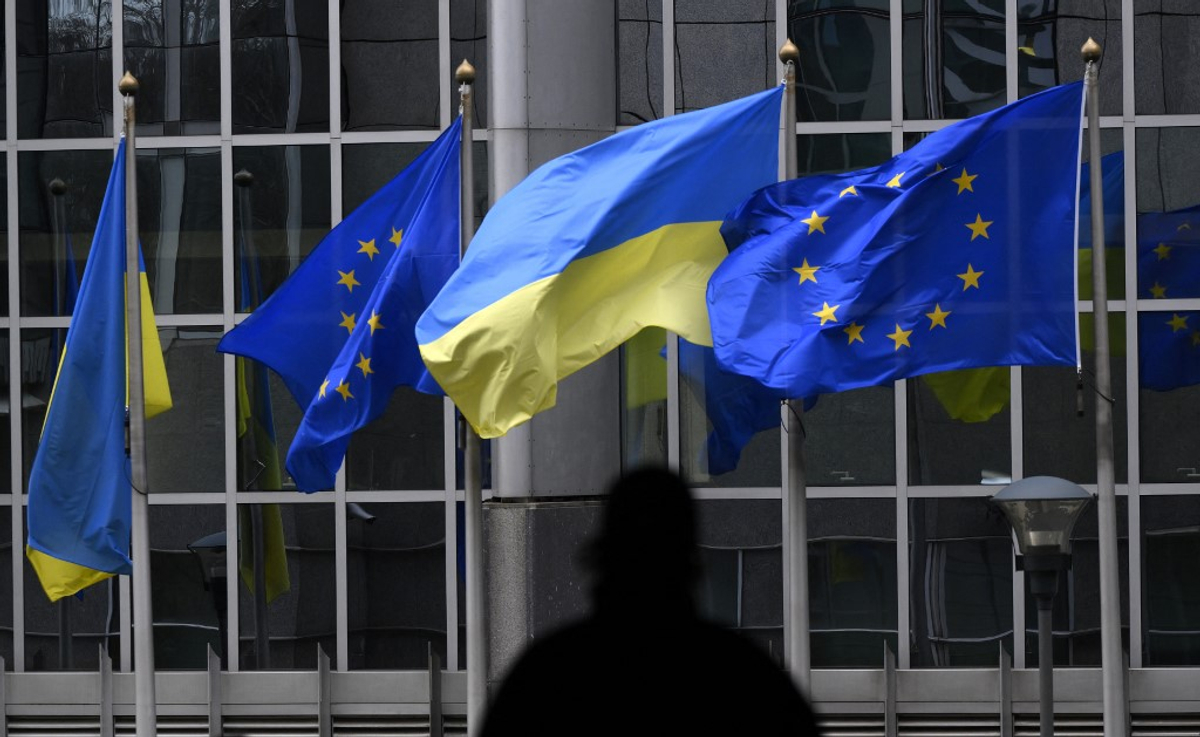
In recent weeks, Ukraine has made slow progress on its path to EU membership, opening two of the six negotiating clusters while still facing resistance to speeding up the process. But now it faces another complication: Serbia.
Ukraine's progress in opening more clusters, in tandem with Moldova, became possible only after Viktor Orbán's crushing electoral defeat in April.
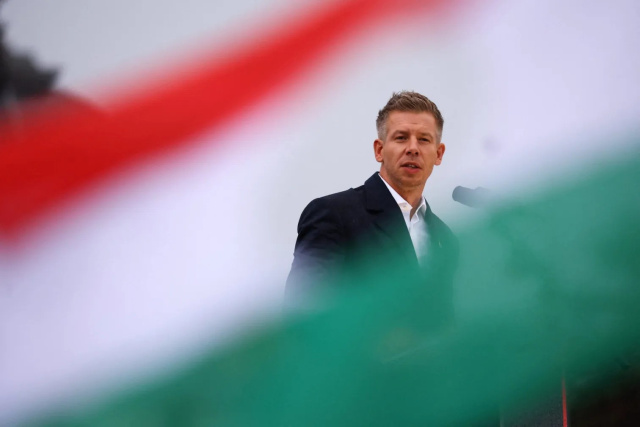
Hungary's new prime minister, Péter Magyar, initiated work to resolve bilateral issues with Kyiv over the treatment of the Hungarian minority in Transcarpathia, but has agreed to open the clusters on the rule of law and foreign policy.
At the same time, Budapest has resisted pressure to open all six clusters at once, preferring a step-by-step approach to make the matter easier to digest domestically after years of anti-Ukrainian propaganda under Orbán.
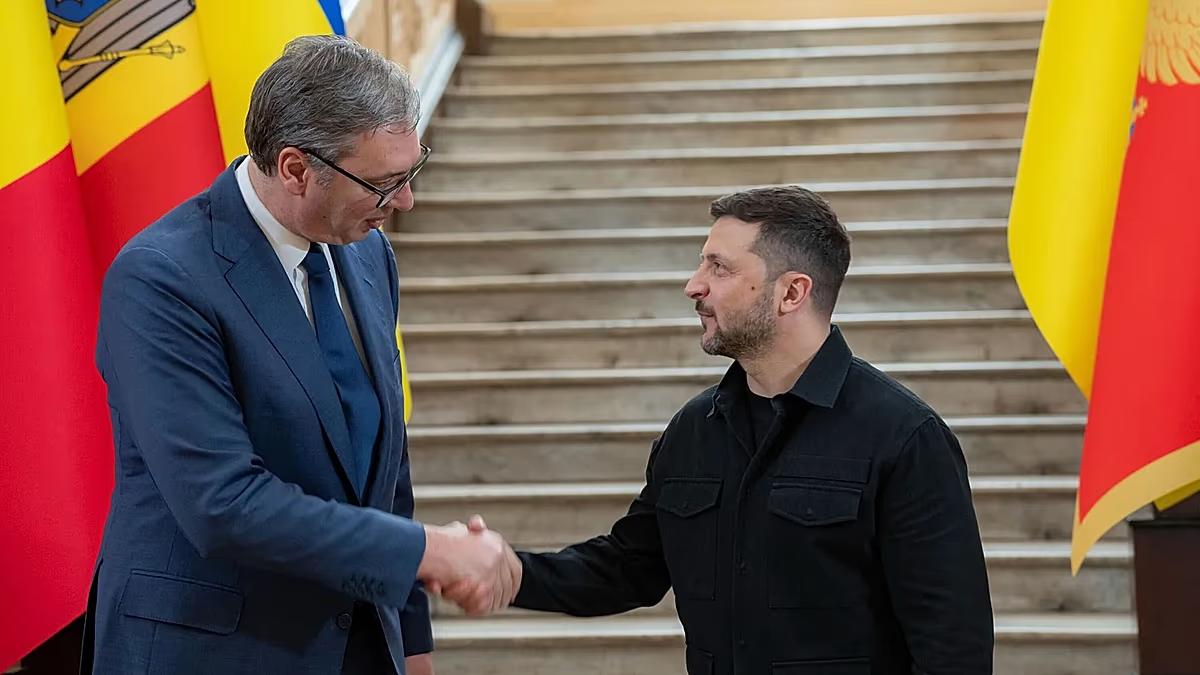
However, Kyiv's progress toward accession is under growing pressure from EU member states pushing for enlargement progress in the Western Balkans, and in particular for the admittance of Serbia to the bloc.