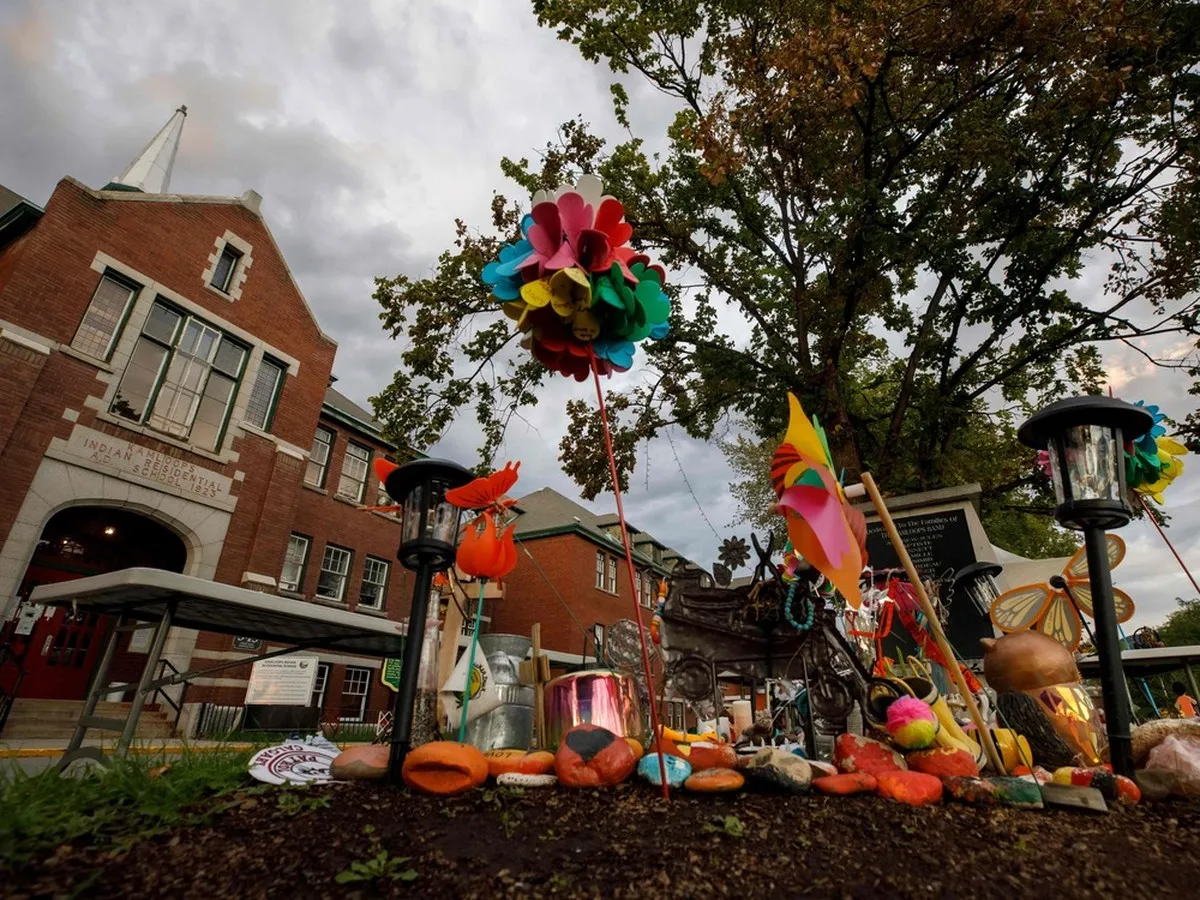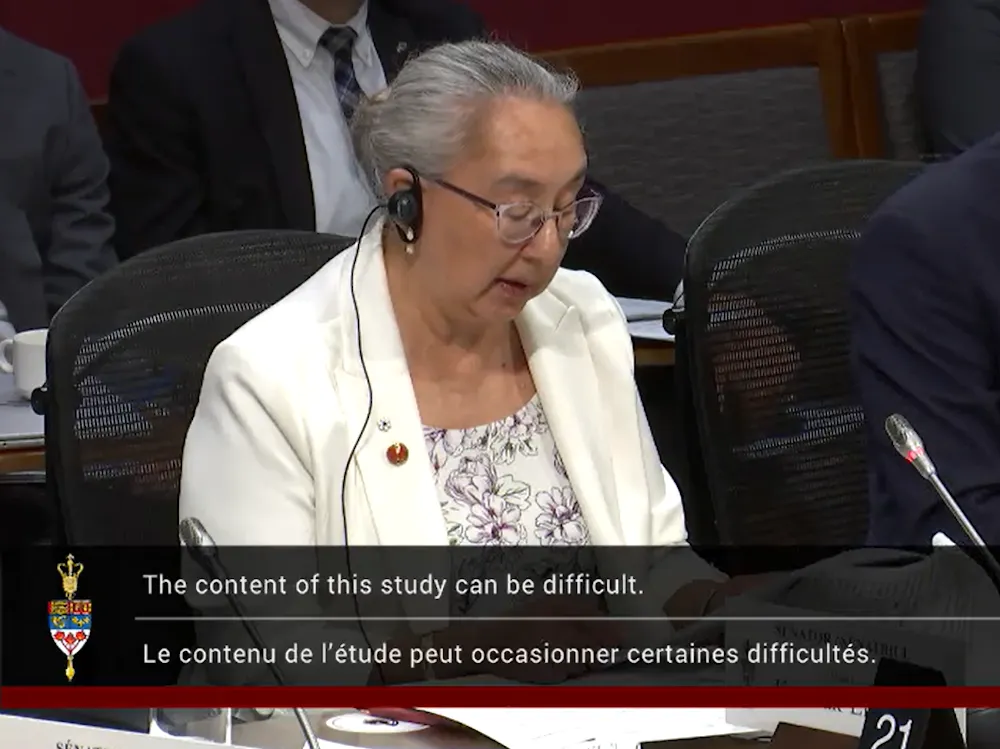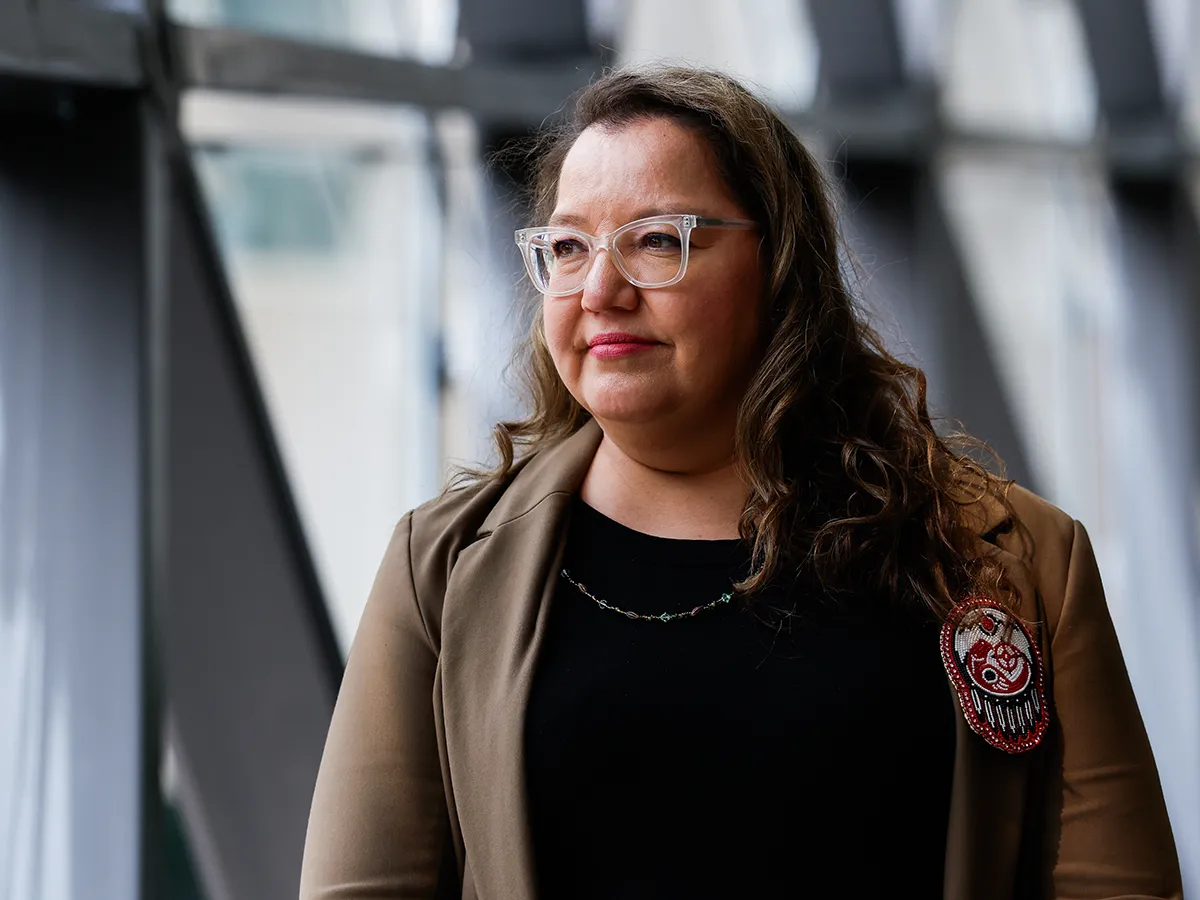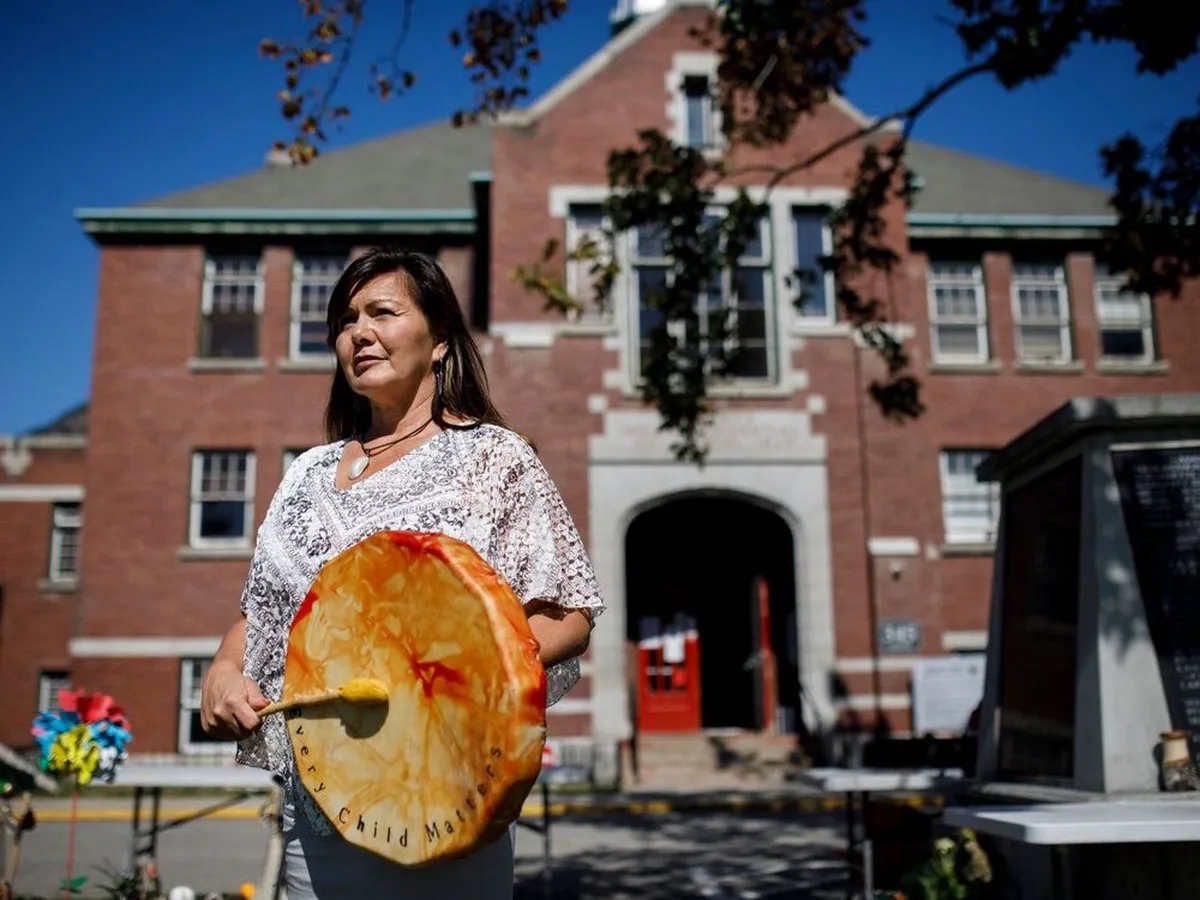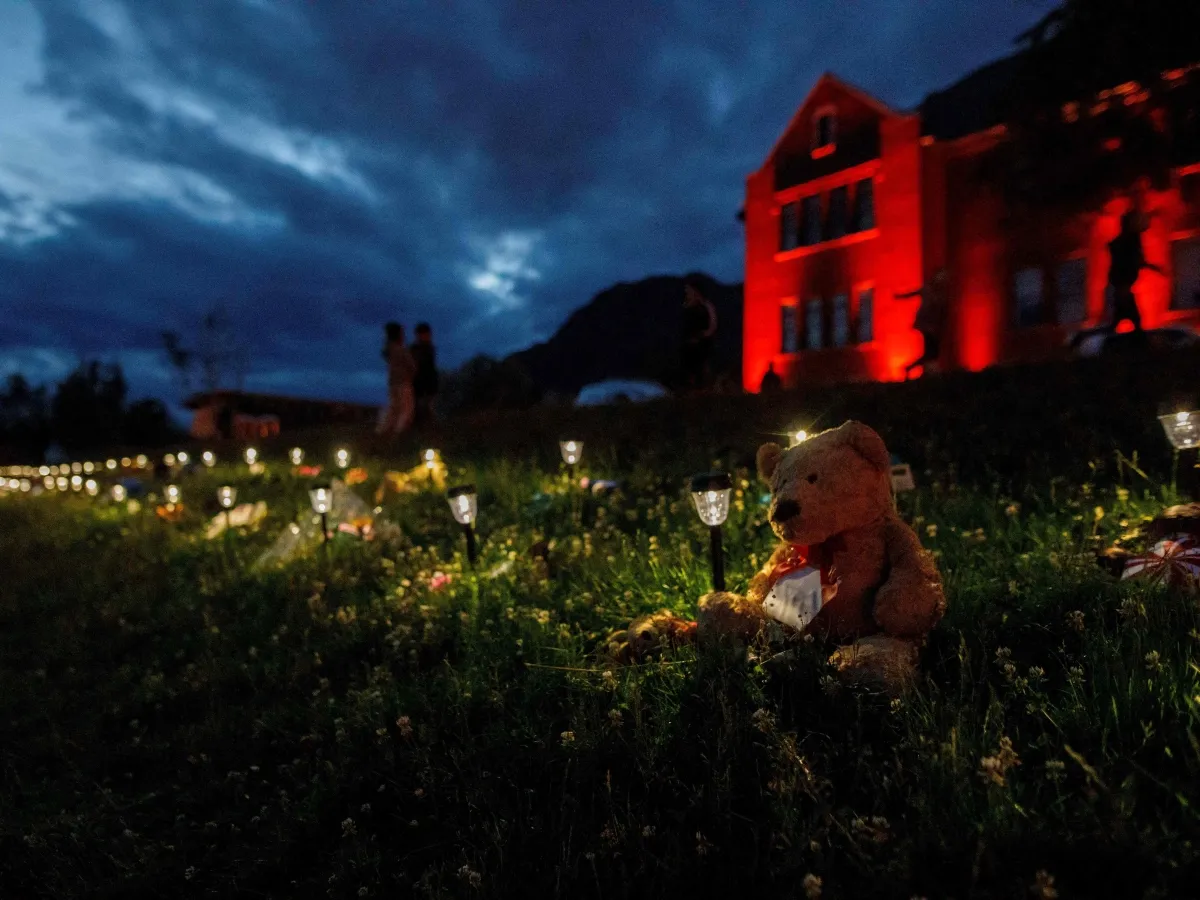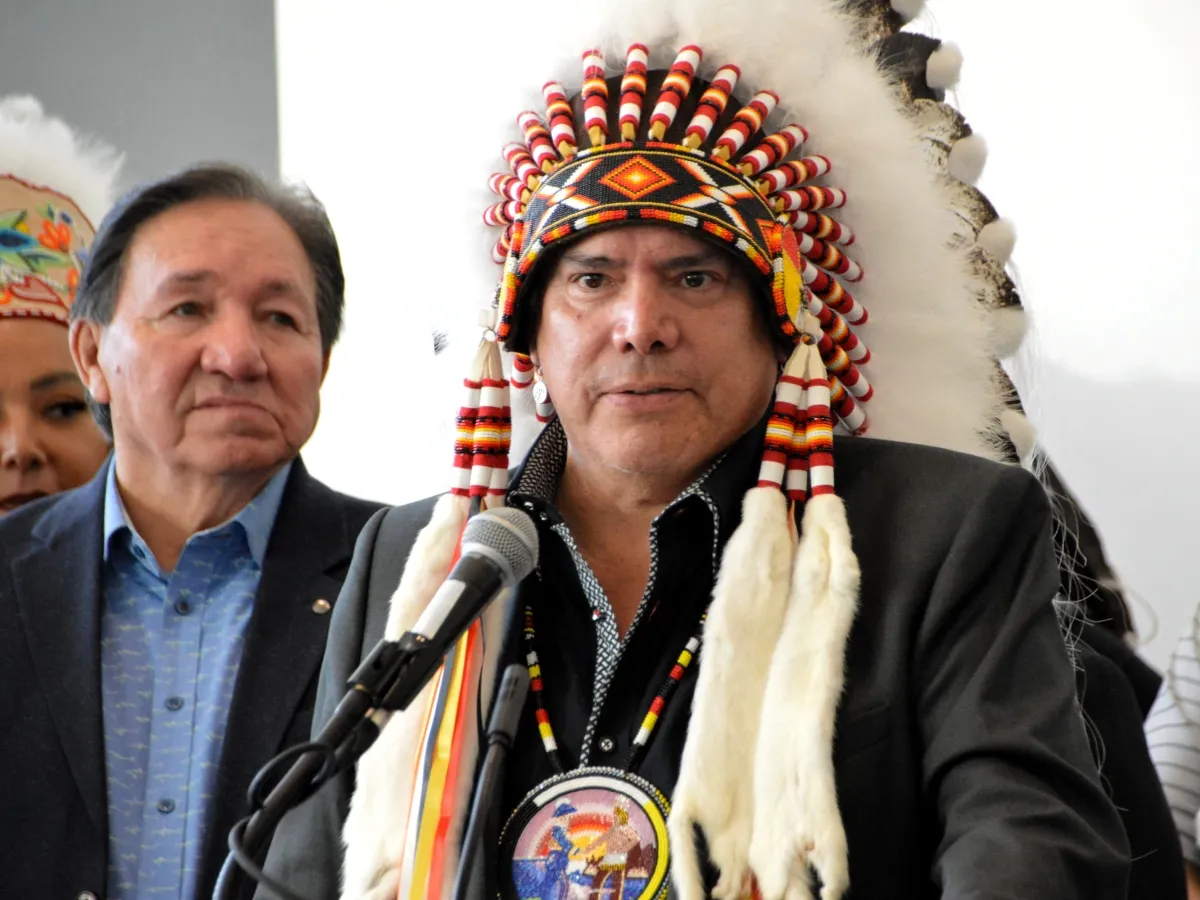
Skip to Content Subscribe Our Offers My Account Manage My Subscriptions FAQ Newsletters Canada Canadian True Crime Canadian Politics Health World Israel & Middle East Financial Post NP Comment Longreads Puzzmo Diversions Comics NP News Quiz New York Times Crossword Horoscopes Life Eating & Drinking Style Sponsored Play for Ontario Travel Travel Canada Travel USA Travel International Cruises Travel Essentials Culture Books Celebrity Movies Music Theatre Television Business Essentials Advice Lives Told Tails Told Shopping Buy Canadian Home Living Outdoor Living Kitchen & Dining Tech Style & Beauty Personal Care Entertainment & Hobbies Gift Guide Travel Guide Amazon Prime Day Deals Savings National Post Store More Sports Hockey Baseball Basketball Football Soccer Golf Tennis Driving Vehicle Research Reviews News Gear Guide Obituaries Place an Obituary Place an In Memoriam Classifieds Place an Ad Celebrations Working Business Ads Archives Healthing Epaper Manage Print Subscription Profile Settings My Subscriptions Saved Articles My Offers Newsletters Customer Service FAQ Newsletters Canada World Financial Post NP Comment Longreads Puzzmo Diversions Life Shopping Epaper Manage Print Subscription HomeNP CommentMichael Higgins: There's no justice in jailing people for residential school 'denialism'Some senators and First Nations chiefs want to punish people into believing their 'truth' You can save this article by registering for free here. Or sign-in if you have an account.First Nations leaders including Manitoba Keewatinowi Okimakanak Grand Chief Garrison Settee hold a news conference in Winnipeg over the naming of a street. Photo by Dave Baxter/Local Journalism Initiative/Winnipeg SunFive years after the Kamloops “graves” controversy first erupted, and with zero bodies discovered, First Nations chiefs are pushing hard to make residential school denialism an imprisonable offence.Enjoy the latest local, national and international news.Exclusive articles by Conrad Black, Barbara Kay and others. Plus, special edition NP Platformed and First Reading newsletters and virtual events.Unlimited online access to National Post.National Post ePaper, an electronic replica of the print edition to view on any device, share and comment on.Daily puzzles including the New York Times Crossword.Support local journalism.Enjoy the latest local, national and international news.Exclusive articles by Conrad Black, Barbara Kay and others. Plus, special edition NP Platformed and First Reading newsletters and virtual events.Unlimited online access to National Post.National Post ePaper, an electronic replica of the print edition to view on any device, share and comment on.Daily puzzles including the New York Times Crossword.Support local journalism.Create an account or sign in to continue with your reading experience.Access articles from across Canada with one account.Share your thoughts and join the conversation in the comments.Enjoy additional articles per month.Get email updates from your favourite authors.Create an account or sign in to continue with your reading experience.Access articles from across Canada with one accountShare your thoughts and join the conversation in the commentsEnjoy additional articles per monthGet email updates from your favourite authorsSign In or Create an AccountorBut Canadians should not have to face up to two years in jail for denying what the chiefs describe as their “truth.” Are we only to speak about the horrors of residential schools, or will survivors with “warm memories” face prison?Or could it be that the push to criminalize denialism is an attempt to stop legitimate discussion about the presence of unmarked graves at the Kamloops former residential school? If so, then a denialism law isn’t so much to protect the truth as it is to stifle debate, restrict free speech and impose on everyone a narrative written and dictated by Indigenous leaders.The National Post newsletter that doesn’t hold back, giving readers the unvarnished truth on media, politics and culture.By signing up, you consent to receive the above newsletter from Postmedia Network Inc.A welcome email is on its way. If you don't see it, please check your junk folder.The next issue of Right? will soon be in your inbox.We encountered an issue signing you up. Please try againIn the spring, Nunavut Sen. Nancy Karetak-Lindell tried to amend the Liberals’ anti-hate law, Bill C-9, to include residential school denialism. This would have made it illegal for anyone to engage in the “condoning, denying or downplaying” of residential schools, with a proposed maximum penalty of two years’ imprisonment.Thankfully, a vote by the whole Senate threw out the amendment.This wasn’t the first time a parliamentarian had tried to criminalize residential school denialism: NDP MP Leah Gazan tabled a similar bill in 2024, which never made it past first reading.But on Wednesday, First Nations chiefs gathered at a press conference to once again push for a law that would criminalize denialism. The issue of Kamloops cropped up repeatedly, and while no one said it outright, the implication appears to be that denying that there are bodies at that particular former residential school amounts to denialism and should, therefore, be a crime.Manitoba Keewatinowi Okimakanak Grand Chief Garrison Settee said he recently went to Kamloops. “I went to the sacred site where 215 anomalies were found. As my chief said: crime scene…. This is genocide. Not only cultural genocide. It is genocide, to try and get rid of a people deliberately.”It is worthy of note that Settee talked of “215 anomalies” and not graves.At the same press conference, B.C. Assembly of First Nations Regional Chief Terry Teegee referred to the 215 “findings” at a “grave site” in Kamloops.If this kind of careful language had been used at the start of the Kamloops controversy, we would be having a very different public conversation.Instead, in 2021, it was Tk’emlúps te Secwépemc Chief Rosanne Casimir who said in a statement that ground-penetrating radar had confirmed “the remains of 215 children who were students of the Kamloops Indian Residential School.”“Some were as young as three years old,” she added.This led to the explosive and inaccurate headline in The New York Times: ‘Horrible History’: Mass Grave of Indigenous Children Reported in Canada.A consequence of all this was that churches were burned, flags across the country were lowered for six months and our prime minister was seen kneeling with a teddy bear beside a grave in a once-marked cemetery.Some parliamentarians and First Nations appear to want us to continue hanging our heads in shame.“This country still tries to commit genocide,” said Pimicikamak Cree Nation Chief David Monias.This country has paid out some $280 million to First Nations to locate missing children at former residential schools. It’s a strange genocidaire that pays to find evidence of its crime.“We have unmarked graves. I don’t like to call them unmarked graves; these are crime scenes that need to be protected as well, and investigated,” said Monias.So far, five years of investigation at Kamloops have not unearthed any evidence that bodies are buried there. A February update from Casimir talked of “potential burials” and noted that “Signatures that resemble burials were found in some areas.”Asked what he would say to “denialists” who demanded to “see the bodies,” Teegee said, “Those denialists? Stop it. This is the truth, that Tk’emlúps te Secwépemc truth.”“Denialists need to hear our stories and also need to know the truth, and I think it’s right there. It’s bare. It’s the truth,” he continued. “We know that many of these residential schools had graves. Many had unmarked graves and this is the truth.”For its part, Canada has certainly laid bare the truth about residential schools. From 2008 to 2015, the Truth and Reconciliation Commission (TRC) heard from residential school survivors, their families and communities. It documented the attempts at forced assimilation at the schools, the sexual abuse, the physical punishment beatings, the poor conditions, the denial of rights as well as the deaths and unmarked graves.For most students, life was hellish.But one of the TRC’s reports, “The Survivors Speak,” has a chapter entitled “Warm memories” which notes, “Many students have positive memories of their experiences of residential schools and acknowledge the skills they acquired, the beneficial impacts of the recreational and sporting activities in which they engaged, and the friendships they made.”In documenting this truth, should Murray Sinclair, the chair of the TRC, be prosecuted for denialism?No man or nation holds a monopoly on truth, for, as Oscar Wilde said, it is rarely pure and never simple. Demanding people uphold the “truth” on pain of imprisonment isn’t just draconian; it is tyrannical.Indigenous people suffered greatly under the residential school system, but a denialism law would be retributive.National Post Join the Conversation This website uses cookies to personalize your content (including ads), and allows us to analyze our traffic. Read more about cookies here. By continuing to use our site, you agree to our Terms of Use and Privacy Policy.
Michael Higgins: There's no justice in jailing people for residential school 'denialism'
Some senators and First Nations chiefs want to punish people into believing their 'truth'
1,412 words~6 min read