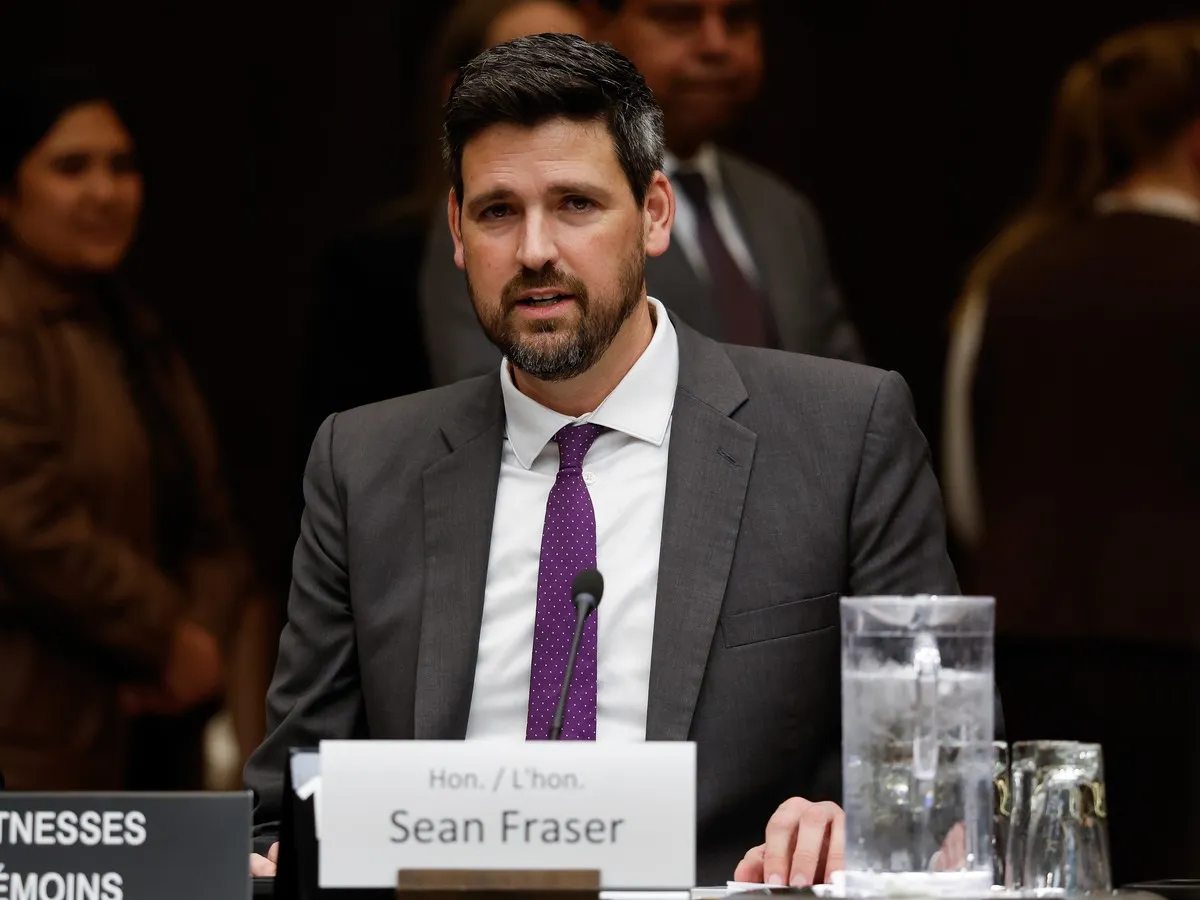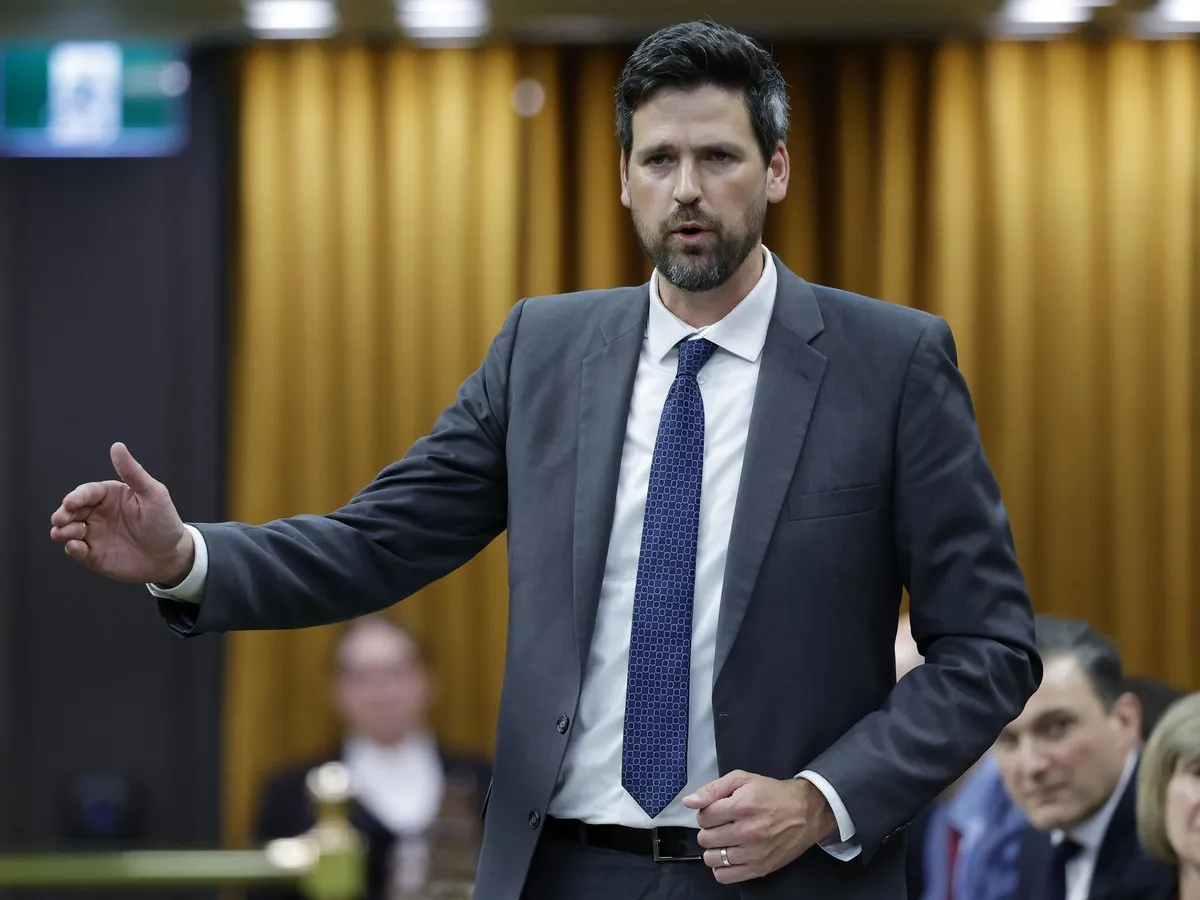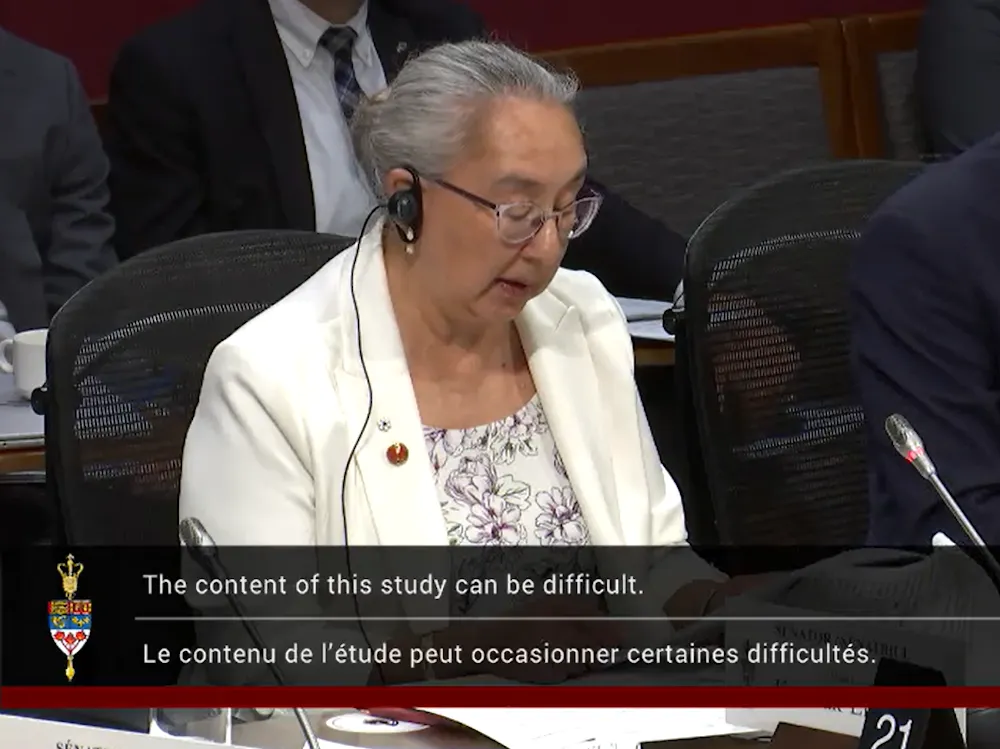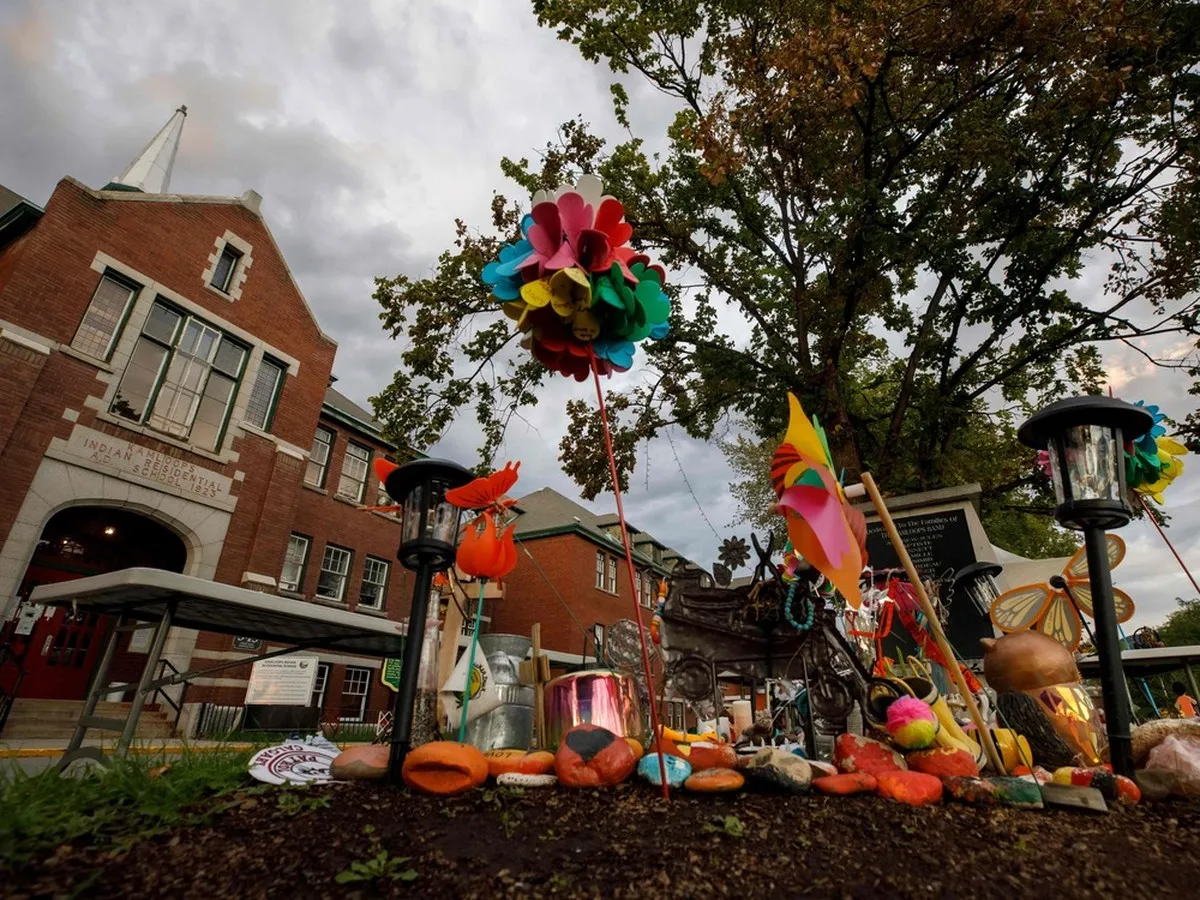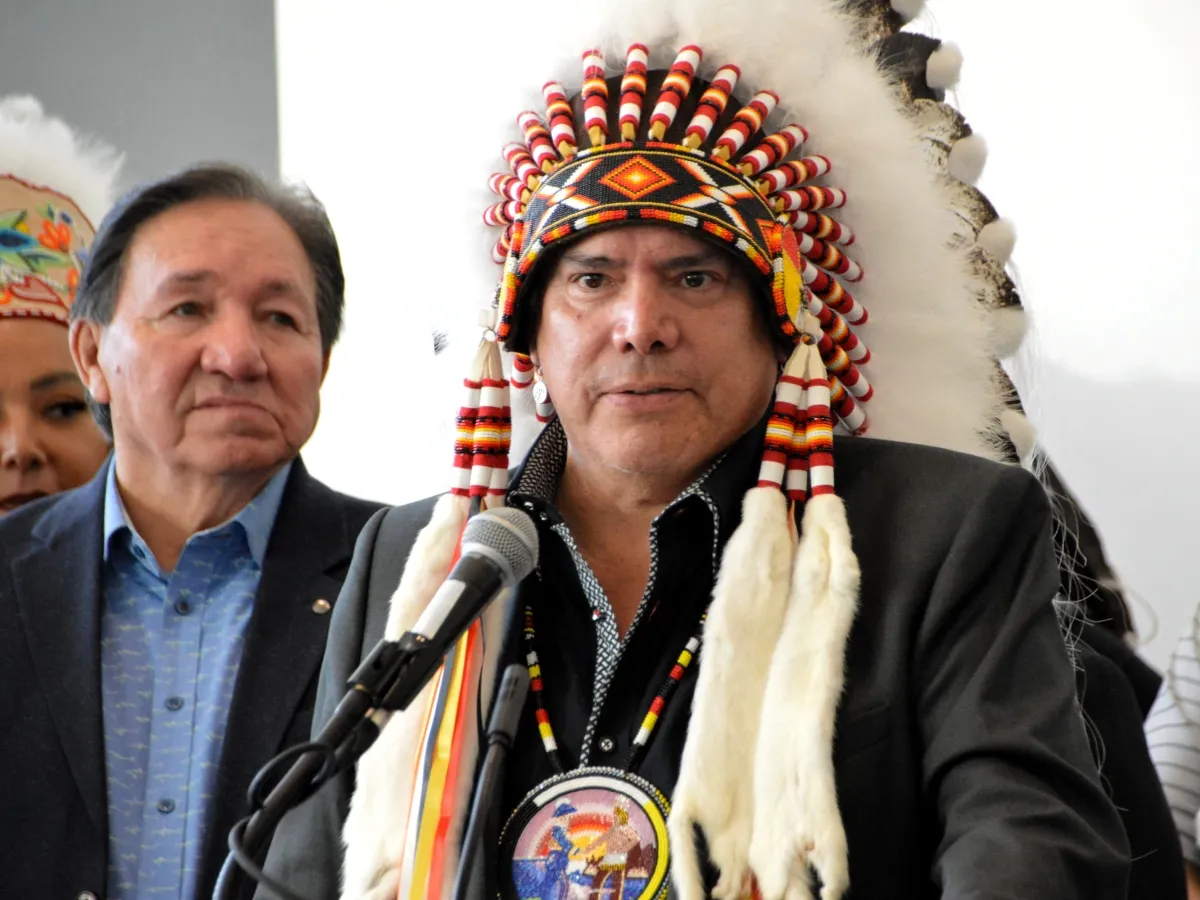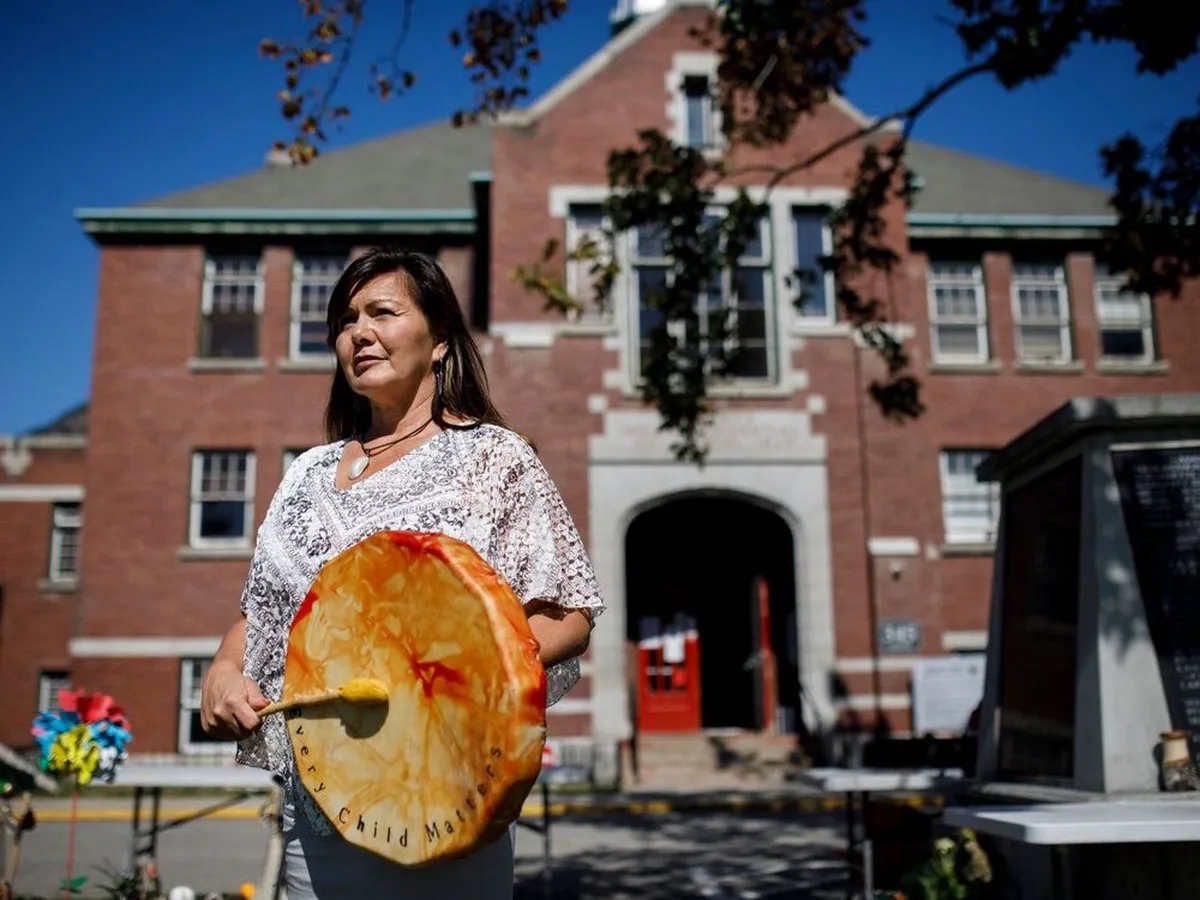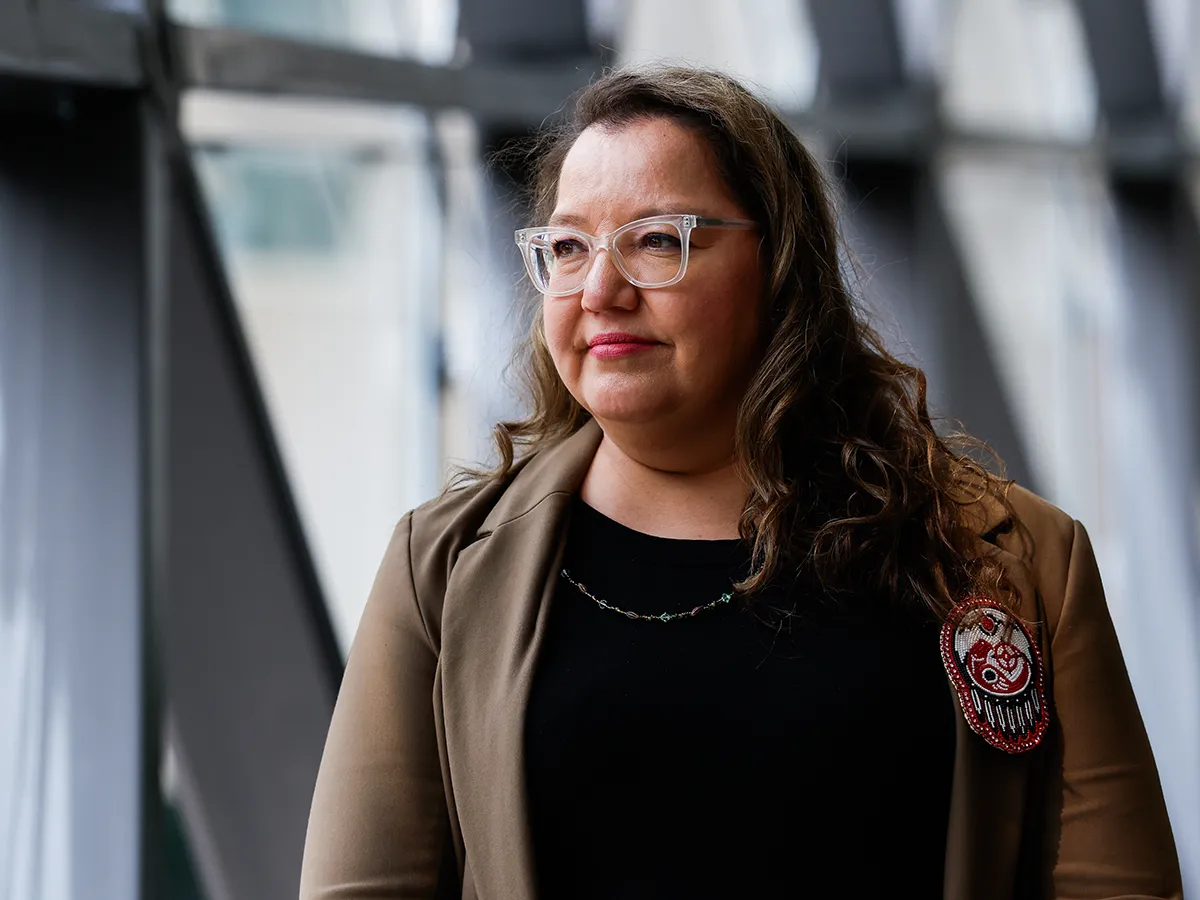
Skip to Content Subscribe Our Offers My Account Manage My Subscriptions FAQ Newsletters Canada Canadian True Crime Canadian Politics Health World Israel & Middle East Financial Post NP Comment Longreads Puzzmo Diversions Comics NP News Quiz New York Times Crossword Horoscopes Life Eating & Drinking Style Sponsored Play for Ontario Travel Travel Canada Travel USA Travel International Cruises Travel Essentials Culture Books Celebrity Movies Music Theatre Television Business Essentials Advice Lives Told Tails Told Shopping Buy Canadian Home Living Outdoor Living Kitchen & Dining Tech Style & Beauty Personal Care Entertainment & Hobbies Gift Guide Travel Guide Amazon Prime Day Deals Savings National Post Store More Sports Hockey Baseball Basketball Football Soccer Golf Tennis Driving Vehicle Research Reviews News Gear Guide Obituaries Place an Obituary Place an In Memoriam Classifieds Place an Ad Celebrations Working Business Ads Archives Healthing Epaper Manage Print Subscription Profile Settings My Subscriptions Saved Articles My Offers Newsletters Customer Service FAQ Newsletters Canada World Financial Post NP Comment Longreads Puzzmo Diversions Life Shopping Epaper Manage Print Subscription HomeNewsCanadaCanadian PoliticsAFN chiefs want residential school denialism to be legislated as hate speech crimeThe call comes after an amendment to include denialism in the federal anti-hate bill was struck down by the SenateLast updated 1 week ago You can save this article by registering for free here. Or sign-in if you have an account.National Chief Cindy Woodhouse Nepinak at the Assembly of First Nations’ 2026 Annual General Assembly in Ottawa on Tuesday, July 14, 2026. Photo by HYUNGCHEOL PARK/PostmediaOTTAWA – The Assembly of First Nations (AFN) has unanimously passed a resolution calling on the federal government to criminalize Indian Residential School denialism in Canada.Enjoy the latest local, national and international news.Exclusive articles by Conrad Black, Barbara Kay and others. Plus, special edition NP Platformed and First Reading newsletters and virtual events.Unlimited online access to National Post.National Post ePaper, an electronic replica of the print edition to view on any device, share and comment on.Daily puzzles including the New York Times Crossword.Support local journalism.Enjoy the latest local, national and international news.Exclusive articles by Conrad Black, Barbara Kay and others. Plus, special edition NP Platformed and First Reading newsletters and virtual events.Unlimited online access to National Post.National Post ePaper, an electronic replica of the print edition to view on any device, share and comment on.Daily puzzles including the New York Times Crossword.Support local journalism.Create an account or sign in to continue with your reading experience.Access articles from across Canada with one account.Share your thoughts and join the conversation in the comments.Enjoy additional articles per month.Get email updates from your favourite authors.Create an account or sign in to continue with your reading experience.Access articles from across Canada with one accountShare your thoughts and join the conversation in the commentsEnjoy additional articles per monthGet email updates from your favourite authorsSign In or Create an Accountor“Yesterday, the chiefs of assembly passed a resolution to address a situation that really needs dire attention,” said Chief Sheldon Kent, from Black River First Nation, who seconded the resolution that was passed unanimously on Tuesday. “It is a shame to live in a country that will not protect our people from hate crimes.”In the spring, an amendment was made by Nunavut Sen. Nancy Karetak-Lindell to the Liberal government’s Bill C-9, also known as the Combatting Hate Act, to include “residential school denialism” in the suite of measures designed to protect places of worship and to address hate-motivated crimes.Karetak-Lindell’s amendment said that any Canadian caught “condoning, denying or downplaying” residential schools, unless it was in private conversation, would be “guilty of an indictable offence and liable to imprisonment not exceeding two years.” The amendment was presented during the Senate’s standing committee on human rights, but ultimately defeated by the Senate as a whole. Bill C-9 received royal assent on June 18.“Denialism seeks to minimize, distort and deny the harms of residential schools,” said Chief David Monias from Pimicikamak Cree Nation. “That’s what the Senate did.”After the amendment was voted down, a spokesperson from Justice Minister Sean Fraser’s office, Jeremy Bellefeuille, said denying harms of residential schools is a “serious and distinct issue” that does not fit within the scope of what the Combatting Hate Act was designed to do.Free-speech advocates also characterized the wording of Karetek-Lindell’s amendment as overly broad.AFN National Chief Cindy Woodhouse Nepinak called the Senate’s rejection of the amendment “regressive.”The AFN’s resolution calls on the federal government to introduce stand-alone legislation to address the issue.In a statement Wednesday, Minister Fraser’s spokesperson Jeanne Joannie Fogue Mgamgne said the issue warrants dedicated further parliamentary study.“Any legal response should be developed carefully in genuine consultation and cooperation (with) Indigenous peoples and the communities most affected,” she added.The resolution also directs the AFN to call on the federal government “to take concrete measures to advance public awareness and education, including curriculum and public campaigns on the truth of Indian Residential Schools and other colonial policies.”According to the Truth and Reconciliation Commission’s 2015 report, 150,000 Indigenous children were forced to attend residential schools over 150 years. The commission characterized the system as a “cultural genocide” in 2015 and seven years later members of Parliament unanimously passed a motion that called the residential school system a genocide.AFN B.C. Regional Chief Terry Teegee said there has been growing anti-Indigenous sentiment over the last five years following the 2021 discovery of over 200 suspected unmarked graves at the Kamloops residential school in B.C., which were detected using ground-penetrating radar. Similar discoveries at other sites sparked a national outcry although none have been confirmed.“These are the stories that were shared with us, and this is the truth, and this is a fact,” said Teegee. “It shouldn’t be debated in some sort of academia or some sort of push in terms of politics … it should be accepted as truth.”Tk’emlups te Secwépemc First Nation Chief Rosanne Casimir was asked why there has not been any excavation of remains at the Kamloops site five years after the discovery and whether it’s a question of lack of resources.“We have a very technical team of experts that are doing so many different pieces to be able to support and advance,” said Casimir. “We’re working in collaboration with the federal government and ensuring that through the funding arrangements that everything is you know moving forward as you know we can.”Casimir added that they also have to be sensitive to cultural protocols when it comes to the alleged remains.National Post, with files from Stephanie TaylorOur website is the place for the latest breaking news, exclusive scoops, longreads and provocative commentary. Please bookmark nationalpost.com and sign up for our newsletters here. Join the Conversation This website uses cookies to personalize your content (including ads), and allows us to analyze our traffic. Read more about cookies here. By continuing to use our site, you agree to our Terms of Use and Privacy Policy.
AFN chiefs want residential school denialism to be legislated as hate speech crime
The call comes after an amendment to include denialism in the federal anti-hate bill was struck down by the Senate.
1,140 words~5 min read