Tenerife, the Canaries’ most-visited island, will be set upon by more than 600,000 holidaymakers this month. The vast majority of them will probably never leave the beach resorts on its sunny south coast.
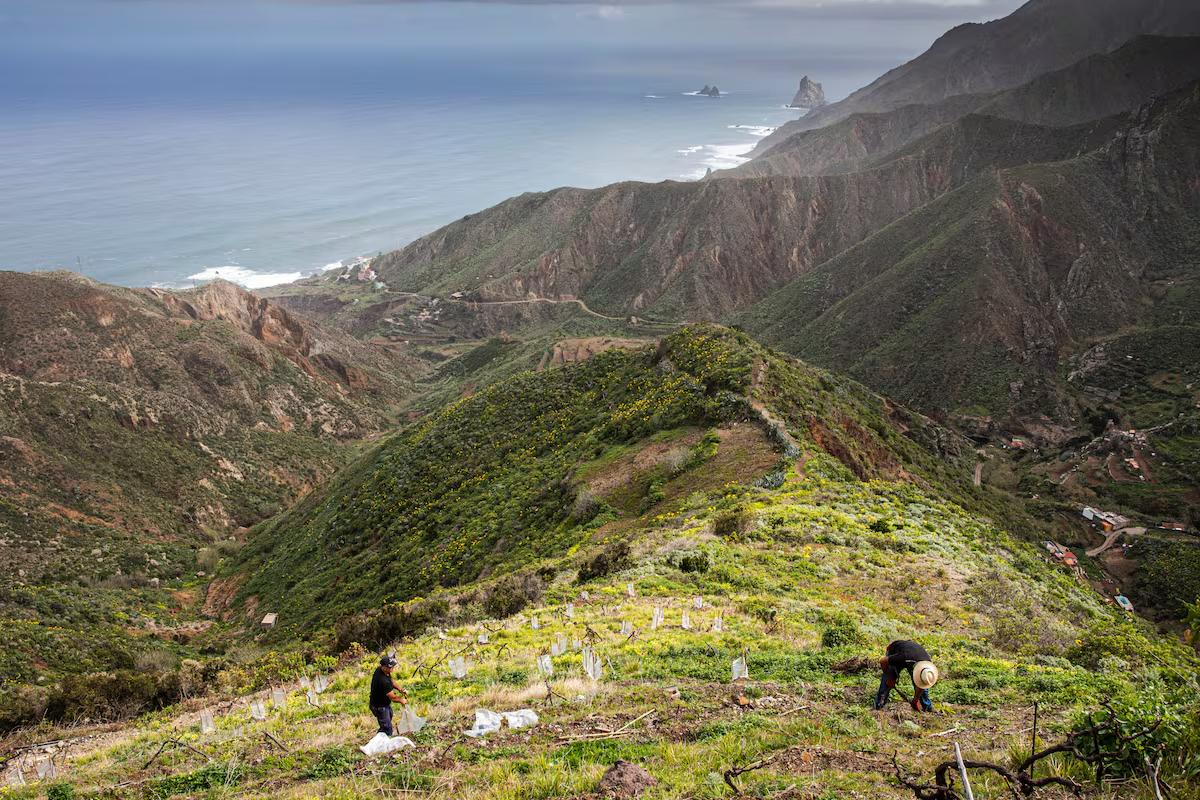
But for wine lovers, it’s the more cloudy, humid climes up north that are increasingly the draw; a place where old vines and young blood are combining to produce wines with real verve.
Tenerife used to be a big wine producer; from the 16th to the 18th centuries its sweet wines were so prized they were even mentioned by Shakespeare. But the lure of cash crops such as avocados, and the tourism boom of the 1980s, meant serious winemaking fell by the wayside. Yet many of its old vineyards survived, ungrafted – partly because the island never succumbed to phylloxera, the pest that devastated European vineyards in the 1800s. It is a mine of indigenous varieties and old viticultural techniques waiting to be discovered.
Vines at Suertes del Marqués in the Orotova Valley
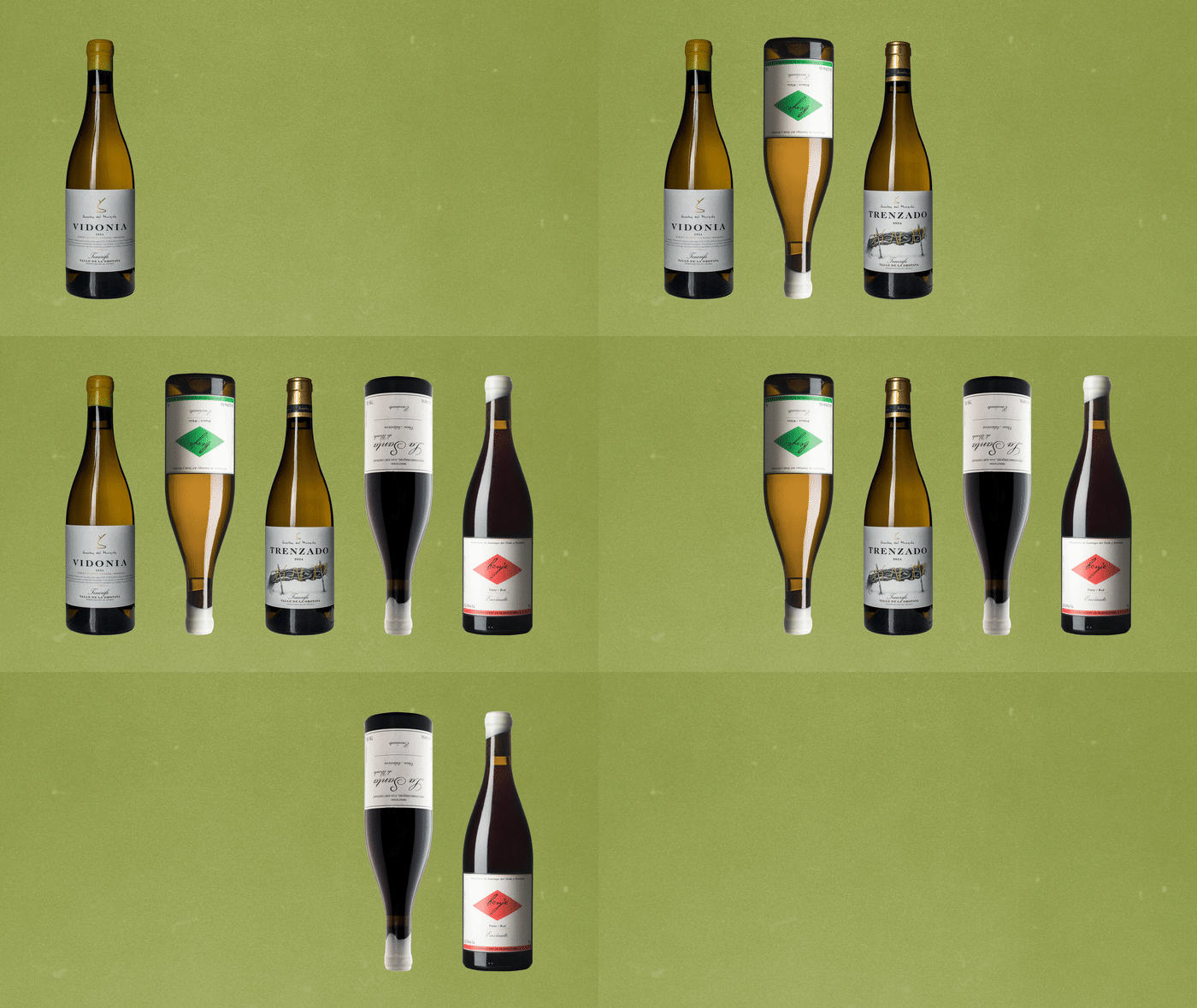
A driving force in these vineyards’ renaissance has been Jonatan García Lima, head of Suertes del Marqués. The family winery is based in the Orotova Valley, a steep amphitheatre of vines and palms overlooked by the snow-capped Mount Teide volcano. “His whites, in particular, have become modern classics, setting the benchmark for tense, mineral-driven wines with an incredible – some might say volcanic – sense of energy,” says Mark Andrews, master of wine and co-founder of Noble Rot, which imports Suertes wine into the UK via its Keeling Andrew arm and sells it via Shrine To the Vine. “There are moments, typically when I’m with friends and the sun is out, when a bottle of their Trenzado or Vidonia is the only thing I want to drink.”