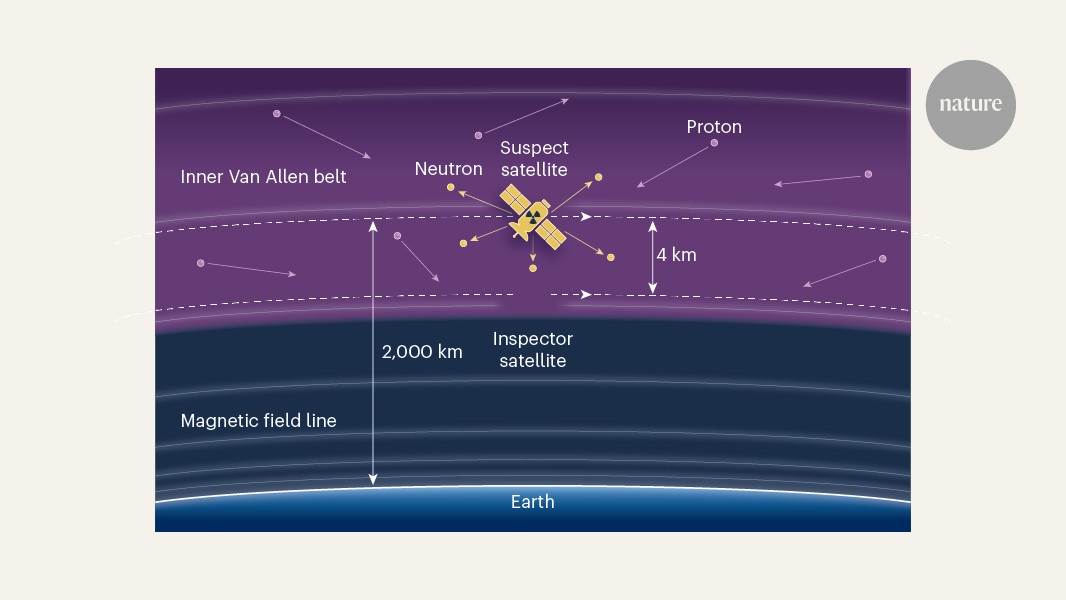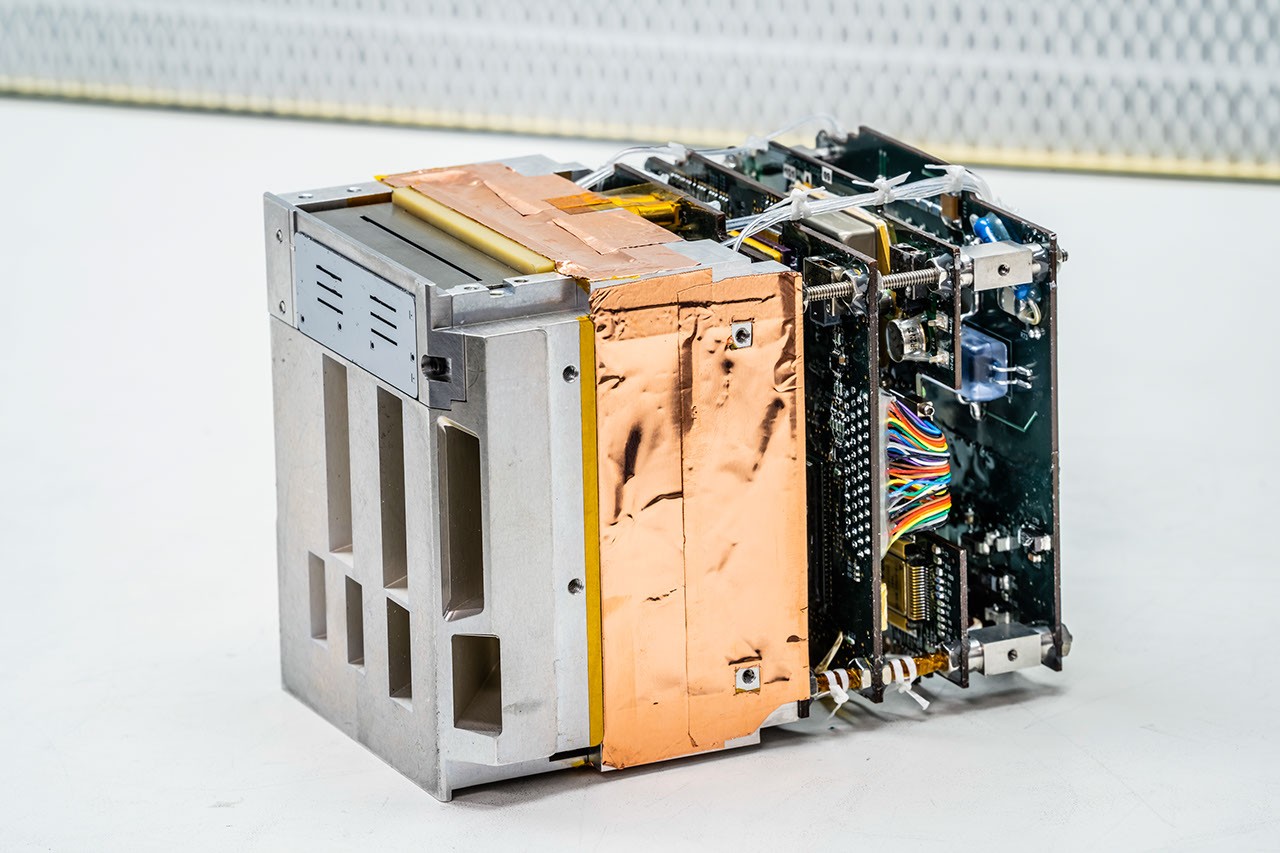
NEW YORK — A study published last week in Nature Astronomy has proposed a new satellite design and technique to detect thermonuclear warheads in space. Funded in part by the United States National Nuclear Security Administration, it’s the first study proposing any technique for identifying orbital warheads in peer-reviewed literature.
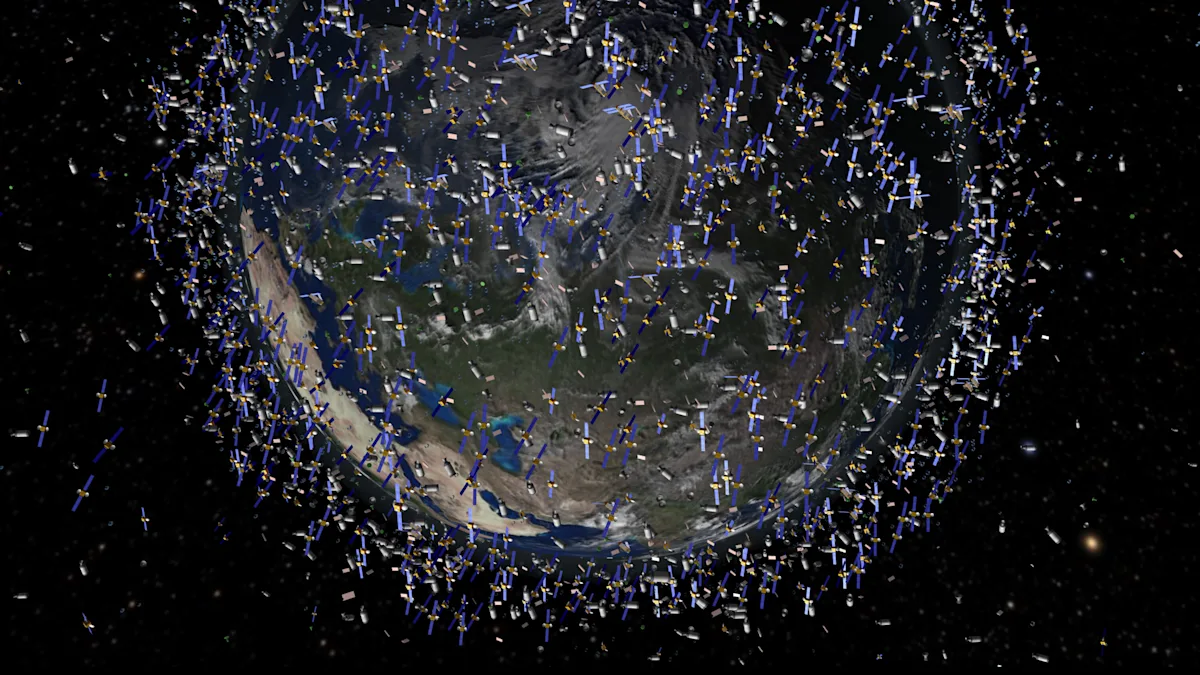
Today’s satellites can’t detect nuclear weapons in orbit. This makes it hard to verify the 1967 Outer Space Treaty, which has been signed and ratified by 118 member states of the United Nations and forbids “nuclear weapons or other weapons of mass destruction in orbit.”
In 2024, U.S. intelligence officials alleged a Russian military radar satellite, Kosmos-2553, perched in a radiation-rich zone, was a testbed for developing a potential anti-satellite orbital nuclear weapon.
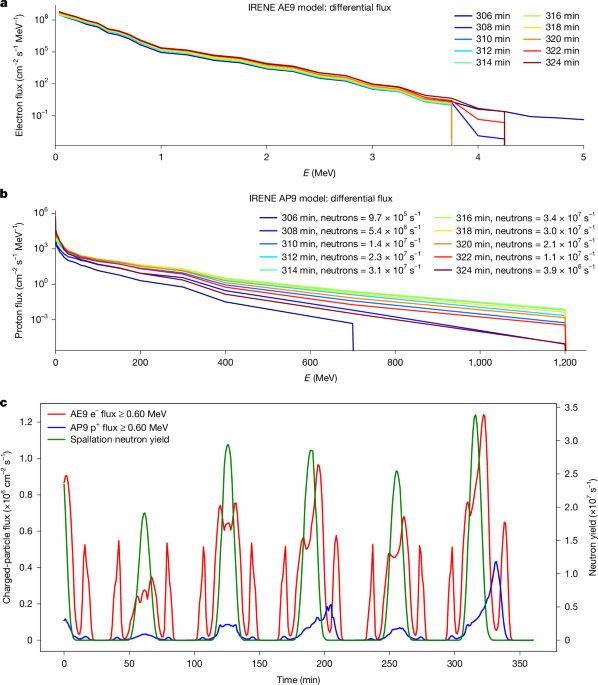
The new study, from Areg Danagoulian, a nuclear physicist and non-proliferation researcher at MIT, offers a verification mechanism to the treaty using radiation trapped in the earth’s inner magnetosphere to probe for fissionable material in warheads.
“It helps ground the conversation of technical nuclear weapon detection in space with starting-point parameters that describe the required orbital mechanics to make it all happen,” Thomas Gonzalez Roberts, an assistant professor of aerospace engineering and international affairs at Georgia Institute of Technology who was not involved in the study, told SpaceNews.