According to the World Wildlife Fund (WWF), monitored global wildlife populations have declined by an average of 73% since 1970, while around one million plant and animal species are now threatened with extinction because of habitat loss, climate change, overexploitation and pollution.
Collecting reliable environmental data in isolated regions has traditionally required significant logistical effort, creating energy, cost and accessibility challenges that can delay conservation work.
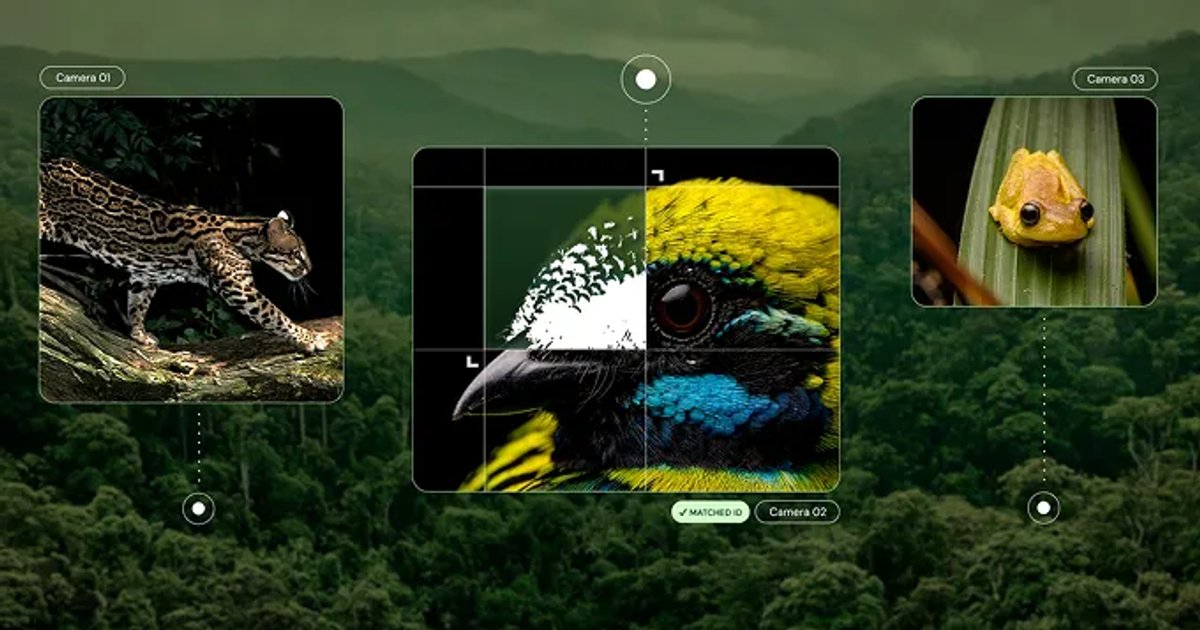
To overcome these barriers, Microsoft developed SPARROW (Solar-Powered Acoustic and Remote Recording Observation Watch), an AI-powered platform created by the company's AI for Good Lab that uses renewable energy, edge computing and satellite communications to provide continuous biodiversity monitoring with minimal human intervention.
All the devices connected to the SPARROW platform are solar-powered,
SPARROW has been designed to operate independently in environments where access to electricity and communications infrastructure is limited.