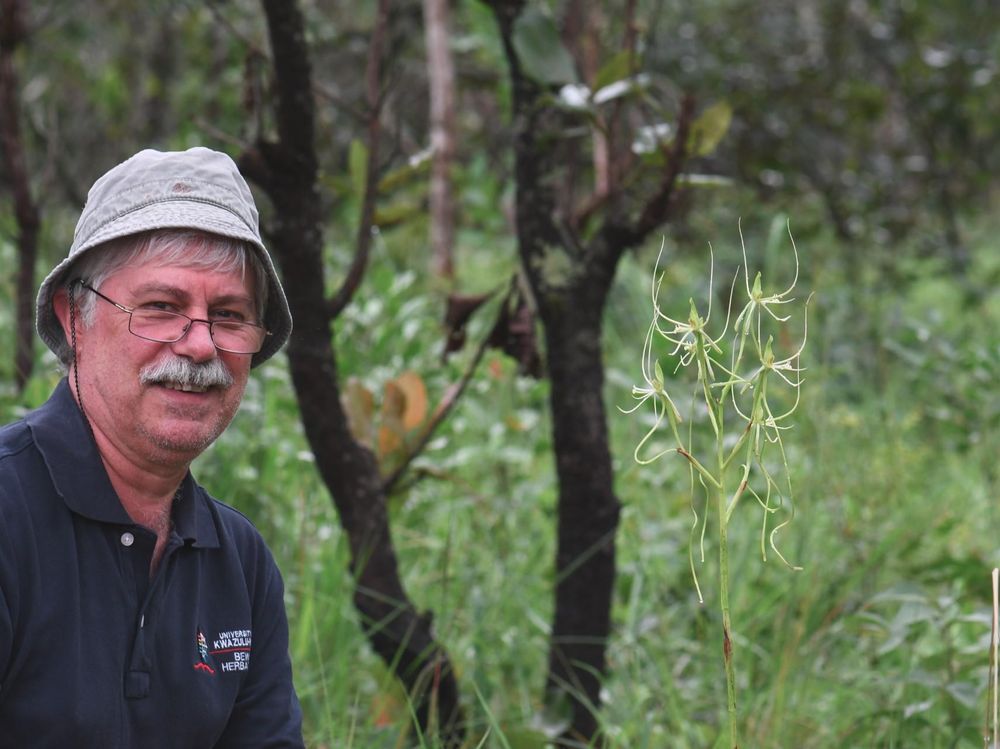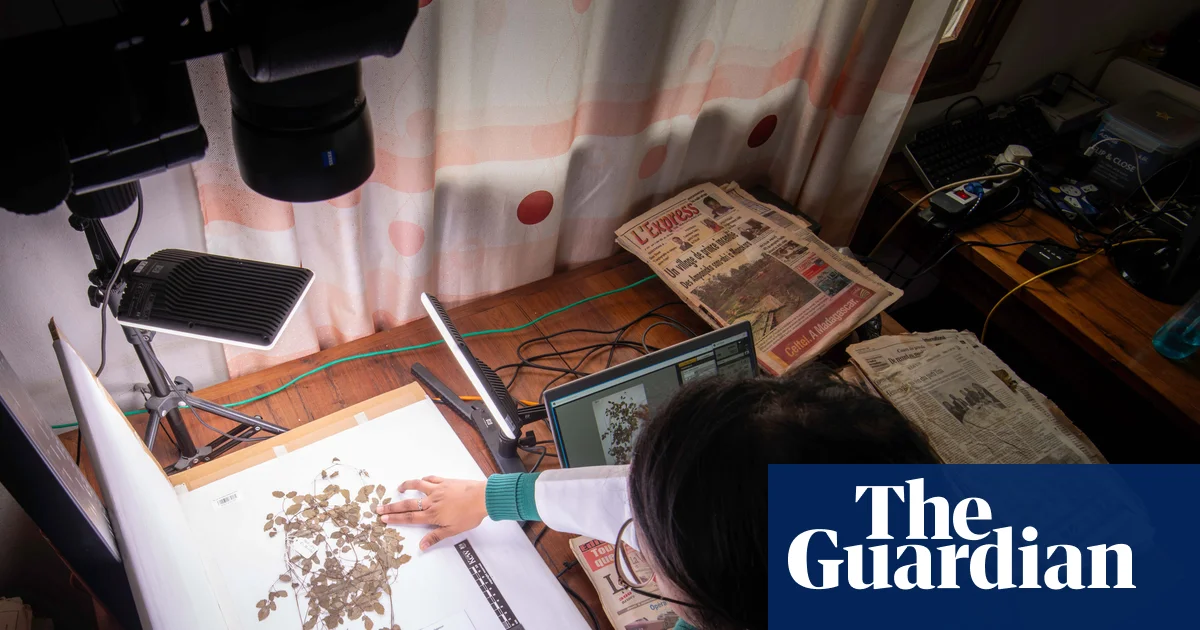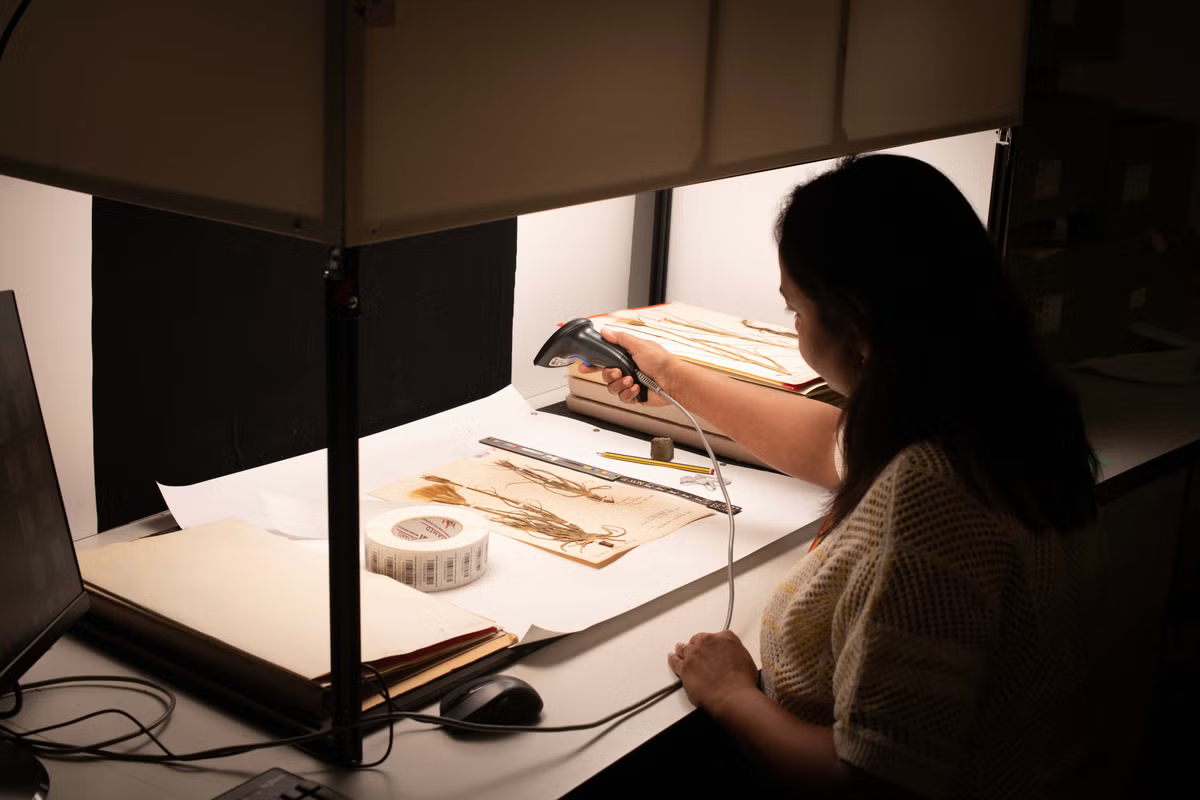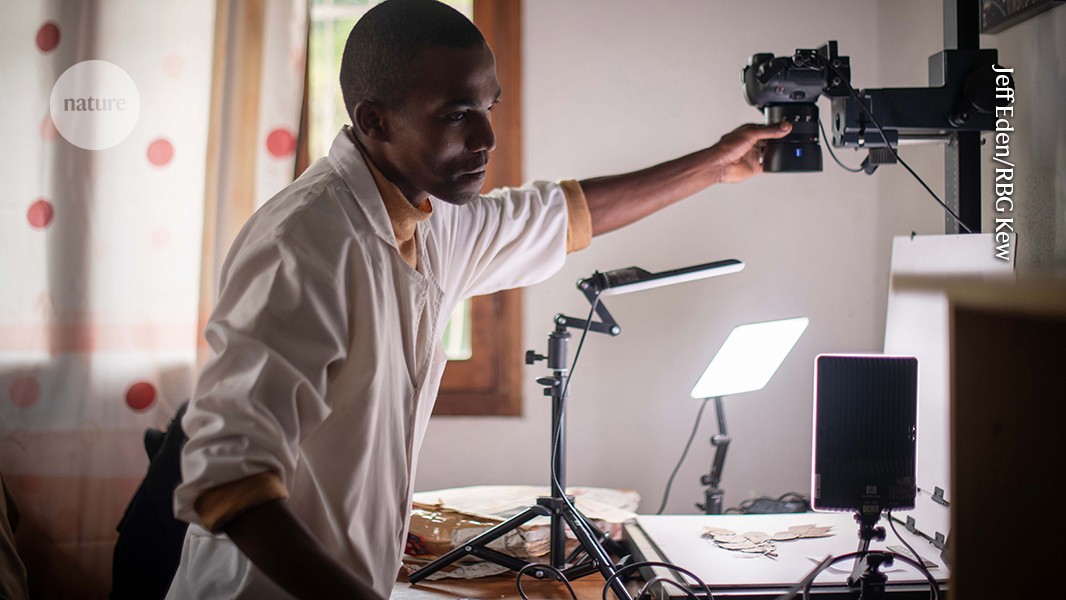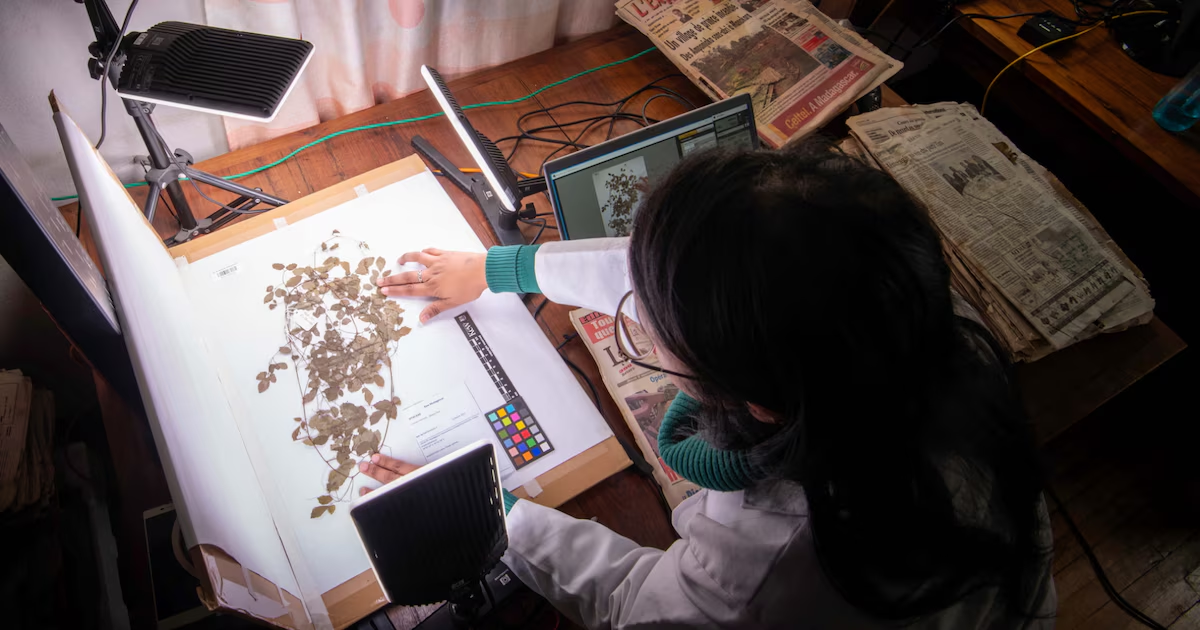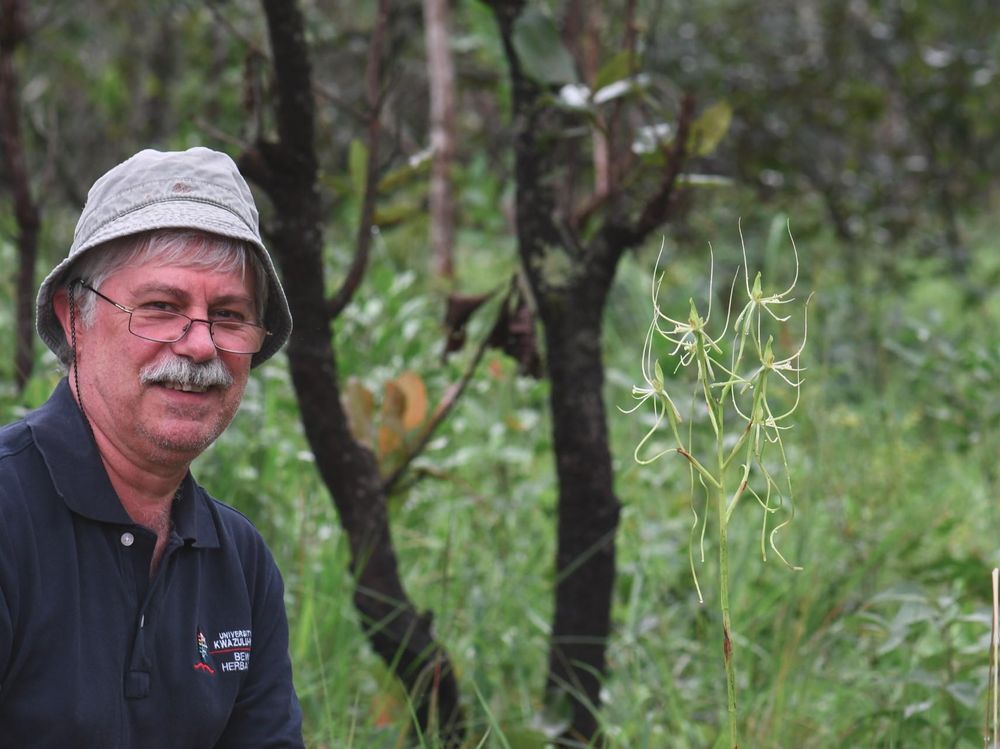
UKZN’s Professor Benny Bytebier in the field in Zambia. Bytebier is playing a key role in establishing and expanding the Western Indian Ocean Island Herbarium Network and in facilitating the digitisation of their collections.
The recently released State of the World’s Plants and Fungi 2026 (SOTWPF) report from the Royal Botanic Gardens, Kew, delivers a stark but necessary wake-up call regarding the biodiversity crisis. Despite our relatively limited grasp of the full extent of biodiversity loss, cutting-edge advancements in technology present a glimmer of hope in the battle to safeguard our planet's flora and fungi.
Published on June 16, the sixth SOTWPF report consolidates insights from over 400 scientists across 40 nations. Among them is Professor Benny Bytebier from the University of KwaZulu-Natal (UKZN), curator of the venerable Bews Herbarium in Pietermaritzburg. This facility, which has amassed over 250,000 plant specimens including flowering plants, ferns, and seaweeds over its century-long existence, plays a pivotal role in understanding and preserving biodiversity.
At the heart of the report's findings is the argument that technology can serve as an ally to nature. Digital tools — once considered niche — are now critical in exposing gaps in our scientific knowledge and identifying areas where urgent action is needed to protect plants and fungi. The SOTWPF has been a cornerstone of biodiversity assessments since 2016, aiming to illuminate the threats faced by various species and the policies needed to safeguard them.