view more
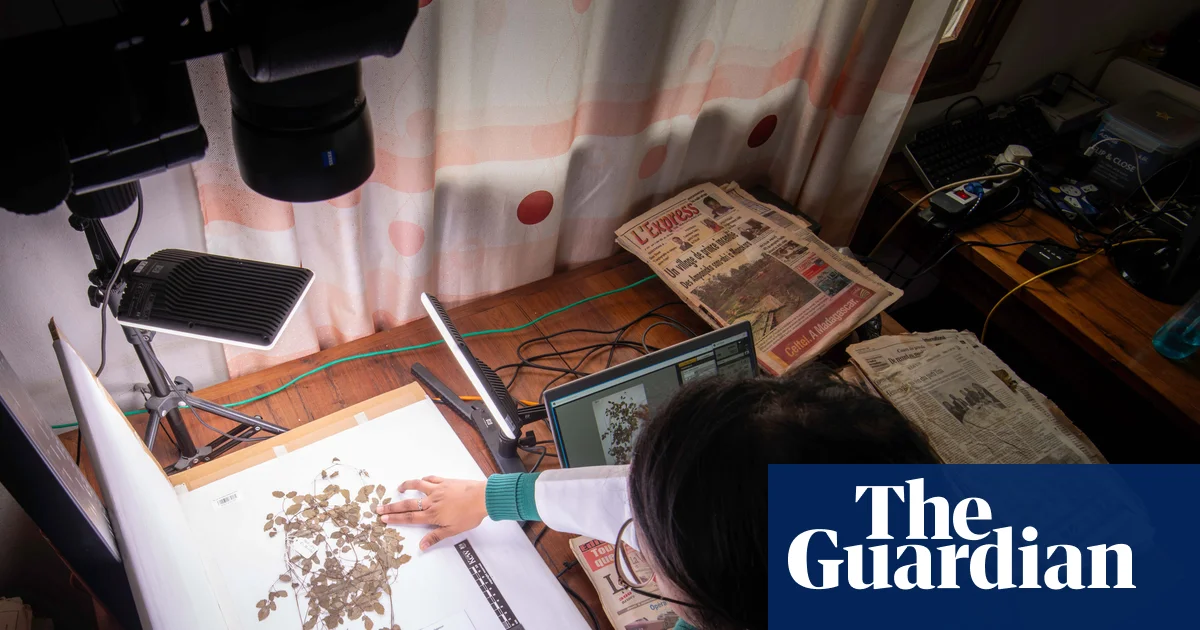
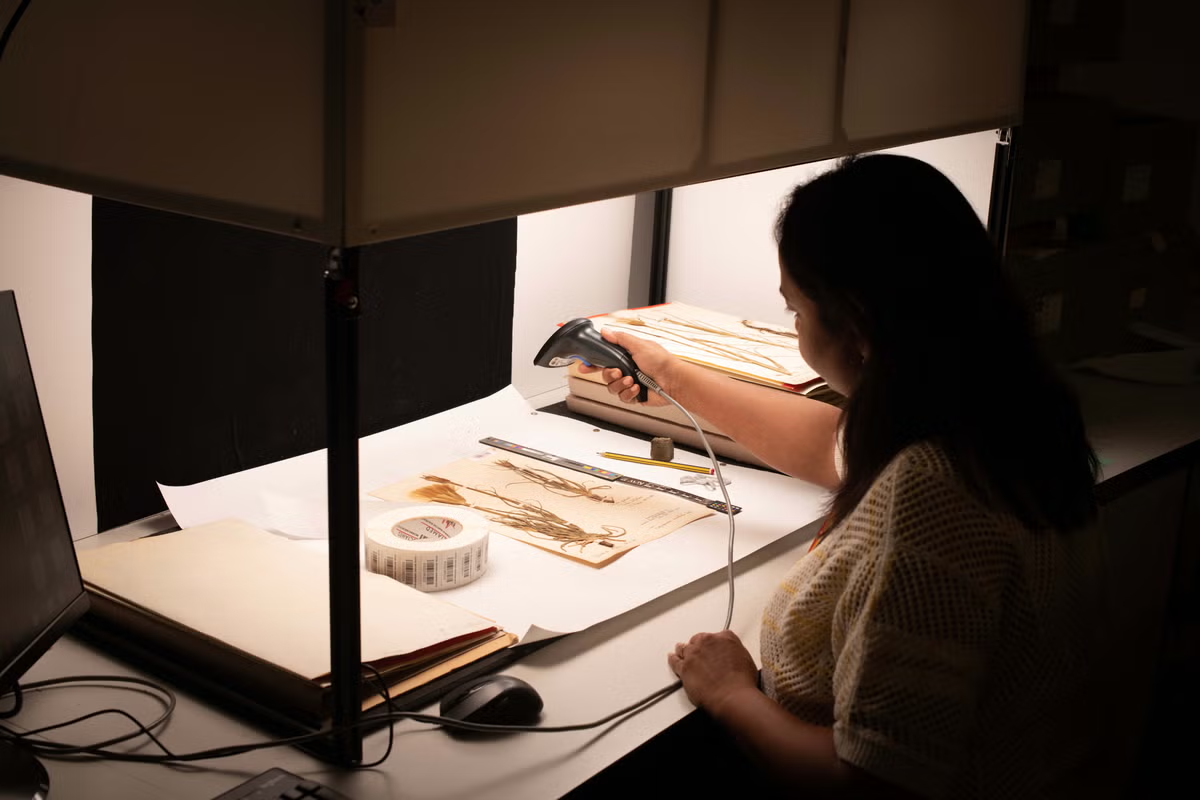
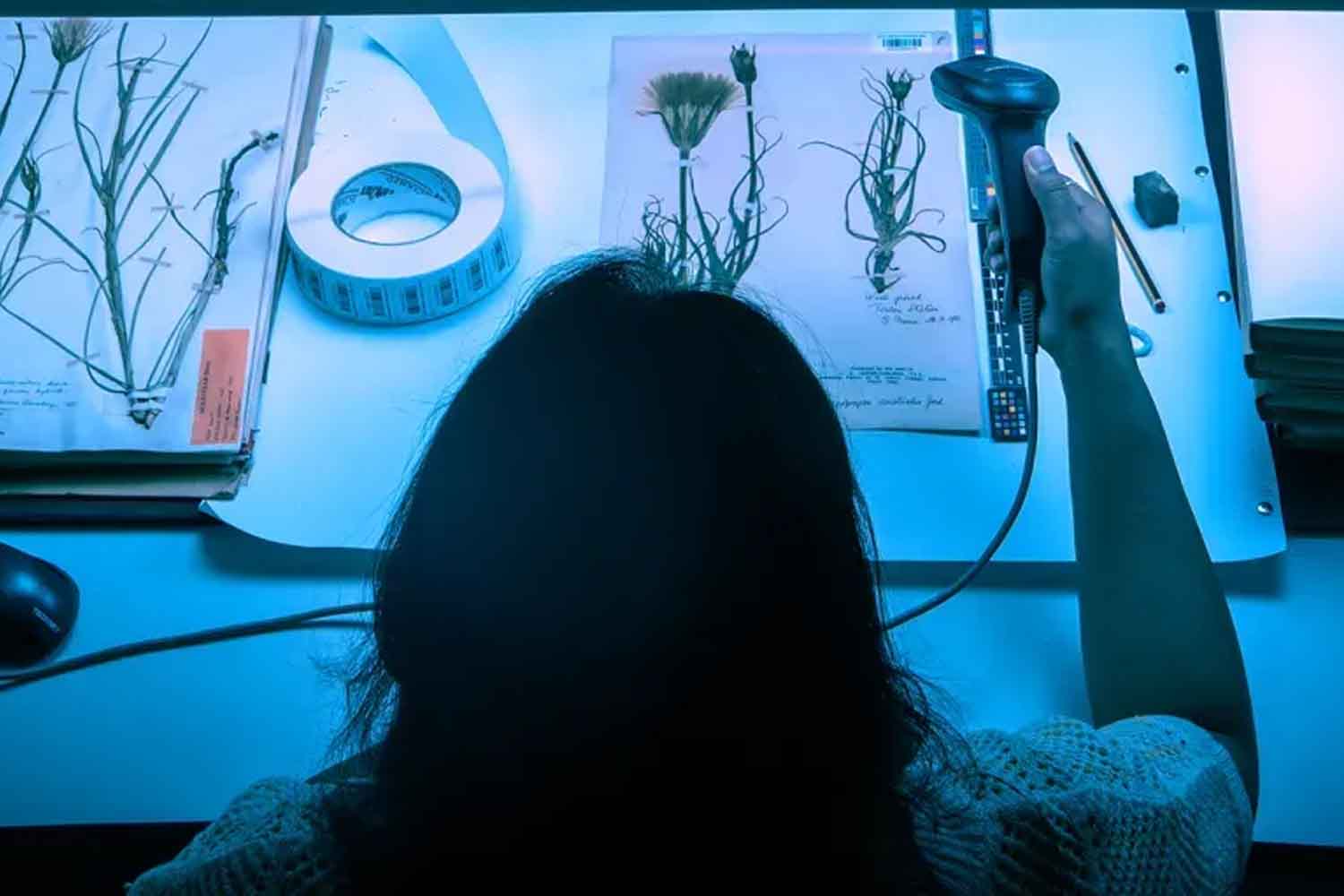
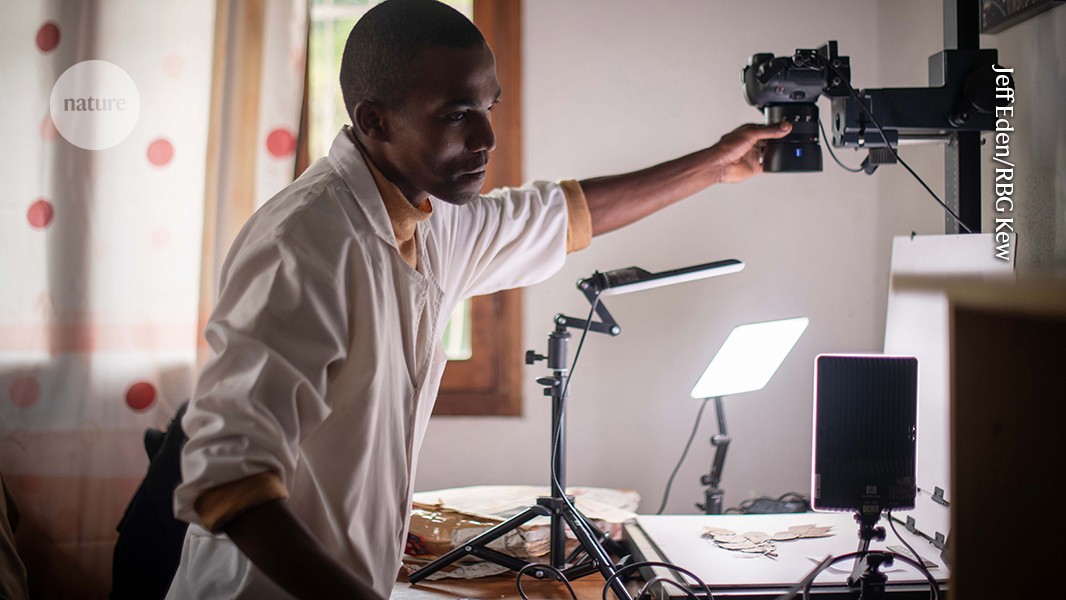
In a seismic shift since Kew’s inaugural State of the World’s report ten years ago, the sixth State of the World’s Plants and Fungi report, published 16 June 2026, brings together expertise from over 400 scientists across 40 countries to explore how new technology is transforming the race to save nature. The report argues technology can be nature’s ally, with digital tools exposing critical gaps in scientific knowledge and highlighting where action is most urgently needed to safeguard plants and fungi.
Plants and fungi underpin all life on Earth, regulating climate, storing carbon and supplying food and medicines. Without reliable data on what species exist, where they occur globally and the impacts of a changing climate, this report warns that conservation efforts may overlook the most vulnerable species, and opportunities for new medicines and sustainable future crops may be lost.
Professor Alexandre Antonelli, Executive Director of Science at RBG Kew, says: ‘This report provides an incredibly rich and exciting preview of the future of plants and fungi. Scientists, practitioners and anyone with a keen interest in biodiversity are now being equipped with unprecedented data and tools to learn and contribute in ways that are faster, better and more impactful than ever before. The digital revolution is breaking down the barriers of physical distance and access, catalysing more equitable collaboration at a truly global level. While documenting and protecting all life on Earth remain formidable challenges, digitisation and accompanying technologies make me increasingly hopeful that we’ll succeed.’