A recent paper in Frontiers in Science argues that tracking ecosystem health and natural processes — not just counting species numbers — is essential to stop and reverse biodiversity loss.The paper promotes the “Three Global Conditions Framework” (3Cs), which categorizes regions by human-impact level to guide targeted conservation efforts ahead of the 2030 Kunming-Montreal Global Biodiversity Framework deadline ending the loss of biodiversity.Experts say implementation is a lingering challenge, in part because the Global Biodiversity Framework isn’t legally binding.They say real progress depends on the actions of individual countries and addressing who bears the social and economic costs of these solutions.
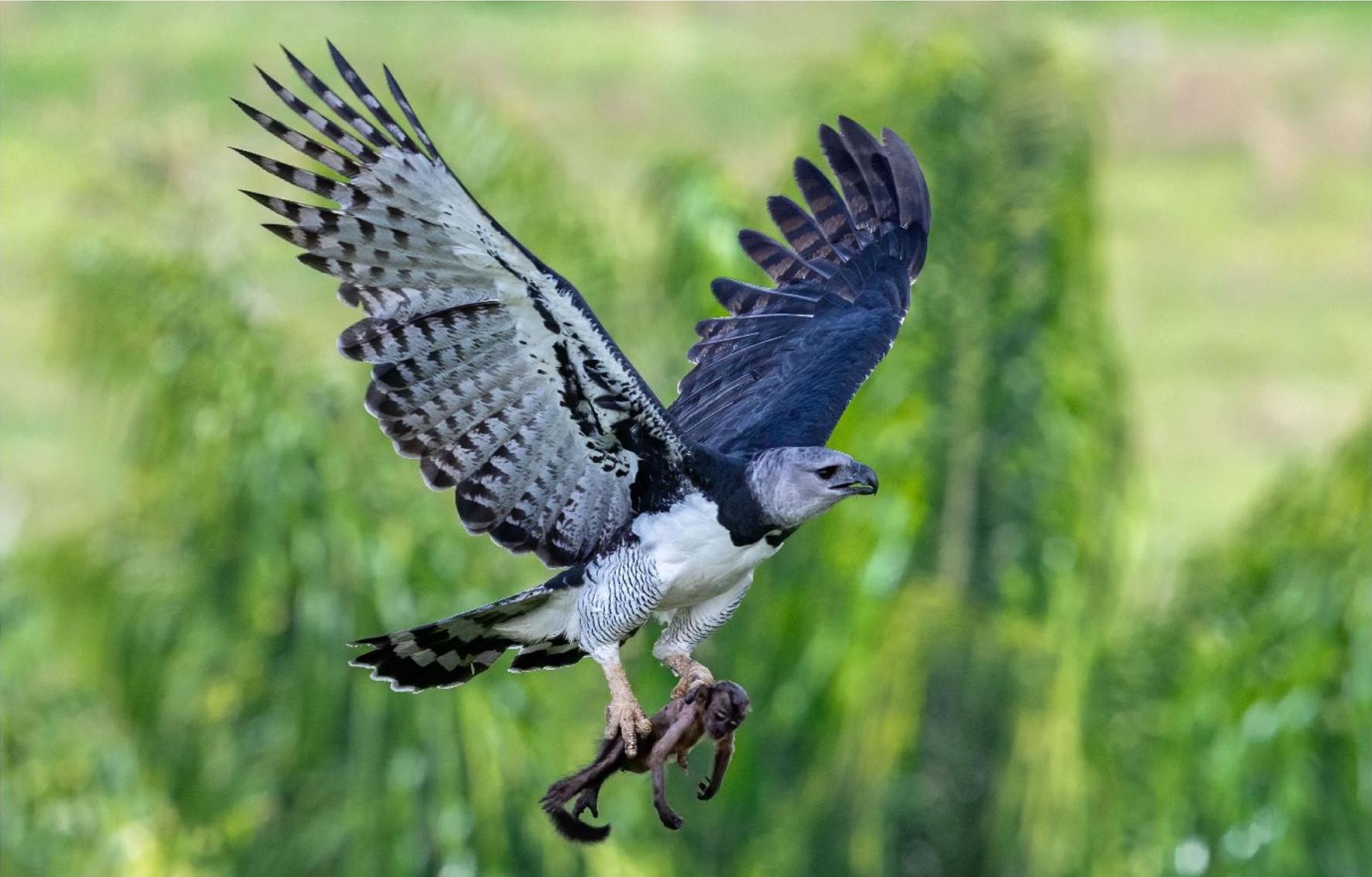
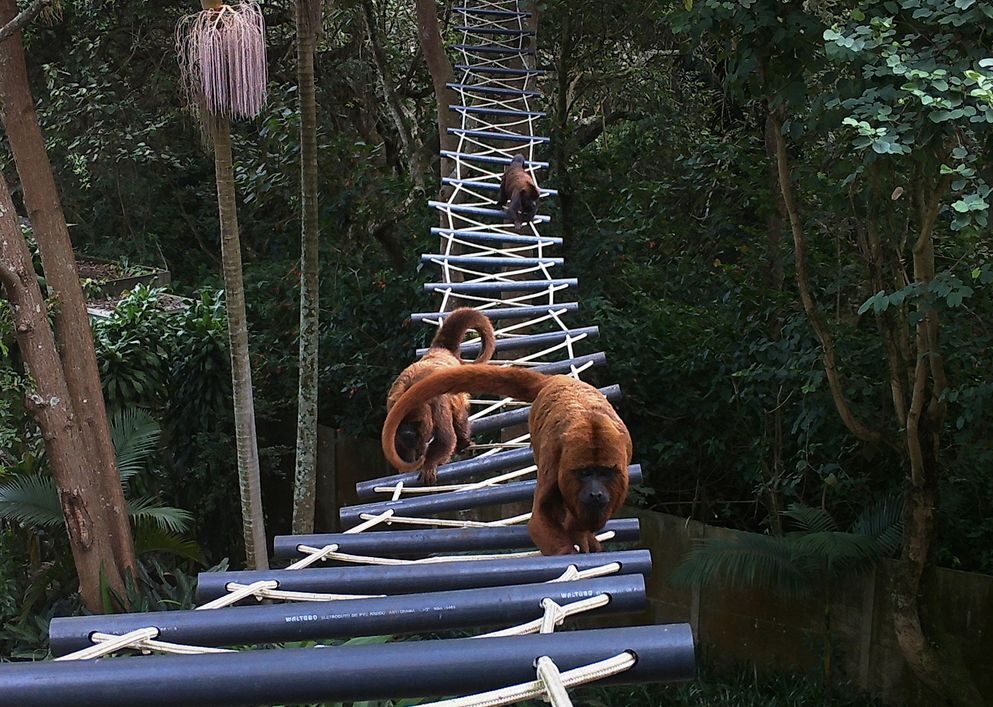
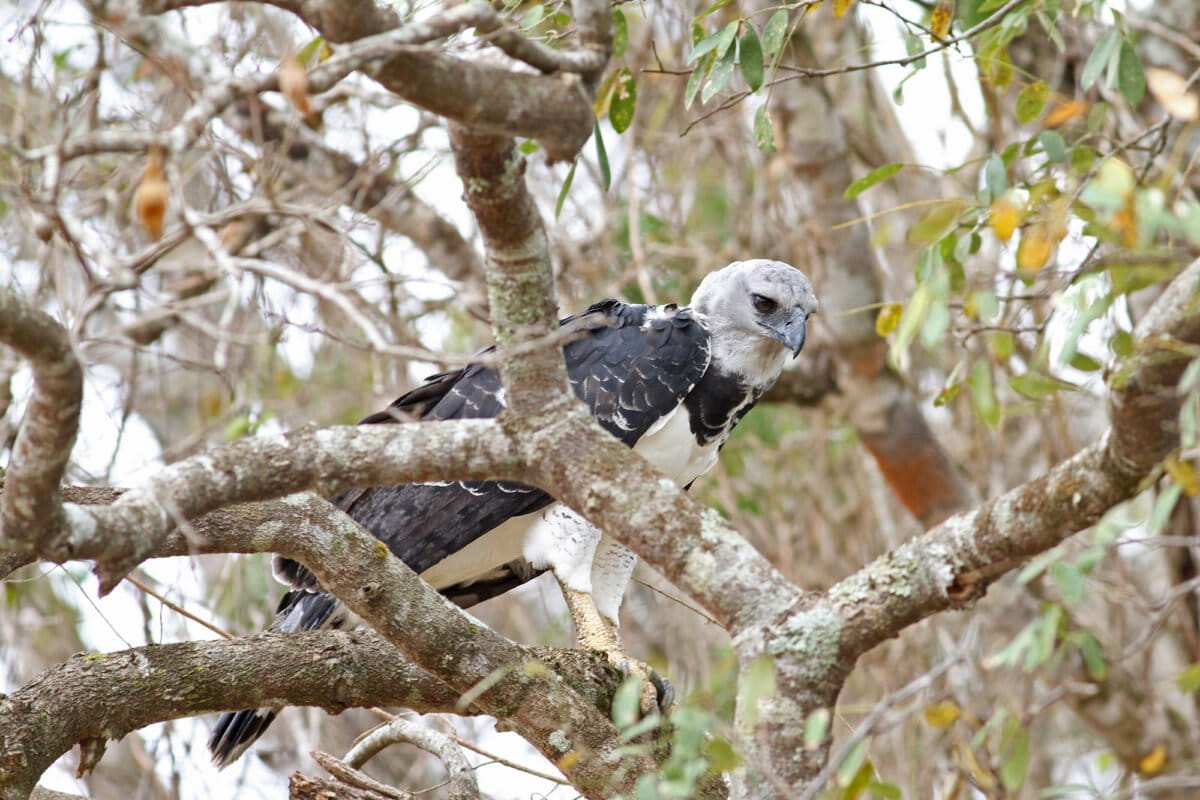
From its nests high in the canopy of the Amazon, the harpy eagle depends on — and is critical to — the health of the forest around it. The species controls the numbers of animals such as sloths and monkeys that, unchecked, could consume too many leaves and turn the canopy into lace.
But the massive loss of trees in the world’s largest rainforest has hampered the survival of the harpy eagle (Harpia harpyja). Too few tall trees in the vicinity of their nests means fledgling chicks don’t have enough safe places to land as they learn to fly. Habitat loss, along with hunting, has led to the bird’s listing as vulnerable by the IUCN. Removing it entirely could accelerate the demise of the entire ecosystem, conservationist Harvey Locke told Mongabay in an interview, which could have knock-on effects such as diminished rainfall on farmland in the region.