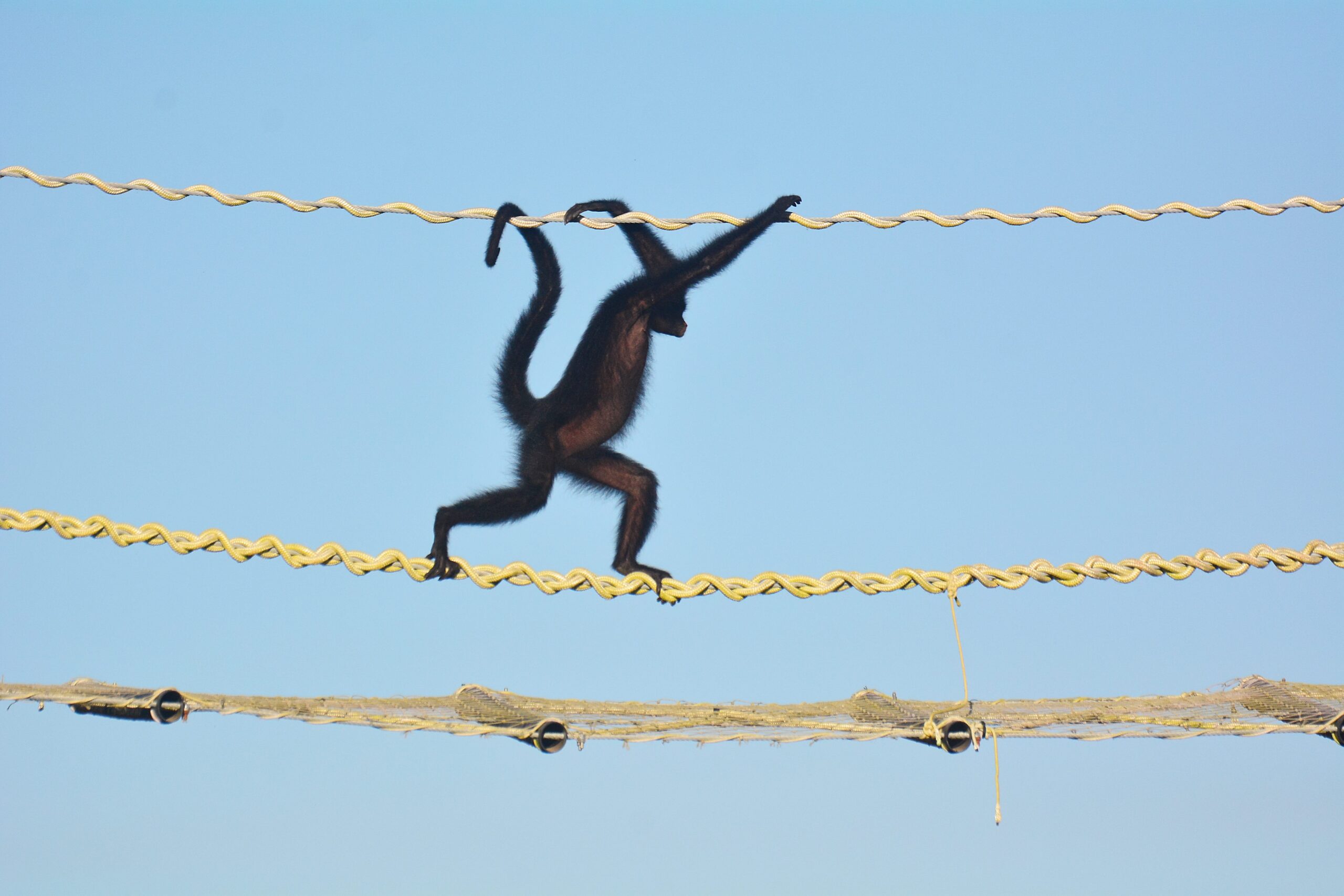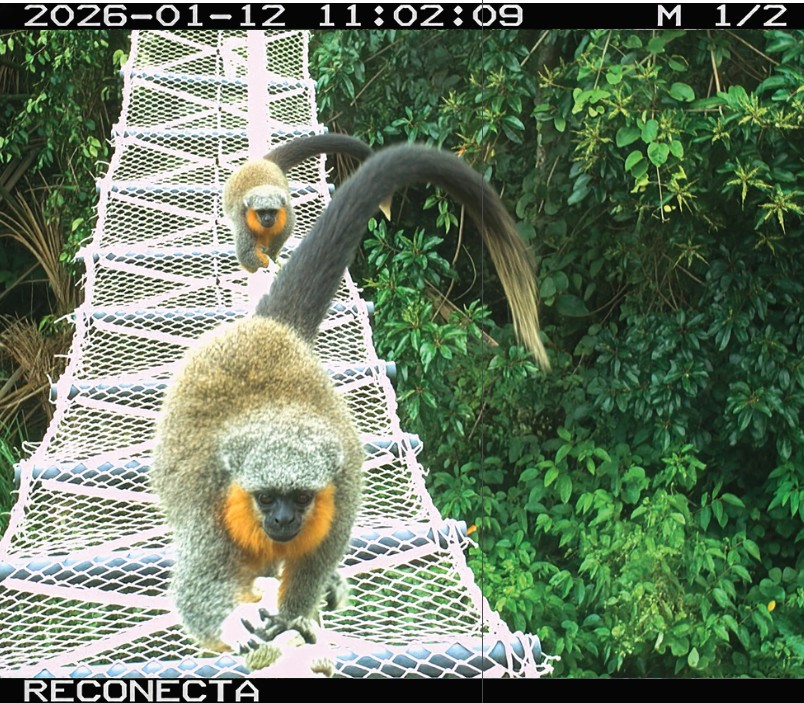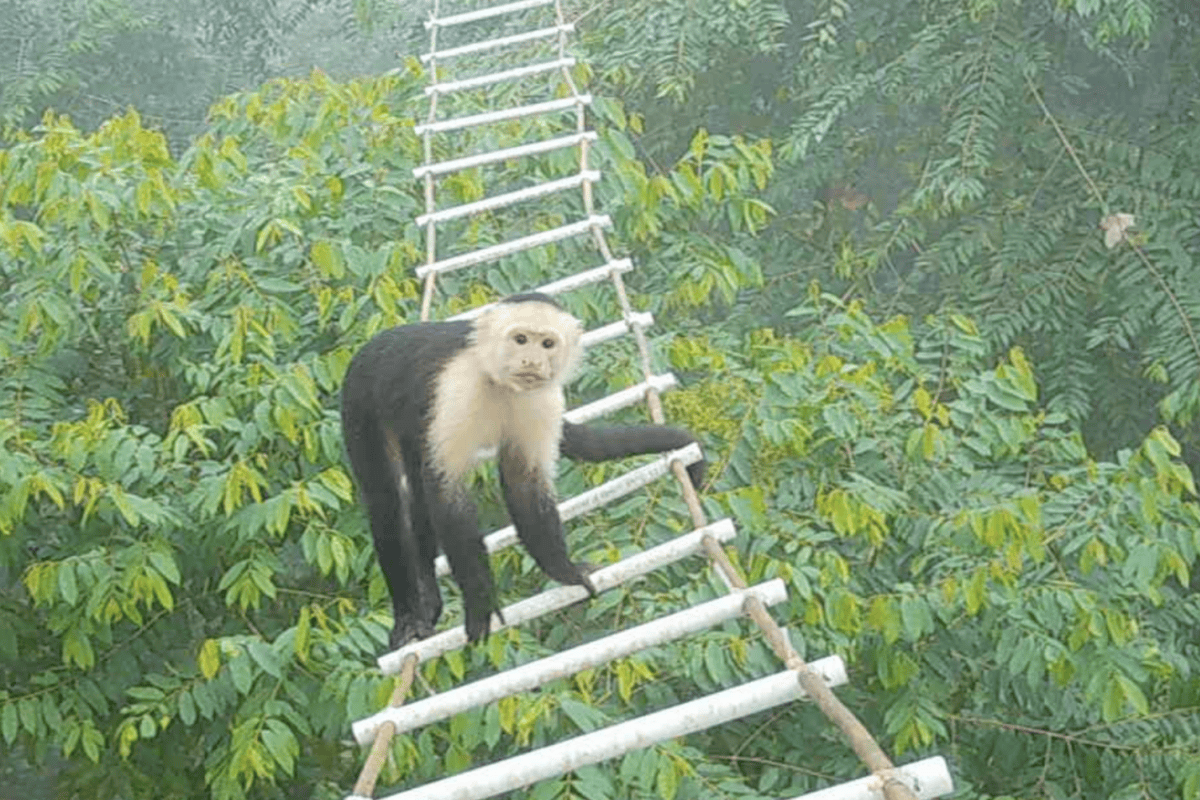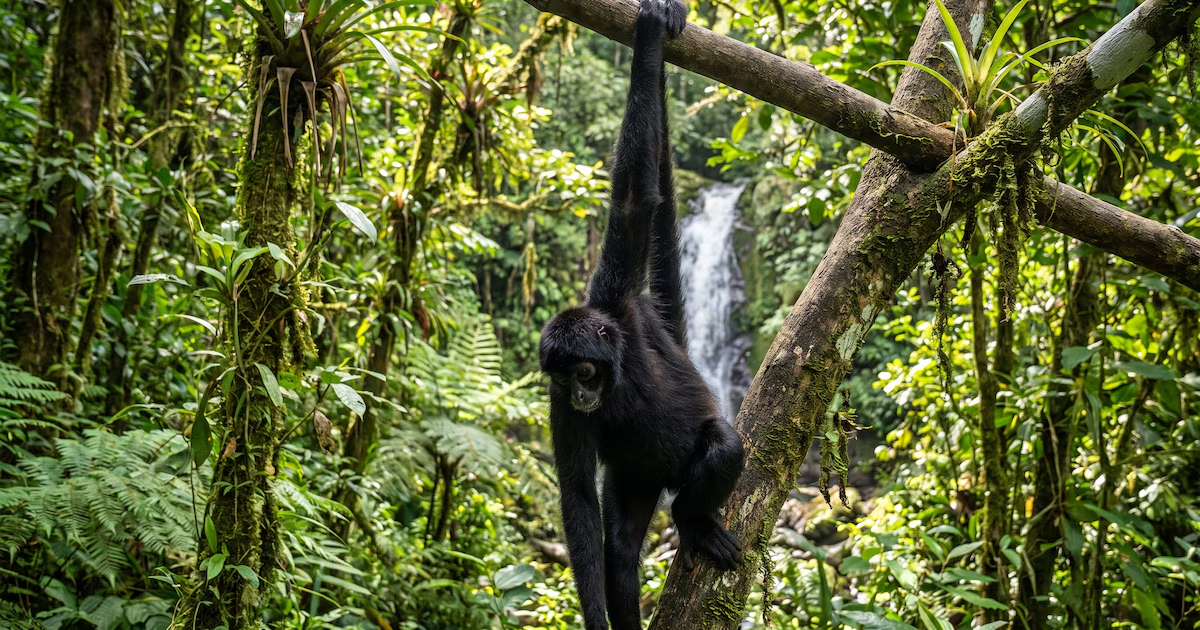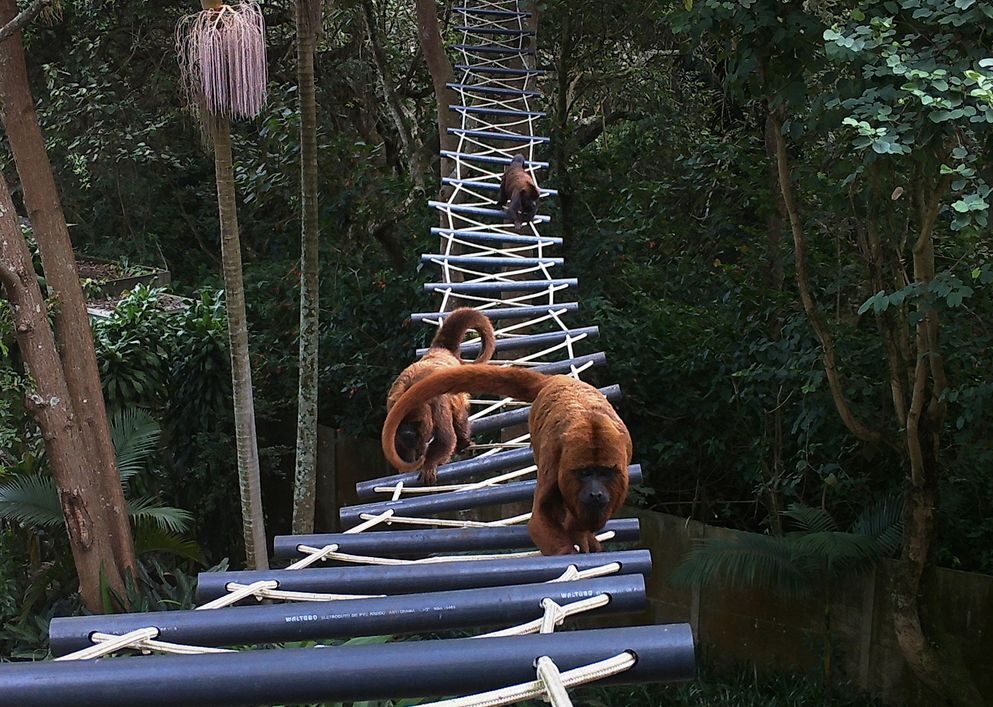
In the Amazon and Atlantic forests, field research is seeking new ways to understand the behavior of mammals like monkeys and sloths that depend on the treetops to move around and survive in different types of vegetation.Using photographic equipment on artificial bridges — whose ropes, nets and platforms are intertwined with trees to protect wildlife — researchers are mapping fauna in both continuous forests and fragmented areas, providing new scientific insights.Experts working to reduce the risks of roadkill and species’ isolation in fragmented forest areas say studies are crucial to improving the installation of artificial crossings over highways.
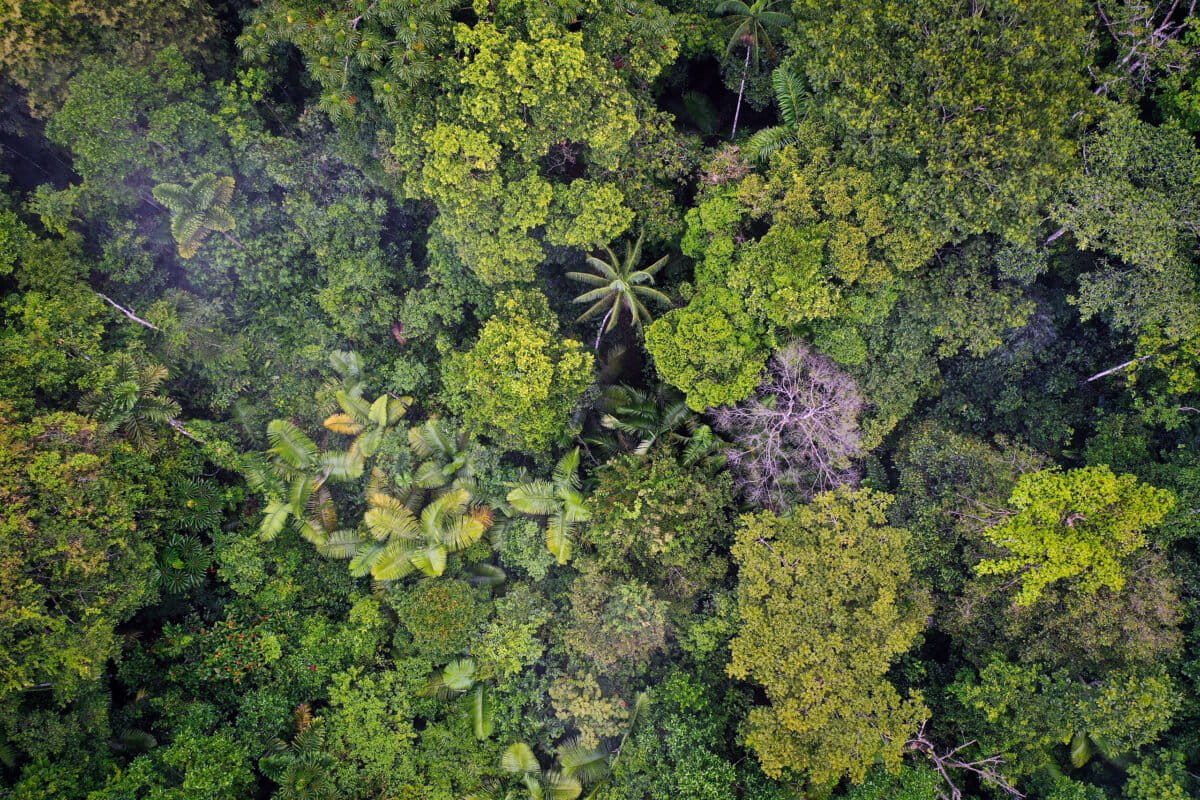
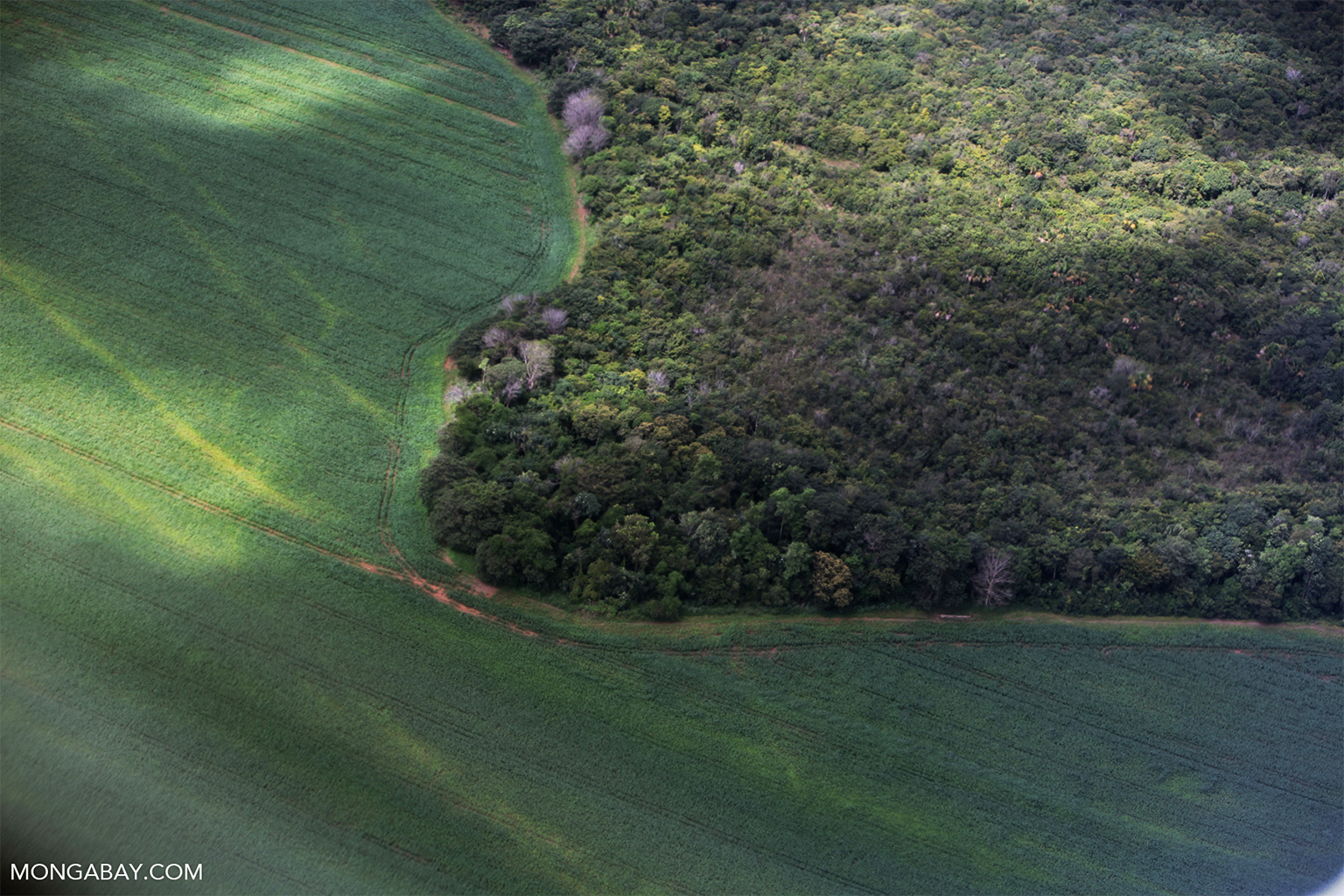
Throughout the Amazon Rainforest, forest fragmentation represents an escalating and existential threat to the preservation of fauna. Driven by intensive economic development, the expansion of agribusiness and large-scale infrastructure projects — such as highways, railways, power transmission lines and gas pipelines — continues carrying profound environmental risks.
Foremost among these ecological pressures are the geographic isolation of animal populations and high mortality rates resulting from roadkill and other related accidents. Arboreal mammal species, including primates, sloths and porcupines, are among the most affected by this confinement, as their survival is strictly dependent on canopy connectivity.