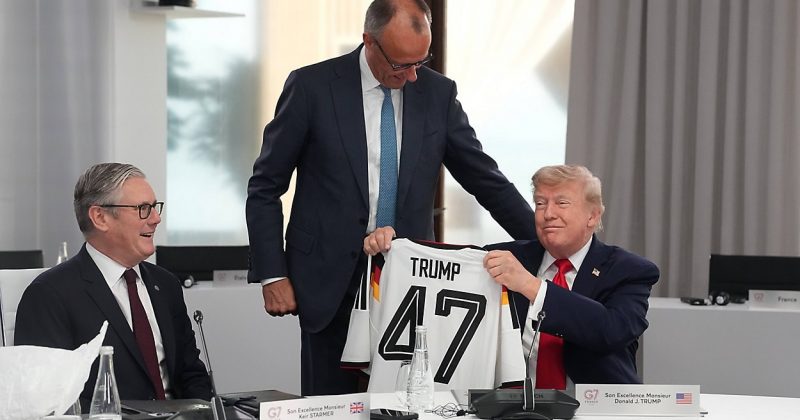
In 2017, U.S. President Donald Trump signed the Countering America’s Adversaries Through Sanctions Act, commonly known as CAATSA, expanding the United States’ sanctions framework against Russia, Iran and North Korea. However, sanctions against Türkiye were not imposed directly in 2017. They were introduced in December 2020, during the final weeks of the first Trump administration, following Türkiye’s acquisition of the Russian-made S-400 air and missile defense system from Rosoboronexport, Russia’s principal arms-export agency.
Türkiye consequently became the first and, to date, the only NATO ally to be sanctioned under CAATSA. For Türkiye, the measures do not represent the first sanctions-related crisis in its relations with the United States. Türkiye-U.S. relations have previously been affected by arms embargoes, export restrictions, and other measures that limit defense cooperation. Nevertheless, what distinguishes the CAATSA case from earlier disputes is that a fellow NATO member sanctioned Türkiye because of its defense cooperation with Russia. This situation generated not only a profound crisis of confidence in bilateral relations but also a broader debate concerning the meaning of alliance solidarity and the credibility of NATO’s collective security architecture.