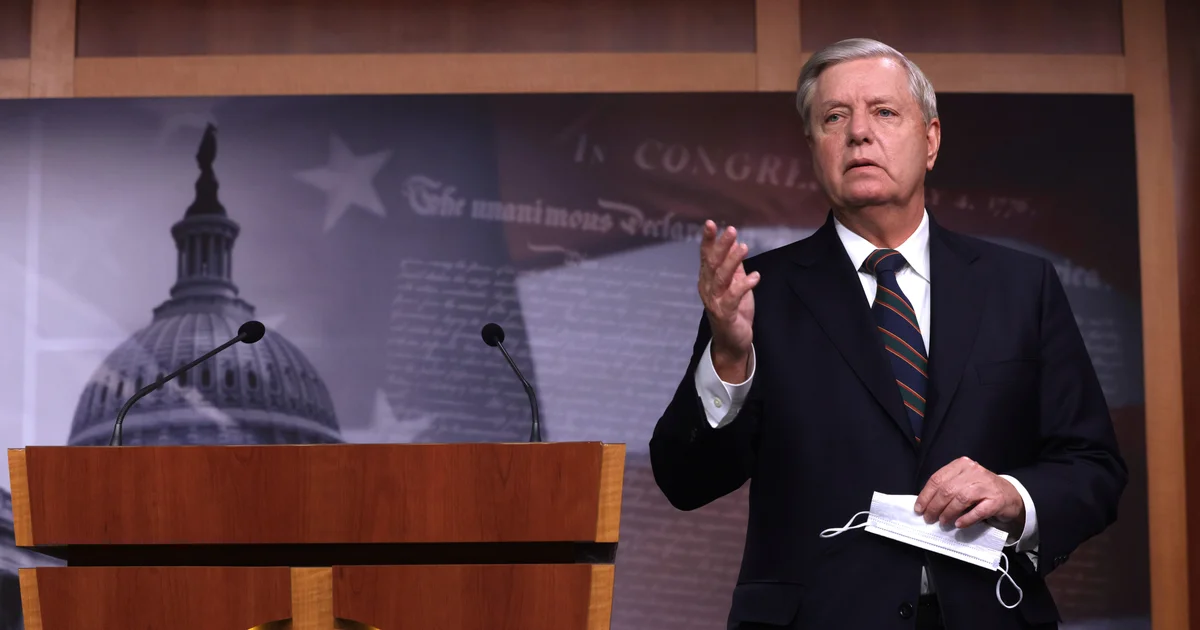
The US Senate seems to be working overtime to give finishing touches to the bipartisan Graham-Blumenthal Bill
| Photo Credit:
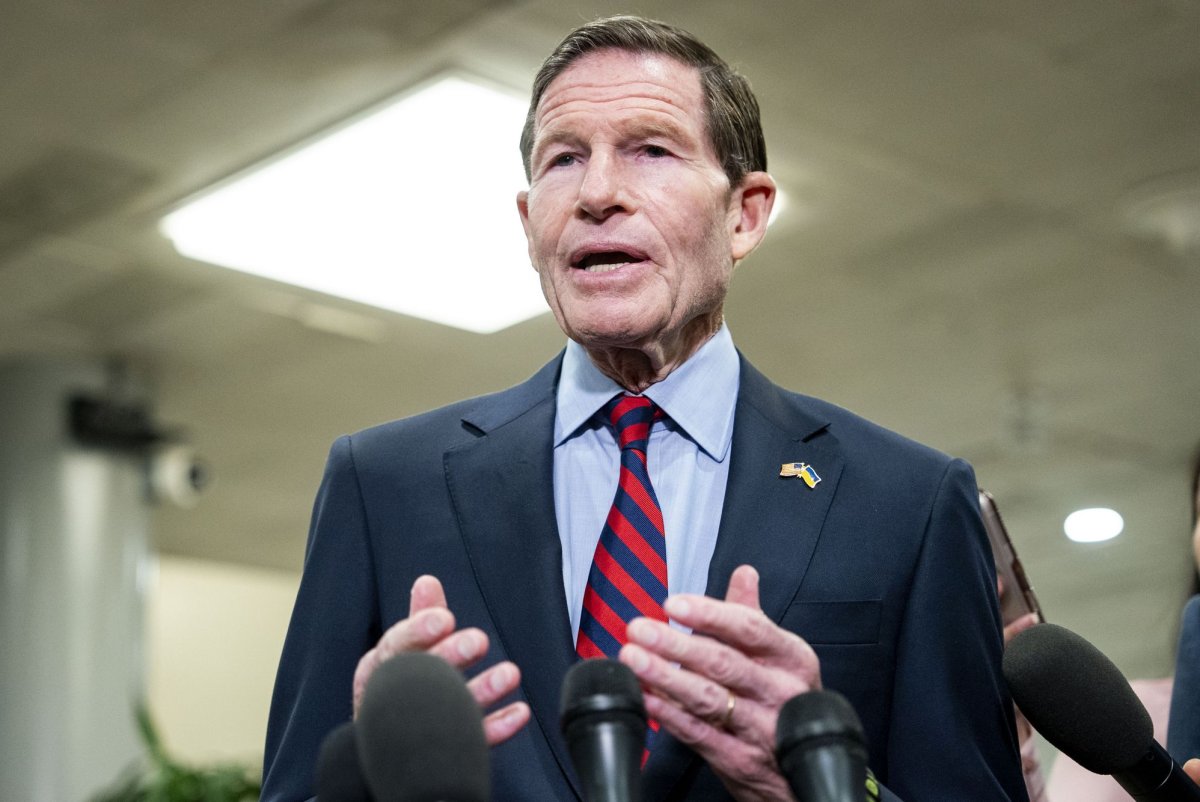
At a time when the Trump administration is getting fully involved in Phase Two of the Iran war through renewed hostilities in an around the Strait of Hormuz and retaliatory strikes across the Gulf nations, it has opened the prospect of another front by way of punitive measures against a small clutch of countries.The US Senate — with the full blessings of the White House — seems to be working overtime to give finishing touches to the bipartisan Graham-Blumenthal Bill as a way of paying high tributes to Senator Lindsey Graham who suddenly passed away. Senator Richard Blumenthal is a Democrat from Connecticut.The senior Republican from South Carolina intended to punish countries like China and India who in his view were bankrolling President Vladimir Putin’s war against Ukraine.Bipartisan initiativeThe bipartisan initiative that has been doing the rounds since April 2025 originally intended to slap 500 per cent tariffs on top buyers of Russian oil and gas, but the revised bill places the cap at 100 per cent.Those lawmakers eager to push the bill across the Senate floor are worried that President Trump’s attempts to add Iran and Hezbollah provisions could derail the process. There are at least 26 co-sponsors of the current bill.From a sweeping 500 per cent to 100 per cent is not the only change. Apparently there is an exemption for countries that import less than 15 per cent of Russia’s natural gas exports, but punitive measures are planned for Russia’s shadow fleet — on that country’s central bank and on state owned energy projects.It remains to be seen what exactly the White House wants of Iran and Hezbollah. Some reports suggest that the intention is to target Russian defence industries that may be working with Tehran. “With all due respect to the President, he has approved this bill, and we should move forward with this bill rather than opening it… to other potential targets,” Senator Blumental has said.India has long been on the radar of Senator Graham for being one of the largest buyers of discounted Russian crude knowing full well the implications of slapping additional tariffs and restrictions on Indian exports, especially at a time when New Delhi and Washington are giving finishing touches to a trade deal. It is a known fact that while India’s import of Russian gas is negligible, it is one of the top importers of Russian crude, accounting for around 35 per cent of its total crude imports.On top of this, India is said to be one of the top refiners of Russian crude for jet fuel and diesel.In the rush to give finishing touches to the legacy of Senator Graham, one wonders whether the implications of the punitive measures are being thought out carefully. To believe that Beijing will be a passive spectator to sweeping 100 per cent tariffs and sanctions is naïve.A strong economy like China has shown the Trump administration that it is no pushover when it comes to retaliation — the tariff wars since February 2025 are a testimony to that.Further, it showed Washington that it could use its muscle in critical minerals to impact American defence and hi-tech industries, not to speak of its own export controls. Tariffs and sanctions could bite China’s economy, but not for long.Won’t make a differenceBut the big question that lawmakers would have to ask is whether further sanctions on Russia is going to make any difference to the Ukraine war which is already in its fifth year. Time and again Moscow seems to have re-worked its strategies on the battlefield, but hardly on its objectives.Tightening sanctions on Russia or widening the scope of the Graham-Blumenthal Bill to include Iran would do little to end two conflicts in different theatres.The writer is a senior journalist who has reported from Washington DC on North America and United NationsPublished on July 16, 2026