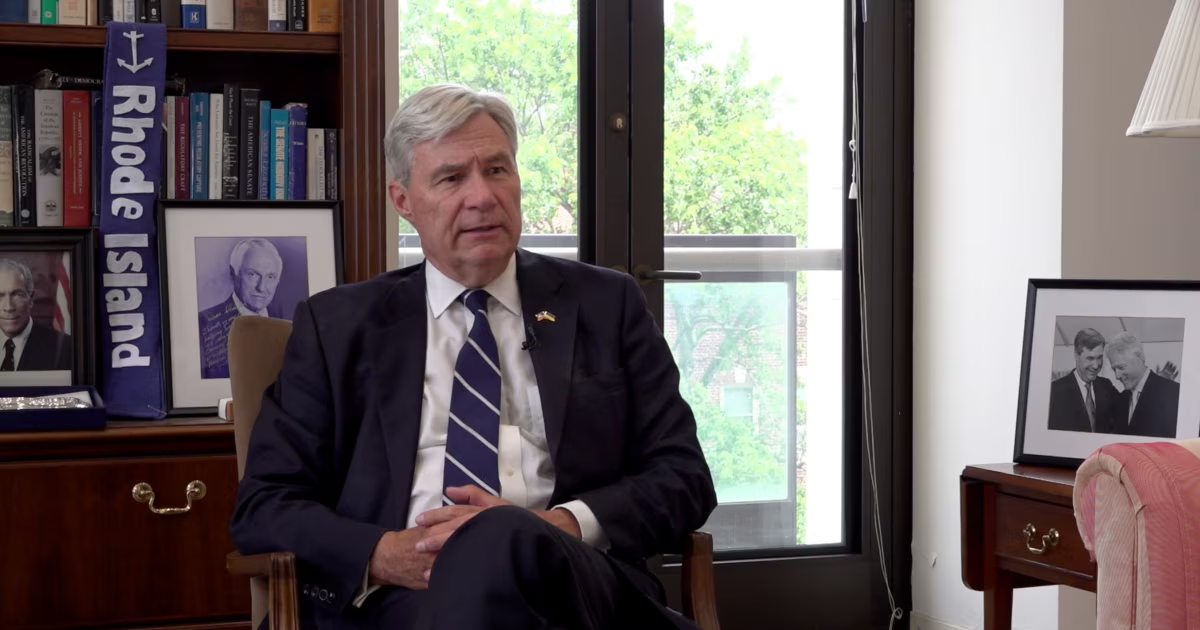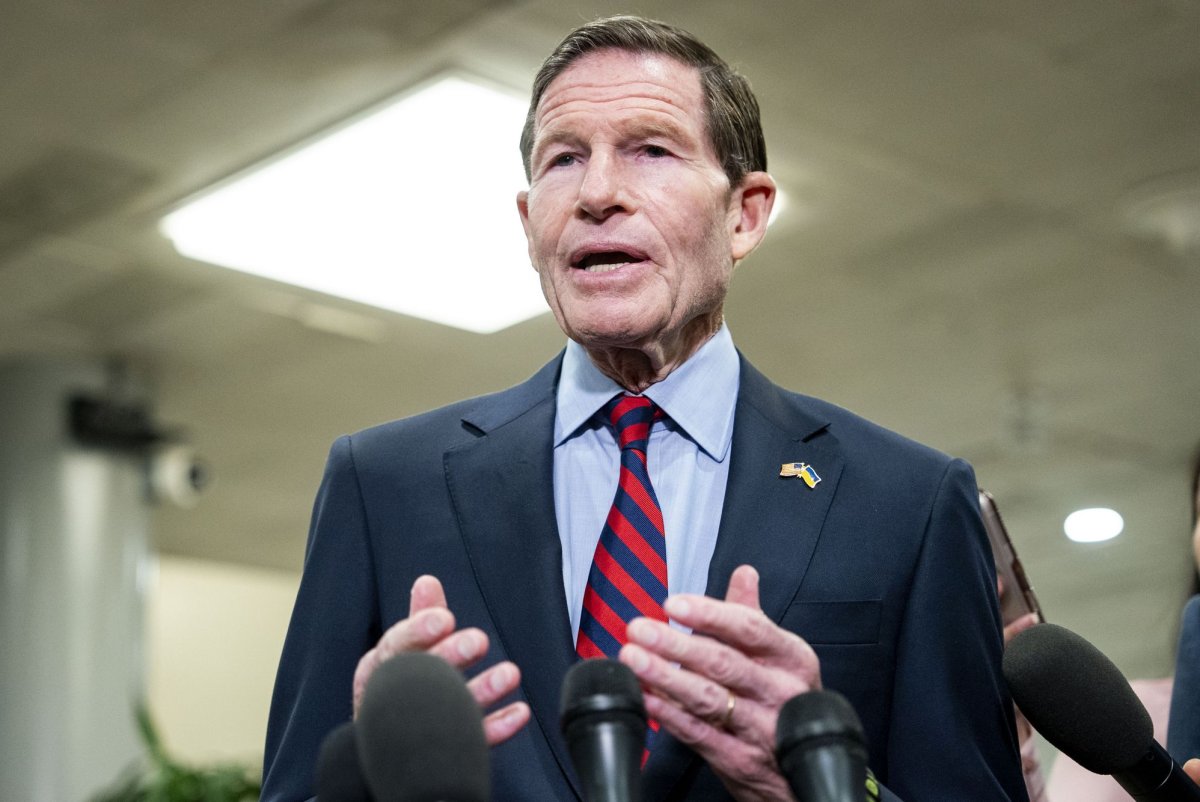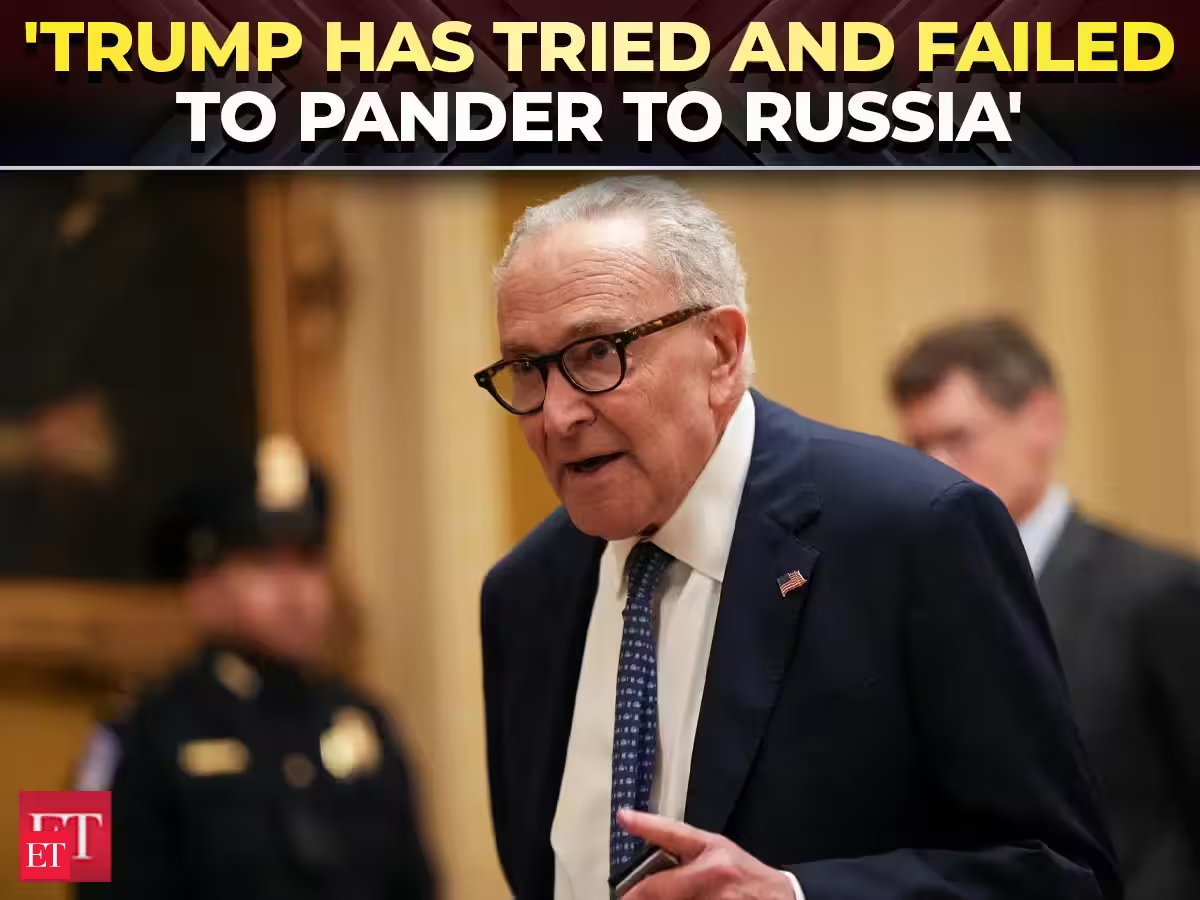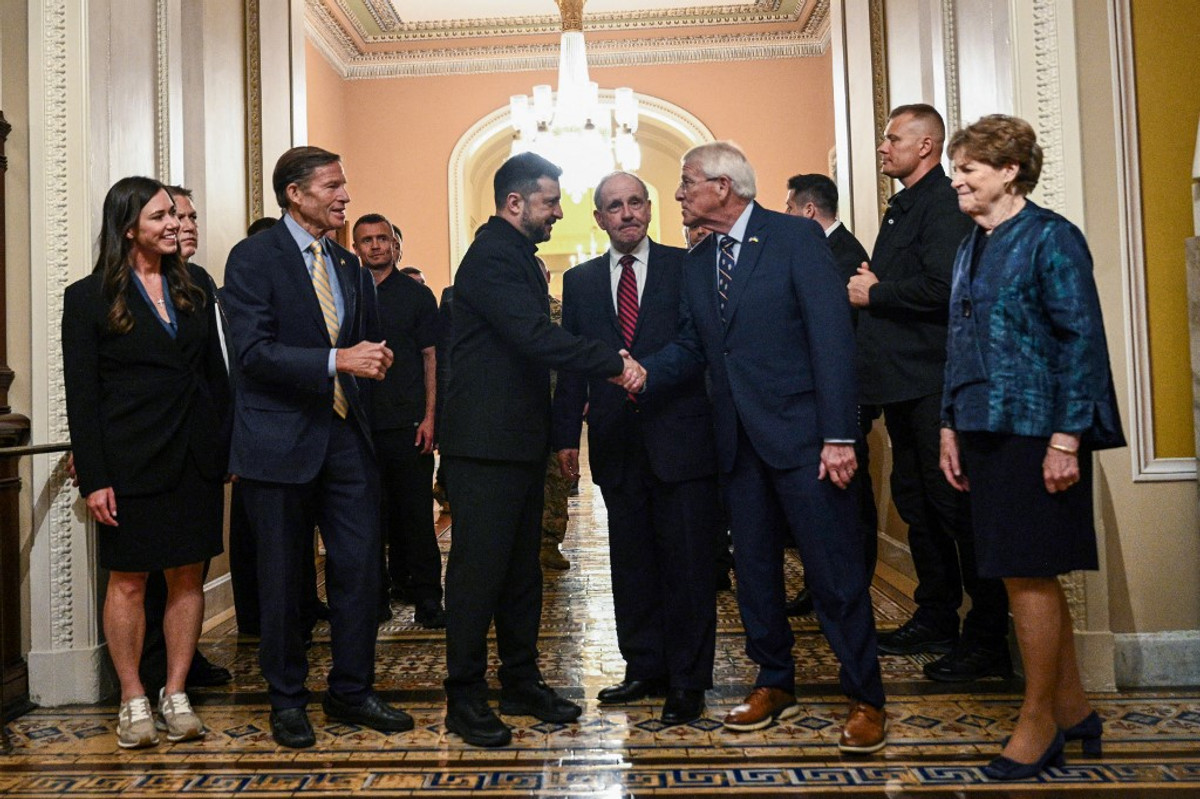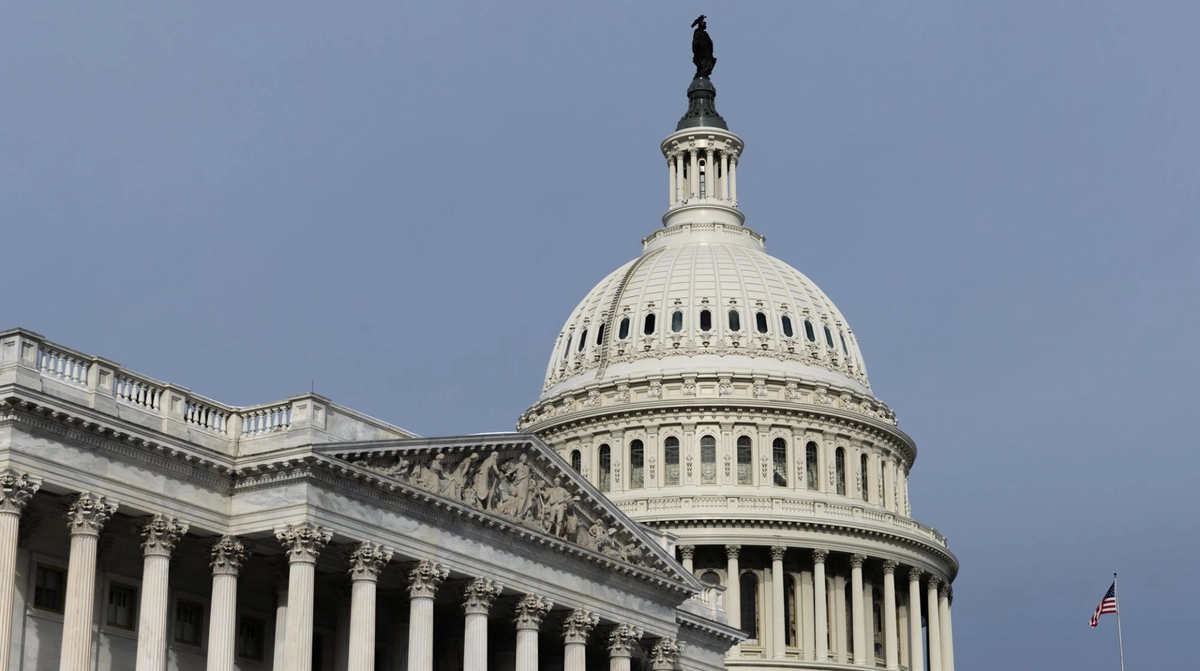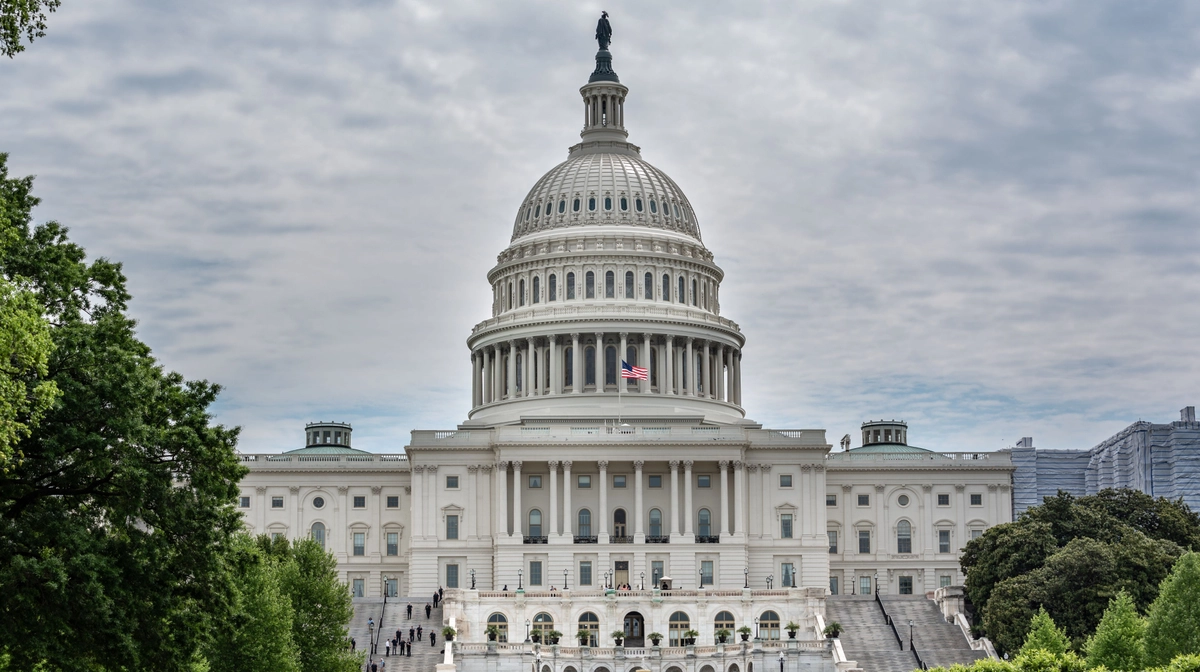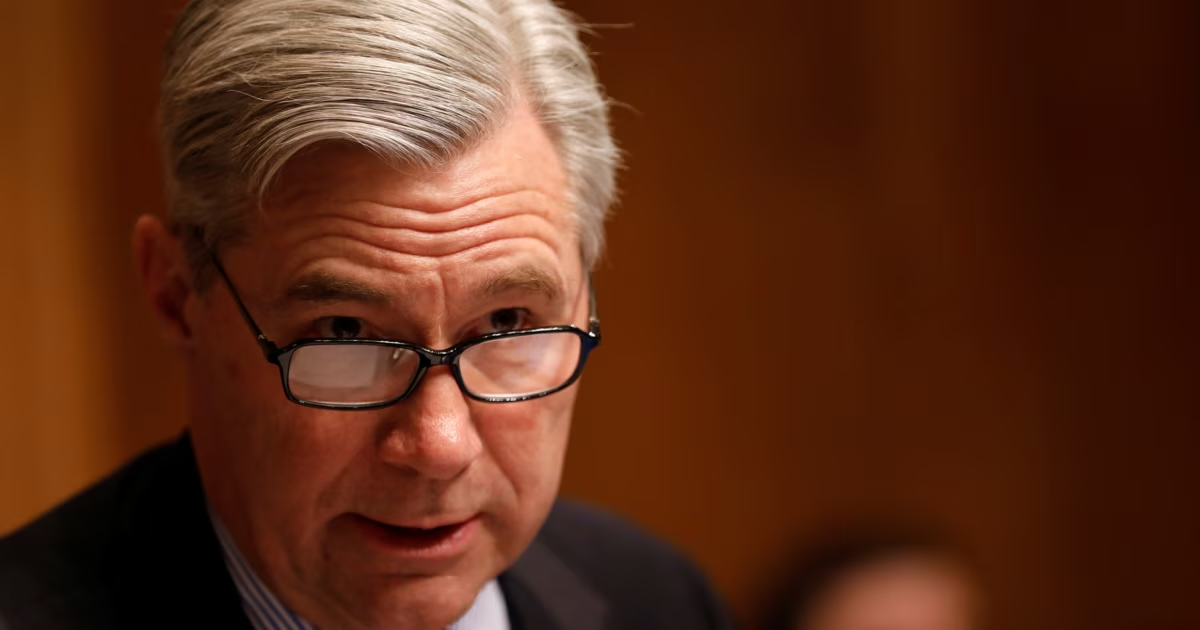
WASHINGTON -- As the US Senate prepared to vote on a sweeping bipartisan sanctions package targeting Russia and Iran, Democratic Senator Sheldon Whitehouse of Rhode Island, a co-sponsor of the legislation, said the measure reflects renewed bipartisan resolve to squeeze the Kremlin's war machine and reinforce support for Ukraine. The updated legislation, renamed the Lindsey O. Graham Sanctioning Russia and Iran Act of 2026, preserves the core sanctions architecture aimed at Russia while adding provisions extending the Iran Sanctions Act of 1996. It would impose primary and secondary sanctions on Russia and those supporting its war in Ukraine, target Moscow's shadow fleet, and authorize tariffs of up to 100 percent on major importers of Russian oil and gas that help sustain the Kremlin's war effort. Hours before the Senate vote on July 28, Whitehouse sat down with RFE/RL in his Capitol Hill office to discuss the bill's prospects, the Trump administration's support, and the message Congress is sending to Russian President Vladimir Putin. RFE/RL: This act enjoys rare bipartisan backing. Is there anything that could prevent it from becoming law?Sheldon Whitehouse: It would be a surprise if anything stopped it from passing the Senate today. We have to see how it will do in the House. But it does appear to have earned President [Donald] Trump's support recently, and with President Trump's support, things usually pass the House. RFE/RL: Has the Senate moved too slowly in confronting Russia?Whitehouse: Yes, yes. RFE/RL: Why?Whitehouse: There was no motive to work slowly. It was just a question of forcing agreement, and it mattered a lot to bring President Trump around to favoring it. It's very hard to make progress on a bill that the president opposes in a Congress where both houses are controlled by his party. I think that's resolved. I think the momentum has changed. I think the final amendments brought the Trump administration around, and I think the rather impressive success of Ukraine on the battlefield has also changed the equation. I've always thought that Ukraine both could and should win, that victory was the word we should be using. But there were a lot of naysayers in Washington, and the notion that support for Ukraine was an ultimately doomed enterprise gained traction far beyond its merit. RFE/RL: If Moscow refuses to end the war even after these measures, what additional consequences could the Kremlin face? Is Congress prepared to go even further with financial and other sanctions?Whitehouse: The first effort in Congress will be to assure that the Trump administration enforces this legislation, and that real pressure is brought to bear on the shadow fleet, which is the economic oil lifeline for Putin and his gangsters, and that the sanctions the bill allows are imposed and enforced on his buyers. I don't think it's prudent to decide what the next step is until we see the effect of a robust application of this bill. RFE/RL: How quickly could these measures begin choking off funding for Russia's war machine?Whitehouse: As quickly as the Trump administration implements them. If it rapidly sends signals to the big buyers of Russian oil that they're about to be tariffed for their purchases, there's a 30-day window before it goes into effect. New purchases made 30 days out are what trigger this. So that's a pretty short time frame. Then getting after the shadow fleet is another way of pinching the same revenue hose that feeds Putin. RFE/RL: There has been speculation that bipartisan support for the bill has shifted as the legislation has evolved. Can you clarify whether support remains unified?Whitehouse: There is very bipartisan support. There are more than 60 co-sponsors of the bill, Republicans and Democrats, and 60 in the Senate is the magic number that gets you to a thing called cloture, which allows the leader to take the bill to the floor with a limited period of time to debate and pass the bill, so it can't be filibustered endlessly by opponents. So we're over that hump. The trajectory of this bill from the very beginning has been bipartisan, with Lindsey Graham and Dick Blumenthal at the center of it, but other Democrats like myself and Jeanne Shaheen supporting it from very early on. So the core initiating group of senators was bipartisan, and now we have a broad bipartisan coalition. RFE/RL: Iran was recently added to the legislation. Secretary of State Marco Rubio suggested the addition would improve the bill's chances of becoming law. Do you agree?Whitehouse: It helps the bill become law to add Iran into the package. I don't think it's an obstacle. I think it enhances the prospects, particularly with Republicans, and I have no objection to the addition. I think most Democrats were canvased on it early on -- How would you feel? Would this change your support? -- And I said no, it would not change my support. RFE/RL: What message is Congress sending to Russian President Vladimir Putin today?Whitehouse: The really important message is that, for all the ups and downs that President [Volodymyr] Zelenskyy has faced with the Trump administration, there has been and remains a broad, powerful bipartisan coalition of support for Ukraine in the United States Senate and in Congress. That is a message that will help guide the Trump administration into a better place. It's also a strong signal to Putin and to our allies that we are resolute in pursuing all the assistance that Ukraine needs to achieve actual victory.
Russia-Iran Sanctions Bill Signals Congress United Behind Ukraine, Senator Whitehouse Tells RFE/RL
As the US Senate prepared to vote on a sweeping bipartisan sanctions package targeting Russia and Iran, Democratic Senator Sheldon Whitehouse, a co-sponsor of the legislation, said the measure reflects renewed bipartisan resolve to squeeze the Kremlin war machine and reinforce support for Ukraine.
912 words~4 min read