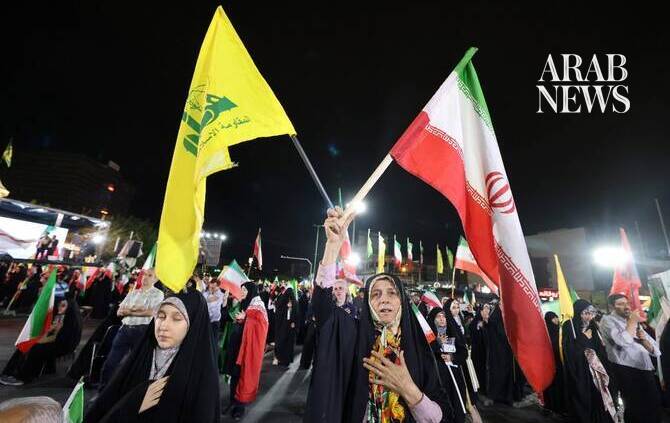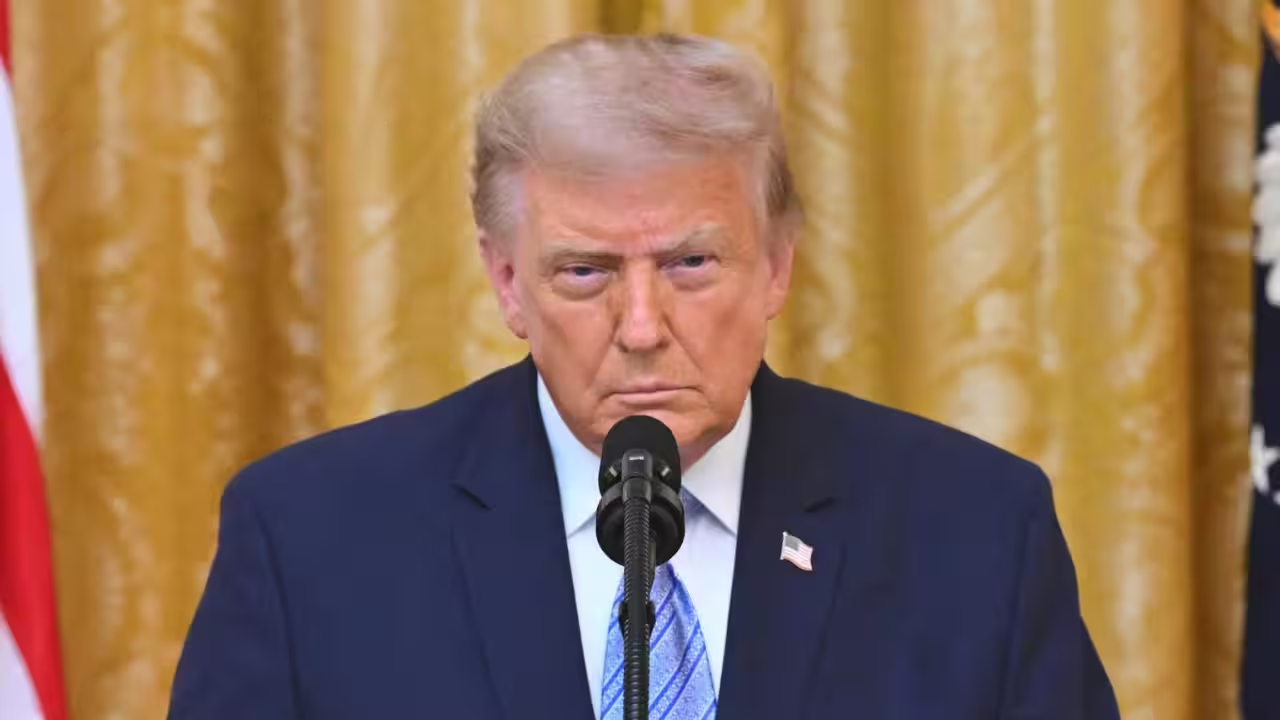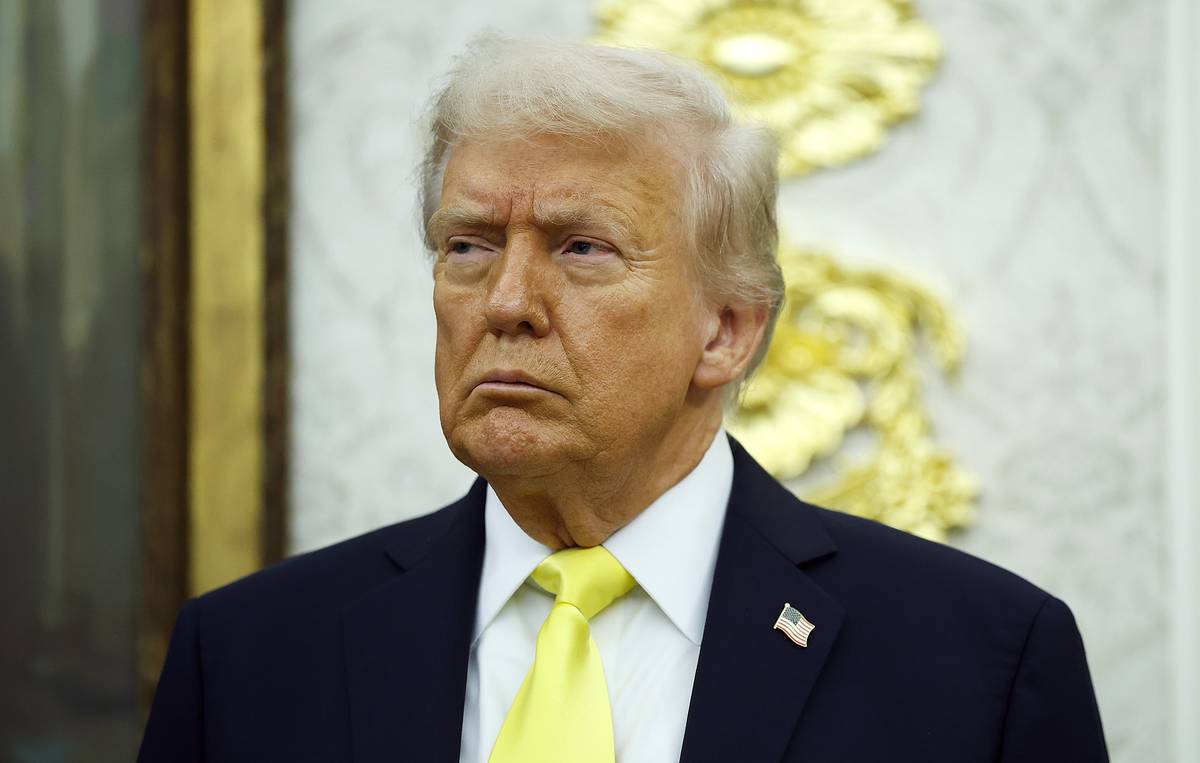
The Russia sanctions bill working its way through Washington just got a lot more crowded. President Donald Trump has signaled support for expanding the Sanctioning Russia Act of 2025 to include Iran and Hezbollah, broadening what was already a sweeping piece of legislation into something with tentacles across multiple geopolitical conflicts.
What the bill actually does
The Sanctioning Russia Act of 2025, introduced by Sen. Lindsey Graham on April 1, 2025, is the legislative scaffolding here. The bill permits the imposition of tariffs reaching up to 500% on countries that continue purchasing Russian energy if peace negotiations over Ukraine fail to materialize.
Trump first telegraphed the Iran expansion in November 2025, when he noted that Republicans were preparing legislation to formally bring Iran into the sanctions framework. The logic was straightforward: Iran has been actively supporting Russia’s war effort in Ukraine, so treating them as linked actors in the same sanctions architecture made strategic sense to the administration.
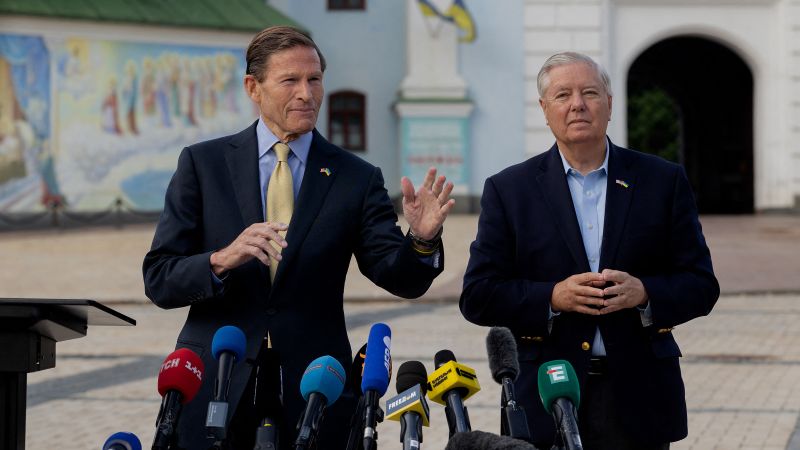
By July 10, 2026, bipartisan senators including Graham and Sen. Richard Blumenthal confirmed that the Trump White House had approved the latest draft of the revised bill, which now encompasses both Iran and Hezbollah.