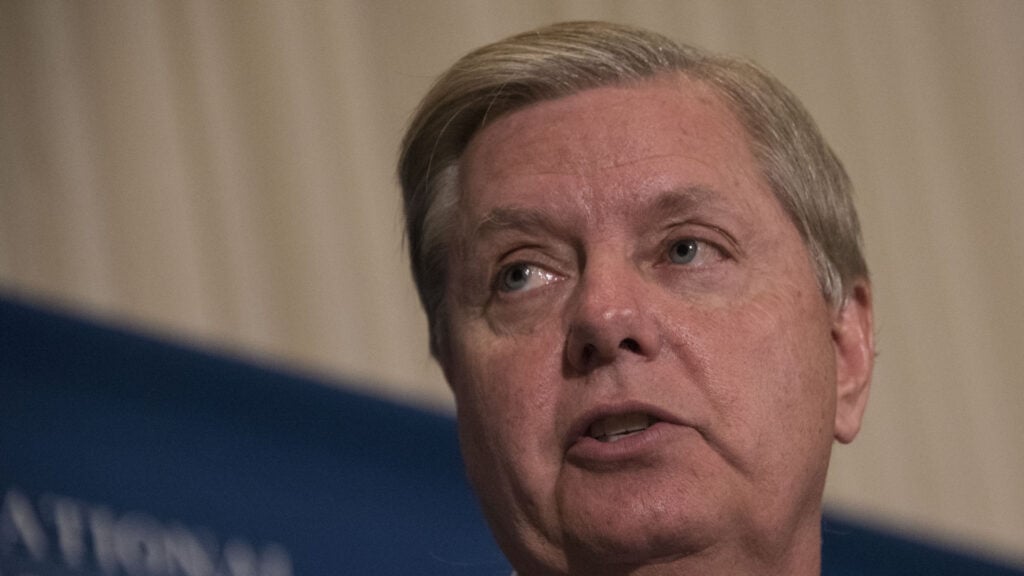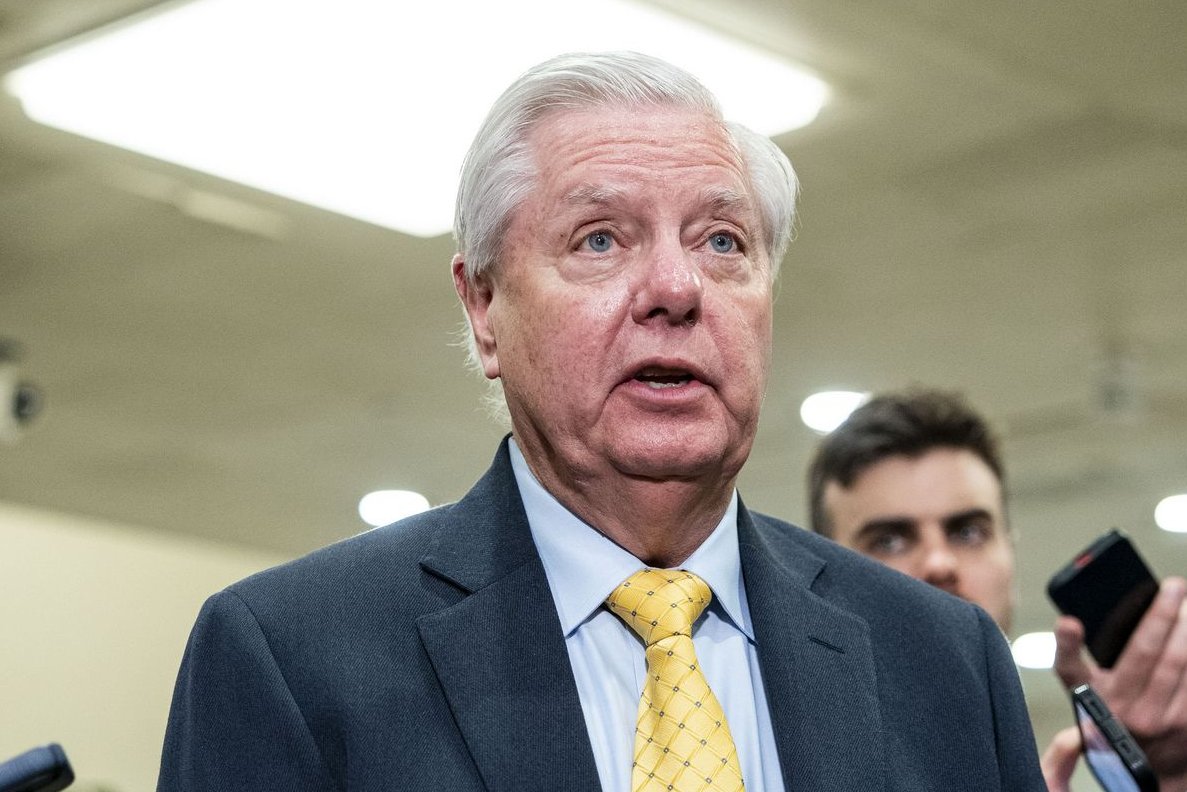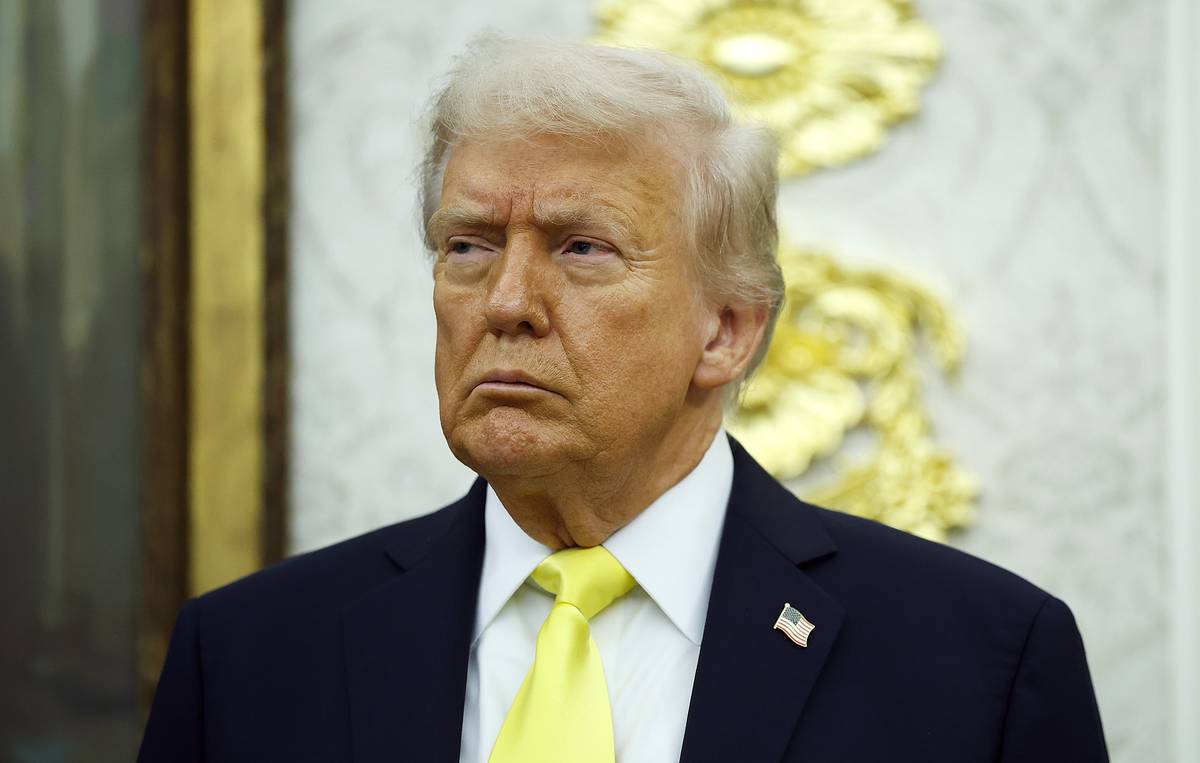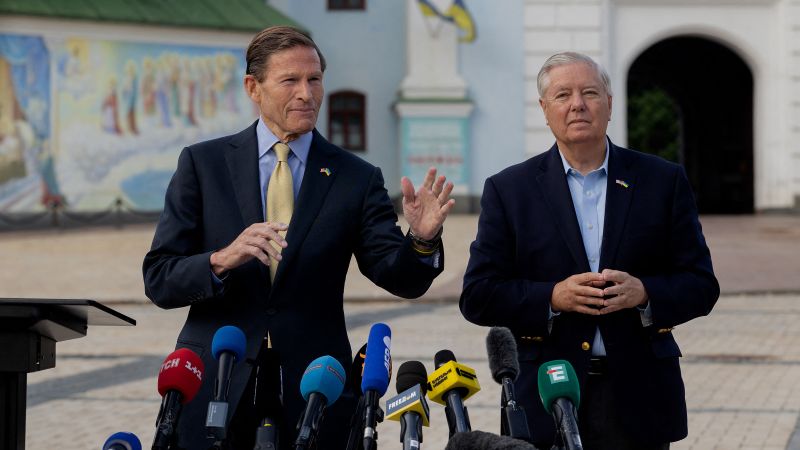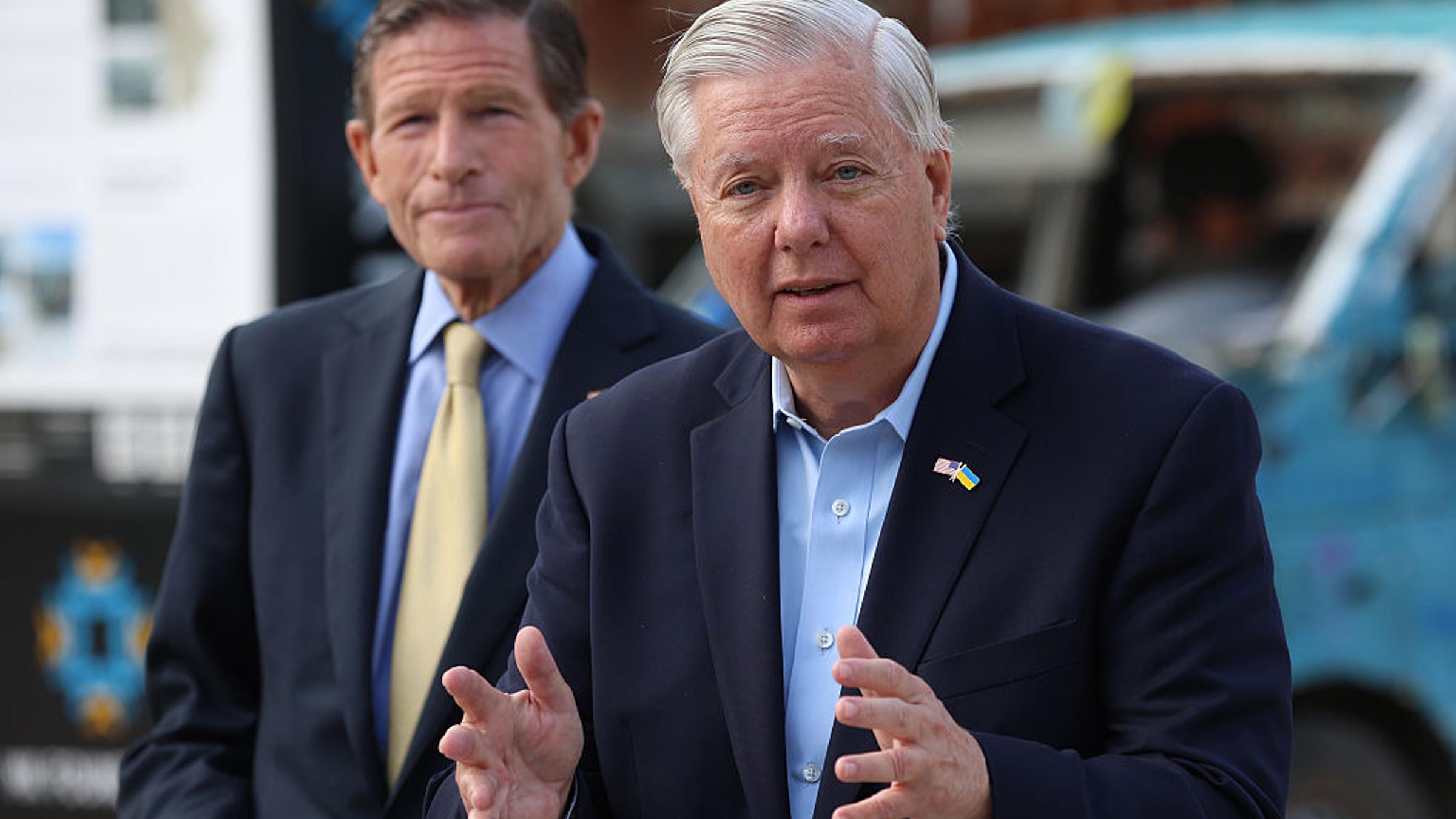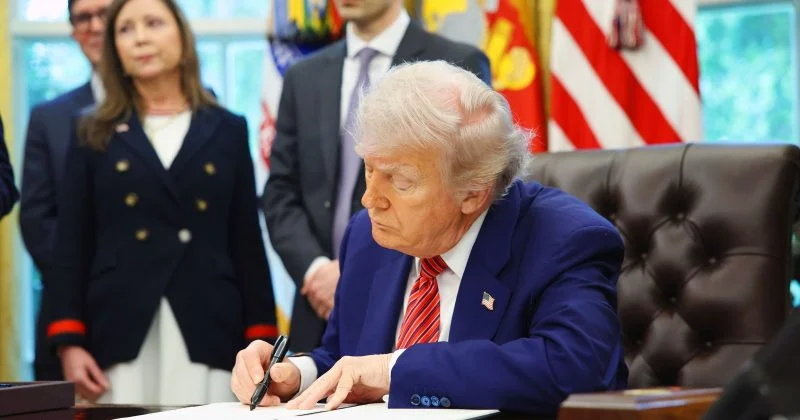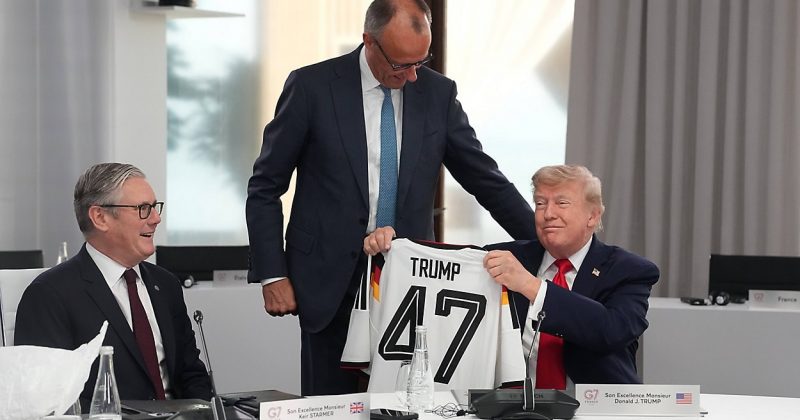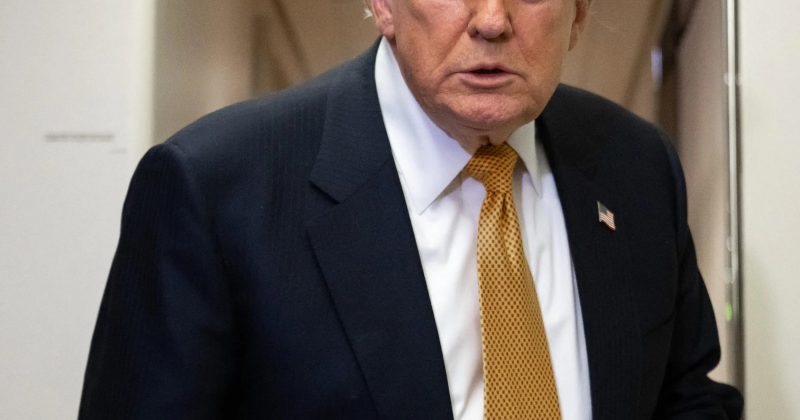
President Donald Trump has agreed to support the Sanctioning Russia Act of 2025, a bipartisan bill originally championed by Senators Lindsey Graham and Richard Blumenthal that would impose a 500% tariff on imports of Russian petroleum, uranium, and other goods from non-compliant countries. The agreement, reached on July 10, 2026, marks a significant pivot for an administration that has often sent mixed signals on its approach to Moscow.
The bill, formally designated S.1241, had been collecting dust in Congress for more than a year after its introduction on April 1, 2025. Now it has the White House’s blessing, and the implications stretch well beyond traditional commodity markets, particularly into the crypto space where Russia has been quietly building sanctions evasion infrastructure.
What the bill actually does
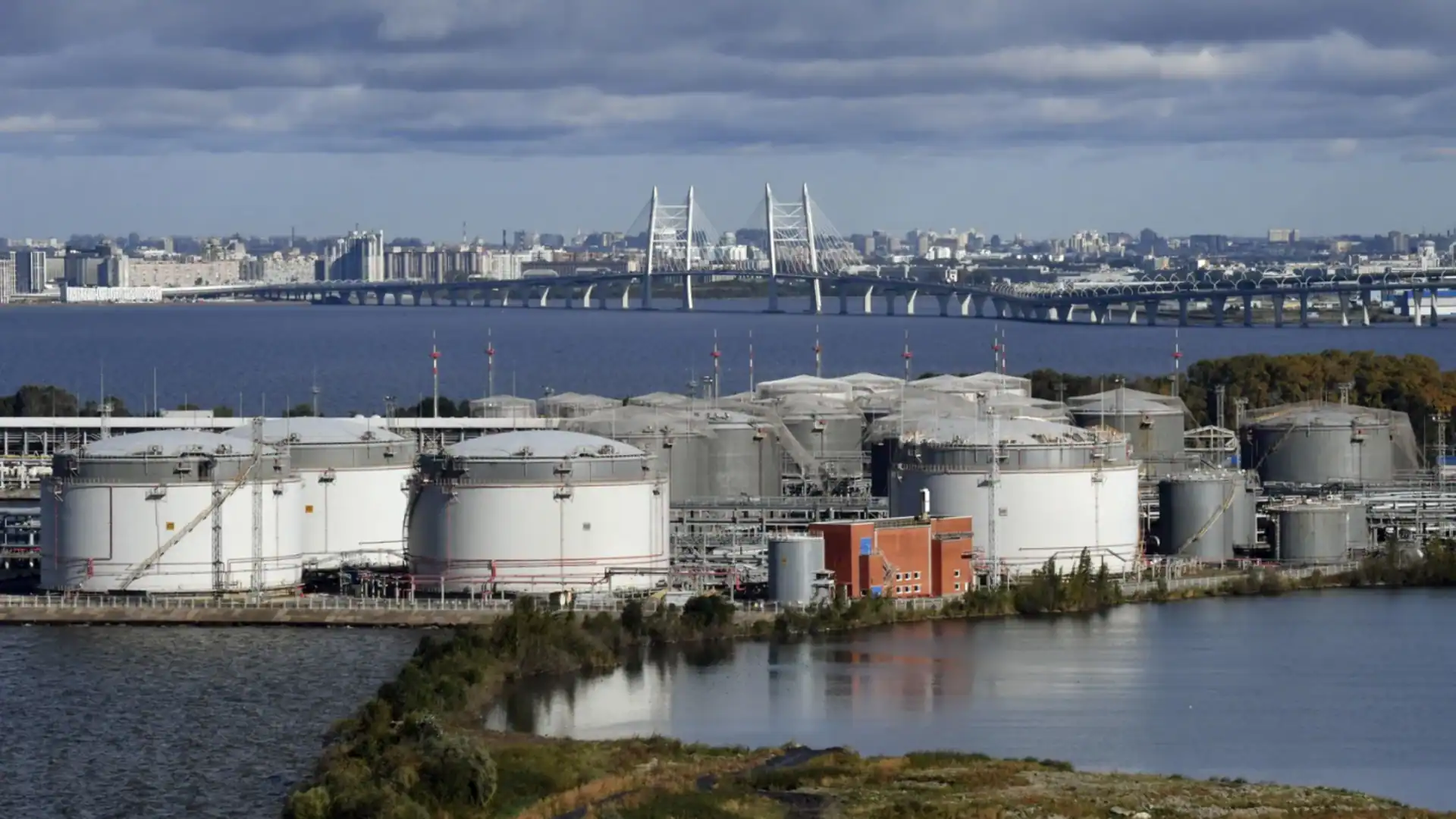
A 500% tariff on Russian-origin petroleum, uranium, and other covered goods would apply to countries that continue importing those goods without compliance. The bill includes trigger mechanisms that activate additional sanctions under specific conditions. If Russia refuses to engage in peace negotiations, violates existing agreements, launches another invasion of Ukraine, or attempts to undermine the Ukrainian government, the penalties escalate further.