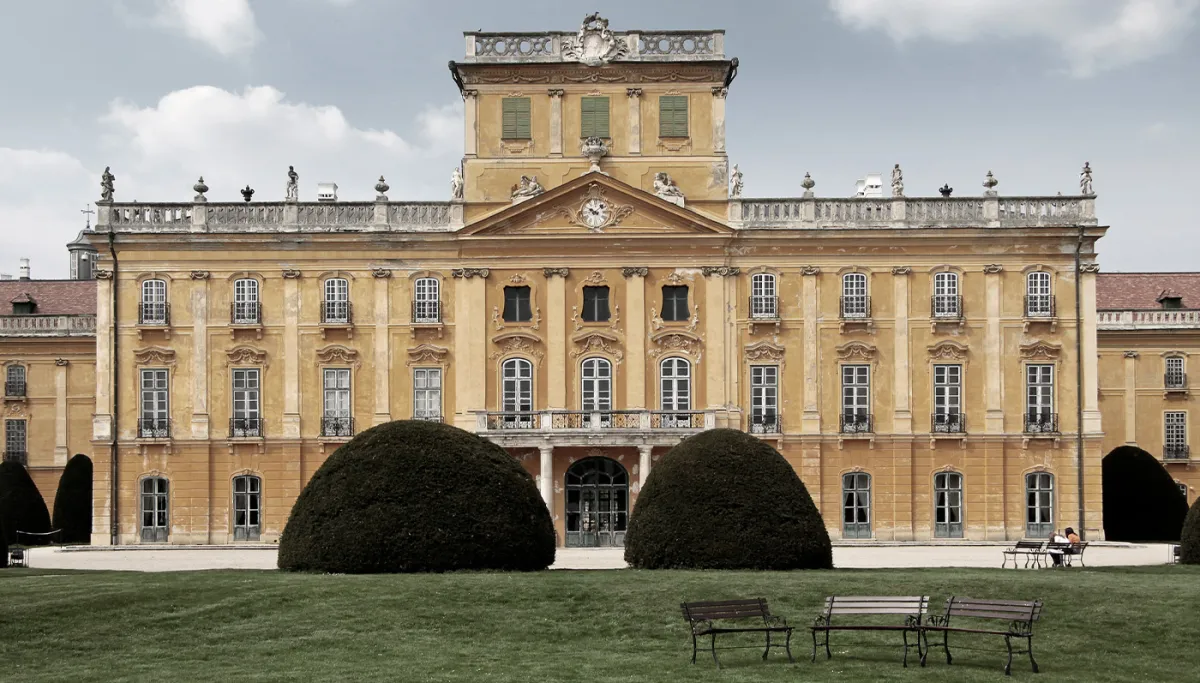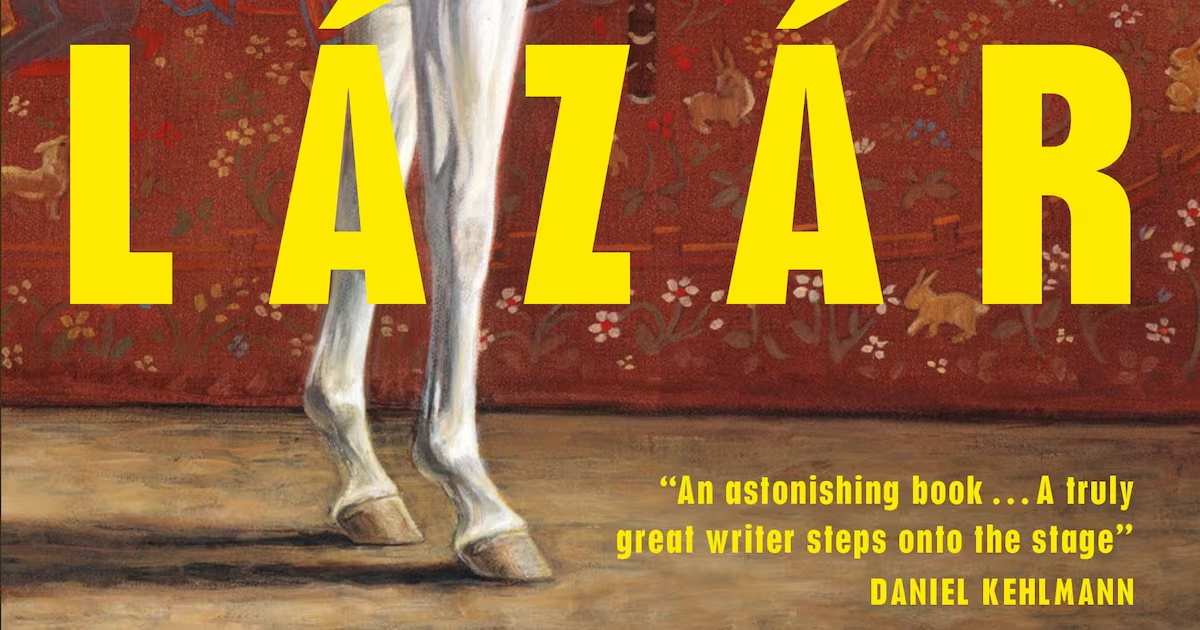
Lázár, written in German by the young Swiss-Hungarian author Nelio Biedermann and translated into English by Jamie Bulloch, follows several generations of an aristocratic Hungarian family through the collapse of the Austro-Hungarian Empire, two world wars, Communist rule and the failed uprising of 1956.That’s a great deal of history to fit into one book and there’s some debate about whether Biedermann succeeds.The novel opens in the final years of the Empire. The Lázárs, part of Hungary’s landed aristocracy, live between a sprawling country estate and a grand home in the city, employ an army of servants and benefit from a social order that has kept families like theirs comfortable for generations. It never occurs to them that within half a century they will lose everything.After Austria-Hungary was defeated in World War 1 and dissolved in 1918, the Treaty of Trianon two years later left Hungary with a third of its former territory. The Lázárs survive that first upheaval, but the old order is already beginning to fall apart.After World War 2, Hungary’s aristocracy was systematically dismantled. The 1945 land reform broke up the large estates on which its wealth depended, while a 1947 law abolished noble titles and banned their use. Under Communist rule, many former aristocrats lost their homes, were deported from Budapest or forced into manual labour. Some fled the country. Those who stayed had to rebuild their lives in a system that regarded their ancestry as an enemy of the state.The Lázárs’ story mirrors that history, but Biedermann eschews realism in favour of a gothic, dreamlike sensibility evident in the opening lines of his novel: “The snow of the dying century still lay on the edge of the dark forest when Lajos von Lázár, the translucent child with water-blue eyes, first glimpsed the man he would believe to be his father for his whole life and beyond.”Biedermann is strongest when that unease gives way to a very real family tragedy beset by secrecy and mental illness. After Lajos’ mother, Mária, kills herself, his father, Sándor, sinks into drink and becomes a violent alcoholic. Lajos inherits the estate, then later works in a regional office carrying out Nazi orders before the Communist government confiscates the family property. His sister Ilona, who has married into a Jewish banking family, is forced to flee Europe. Later, Lajos’ children, Pista and Eva, are living in a cramped Budapest flat and doing menial work before escaping during the 1956 uprising.The novel draws on Biedermann’s own family history. His father’s family belonged to the Hungarian nobility, and his grandparents fled Hungary for Switzerland. He grew up hearing their stories about life on the family estates and their eventual escape. As a child, he listened to them as stories of adventure. Only later did he understand they were stories about profound loss.Biedermann started writing the novel when he was 16. His early drafts were constrained by biography. The story only began to work once he created the Lázárs and gave himself some distance from his family background. His grandmother was a major influence. By the time Biedermann was a teenager, she had dementia and would speak often about Hungary, mixing memory and imagination with the present. She brought childhood memories and dead relatives to life in ways that helped him to find the novel’s voice.The result is a compelling multigenerational family saga set against the full force of violent and tumultuous 20th-century Hungarian history. Political and social upheaval steadily robs the Lázárs of choices, strips away their wealth and privilege, and leaves each generation to reckon with the remnants of a once-powerful legacy. The novel is vivid, fast-moving and occasionally uneven, but its sense of historical rupture is persuasive and deeply felt.Business Day
Nelio Biedermann’s history of a vanished Hungary
The novel draws on the author’s family history amid political and social upheavals
619 words~3 min read