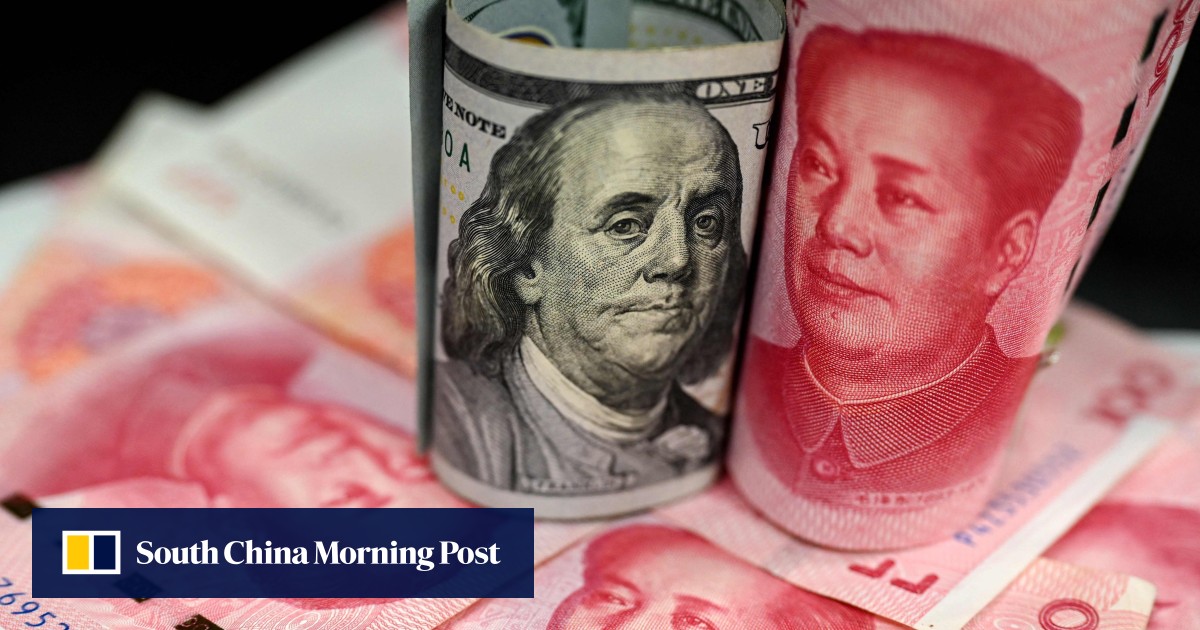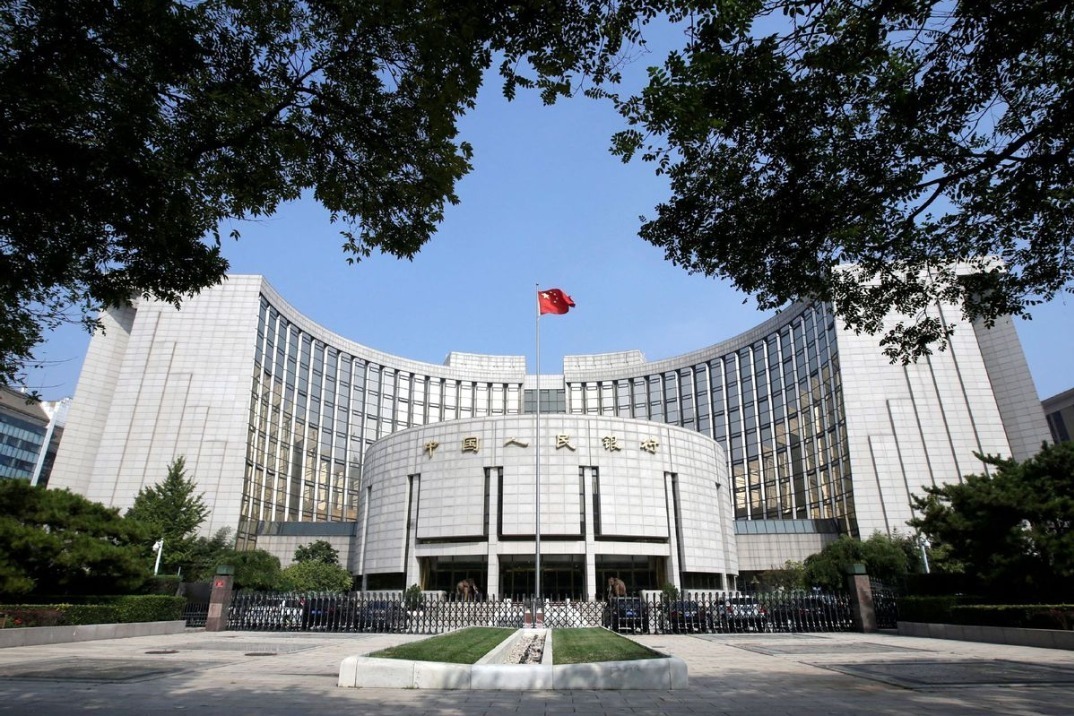
A senior Chinese central bank official said on Wednesday that the renminbi exchange rate is expected to continue fluctuating in both directions, as a range of factors will exert both upward and downward pressure on the currency.
Geopolitical tensions and uncertainties over monetary policy in major economies remain the key external factors influencing the renminbi, said Zou Lan, deputy governor of the People's Bank of China.
Speaking at a news conference, Zou noted that while the US Federal Reserve kept its benchmark interest rate unchanged in June, it sent a hawkish signal. The European Central Bank raised rates by 25 basis points as a precautionary measure, and the Bank of Japan delivered another rate hike following its increase in December.
Although crude oil prices have retreated from earlier highs and any further policy adjustments by the Fed and ECB are expected to be gradual, the geopolitical situation in the Middle East has recently been complex and volatile, and uncertainties remain over the global inflation outlook and the future direction of monetary policy among major economies, he said.
Despite the challenging external environment, the renminbi has remained broadly stable with two-way flexibility. By the end of June, it had appreciated 3 percent against the US dollar from the end of 2025, while the CFETS RMB Index, which measures the currency against a basket of foreign currencies, had risen 4.7 percent.