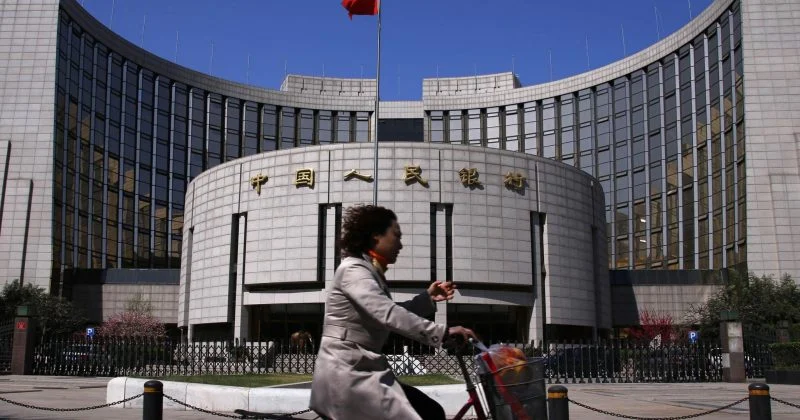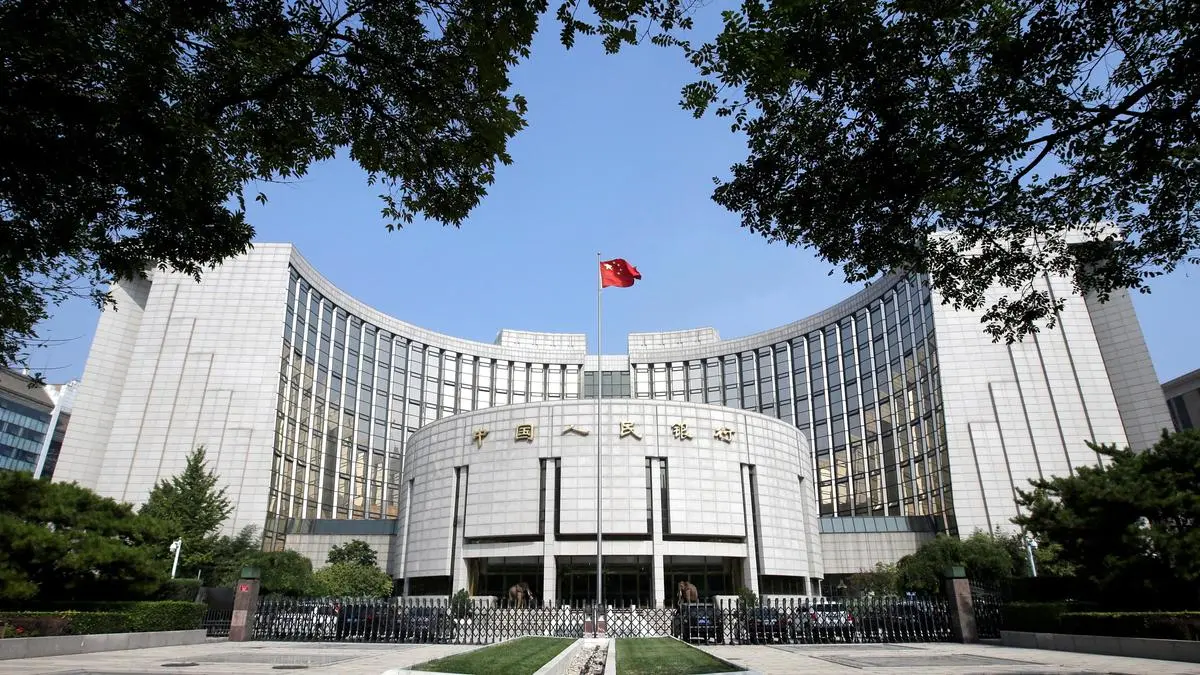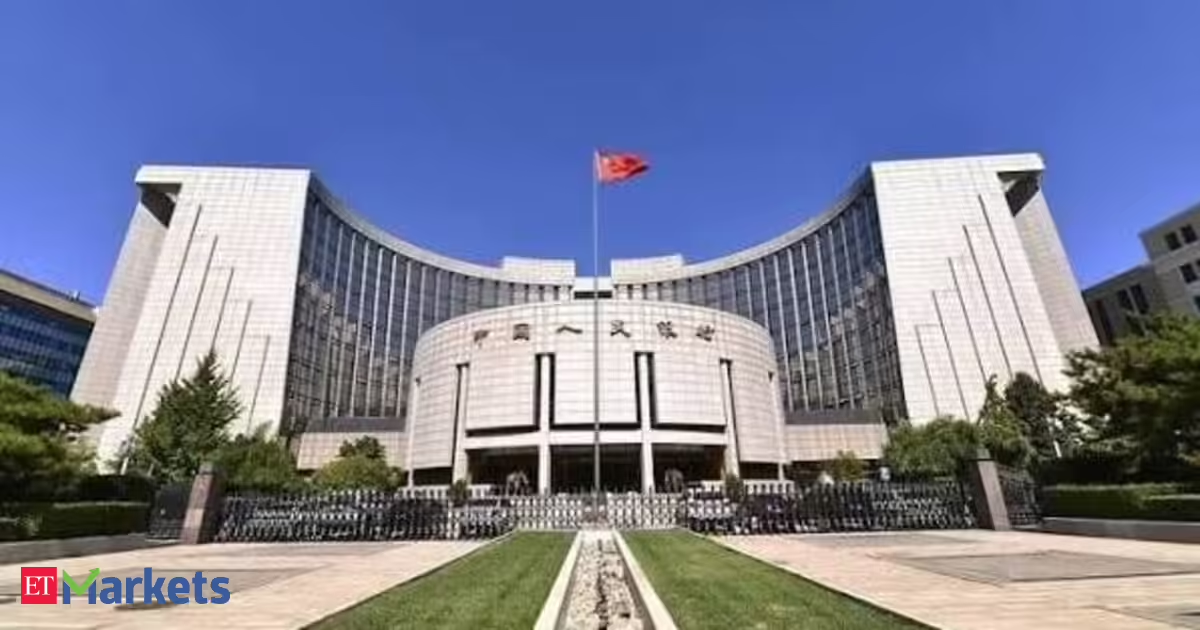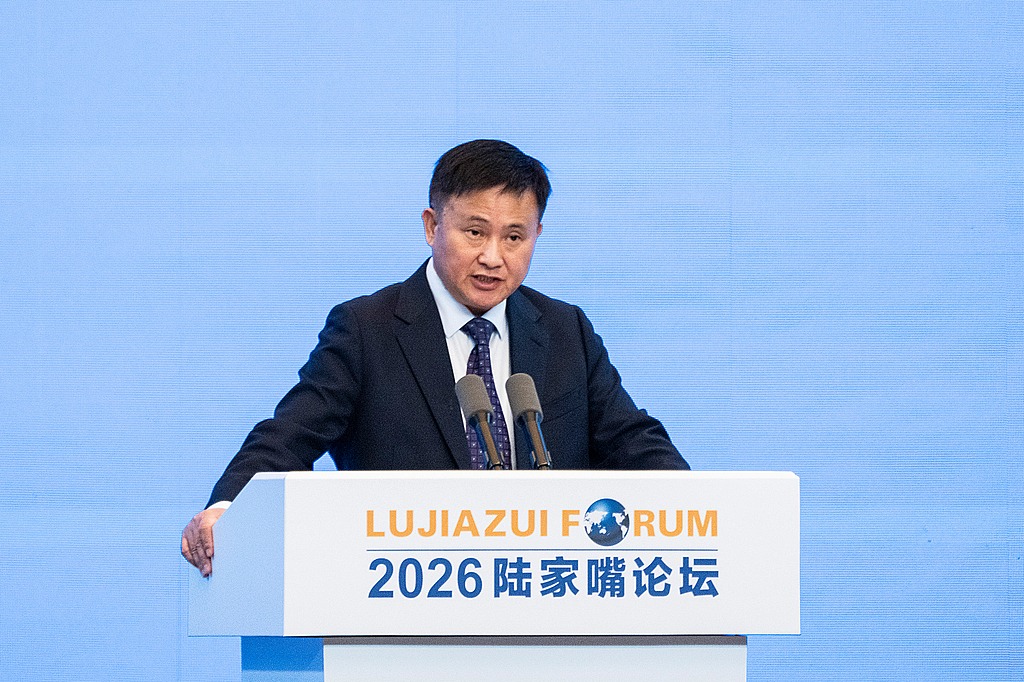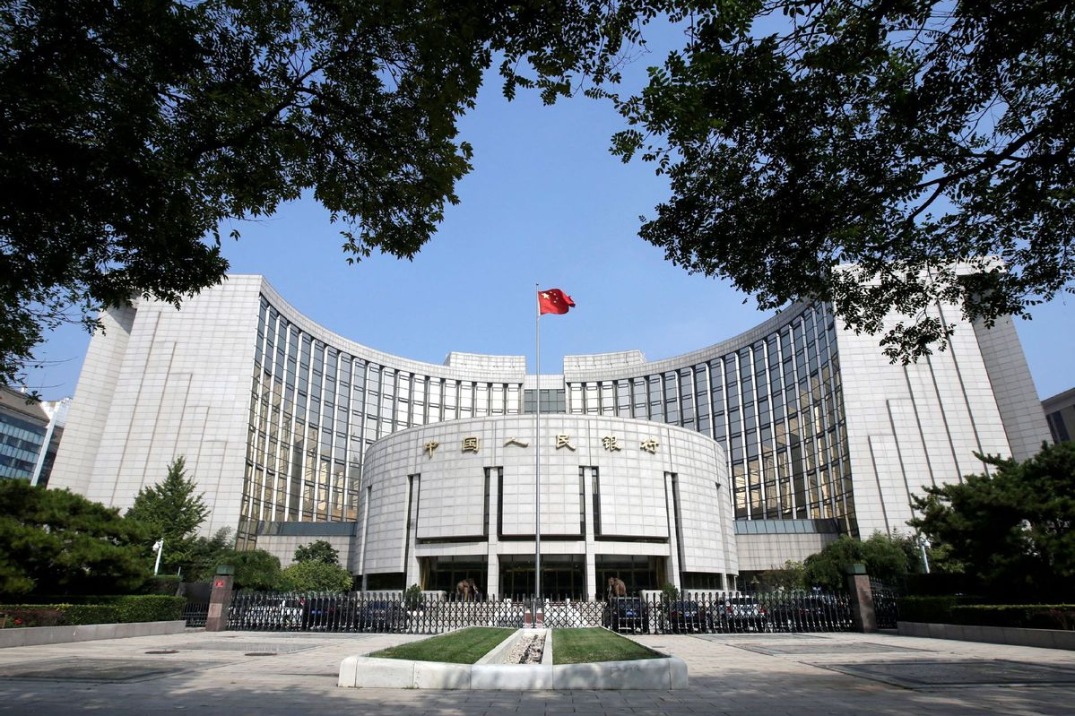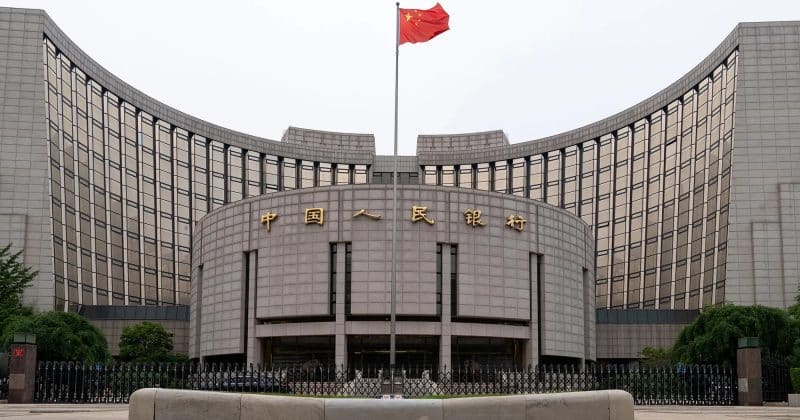
China’s central bank just made its most significant monetary plumbing upgrade in years. The People’s Bank of China announced a series of refinements to its policy framework on June 17, centering on an increased reliance on overnight reverse repos and new tools designed to smooth out money-market volatility.
What the PBOC actually changed
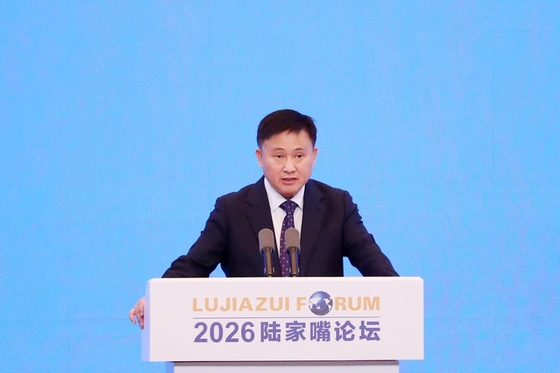
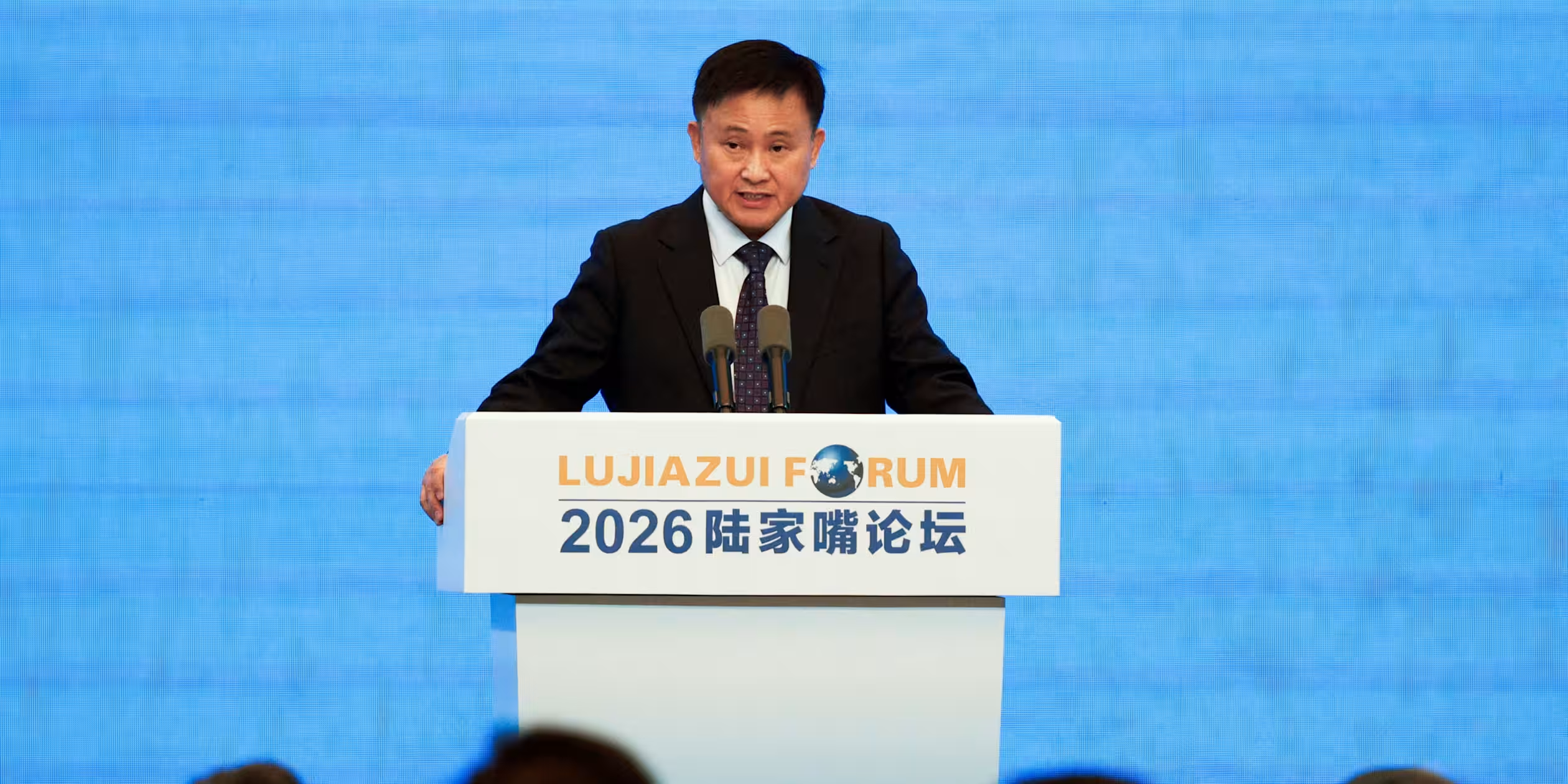
Under Governor Pan Gongsheng, the central bank is pivoting toward overnight rates as the primary lever for managing liquidity in the financial system. The overnight reverse repo, a tool where the PBOC lends short-term cash to banks against collateral, is now taking center stage.
The new measures also include enhanced bond market operations. The PBOC wants to reduce the kind of short-term rate swings that spook institutional investors and make yuan-denominated bonds less attractive compared to alternatives in the US or Europe.
China has maintained a “moderately loose” monetary stance throughout 2026, complemented by previous cuts to the reserve requirement ratio, the amount of cash banks must hold in reserve. The framework refinement is the next logical step in that easing campaign, less about injecting new stimulus and more about making the existing plumbing work better.