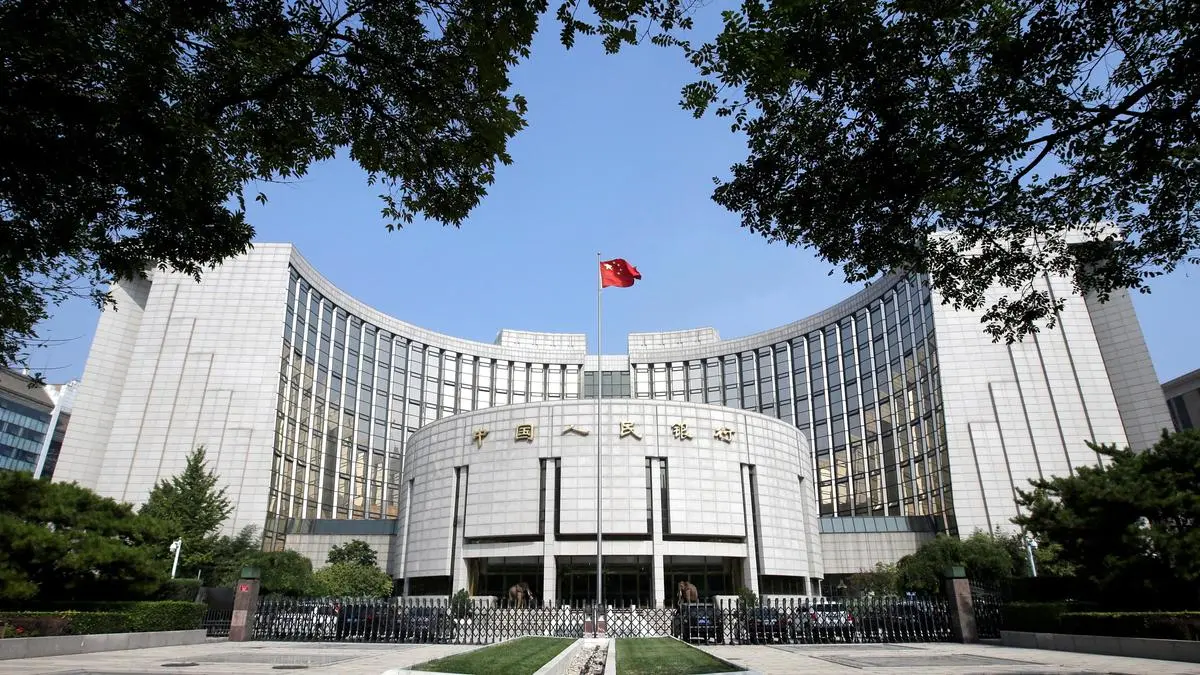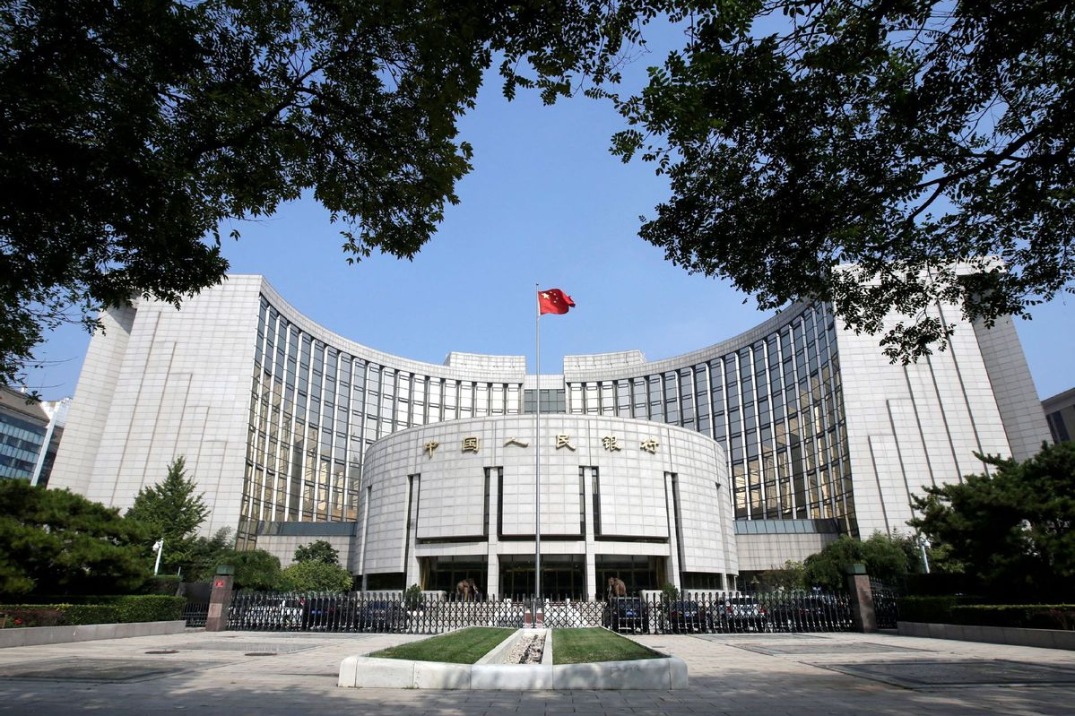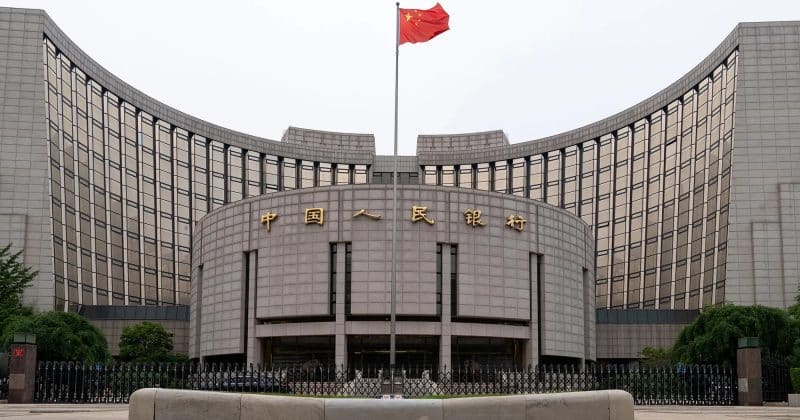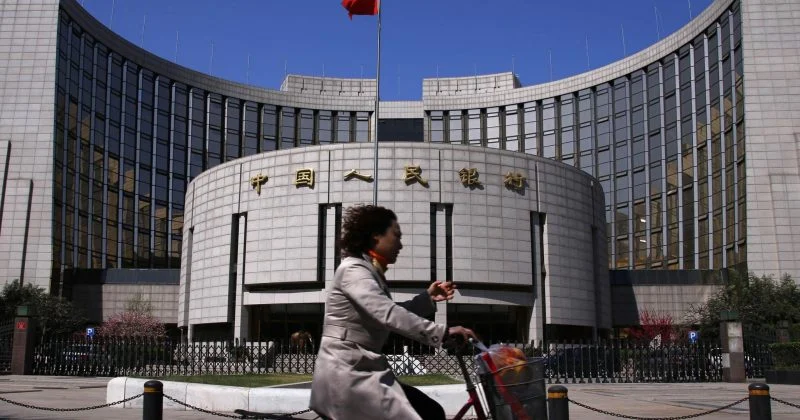
China’s central bank just reorganized its quarterly monetary policy report for the first time in more than two decades. The People’s Bank of China reordered sections in its February 2026 report to prioritize money market conditions, placing overnight repo rate dynamics front and center. For analysts who parse these documents like Talmudic scholars, the message is hard to miss: the PBOC may be laying the groundwork to adopt the overnight rate as its central policy anchor.
From MLF to overnight: what’s actually changing
Until 2024, the PBOC’s primary policy lever was the medium-term lending facility, or MLF. In 2024, the bank pivoted, shifting its operational focus to the seven-day reverse repo rate, a shorter-duration tool that gives policymakers more granular control over interbank liquidity. Now the signals suggest another step down the maturity ladder, toward the overnight rate.
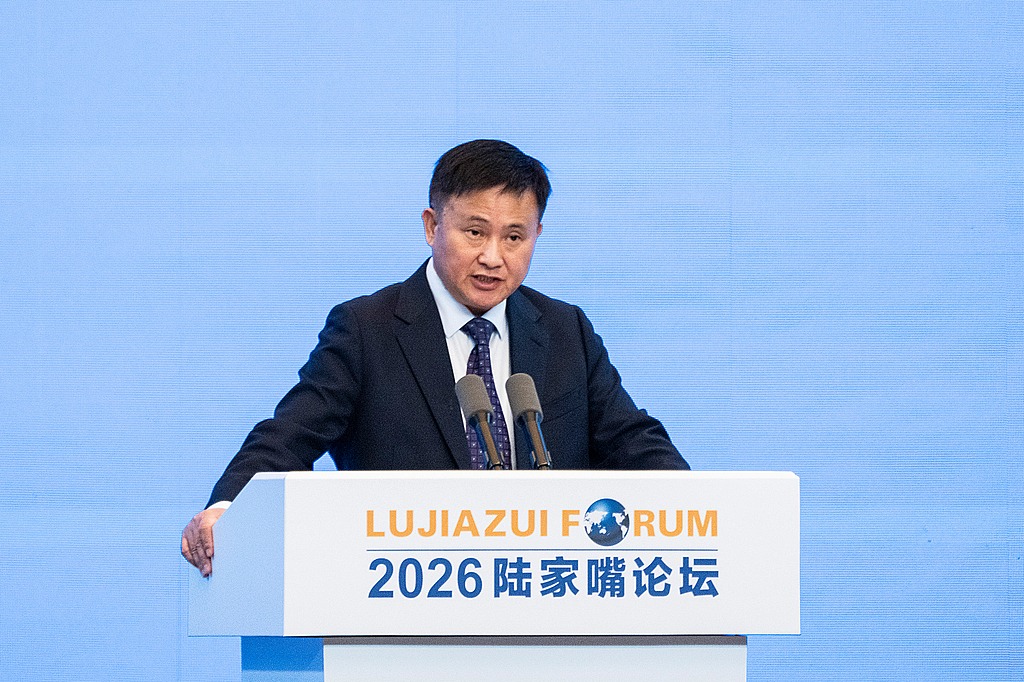
Governor Pan Gongsheng reinforced this trajectory in late 2025 statements, emphasizing the importance of guiding short-term rates to track closely around policy targets while maintaining ample liquidity.
No immediate rate changes accompanied the February report. The loan prime rate, China’s benchmark lending rate, held steady at a record low of 3.0%.