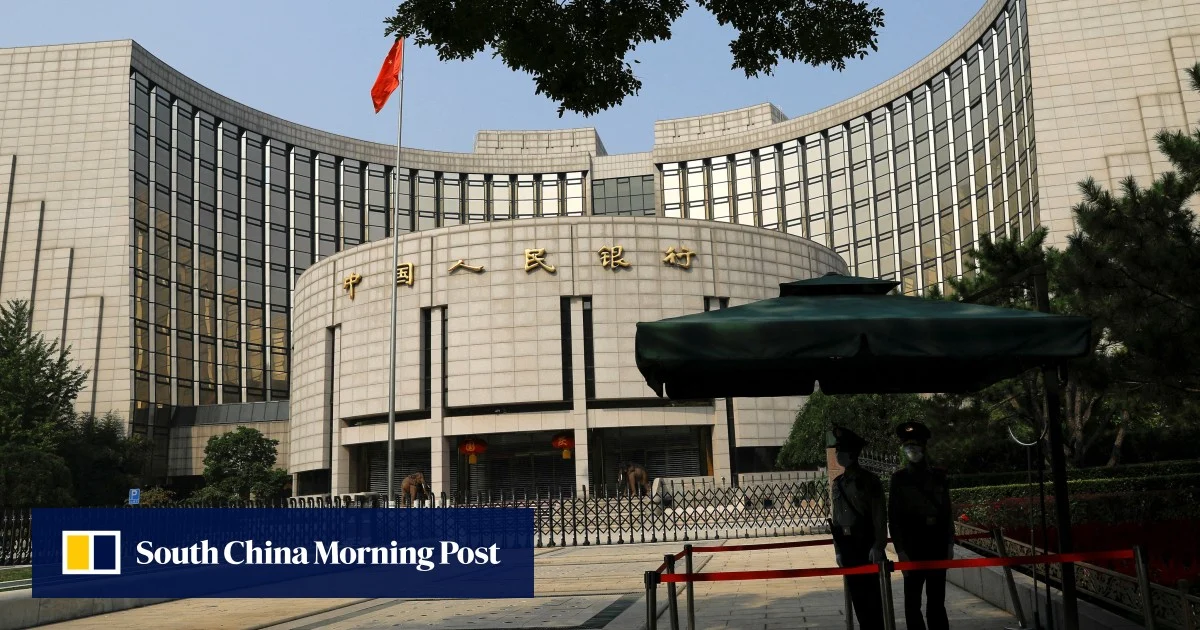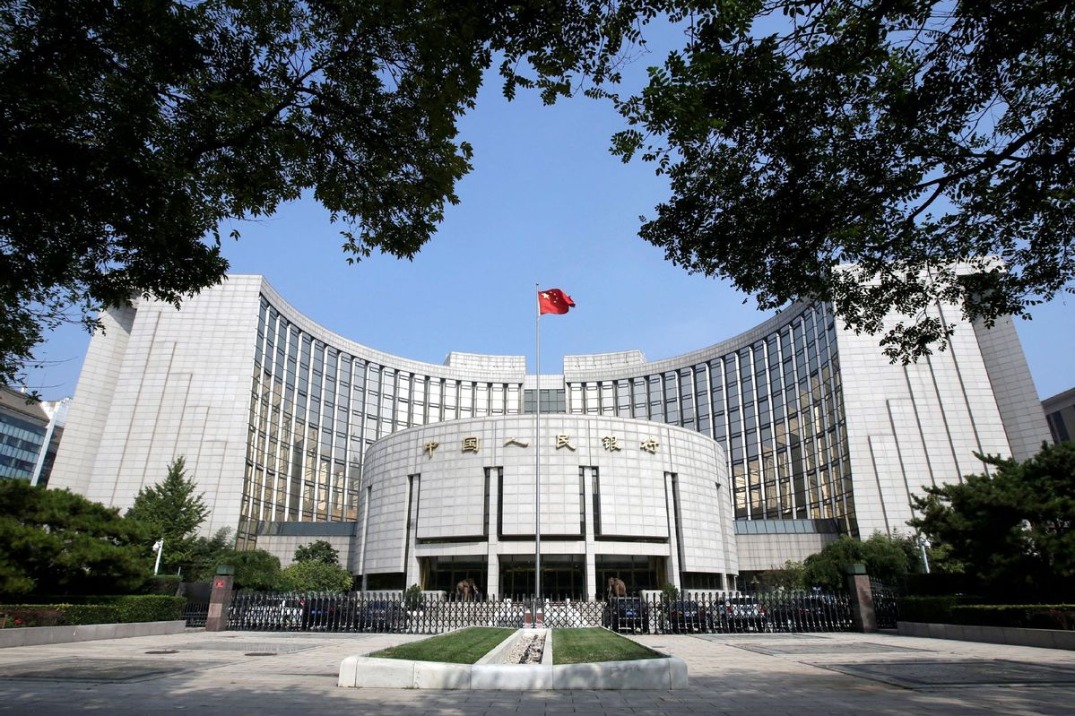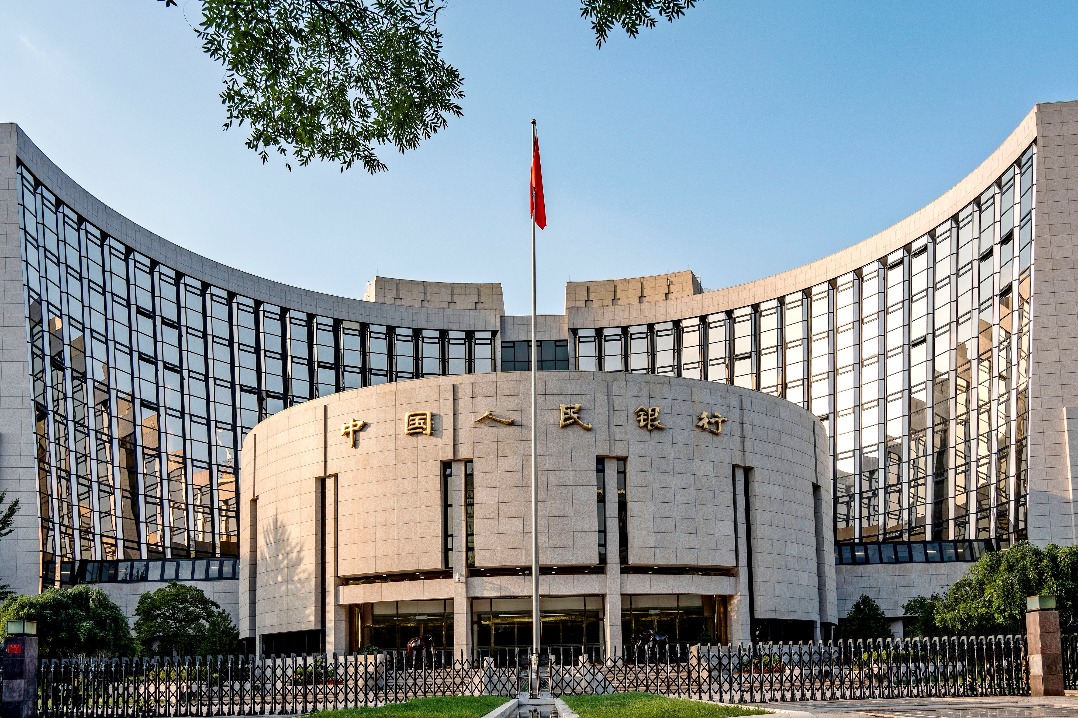
China's central bank has newly flagged "structural divergence" in the economy, a shift that analysts said signals a greater likelihood of proactive easing in the second half of the year to cushion downside risks as imported inflation pressures begin to ease.
In a statement late on Wednesday after the second-quarter meeting of its monetary policy committee, the People's Bank of China said the economy has remained generally stable and continued to improve in quality, but still faces challenges including strong supply, weak demand, structural divergence and external shocks.
The reference to "structural divergence" was a new addition compared to the previous quarterly meeting, as well as the bank's latest monetary policy report released in May.
The meeting also changed the overall monetary policy wording from "making comprehensive use of various policy tools and strengthening monetary policy adjustments" in the first-quarter meeting to "enhancing the forward-looking, flexibility and targeted nature of policy".
Analysts said the new wording carries significance as debate has intensified over a "K-shaped" recovery in China's economy, with artificial intelligence-related sectors and manufacturing holding up better while property, infrastructure and consumption remain under pressure.